Get Your Quote within 24 Hours
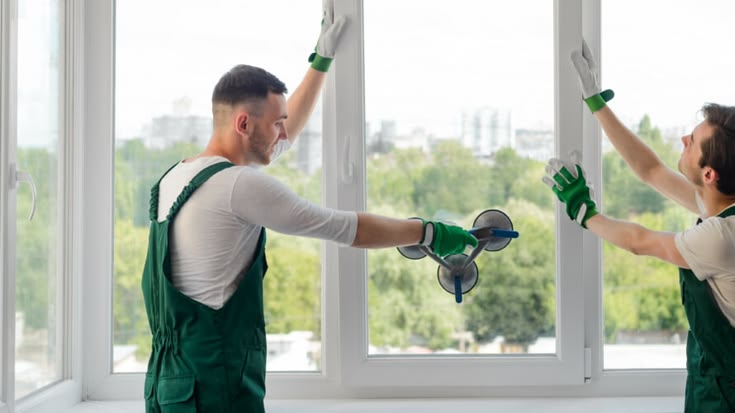
A Kelowna window installer is responsible for how a window performs after installation, not just how it looks on day one. Because installation controls fit, sealing, and structural support, the installer directly affects long-term efficiency and durability. As a result, the quality of the work matters just as much as the window itself.
A professional installer ensures the window sits level, square, and fully supported. Therefore, the frame must be positioned correctly within the opening to prevent shifting or stress. This step ensures the window operates smoothly over time.
Homes expand and contract with seasonal changes, especially in Canadian climates. For that reason, a Kelowna window installer accounts for movement during installation. This helps the window maintain its seal and alignment through temperature shifts, wind, and rain.
Even high-quality windows will underperform if installed incorrectly. Because of this, homeowners should prioritize installer experience, site preparation, and sealing methods. This approach ensures the window system delivers the performance it was designed for.
A Kelowna window installer must adjust installation methods based on the window system being used. Because each style has different structural and operational demands, the approach to alignment, support, and sealing changes accordingly. As a result, proper technique ensures each window performs as designed.
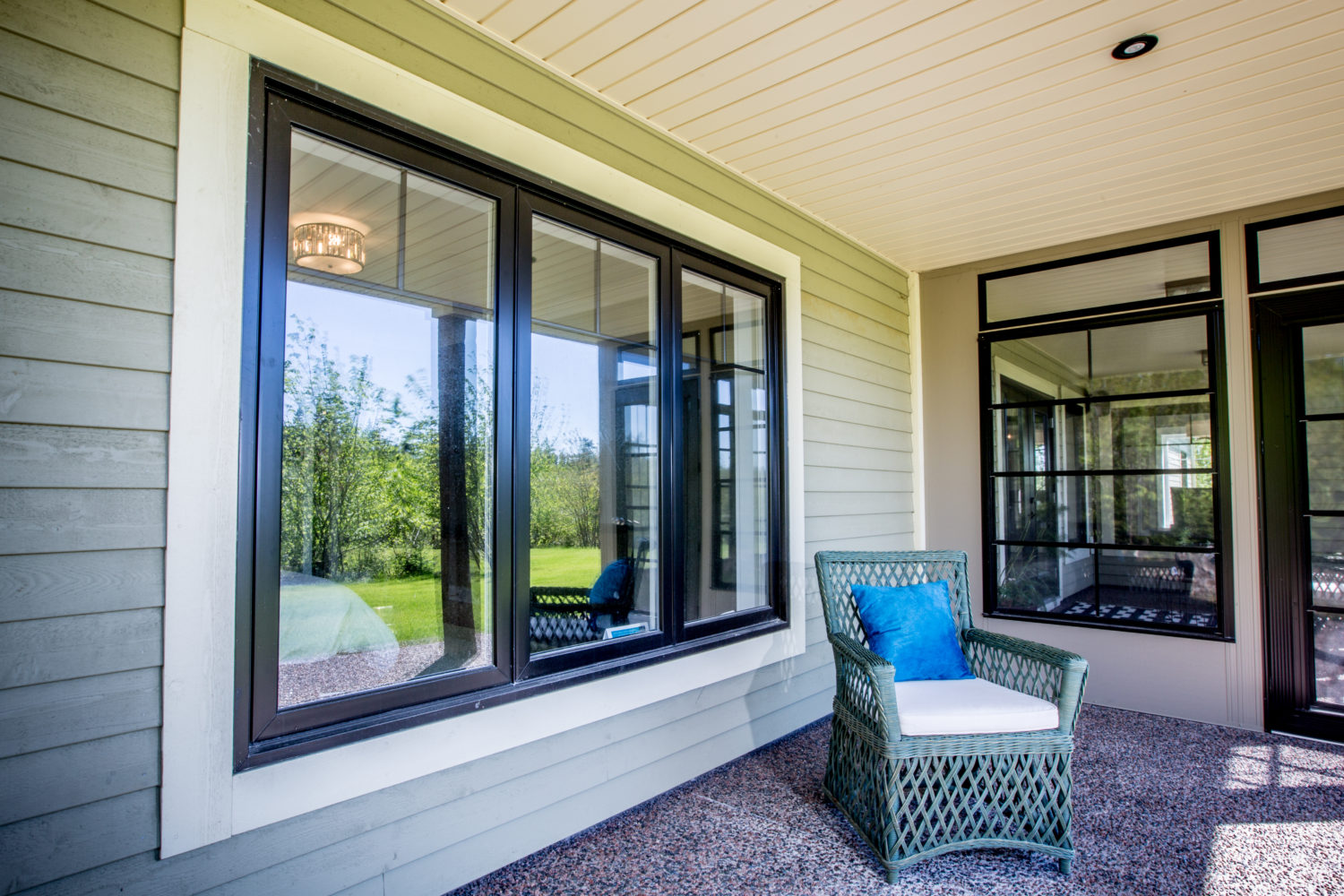
Casement systems rely on tight frame alignment to seal correctly when closed. Therefore, the installer must ensure the frame is perfectly square. Even minor deviations can affect locking pressure and long-term weather resistance.
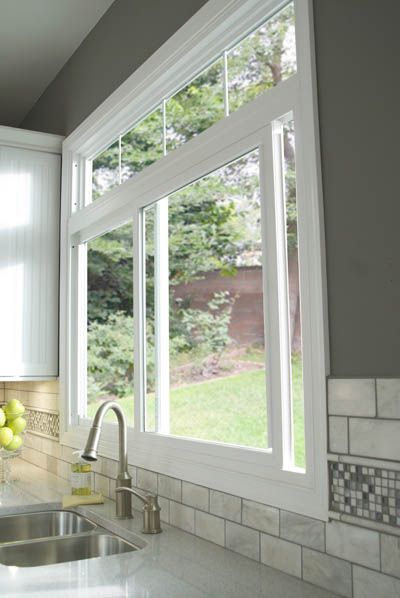
Sliding systems depend on a level base and straight track alignment. Because of this, sill support must be carefully set before securing the frame.
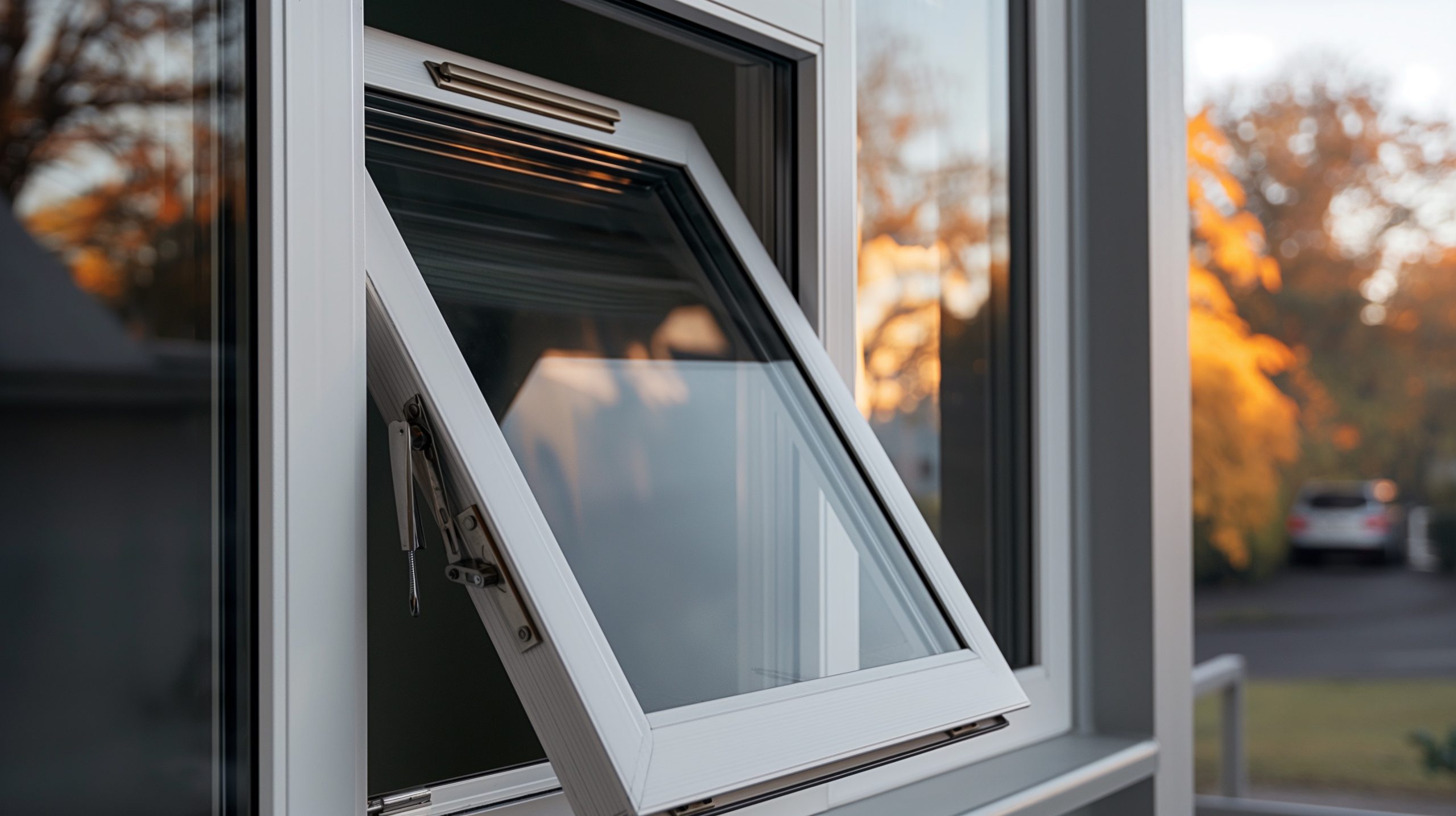
Awning windows require balanced hinge support and consistent closing pressure. For that reason, shimming and fastening must be evenly distributed.
Single hung systems rely on vertical accuracy for proper sash movement. Therefore, the installer must maintain plumb alignment throughout the frame.
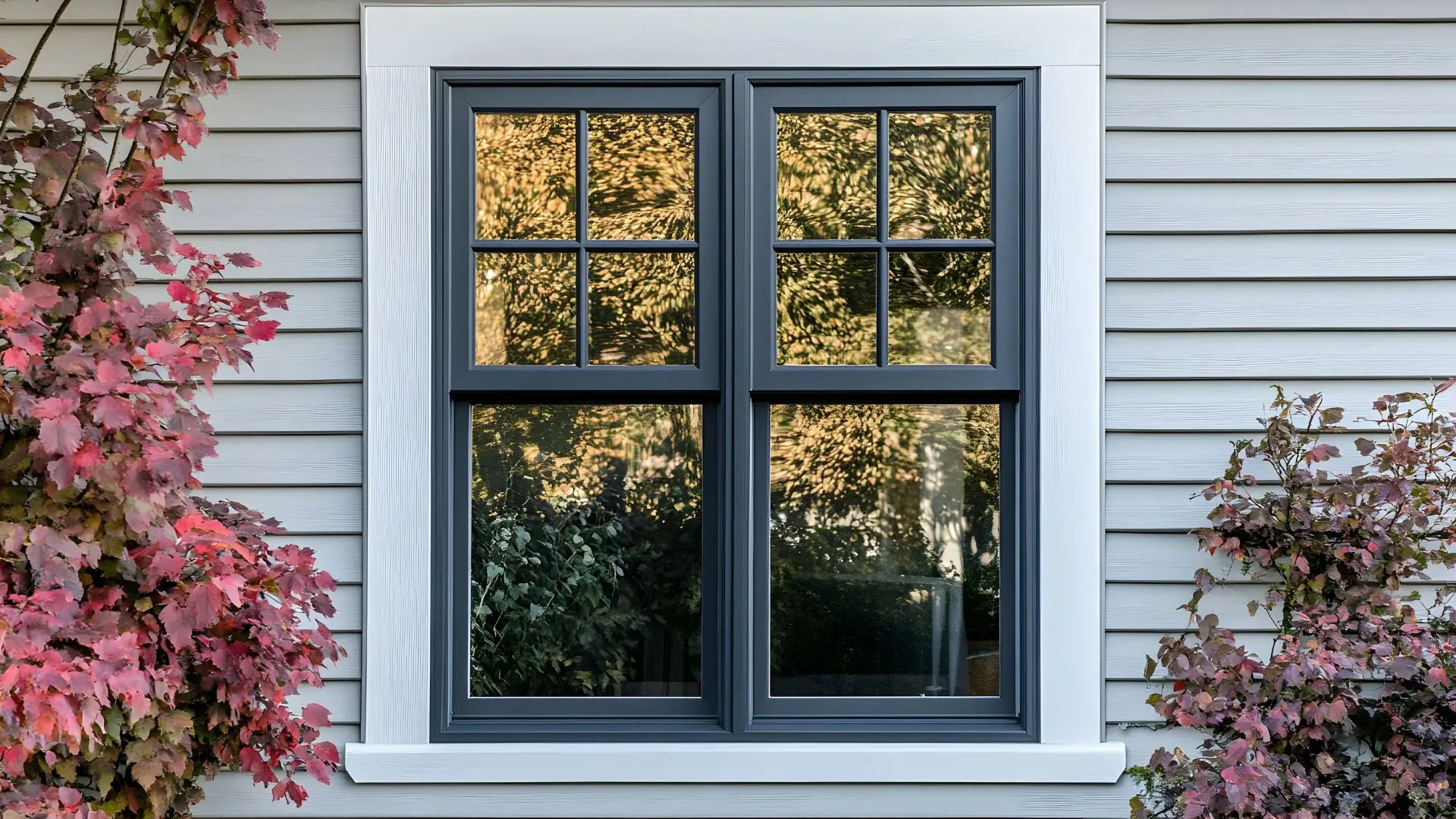
Double hung windows involve two moving sashes, which increases alignment demands. Because of this, both tracks must be evenly positioned.
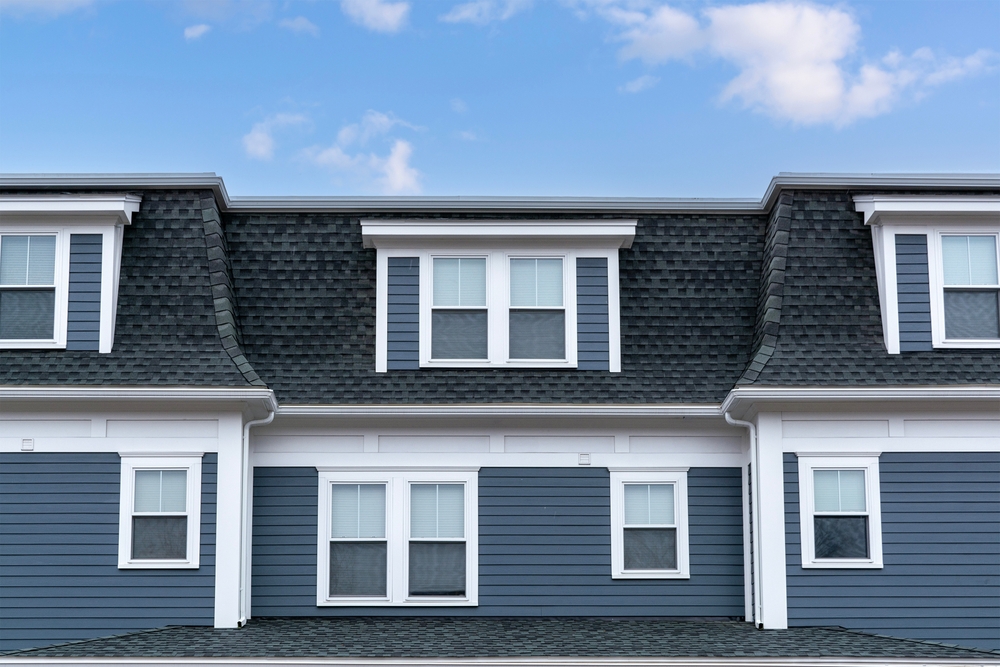
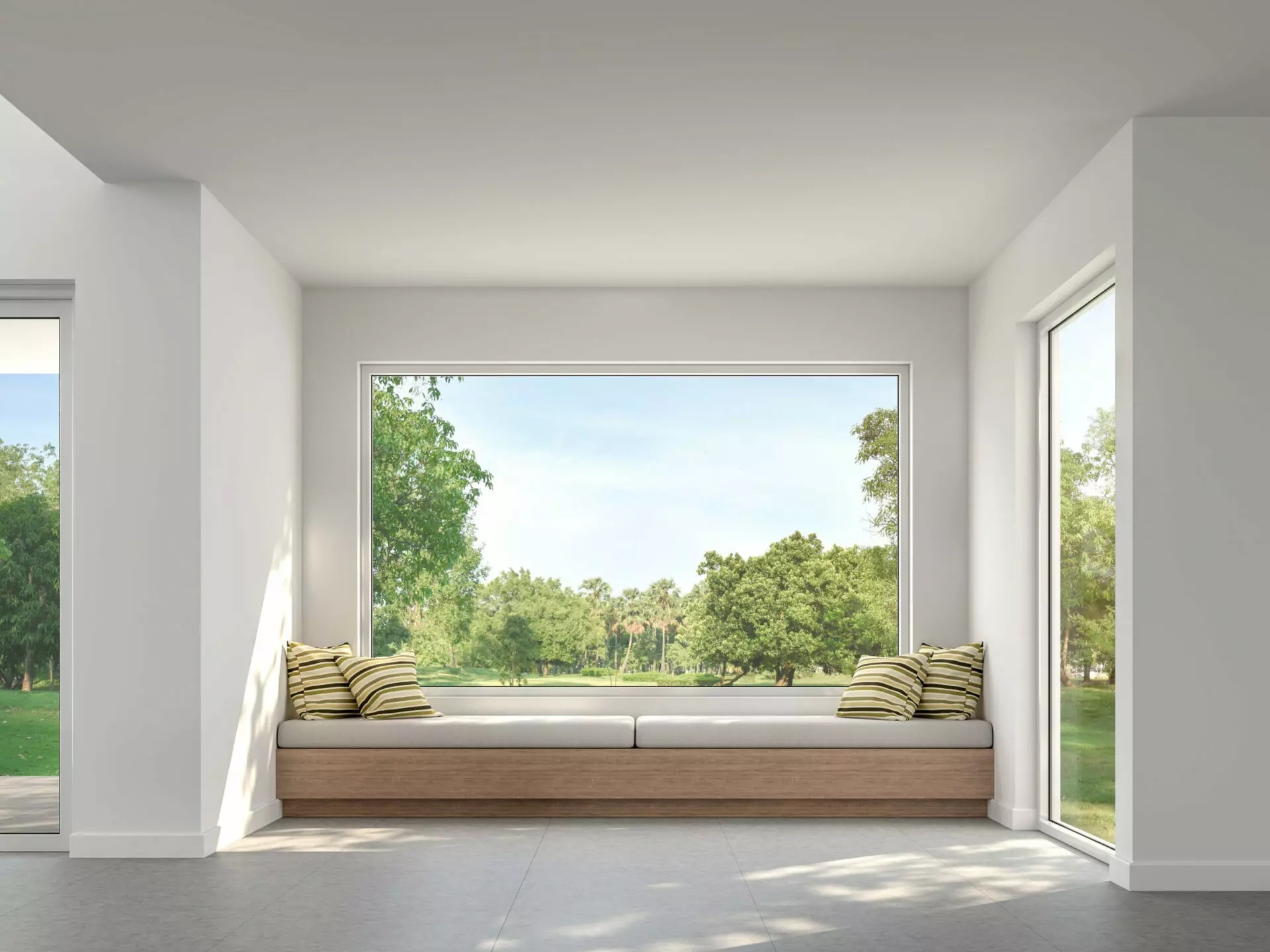
Fixed windows do not open, yet they carry constant glass weight. Therefore, proper frame support and load distribution are critical.
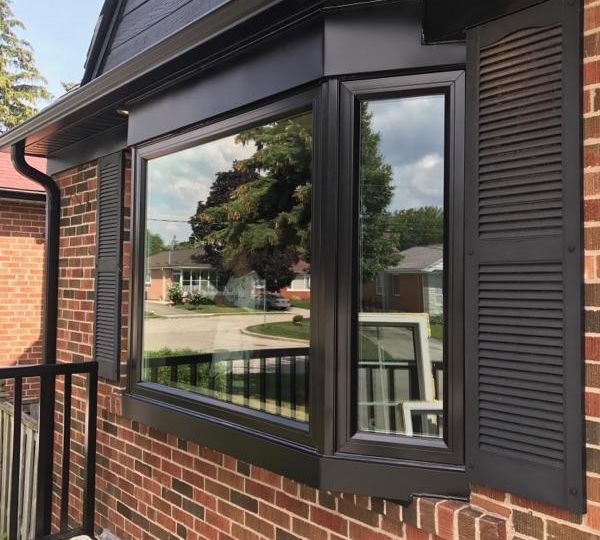
Bay and bow systems extend beyond the wall, which increases structural demands. Because of this, additional support and anchoring are required.
Custom window systems often include unique shapes or sizes. Therefore, measurement and placement must be exact.
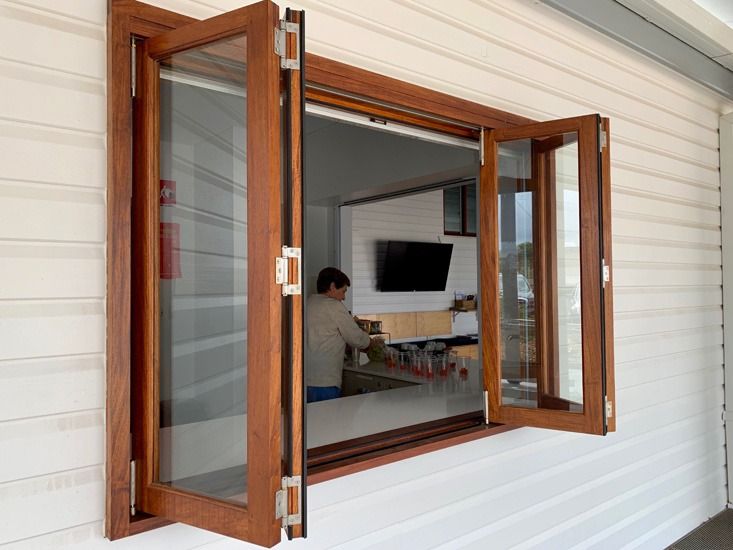
The installer first reviews the condition of the current frame. Therefore, any signs of warping, deterioration, or moisture damage are identified early. If the frame cannot support the new unit, corrections are made before proceeding.
Accurate sizing goes beyond ordering the correct window. Because the opening must be square and consistent, the installer checks the head, sill, and sides carefully. This allows proper shimming and alignment during installation.
Signs of past water intrusion can affect long-term performance. For that reason, areas around the opening are inspected for rot, staining, or weakened materials. Consequently, repairs can be completed before the new window is installed.
The sill plays a key role in both support and water management. Therefore, the installer checks for proper slope and drainage paths. This ensures moisture is directed away from the opening after installation.
In residential settings, many homes present aging openings and inconsistent conditions. Therefore, issues such as drafts, poor sealing, sticking sashes, or moisture around frames must be addressed during installation. As a result, a professional Kelowna window installer ensures accurate measurements, controlled removal, and proper support across each opening. In addition, full-home upgrades require consistency from one window to the next. Because of this, careful alignment and sealing are maintained throughout the project. This approach improves overall comfort and long-term efficiency across the home.
Commercial installations involve larger units and heavier glass systems. Consequently, the demands on anchoring, frame stability, and sealing increase significantly. For that reason, a Kelowna window installer must apply more precise methods to ensure proper structural support. Moreover, commercial spaces experience more frequent use and greater exposure to environmental conditions. Therefore, installation must support durability and consistent operation over time. This ensures the window system performs reliably under daily commercial demands.
A Kelowna window installer works with the full window system, not just the frame itself. Because glass weight, material movement, and sealing points all interact, each detail must be handled correctly during installation. As a result, proper execution ensures long-term performance, stability, and comfort.
Insulated glass units add significant weight to the window assembly. Therefore, proper support at the sill and frame corners is required during installation.
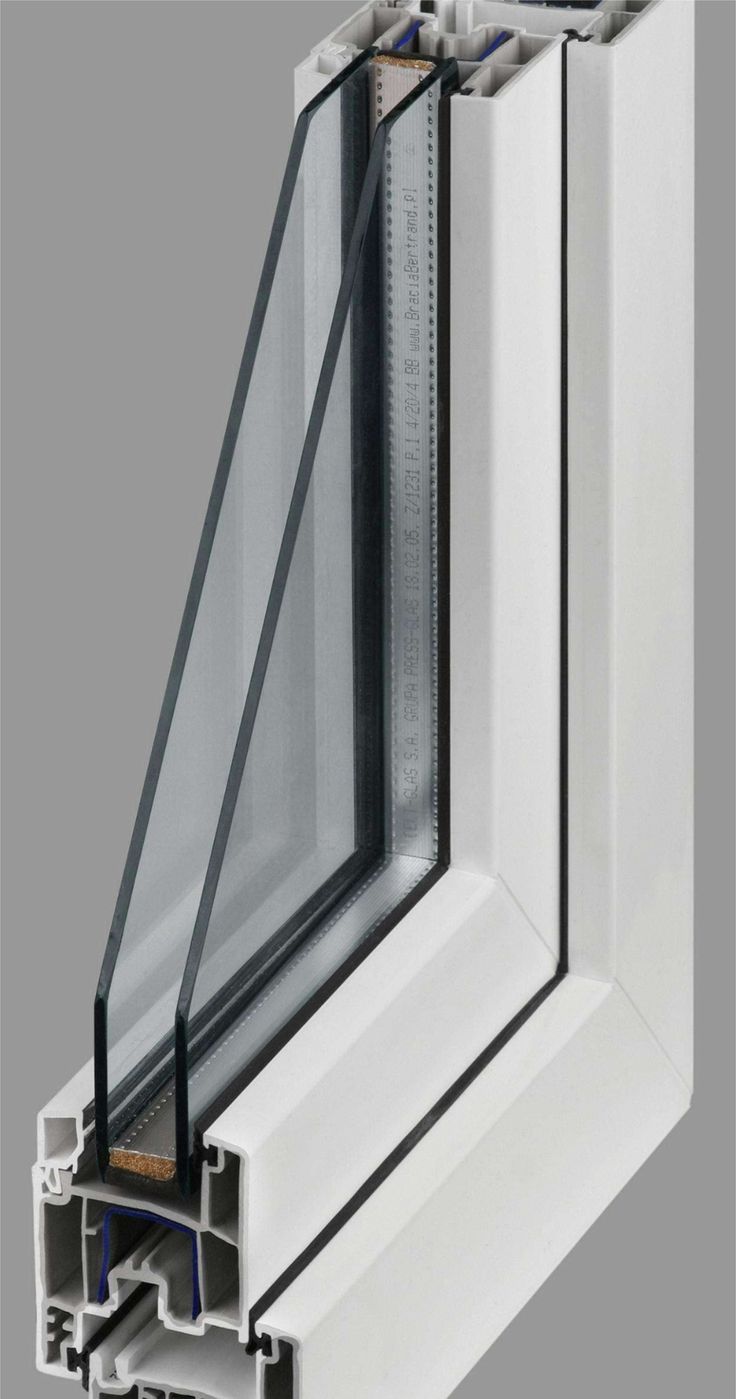
Different frame materials expand and contract with temperature changes. Because of this, the installer must allow controlled movement within the opening.
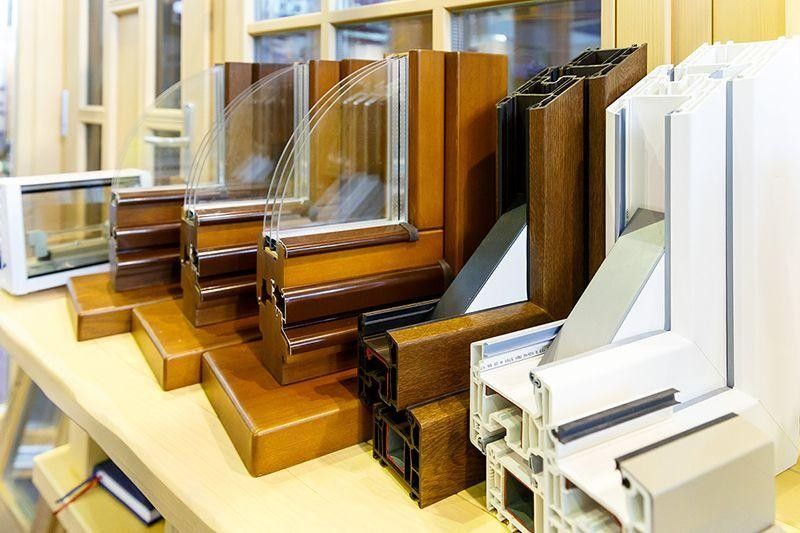
Many modern frames include thermal breaks designed to reduce heat transfer. Consequently, correct positioning the opening is essential.
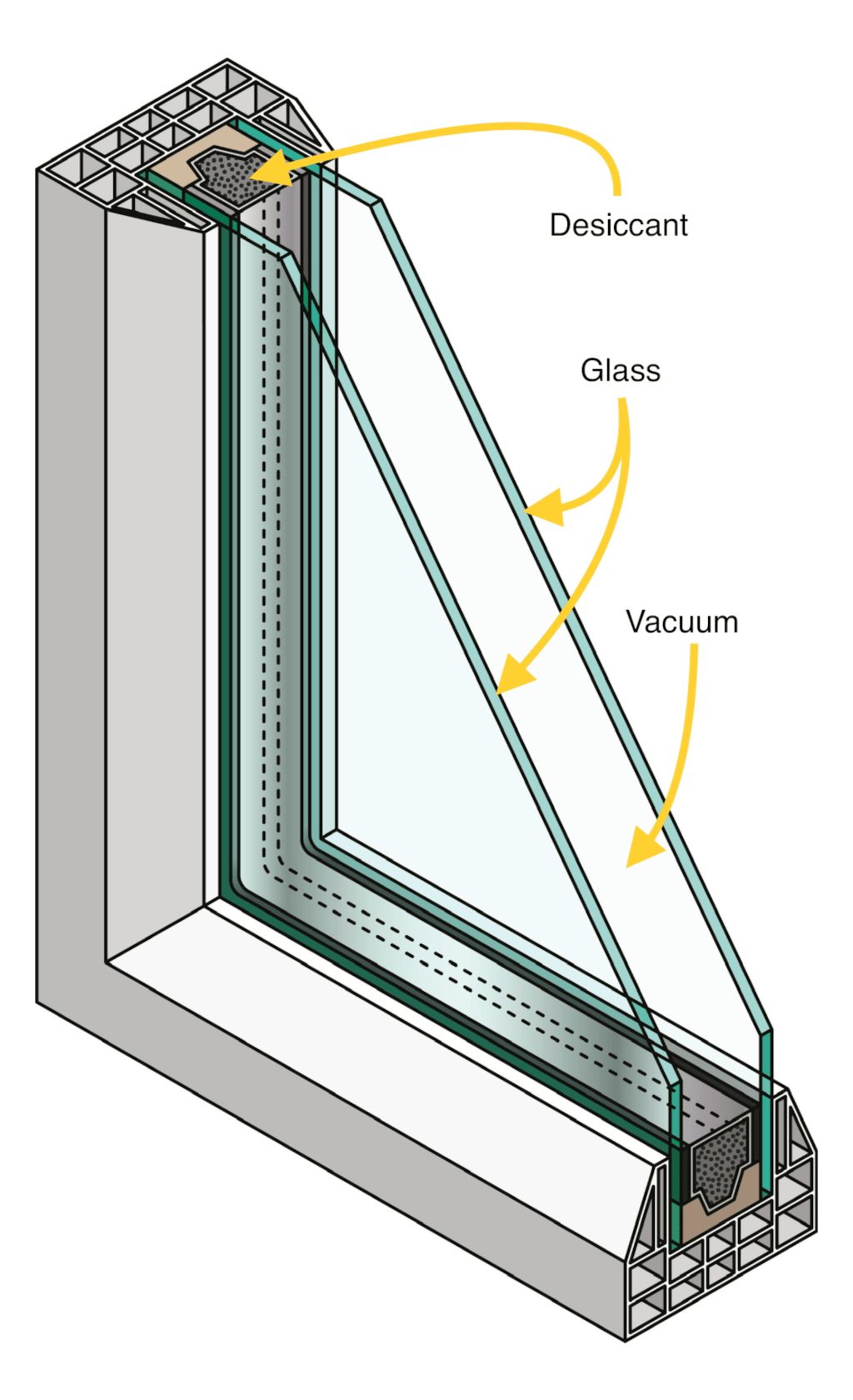
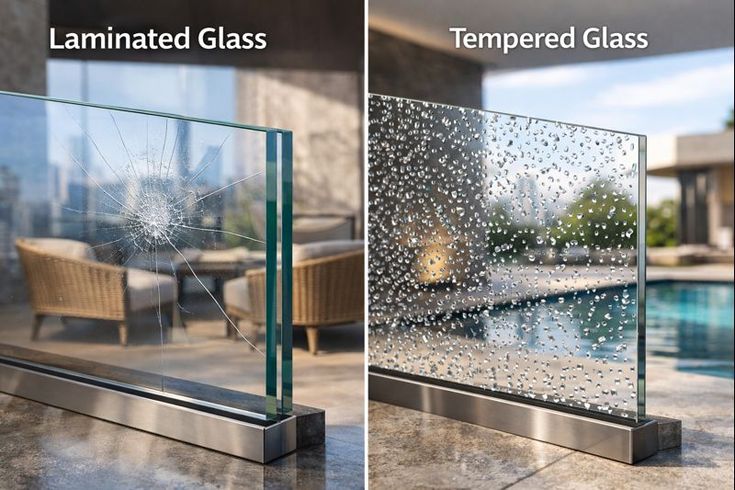
Certain locations require safety-rated glass based on building codes. For that reason, a Kelowna window installer must understand where tempered or laminated glass is necessary.
Larger windows place more load on the sill and anchoring points. Therefore, installation requires careful shimming and fastening to maintain stability.
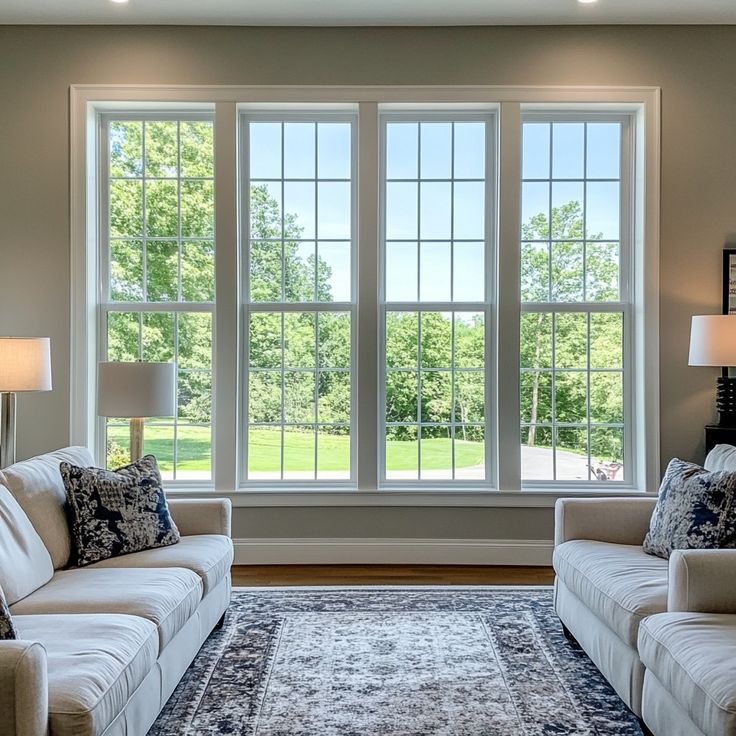
A window performs correctly only when the sash closes evenly against its seals. Because of this, alignment must be maintained from initial placement through final adjustment.
A Kelowna window installer has a direct impact on how well your windows perform after installation. Because even high-quality products rely on proper fitting and sealing, the installer becomes a key part of the final result. As a result, installation quality should be considered just as important as the window itself.
Proper installation starts with precise measurements taken before ordering. Therefore, the installer ensures the unit matches the opening without forcing adjustments later. This prevents gaps, poor fit, and unnecessary on-site modifications.
Shimming controls how the window sits within the opening. Because of this, it affects frame shape, load distribution, and sash alignment. When done correctly, the window operates smoothly and maintains its seal over time.
A Kelowna window installer must secure the unit without altering its shape. Therefore, fastening points and pressure are carefully controlled. This ensures the frame stays straight while remaining firmly anchored.
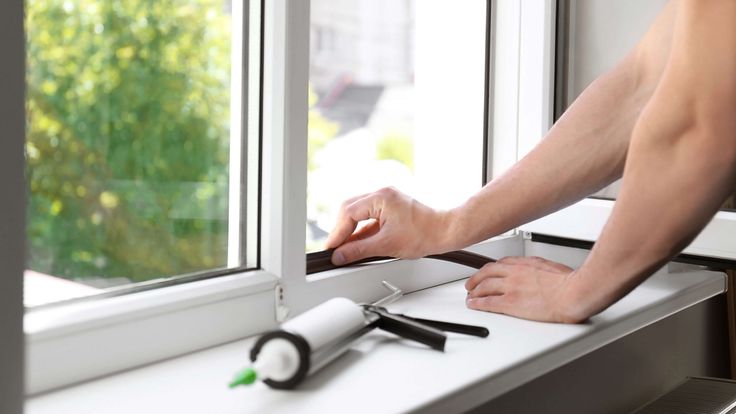
Sealing around the frame plays a major role in energy efficiency. As a result, insulation and sealants are applied to eliminate air leakage. This step supports better temperature control and indoor comfort.
Water must be directed away from the window opening. For that reason, flashing is installed to guide moisture outward. This reduces the risk of leaks and protects the surrounding structure.
A properly installed window should function without resistance. Therefore, alignment and adjustments are completed to ensure easy opening, closing, and locking. This reflects the quality of the installation work.
Poor installation often leads to problems such as drafts, leaks, or sticking frames. Consequently, choosing a skilled installer reduces the need for future service calls. This saves time and long-term costs.
Local weather places ongoing stress on window systems. Because of this, proper installation must account for wind, moisture, and temperature changes. A qualified Kelowna window installer ensures the window performs consistently in real conditions.
Choosing a Kelowna window installer requires more than comparing prices or product options. Because installation quality determines long-term performance, homeowners should focus on how the work will actually be done. As a result, the right decision helps avoid future issues with sealing, operation, and durability.
Lower quotes often reduce time spent on preparation and finishing. Therefore, important steps like proper sealing or correction work may be overlooked. This can lead to higher repair costs later despite the initial savings.
Every opening presents different conditions depending on age and exposure. Because of this, a qualified installer will inspect for moisture damage, structural issues, or uneven framing. This ensures the installation plan matches the actual condition of the home.
Even high-end windows will not perform properly without correct installation. Therefore, support, alignment, and sealing must be handled carefully. This ensures the product delivers its intended performance.
Waterproofing and air sealing are critical parts of installation. For that reason, homeowners should understand how the installer plans to handle these details. Proper methods reduce the risk of leaks and long-term damage.
Existing homes require different techniques than new construction. Because of this, a Kelowna window installer should have experience with removal, adjustment, and fitting within older openings. This ensures accurate installation in real-world conditions.
A Kelowna window installer follows a structured on-site process to ensure accuracy, stability, and proper sealing. Because each step builds on the previous one, a controlled sequence prevents errors and supports long-term performance.
The installer begins by confirming measurements and reviewing the work area. At this stage, the opening condition is checked before any removal starts. As a result, the installation plan reflects actual site conditions.
The old window is removed with attention to surrounding materials. Therefore, walls, trim, and finishes remain as intact as possible. This allows for a cleaner transition to the next stage.
Once the opening is exposed, the installer checks for hidden issues. For example, moisture damage, uneven framing, or structural wear may be present. Consequently, adjustments can be planned before installing the new unit.
Minor issues at the sill, jamb, or head are addressed before placement. Because of this, the new window is not forced into an uneven opening. This step ensures a stable base for installation.
The new unit is positioned, centred, and levelled the opening. Shims are applied to maintain proper alignment and frame shape. As a result, the window operates correctly once secured.
The perimeter is sealed to control airflow and moisture. In addition, flashing directs water away from the opening. Therefore, this stage supports energy efficiency and weather protection.
The installer completes hardware adjustments and checks operation. Because of this, the sash moves smoothly and locks properly. The project finishes with a fully functional window ready for daily use.
A Kelowna window installer must deliver accurate fitting, proper sealing, and consistent on-site execution across different project types. Because each building presents unique conditions, installation methods are adjusted to match the opening, window system, and long-term performance requirements. As a result, both residential and commercial projects receive installation that supports durability and efficiency.
In residential projects, older openings often require more careful handling. Therefore, the installer focuses on precise measurement, controlled removal, and improved perimeter sealing. This approach helps correct common issues such as drafts, poor fit, and inconsistent operation.
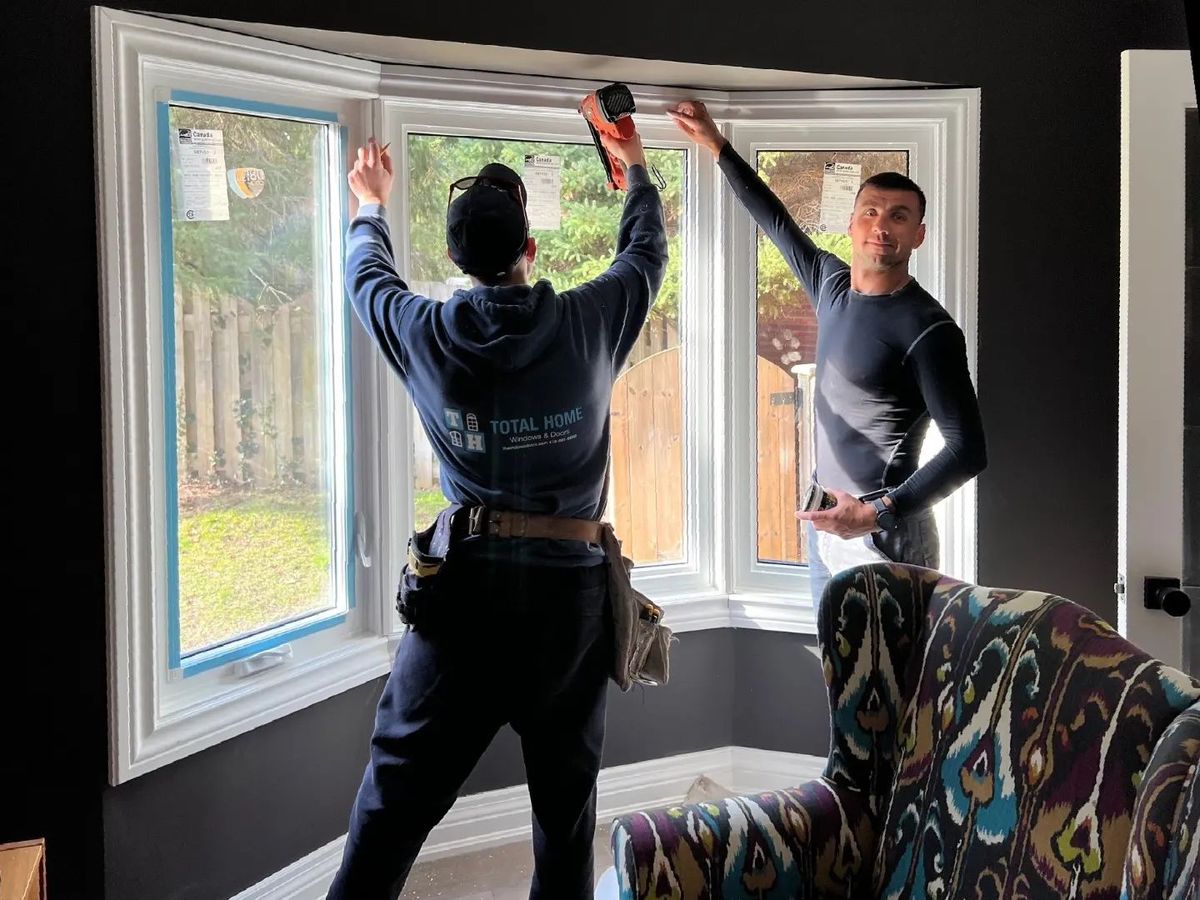
Commercial installations involve larger openings and higher performance demands. Because of this, the installer must pay closer attention to structural anchoring and frame stability. This ensures the window can handle heavier glazing and frequent daily use.
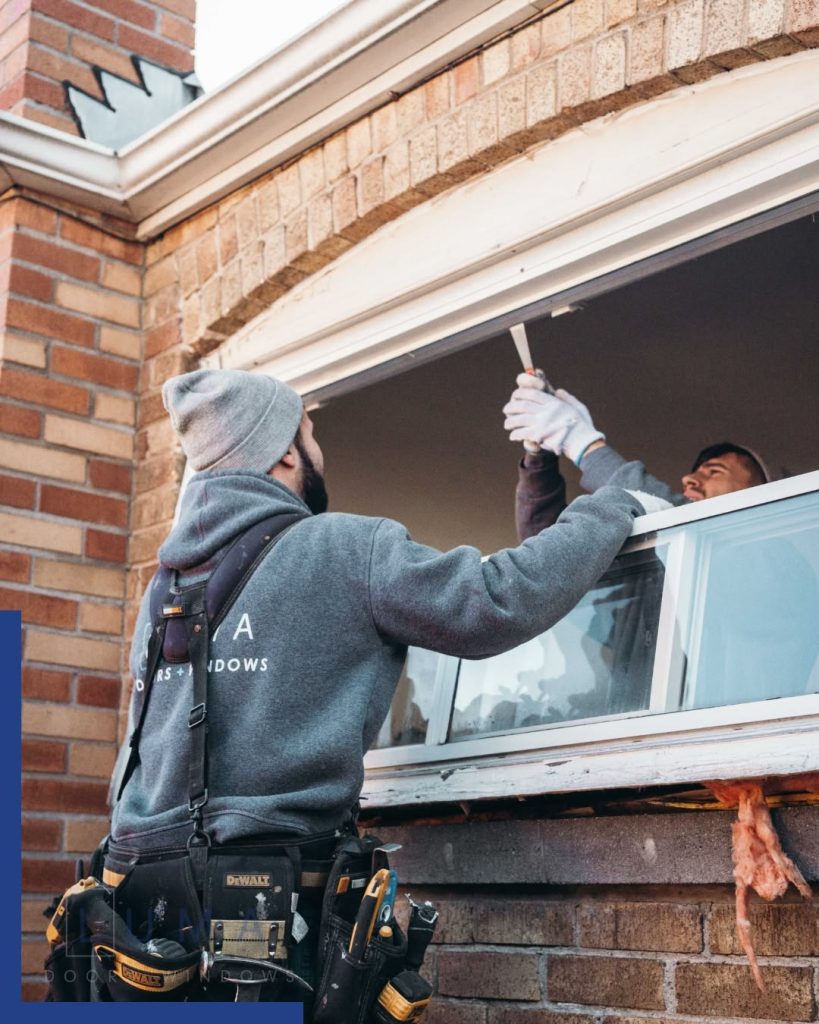
Some projects involve unique sizes or irregular openings that require adjustments on site. For that reason, a Kelowna window installer must adapt placement and support methods during installation. This ensures the window fits correctly without compromising performance.
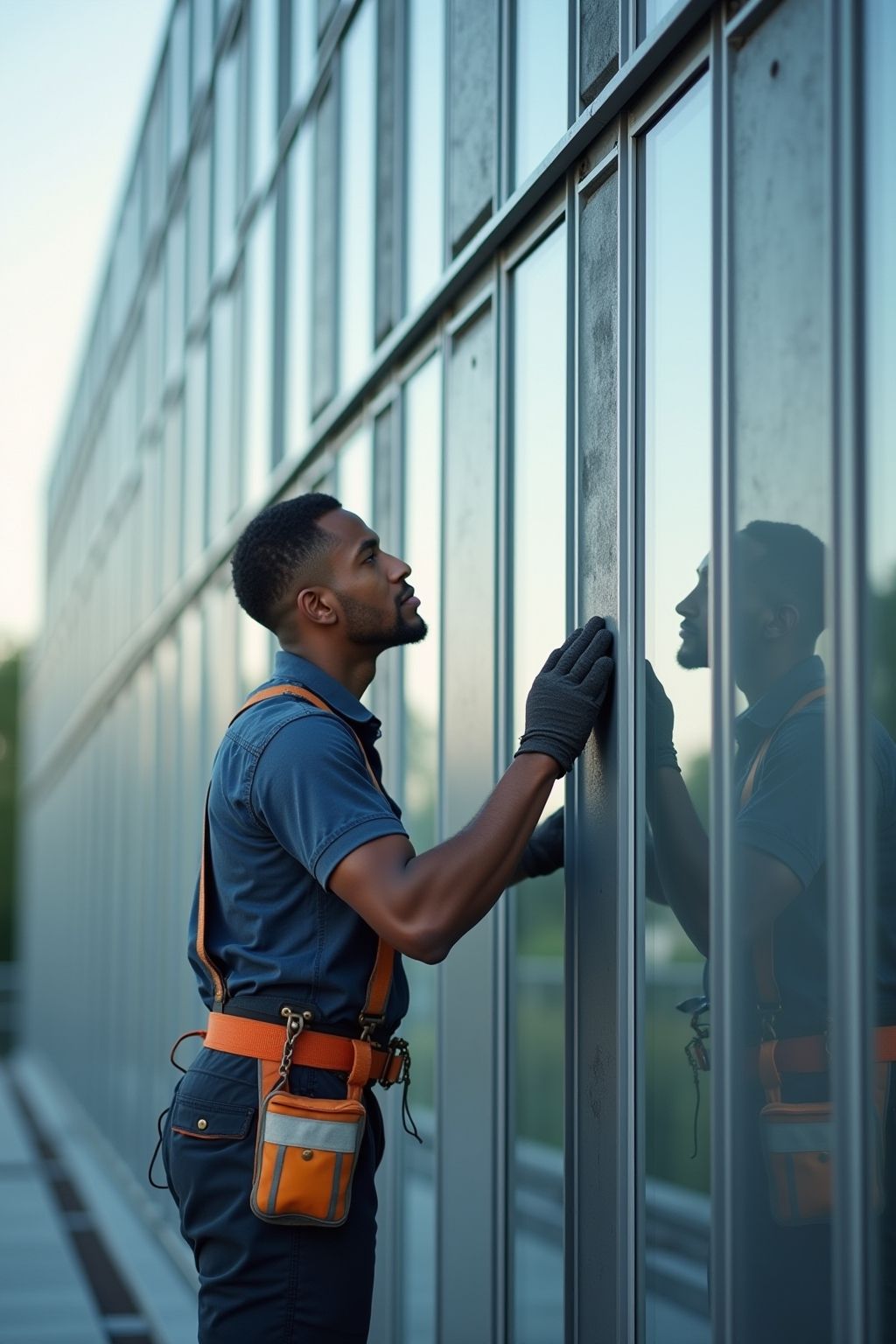
A professional window installer has to do more than fit the unit into the wall. The work also has to respect safety, moisture control, and performance requirements that affect how the opening behaves after installation. Therefore, code-aware installation helps protect the homeowner from avoidable performance problems later.
The NBC influences safety glazing, egress, and how certain residential openings are allowed to function. As a result, the installer needs to understand how the window location affects fitting and final use.
The NECB supports stronger sealing, better thermal control, and more dependable envelope performance. For that reason, installation quality directly affects how well the opening performs after the window is in place.
CSA-certified windows are tested for air leakage, water resistance, and operation. Consequently, the installer must fit and support the unit in a way that preserves that tested performance on site.
Fenestration Canada reflects current technical guidance and accepted installation practice in the trade. Therefore, installation work should align with recognized Canadian methods rather than improvised field decisions.
Provincial code requirements can affect glazing safety, moisture control, and opening performance in residential work. As a result, the installer needs to account for the local requirements that apply to the home.
At Window & Door Solutions, we help homeowners move forward with window projects that depend on more than product choice alone. Whether the job involves one difficult opening or a larger residential upgrade, the right window installer can make the difference between a window that only looks new and one that actually performs properly in Canada.
If you need a window installer who understands measurement, fitting, sealing, flashing, and field detail the right way, contact Window & Door Solutions today. Get a Free Estimate or Contact Us Today to discuss your project and get the opening handled with the care it requires.