

Get Your Quote within 24 Hours
Kelowna Triple-Pane Windows use three panes of glass to create two insulating cavities within the glazing unit. For homeowners comparing higher-performance windows, that additional glazing layer can support lower heat transfer and warmer interior glass temperatures when it is combined with an appropriate frame, spacer system, Low-E coatings and gas fills.
Triple-pane construction does not automatically make every window the best choice for every opening. Whole-window U-factor, solar heat gain, frame design, glass coatings, orientation, window size and installation all affect actual performance. Therefore, the complete tested window should be compared rather than relying on pane count alone.
Kelowna Window & Door Solutions helps homeowners, builders and renovators compare Kelowna Triple-Pane Windows with other residential glazing options. We review the home’s performance goals, opening sizes, orientation, frame material, glass specifications and budget so triple-pane glazing is used where its benefits make sense for the project.
Triple-pane glazing can be incorporated into several residential window materials and operating styles. Product availability and performance vary, so the frame and glazing package should be evaluated together.
Vinyl window systems can be designed to accept triple-pane insulating glass while providing multi-chambered frame construction. Glass thickness, spacer design, sash reinforcement and the specific product line influence the finished window’s performance and size limitations.

Fiberglass frames can provide a stable platform for higher-performance glazing packages. When triple-pane glass is available, compare the complete window rating and configuration rather than assuming the frame material alone determines thermal performance.

Aluminum-clad systems can combine a protected exterior finish with wood or another interior construction. Triple-pane availability depends on the product series, while frame design and thermal breaks or interior materials remain important parts of whole-window performance.

Casement and awning windows use compression-style seals when closed, which can support strong air-sealing performance in suitable products. Triple-pane glazing adds weight to the sash, so hardware and size limits should be confirmed for the selected system.

Fixed windows can accommodate large glass areas without operable hardware. For view-focused openings, triple-pane glass should be assessed for unit dimensions, glass weight, solar exposure, structural requirements and whole-window performance.

Sliding windows may also be available with triple-pane glazing. Because sash construction and weatherseals differ from compression-style windows, compare the documented performance of the exact sliding configuration being considered.

Large or custom openings can place greater loads on glass, frames and installation conditions. Triple-pane units are heavier than comparable double-pane units, so maximum sizes and handling requirements should be confirmed before large-format products are specified.

A whole-home project does not necessarily need identical glass on every elevation. Triple-pane units can be evaluated alongside orientation-specific Low-E coatings and other glazing choices so each opening contributes appropriately to the home’s performance strategy.

Sightlines affect how heavy or elegant a window appears. Better proportion, balanced mullions, and controlled frame thickness can make large glass areas look intentional instead of bulky.
Frame material affects appearance, strength, thermal behaviour, maintenance, and durability. Luxury projects often need materials that can support larger openings, cleaner profiles, and long-term stability.
A premium glass package can include double or triple glazing, Low-E coatings, gas fills, laminated glass, and warm-edge spacers. These choices affect comfort, sound, heat transfer, and light quality.
Hardware should feel smooth, secure, and durable. Better locks, hinges, operators, handles, and multi-point systems improve daily use and help the window maintain proper alignment over time.
Custom homes need windows that match exact proportions, design lines, and performance goals. Therefore, the window package should be planned alongside the architecture, not chosen after the main design is complete.
Great rooms, offices, stairwells, primary suites, and dining areas often rely on windows as a major design element. In these spaces, glass size, frame profile, and comfort control become essential.
Kelowna Triple-Pane Windows should be compared using whole-window performance data whenever possible. Pane count is only one part of the assembly; coatings, cavity fills, spacers, frame design, operability and installation conditions can materially change the finished result.
U-factor describes heat transfer through the complete rated window, including glass, frame and spacer effects. A lower U-factor indicates lower heat transfer under the rating method, making it more useful for product comparison than simply counting panes.

Higher-performing glazing can help maintain a warmer interior glass surface during cold weather, which may improve comfort near windows. Actual surface temperatures depend on indoor and outdoor conditions as well as the complete window design.

Solar heat gain coefficient describes how much solar energy enters through the window. The appropriate value depends on orientation, shading, glazing area and design goals, so triple-pane windows should not all be specified with the same coating strategy by default.

Low-emissivity coatings and insulating gas fills can influence thermal and solar performance. Their placement and specification vary by insulating-glass design, which is why manufacturer data for the proposed glazing package should be reviewed.

Warmer interior glass and frame surfaces can reduce the likelihood of interior condensation under some conditions, but indoor humidity, exterior temperature and installation details still matter. Triple-pane glazing does not eliminate condensation risk in every situation.

Adding a third pane increases insulating-glass weight. On larger operable windows, that can affect hardware, sash dimensions and manufacturer limits, so size and operating requirements should be checked before final selection.

Kelowna Triple-Pane Windows are most useful when their glazing construction supports a defined performance objective. They can provide another option for projects focused on thermal performance and interior comfort, but the benefit should be evaluated against the exact window, opening and project priorities.
Luxury windows improve visual balance by controlling frame thickness, glass size, mullion placement, and sightline consistency. This matters when one poorly scaled opening can weaken the entire elevation.
Premium window planning brings in more natural light while managing glare and solar heat gain. Therefore, bright rooms can stay more comfortable, especially on south- and west-facing elevations.
Refined profiles and stronger frame systems allow larger glass areas with less visual interruption. As a result, the view feels wider and the architecture feels lighter.
Advanced glazing, insulated frames, lower air leakage, and proper perimeter sealing help reduce cold glass, drafts, and uneven room temperatures in large, open spaces.
High-end homes often need exact proportions instead of stock sizes. Luxury windows allow better control over height, width, shape, grid layout, operating style, and glass-to-frame balance.
Large windows need to manage glass weight, wind pressure, movement, and long-term use. Better materials and construction help the window stay stable and functional.
Premium exterior finishes can better handle sun, rain, wind, and temperature changes. This protects the look of highly visible elevations and reduces premature wear.
Luxury window packages can align with doors, siding, roofing, trim, hardware, and interior finishes. This creates a consistent design language instead of a mix of unrelated products.
Kelowna Window & Door Solutions approaches Kelowna Triple-Pane Windows as one part of the complete building-envelope decision. We compare frame systems, glazing packages, U-factor, solar heat gain, window style and opening conditions so homeowners can understand where a triple-pane configuration provides meaningful value.
We compare window systems by material, glass package, frame profile, finish, hardware, and long-term performance. This helps clients make informed choices instead of guessing.
We review architecture, exterior materials, interior style, view lines, and natural light before recommending options. As a result, the window package supports the full design.
We explain thermal performance, sound control, air sealing, water resistance, and large-opening requirements in clear language. Therefore, the final choice feels practical and refined.
High-end homes need better planning and closer coordination. We understand how premium windows interact with openings, finishes, timelines, and design expectations.
We help narrow options without overwhelming the client. Instead of generic recommendations, we guide the choice around the home’s exact needs.
A useful comparison begins with the project’s actual performance goals. We then review window styles, available triple-pane packages, ratings, glass coatings and opening conditions before products are selected.
We start with the home’s style, proportions, rooflines, exterior materials, and design goals. This sets the direction for the window package.
We review the rooms where daylight, privacy, views, and comfort matter most. These spaces often need the most careful window planning.
We compare frame materials, glass packages, operating styles, finish options, and profile designs. This helps match product quality to the project.
We consider thermal comfort, sound control, solar exposure, water resistance, wind exposure, and climate conditions before narrowing options.
We match colors, textures, hardware, trim, and visible frame details with the home’s interior and exterior palette.
We review large openings, custom shapes, structural needs, glass weight, and site conditions before finalizing the direction.
We confirm the product direction, glazing, finish, hardware, opening details, and project scope before the order moves forward.
We support residential triple-pane window projects from initial product comparison through glazing and opening review. The scope can include selected high-priority rooms or a coordinated window package for a renovation or new home.
We help clients compare triple-pane products based on whole-window ratings, frame construction, glass options, orientation and the requirements of each opening.

Triple-pane windows can offer lower heat transfer than comparable double-pane configurations, but the exact difference depends on the products being compared. Whole-window ratings, solar performance, cost, weight and project goals should all be considered.
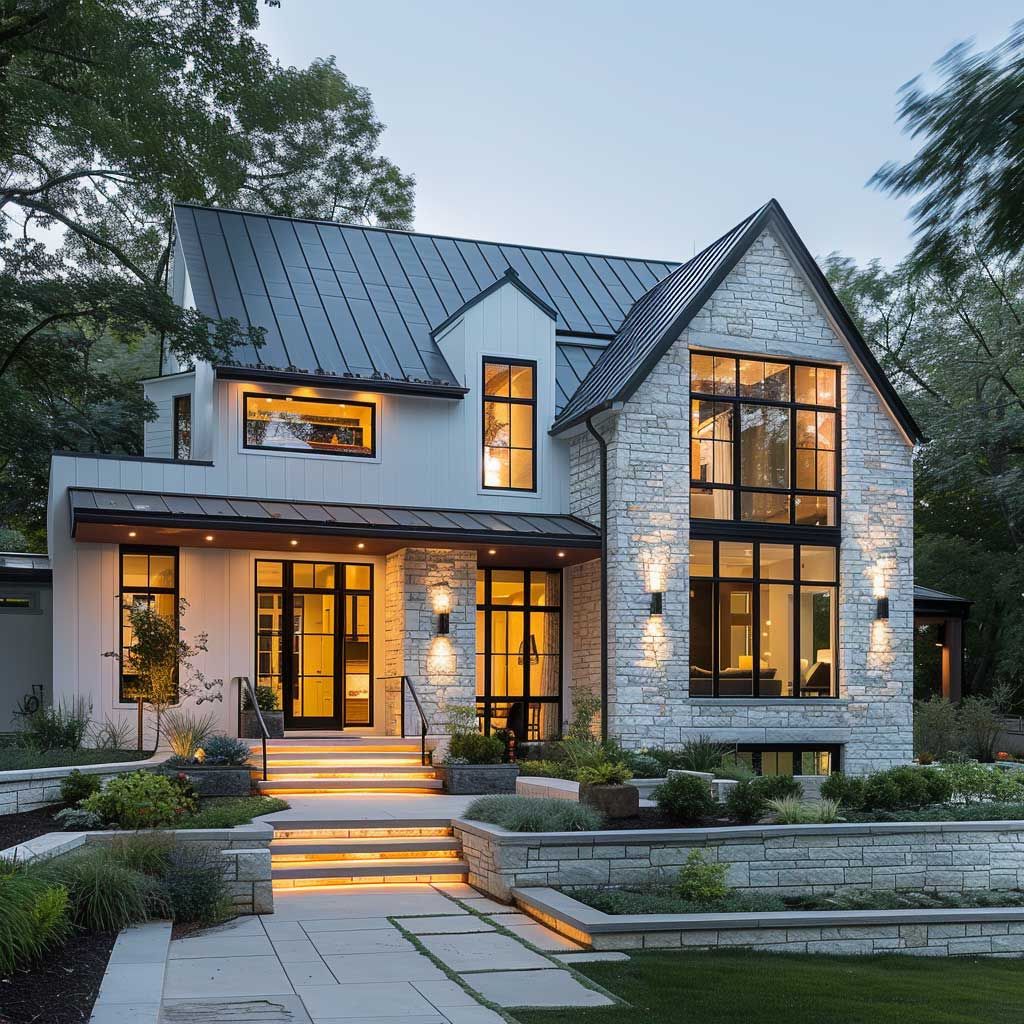
We compare available Low-E coatings, insulating-glass configurations and documented ratings to help determine whether triple-pane glazing supports the intended thermal and comfort objectives.

Energy performance should be evaluated using documented whole-window information rather than pane count alone. For independent Canadian guidance on efficient residential fenestration and ENERGY STAR certification, see Natural Resources Canada’s information for windows, doors and skylights.
The National Building Code of Canada helps guide safety, energy performance, and building envelope design. For luxury homes, this matters when windows are oversized, custom-shaped, or part of large architectural openings.
BC projects must consider rain exposure, wind, safety glazing, and fenestration performance. This is especially important for luxury homes with large view windows, floor-to-ceiling glass, or exposed elevations.
NAFS helps measure window performance for air leakage, water resistance, structural strength, and operation. It gives premium window projects a clearer performance benchmark beyond appearance.
CSA A440.4 supports proper window installation, including shimming, anchoring, flashing, sealing, and drainage. This matters because even premium windows can underperform if installed poorly.
Luxury window selection should include clear performance data such as U-Factor, solar heat gain, visible transmittance, and air leakage. These ratings help balance views, daylight, comfort, and efficiency.
Kelowna Triple-Pane Windows can be a strong option for projects where lower heat transfer and improved interior comfort are priorities, but pane count should never replace a comparison of the complete window.
Kelowna Window & Door Solutions can help homeowners, builders and renovators compare triple-pane and other glazing packages using documented product performance, opening requirements and project goals.
Request a Kelowna Triple-Pane Window Quote to review your openings, preferred window styles and higher-performance glazing options.
