Get Your Quote within 24 Hours
At Window & Door Solutions, sliding windows are chosen by homeowners who want a window style that is straightforward to use, easy to place in everyday rooms, and practical for homes where space, light, and ventilation all matter. Unlike window styles that swing outward or inward, sliding windows operate horizontally within the frame. As a result, they offer a cleaner operating path and a more compact everyday function in many Canadian homes.
Sliding windows also suit homeowners who prefer a more familiar and lower-effort window style. They are commonly used in bedrooms, living areas, basements, and other spaces where reliable airflow and simple operation are more important than a more complex opening system. Therefore, sliding windows remain a strong choice for practical homeowners who want dependable performance, cleaner sightlines, and a style that fits a wide range of room layouts.
Sliding windows come in several formats, and each one suits a different opening size, ventilation need, or design goal. Therefore, homeowners should look beyond the word slider alone and consider how much of the opening needs to move, how wide the window is, and whether the project calls for a standard or more specialized design.
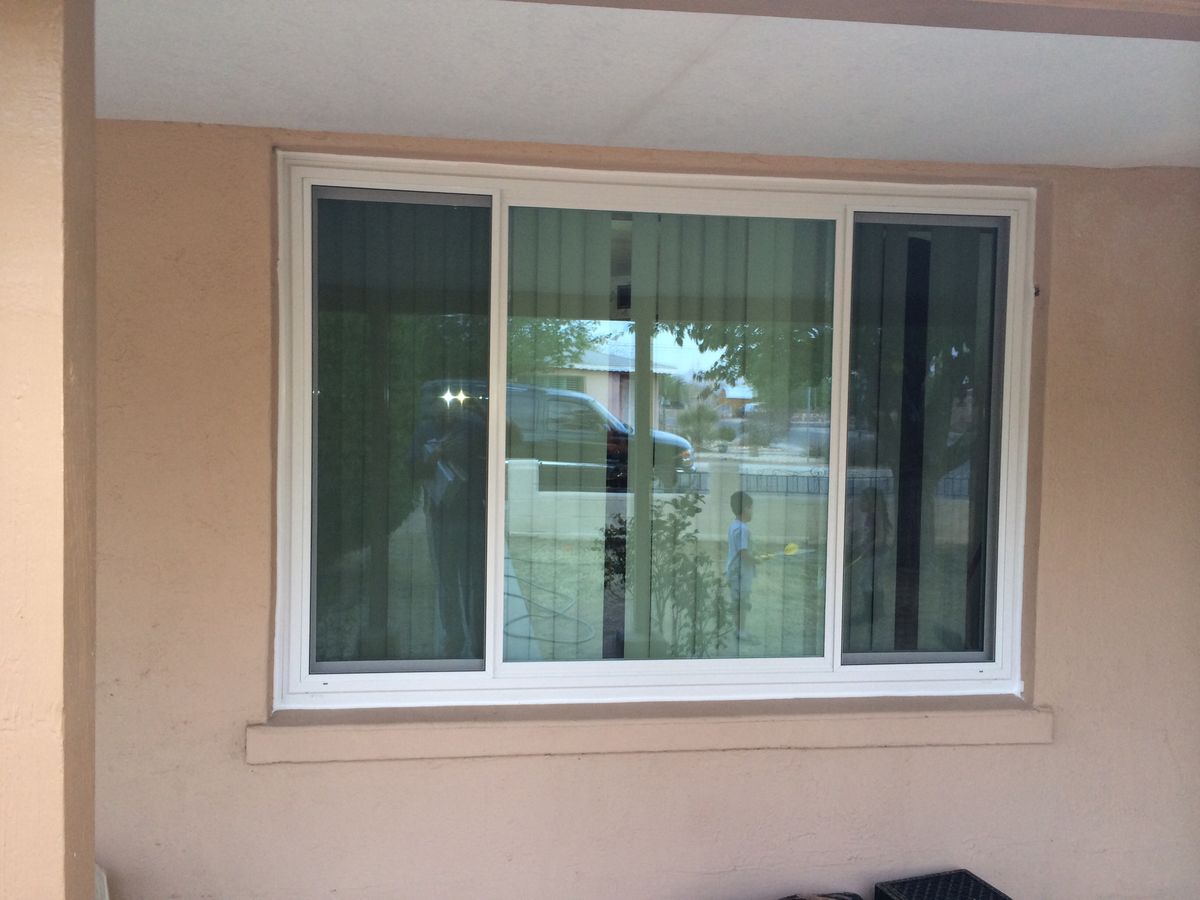
Single slider windows use one moving sash and one fixed sash within the same frame. As a result, they work well in practical residential openings where simple operation and straightforward ventilation are the main priorities.
Double slider windows allow both sashes to slide horizontally. For that reason, they are often chosen where the homeowner wants more flexible ventilation and a more balanced operating window across the full opening.
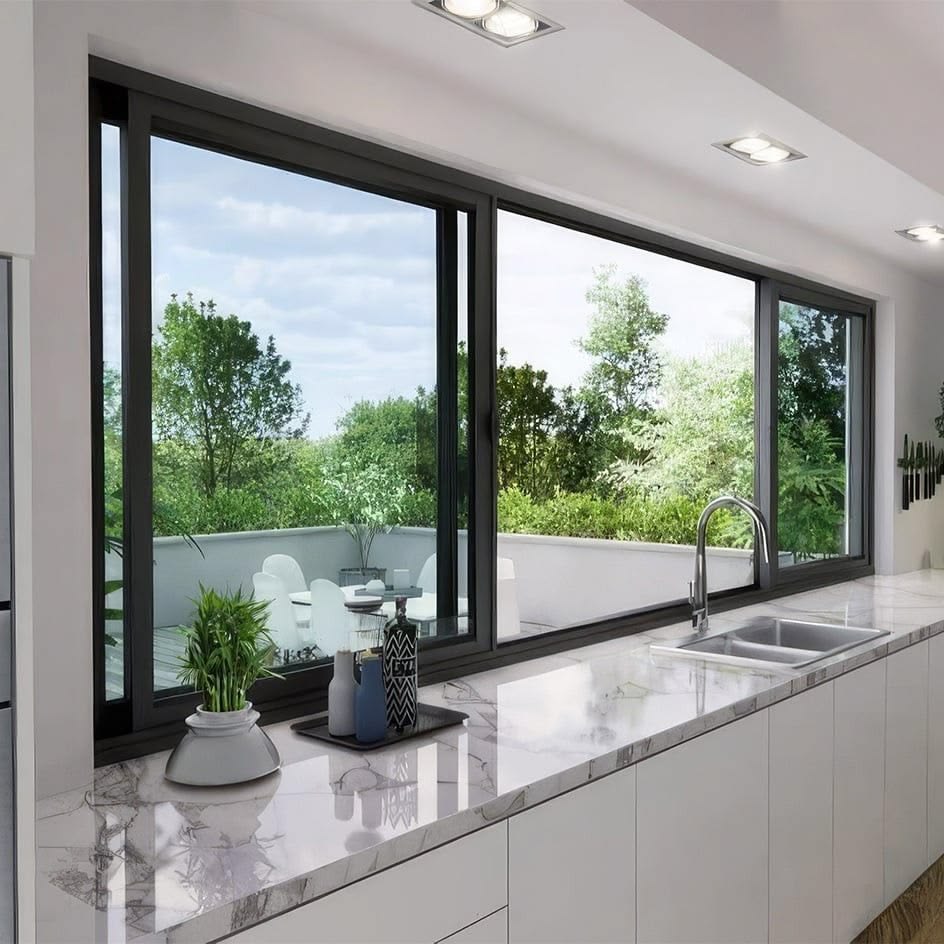
Triple slider windows use a wider three-panel layout, often with a larger center section and operable side panels. Consequently, they suit broader wall openings where more daylight and a wider view are important.
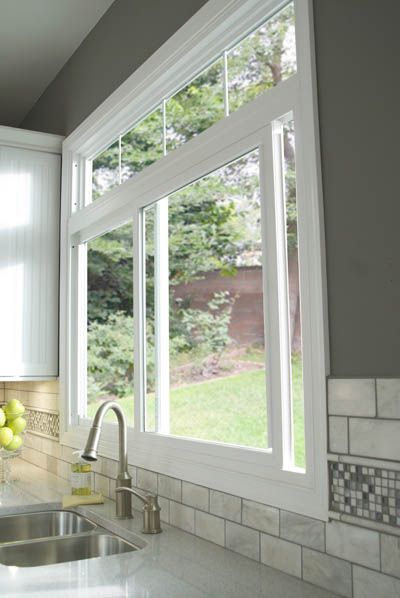
Vertical sliding windows also use a track-based system, but the sash moves up and down instead of side to side. As a result, they suit taller openings where a more traditional sliding format is preferred.
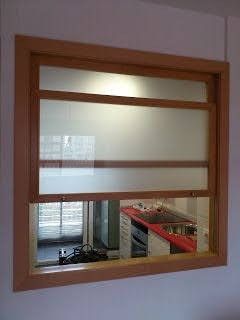
Lift-and-slide windows use a mechanism that slightly raises the sash before it moves. Therefore, they are often selected for larger glazed openings where smoother operation and stronger sealing matter more.
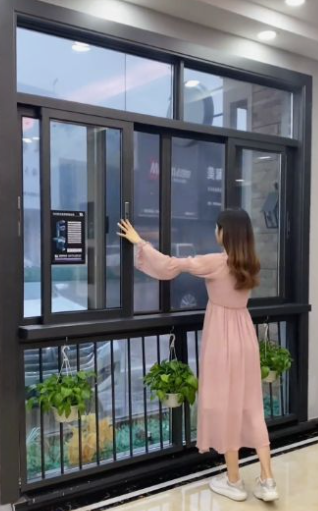
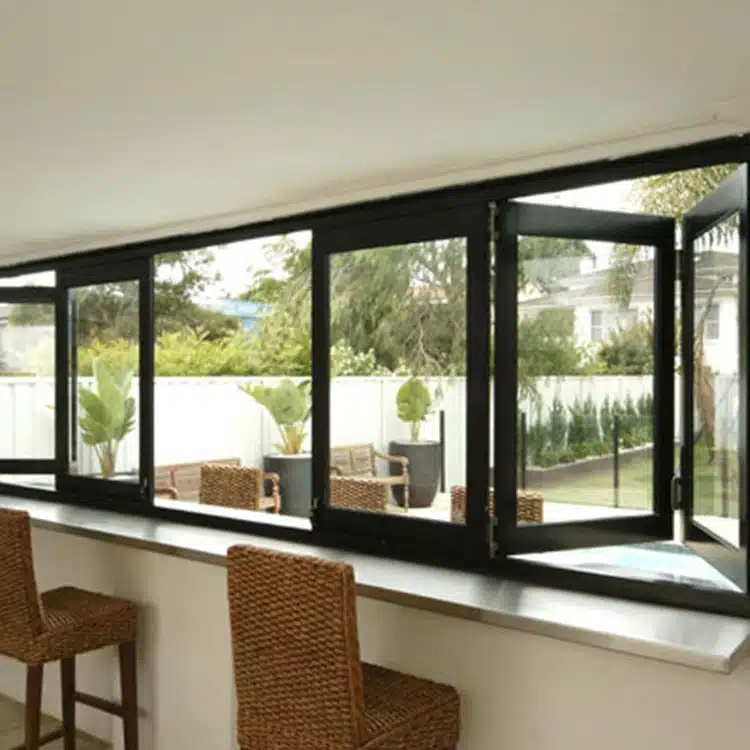
Slide-and-fold windows use multiple panels that move and fold along the track. For that reason, they work well in wider openings where the homeowner wants a larger clear opening than a standard slider can provide.
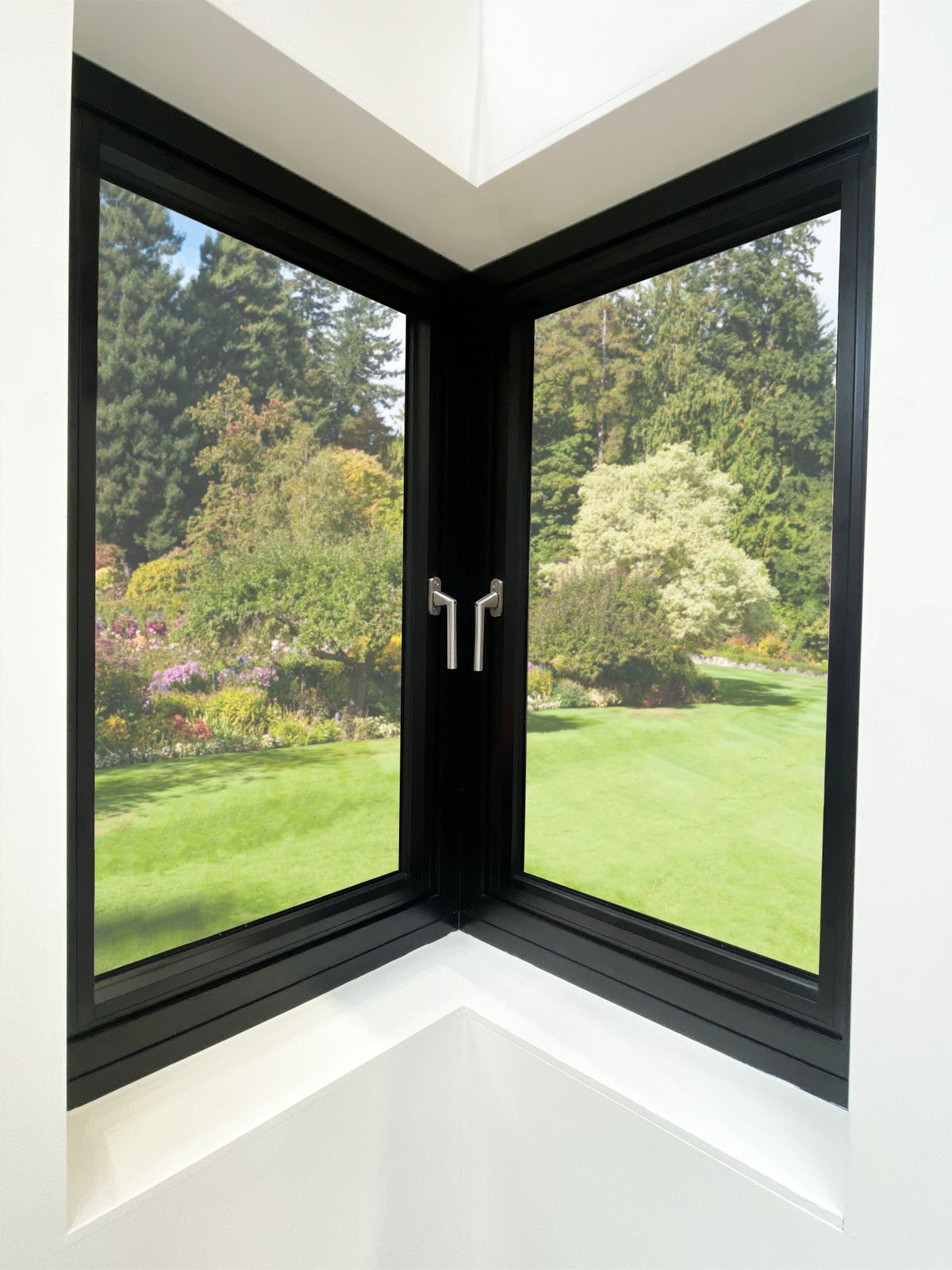
Corner sliding windows are designed for custom openings that meet at a corner. Consequently, they suit homes where wider views, more light, and a more modern look are part of the design goal.
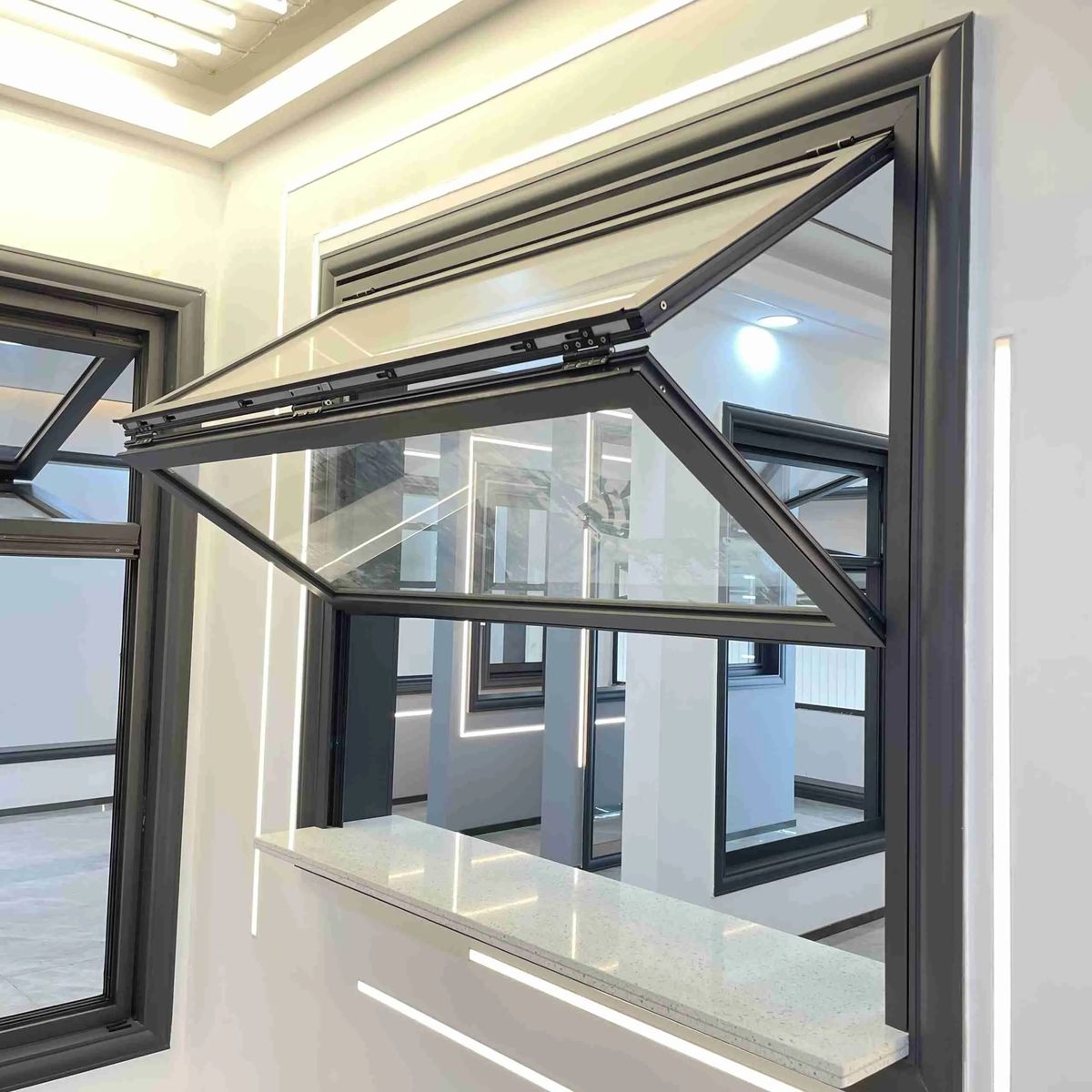
Lift-out slider windows allow the sash to be removed more easily for cleaning or maintenance. As a result, they appeal to homeowners who want the practicality of a sliding window with simpler long-term handling.
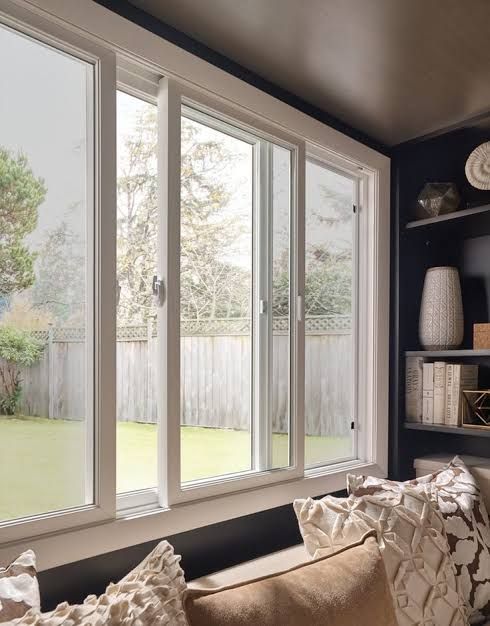
A sliding window opens by moving one or more sashes side to side along the frame. As a result, the window can provide ventilation without projecting into the room or out over the exterior.
The sash moves along a built-in track system that guides the panel across the opening. For that reason, sliding windows are often chosen by homeowners who prefer a more direct and lower-effort operating style.
Ventilation is created when the movable sash opens part of the window while the fixed or second operable section stays in place. Consequently, homeowners can control airflow without changing the full shape of the opening.
Because sliding windows do not hinge outward or inward, they work well where furniture placement, walkways, decks, or exterior obstructions limit swing space. Therefore, they fit practical rooms where a cleaner operating path is more useful than a projecting sash.
In main living spaces, sliding windows provide a simple window style that is easy to open, easy to manage, and well-suited to daily ventilation needs. As a result, they work well in bedrooms, family rooms, and other frequently used areas where homeowners want a practical balance of light, airflow, and straightforward operation.
Sliding windows also suit basements, secondary rooms, and wider openings where a horizontal format makes better use of the wall. For that reason, they are often used in spaces where a compact operating path, broader glass area, and easier fit within the room layout are all important.
Sliding windows may look simple, but their day-to-day performance depends on several working parts inside the system. Therefore, homeowners should look beyond appearance alone and pay attention to the features that affect movement, sealing, stability, and long-term use.
The track guides the sash as it moves across the frame. As a result, a well-designed track helps the window slide more smoothly and keeps the operating path cleaner and more controlled over time.
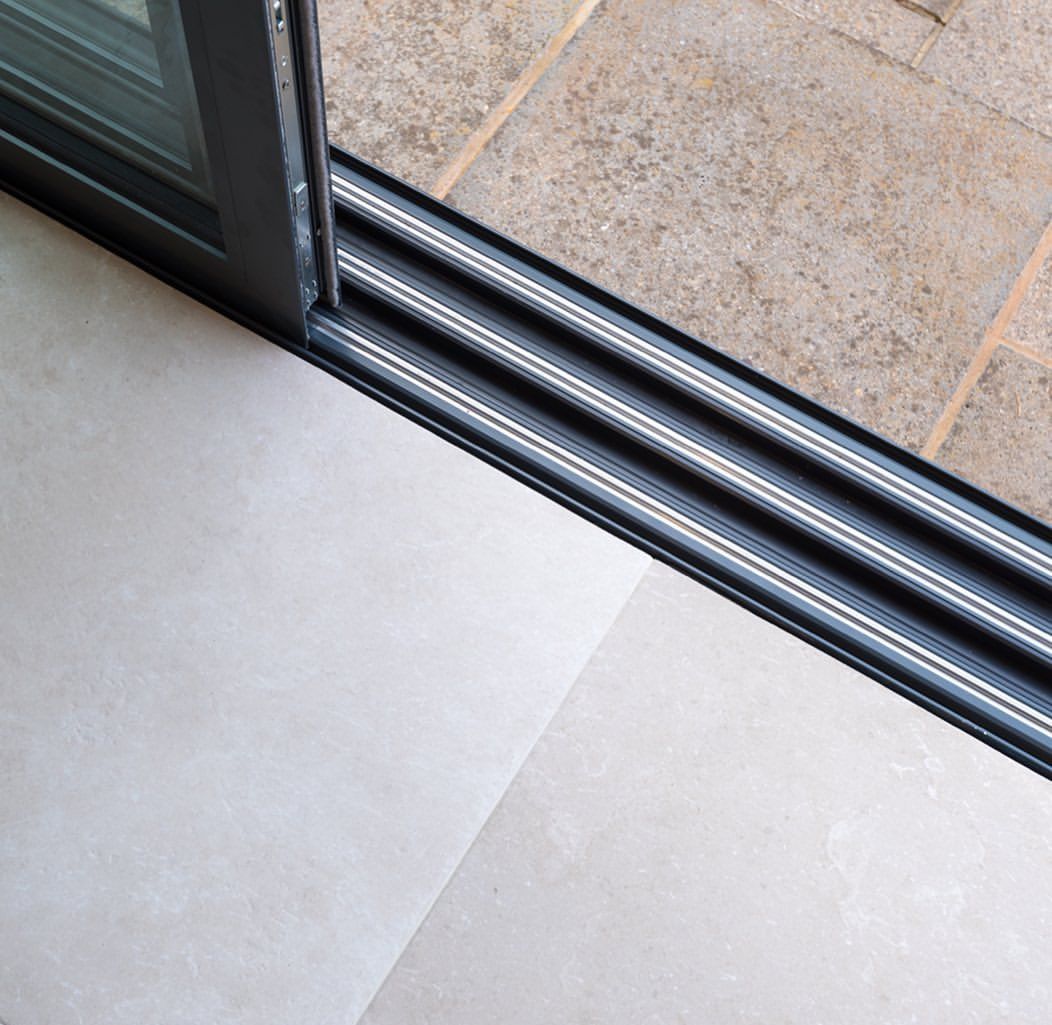
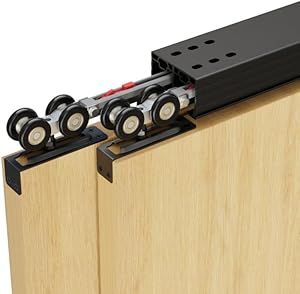
Sliding windows rely on rollers or glide systems to move the sash with less effort. For that reason, the quality of this operating mechanism has a direct effect on how easy the window feels in daily use.
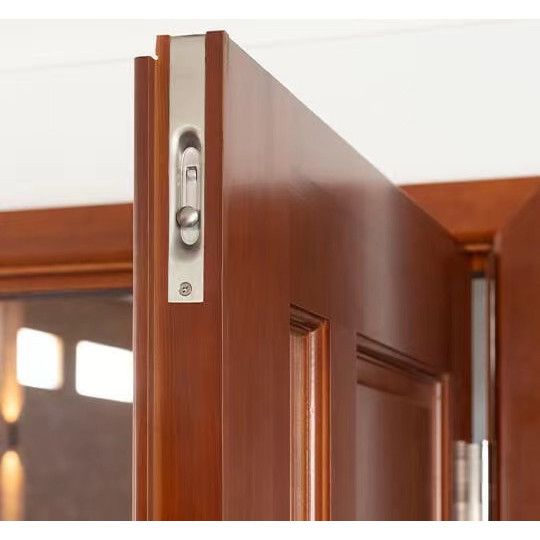
The interlock is where the sliding sash meets the fixed or opposing sash when the window is closed. Consequently, stronger interlock design helps improve stability, air control, and overall closure performance.
Sliding windows depend on weatherstripping to limit unwanted air movement around the sash. Therefore, a better seal design can help improve comfort and support more dependable performance in Canadian weather.
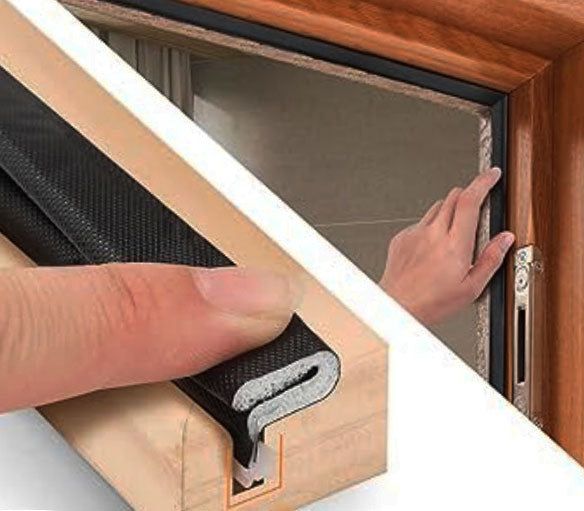
The locking system affects both security and how firmly the sash closes into position. As a result, good locking hardware helps the window feel more secure and better aligned when shut.
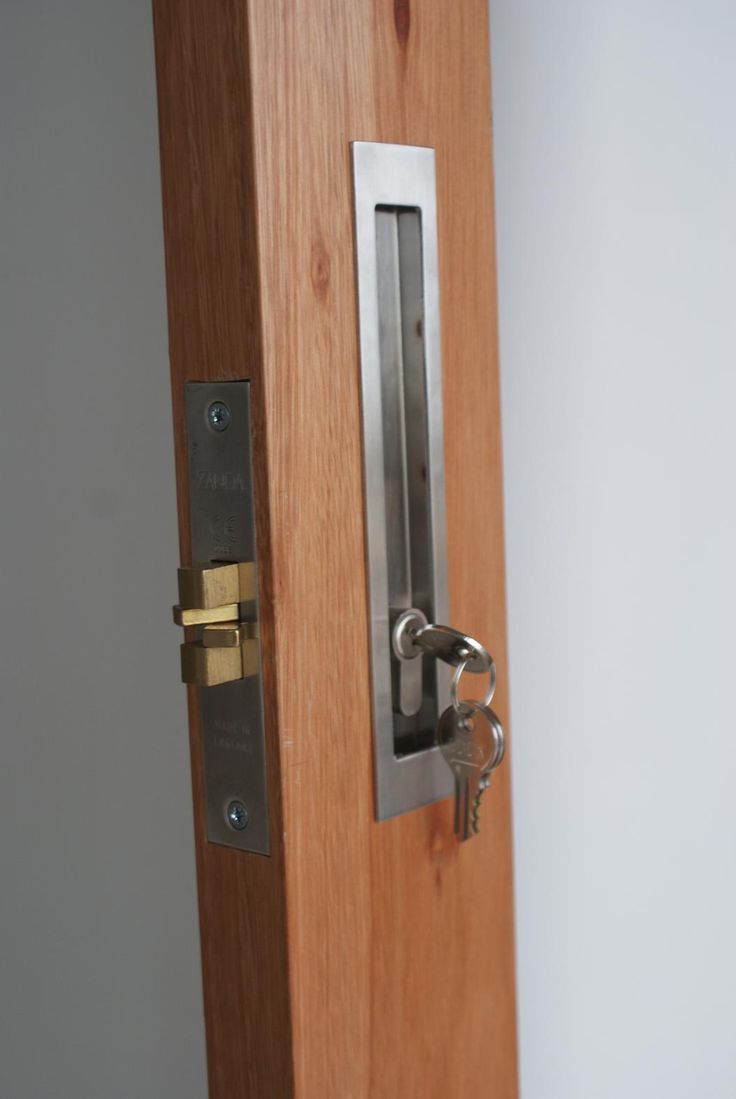
A sliding window performs best when the sash stays stable in the frame and moves without wobble or drag. For that reason, proper alignment and good sash support are important to long-term smooth operation.
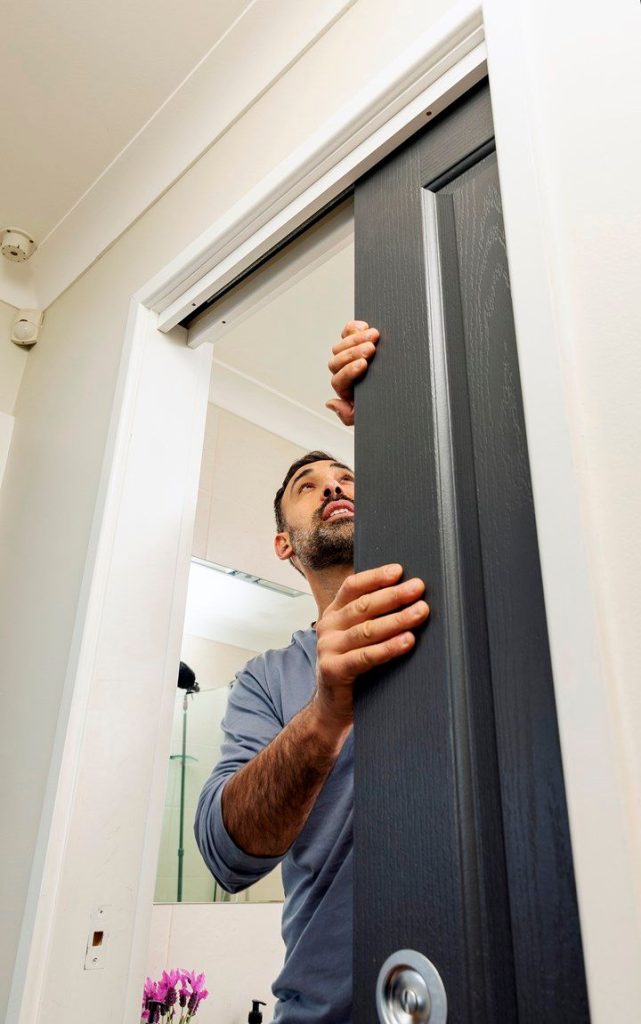
Sliding windows are often chosen by homeowners who want a window style that works simply and fits easily into daily life. Therefore, their appeal usually comes from how practical they feel in real rooms rather than from decorative detail alone.
Sliding windows open with a direct horizontal movement that feels familiar and low-effort. As a result, they suit homeowners who want a window that is easy to use without extra operating steps.
Because the sash moves within the frame, sliding windows do not need inward or outward swing clearance. For that reason, they work well in rooms where furniture, decks, walkways, or tighter layouts make projecting windows less practical.
Sliding windows allow homeowners to open part of the window without changing the full shape of the opening. Consequently, they offer a straightforward way to manage airflow in everyday living spaces.
The design of a sliding window often creates a clean, simple look across the wall. Therefore, this style appeals to homeowners who want a practical window that also feels neat and visually balanced.
Sliding windows work especially well in broader openings where a horizontal format makes better use of the wall. As a result, they are often chosen for spaces that need more glass area without moving into more complex window styles.
Many homeowners prefer sliding windows because they can be opened and closed with less effort than some other styles when the system is well designed. For that reason, they suit practical households that value ease of use.
Sliding windows have a simple operating style that many homeowners already understand and trust. Consequently, they remain a popular choice for rooms where practical everyday function matters more than a more specialized opening system.
Some window styles suit only certain architectural looks or room conditions. Sliding windows, however, fit a wide range of homes and everyday spaces. Therefore, they continue to appeal to homeowners who want a reliable, versatile, and easy-to-live-with window style.
Sliding windows work well in many homes, but they are still not the right fit for every opening. Therefore, homeowners should compare the style against the needs of the room, the size of the wall opening, and the level of ventilation or performance they expect from the finished window.
Sliding windows are usually a better fit in wider openings where horizontal movement makes practical sense. As a result, they often work best in spaces where the wall layout supports a broader window shape rather than a taller, narrower format.
Some homeowners want a window that provides simple airflow, while others want stronger full-opening ventilation. For that reason, it is important to consider whether a sliding window offers the right amount of operable space for the room.
Different sliding window types offer different levels of cleaning access, especially when one sash stays fixed and the other moves. Consequently, homeowners should consider how much convenience they want for ongoing maintenance and interior access.
The frame, glass package, and seal design all affect how a sliding window performs through Canadian seasons. Therefore, homeowners should match the product to their comfort and energy expectations rather than choosing by style alone.
Some homeowners prioritize lower maintenance, while others care more about stability, appearance, or a slimmer frame profile. As a result, the frame material should be chosen according to how the window will be used and what kind of long-term performance matters most.
Choosing sliding windows is not only about picking a frame or glass package. The window also has to suit the opening, the room layout, and the way the homeowner expects it to perform in daily use. Therefore, the selection process should make it easier to compare options based on function, style, and practical long-term value.
The first step is to look at the size and shape of the opening and how the room is used every day. As a result, the sliding window style can be matched more accurately to the space.
Different slider formats offer different balances of glass area, ventilation, and operation. For that reason, comparing single slider, double slider, and wider configurations helps narrow the best fit for the home.
Frame material and glass options affect comfort, maintenance, and overall performance. Consequently, those choices should be reviewed together rather than treated as separate decisions.
A window may look right on paper, but still feel less practical if it does not suit the room’s ventilation and daily function. Therefore, the selection should reflect how the homeowner actually wants the window to work.
Not every home uses standard openings or identical room layouts. Therefore, sliding window selection should also account for wider openings, custom dimensions, and spaces that need a more tailored configuration.
Sliding windows often need to fit visually with other windows nearby or in the rest of the house. As a result, the final choice should support both product performance and a more consistent overall appearance.
Once the style, glass, and frame options are reviewed, the goal is to confirm a sliding window that suits the opening and the homeowner’s priorities. For that reason, the final selection should feel practical, clear, and well-matched to the space.
Sliding windows are used in many parts of the home, but the best option depends on the opening, the room, and the homeowner’s priorities. Therefore, product selection should reflect how the window will be used rather than assuming one slider suits every space.
In bedrooms, family rooms, and other main living areas, sliding windows are often chosen for their simple operation, practical ventilation, and clean sightlines. As a result, they suit spaces where ease of use matters every day.
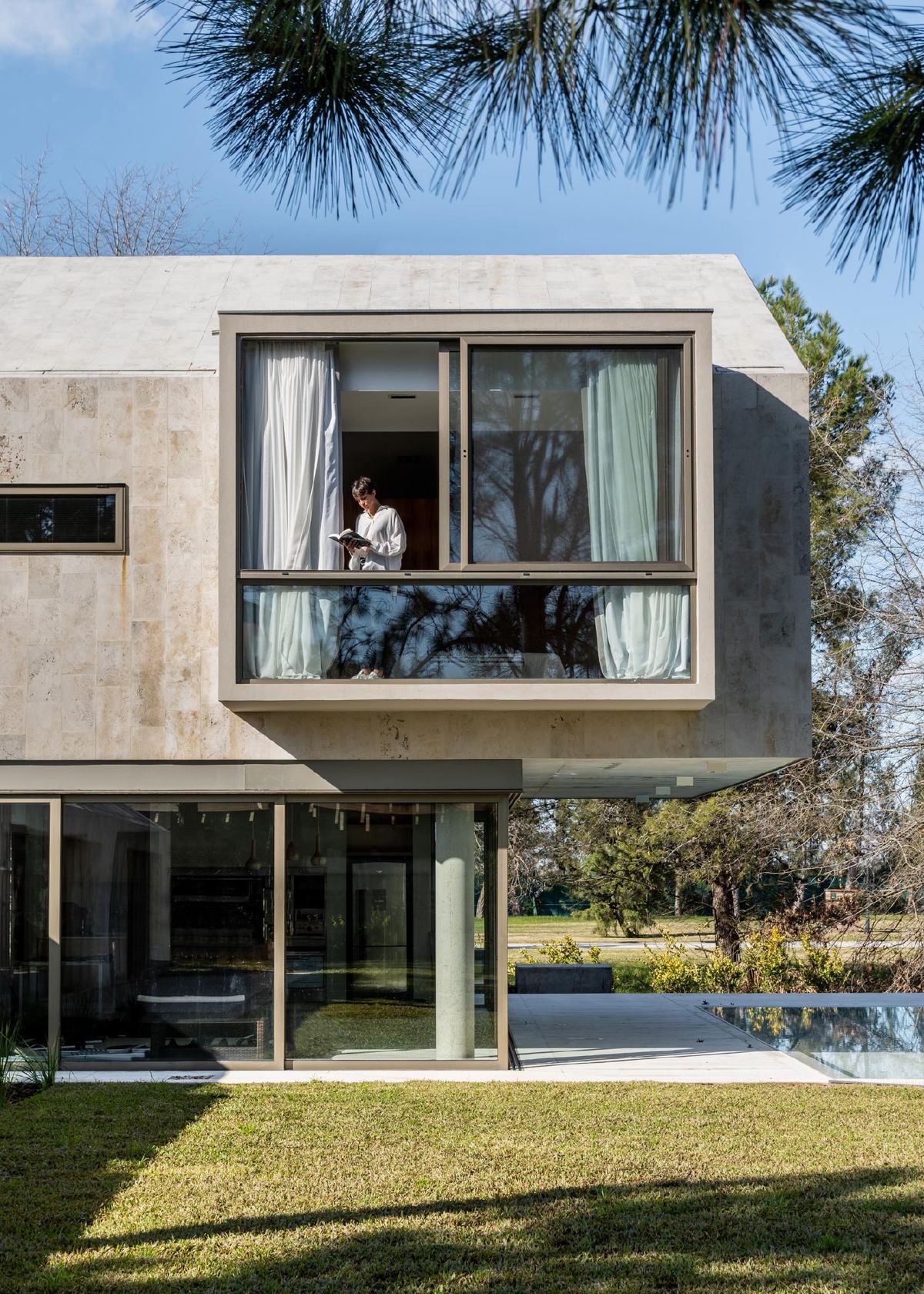
Some homes have broader wall openings where a horizontal window style makes better use of the space. For that reason, sliding windows work well where the goal is to bring in more light and maintain a practical operating format.
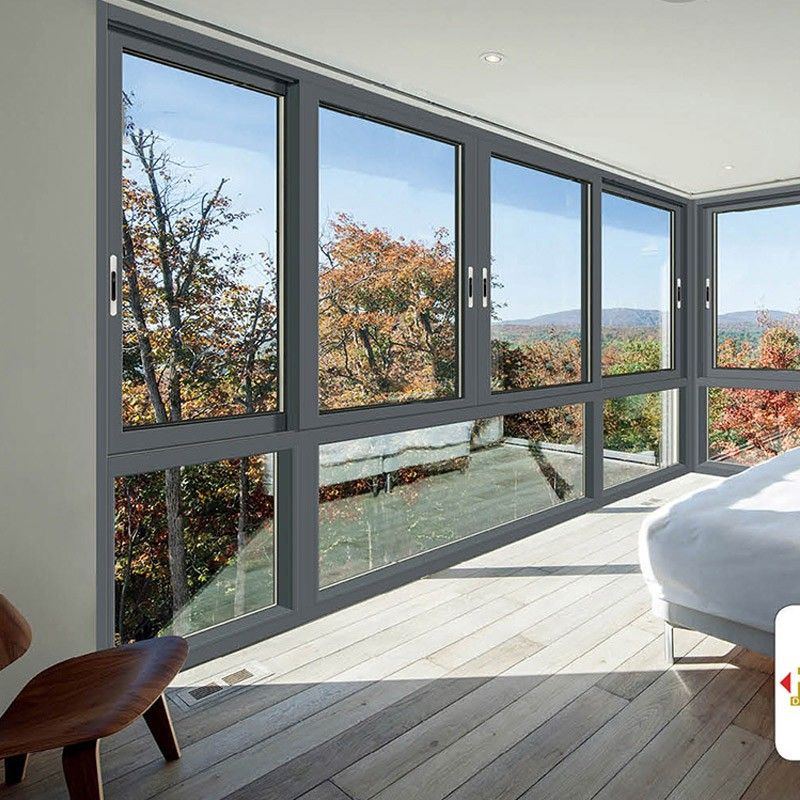
Not every home uses standard sizes or the same room layout throughout. Consequently, custom sliding window options are useful where the opening, design preference, or overall home style needs a more tailored solution.
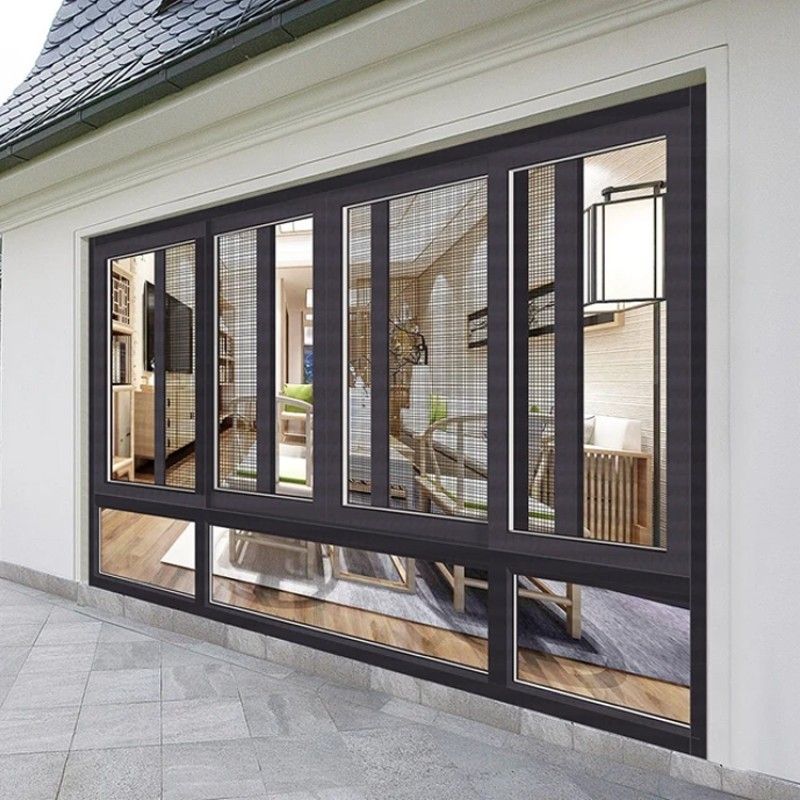
Sliding windows should do more than look practical in the opening. They also need to support energy control, weather resistance, and dependable everyday use in Canada. Therefore, homeowners should compare sliding windows by both style and performance.
The NBC affects how windows are expected to perform in residential openings. As a result, sliding windows should suit the location and function of the space where they are used.
The NECB supports better thermal control and stronger overall envelope performance. For that reason, glass, frame design, and sealing quality all matter when comparing sliding window options.
CSA-certified windows are tested for air leakage, water resistance, and operation. Consequently, certification helps confirm that the window is built for more reliable everyday performance.
Fenestration Canada reflects current technical guidance for the Canadian market. Therefore, it helps support better decisions when homeowners compare sliding window features and performance.
Provincial code requirements can affect glazing use and opening performance. As a result, sliding windows should be chosen with the local requirements of the home in mind.
At Window & Door Solutions, sliding windows are selected to match the way practical homeowners actually use their spaces. Whether the goal is simpler operation, better airflow, cleaner sightlines, or a more suitable fit for wider openings, the right sliding window should support everyday comfort without adding unnecessary complexity.
If you are comparing sliding window types, frame options, or glass features for your home, contact Window & Door Solutions today. Get a Free Estimate or Contact Us Today to discuss sliding windows that match your space, your priorities, and your day-to-day needs.