Get Your Quote within 24 Hours
At Window & Door Solutions, a professional window installer does far more than place a new unit into an opening. In Canada, the installer is responsible for how the window fits, how the frame is supported, how the perimeter is sealed, and how the opening manages wind, rain, and seasonal movement after the work is complete. Therefore, the quality of the installer affects the real performance of the window just as much as the product itself.
That matters because many residential window problems start at the installation stage, not at the factory. A window can have good glass, a good frame, and good hardware, yet still leak air, bind during operation, or take on moisture if the installer handles the opening poorly. As a result, homeowners looking for a window installer should focus on site review, fitting accuracy, weatherproofing methods, and on-site workmanship rather than assuming the product alone will solve the problem.
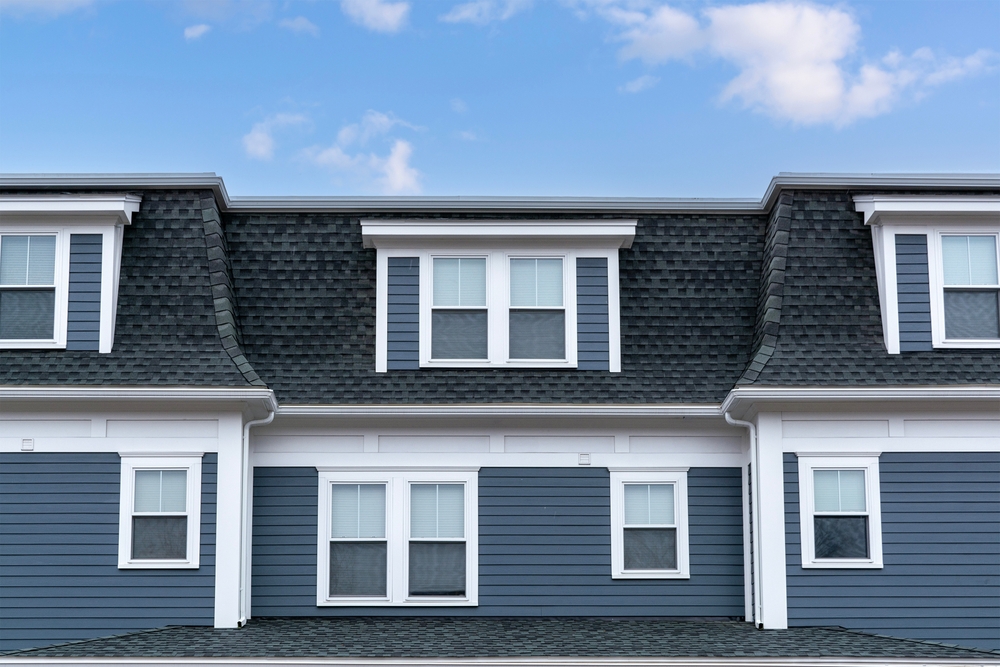
A professional window installer does not fit every window the same way. Different systems create different alignment, support, and sealing demands at the opening. Therefore, the installer needs to understand how each type behaves before the unit is set in place.
Casement windows need accurate frame squareness because the sash must close tightly against the weather seal. As a result, even small alignment errors can affect lock engagement and long-term sealing.
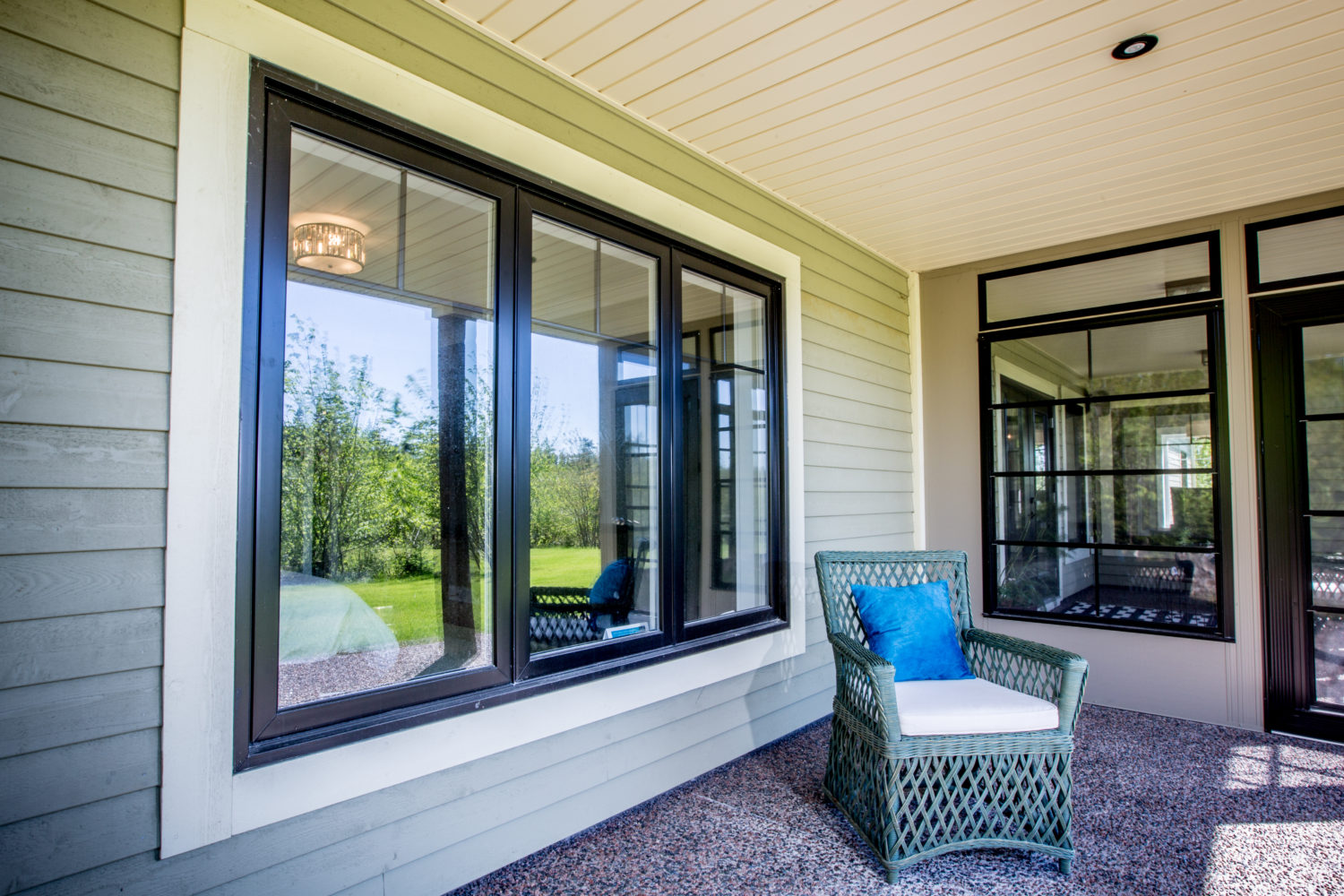
Sliding windows depend on level sill support and stable track alignment. Therefore, poor frame position can quickly lead to drag, uneven movement, and air leakage.
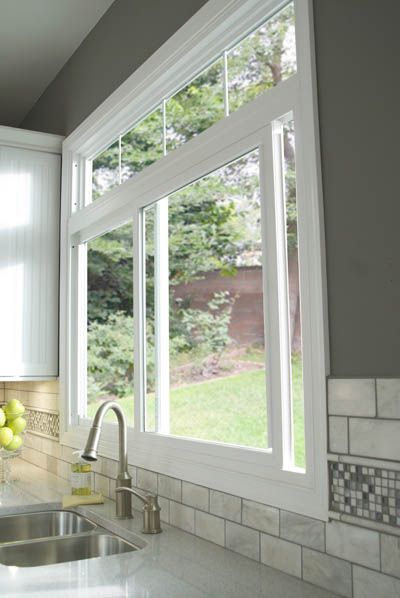
Awning windows rely on proper hinge support and even closure pressure along the frame. For that reason, careful shimming and fastening are needed to keep the sash operating smoothly and sealing correctly.
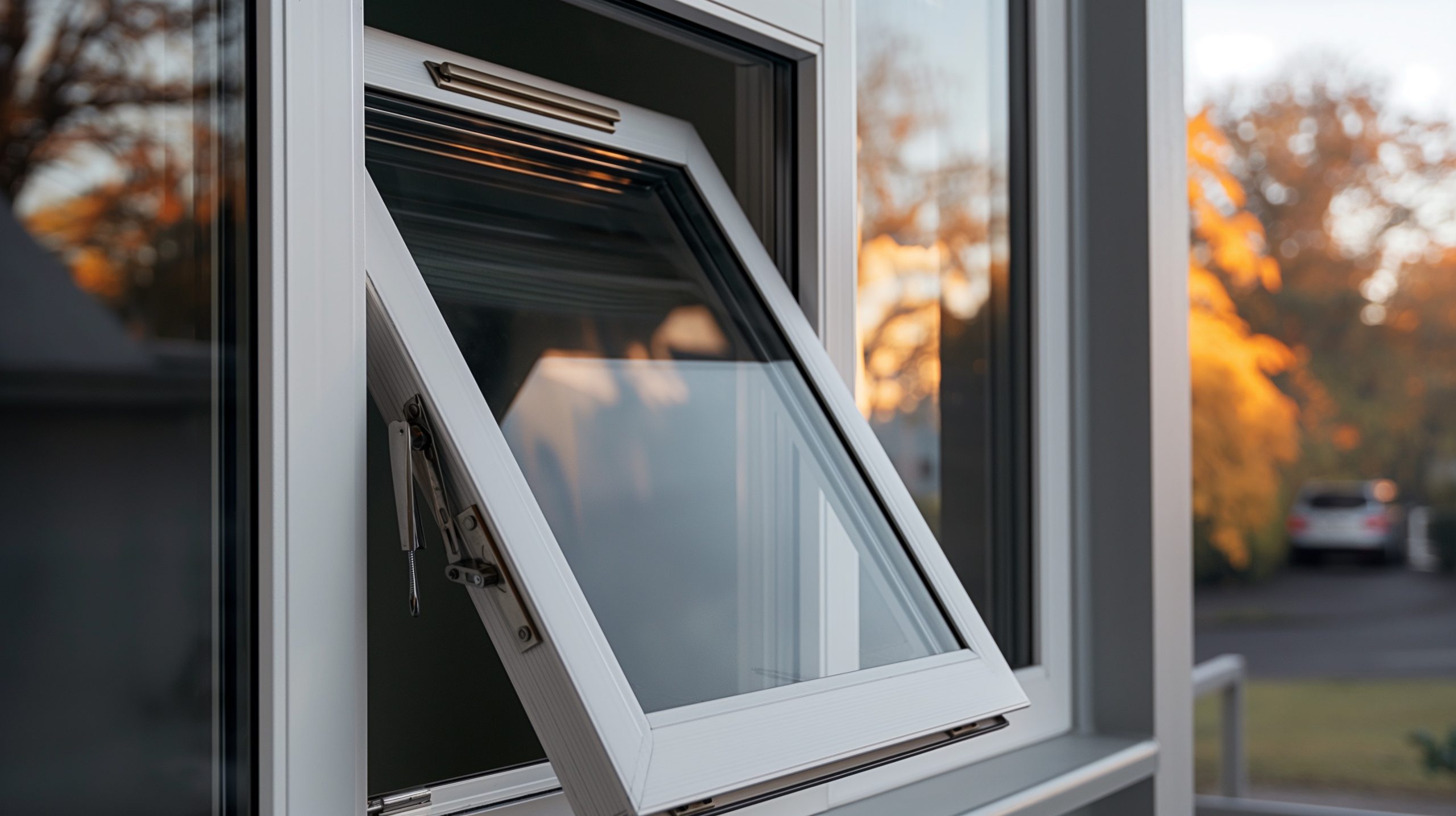
Single hung windows need clean vertical alignment so the moving sash can travel properly and lock without strain. Consequently, the installer must control plumb, meeting rail contact, and frame stability.
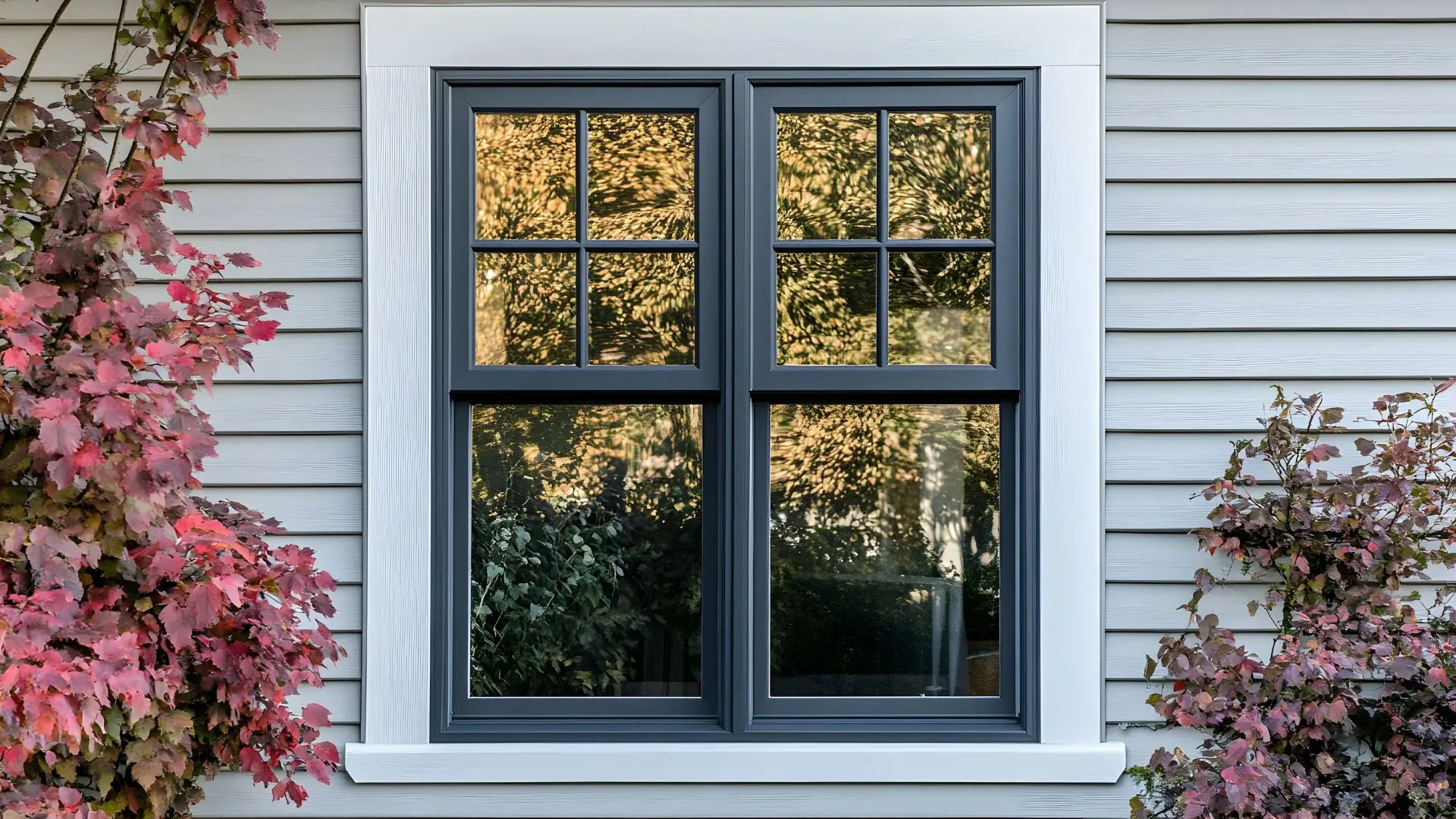
Double hung windows require even more precision because both sashes must move and seal correctly. As a result, poor fitting can cause balance issues, sticking, or uneven lock contact.
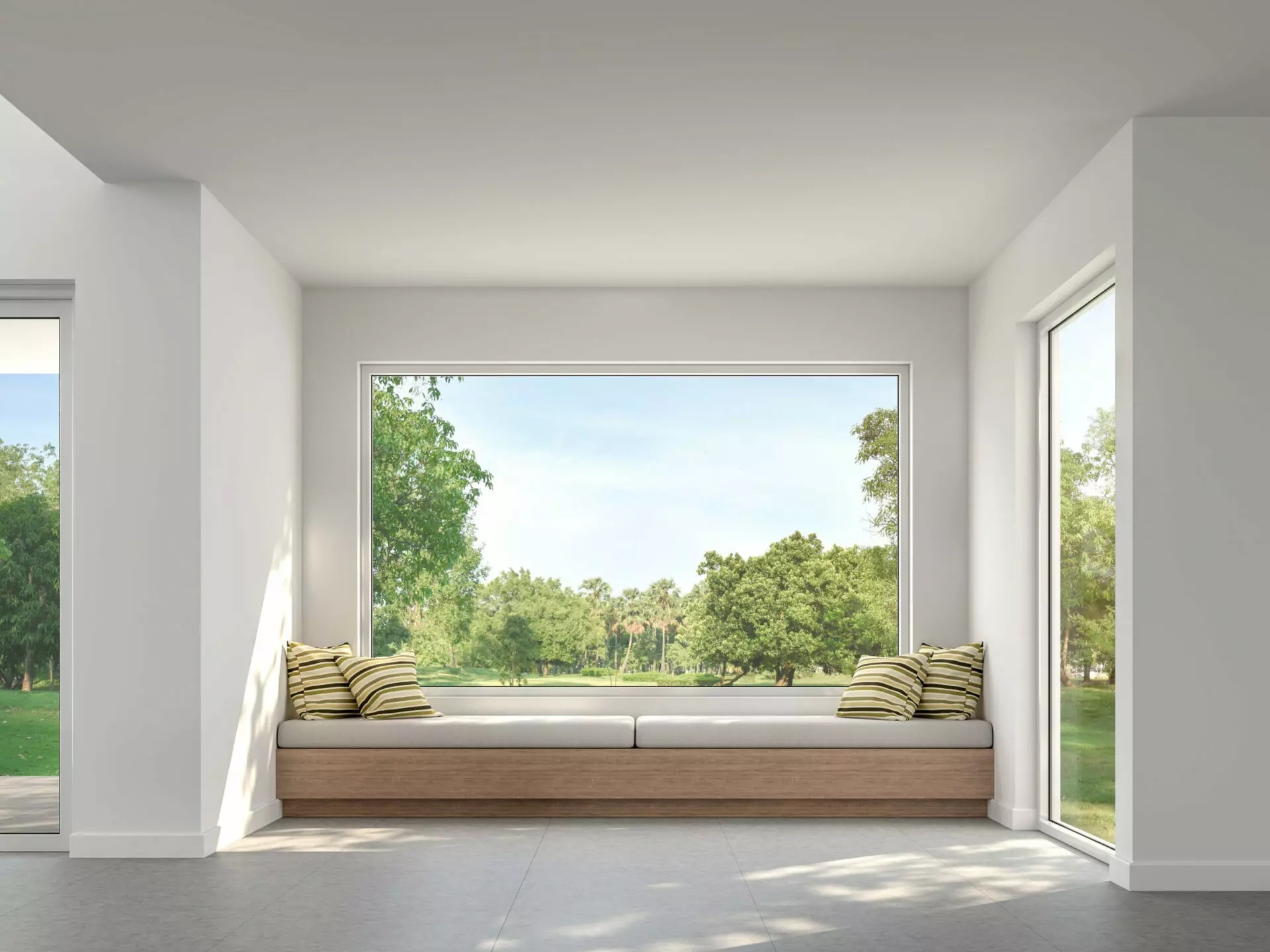
Fixed and picture windows do not operate, but they still need proper support because the glass load remains constant in the frame. For that reason, frame support, sealing, and glass positioning remain critical.
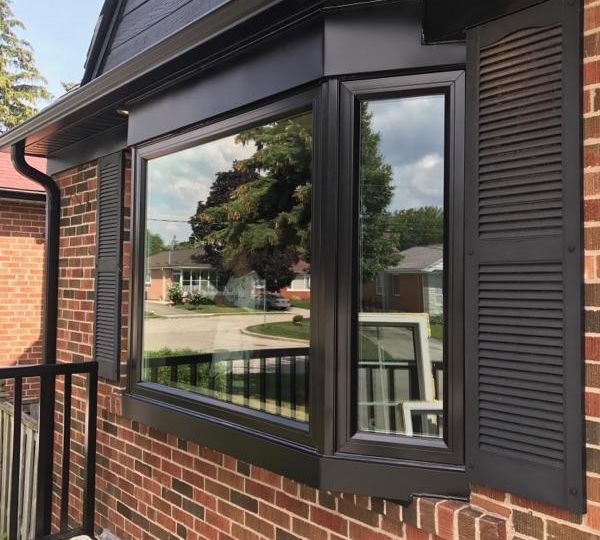
Bay and bow windows create more structural and weatherproofing demand because they project beyond the wall plane. Therefore, they need stronger support, better transition sealing, and more careful exterior detailing.
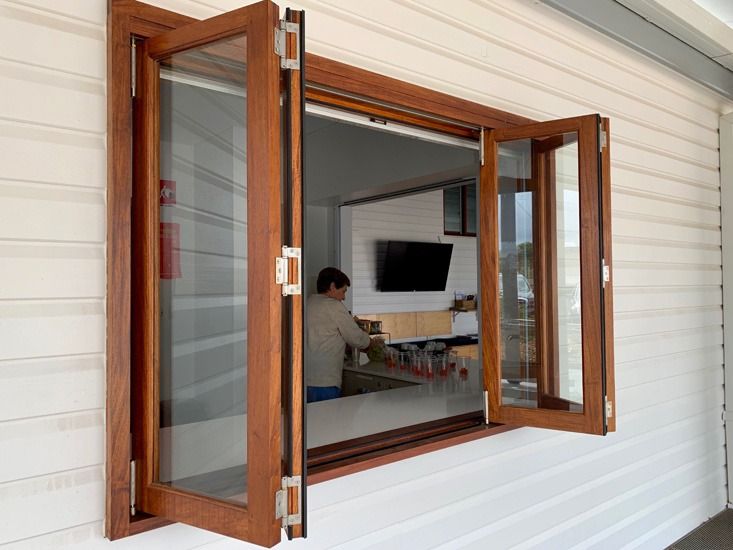
Custom and specialty windows often involve unusual sizes, shapes, or mixed assemblies. For that reason, they require more exact measurement, more controlled placement, and better field judgment during installation.
The installer needs to check whether the existing frame is stable, deteriorated, warped, or affected by moisture. As a result, the installer can decide whether the opening can support the new window properly or needs correction first.
A window installer must confirm that the opening size matches the planned unit and that the sides, sill, and head remain close to square. Therefore, measurement accuracy is not just about ordering. It also affects how well the window can be shimmed, supported, and sealed.
Water stains, soft framing, damaged sheathing, or past leak evidence all change how the new window should be handled. Consequently, an experienced installer checks these conditions early so hidden problems do not stay trapped behind a new unit.
The sill has to support the window and direct incidental moisture away from the opening. For that reason, the installer needs to review slope, damage, drainage continuity, and any condition that can affect water management after the new window goes in.
Residential projects often involve older openings, draft issues, weak sealing, sticking sashes, moisture around the frame, or full-home upgrades where many windows need to be installed consistently. As a result, professional window installer services matter most where the work requires careful measurement, controlled removal, proper support, accurate fitting, and more reliable weatherproofing across the home.
Commercial projects often place greater demand on the opening because of larger units, heavier glazing, stricter performance expectations, and more frequent daily use. For that reason, professional window installer services are especially important where the installation must support accurate anchoring, dependable frame stability, proper sealing, and more reliable long-term performance in commercial conditions.
Window Installers do not only fit a frame into a wall. They also work with the technical behaviour of the full assembly. Therefore, they need to understand how glass weight, frame movement, and sealing interfaces affect the final result.
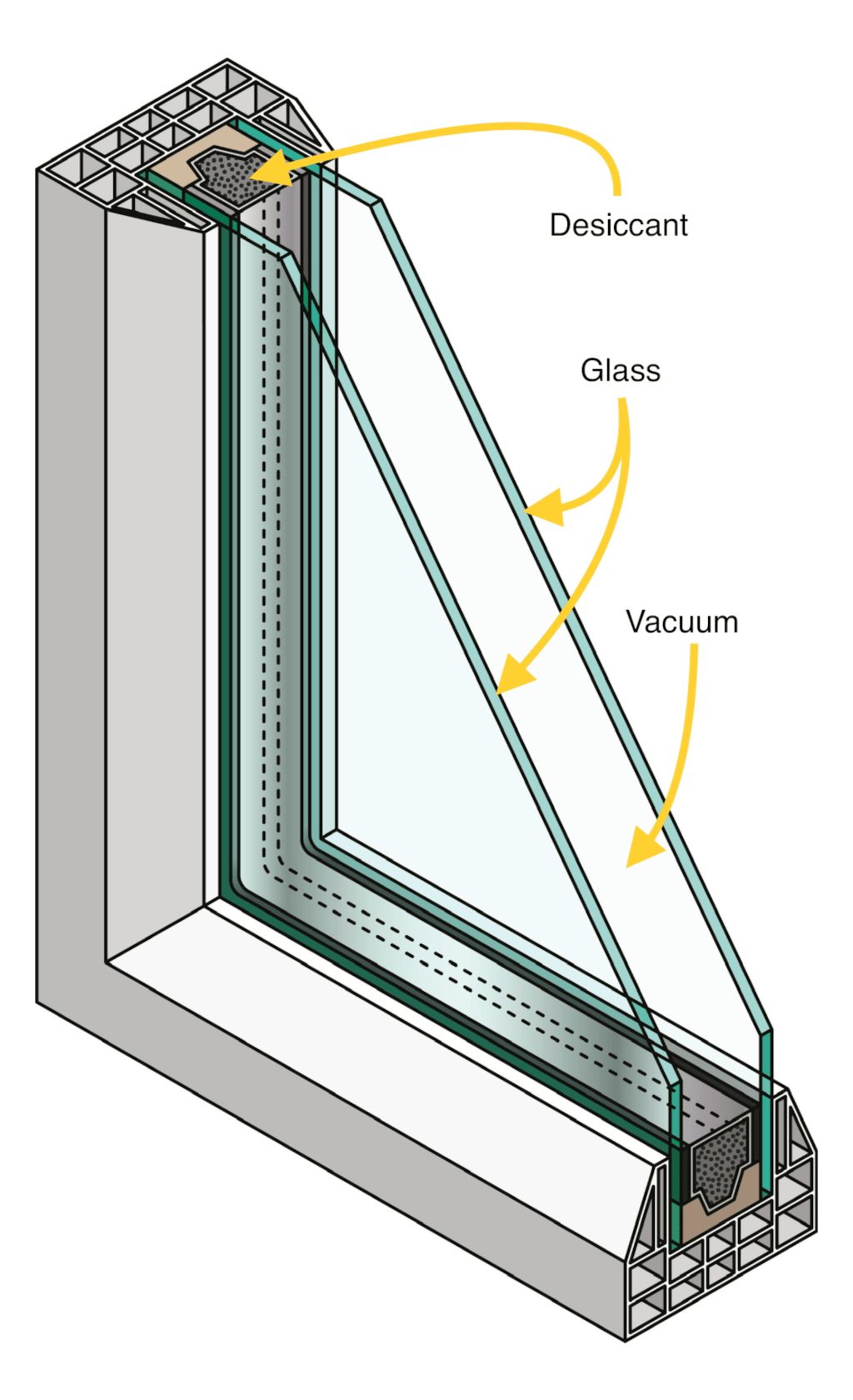
Insulated glass units add weight and impose specific support requirements at the sill and frame corners. As a result, improper handling or uneven support can affect glass stress, frame alignment, and seal durability after installation.
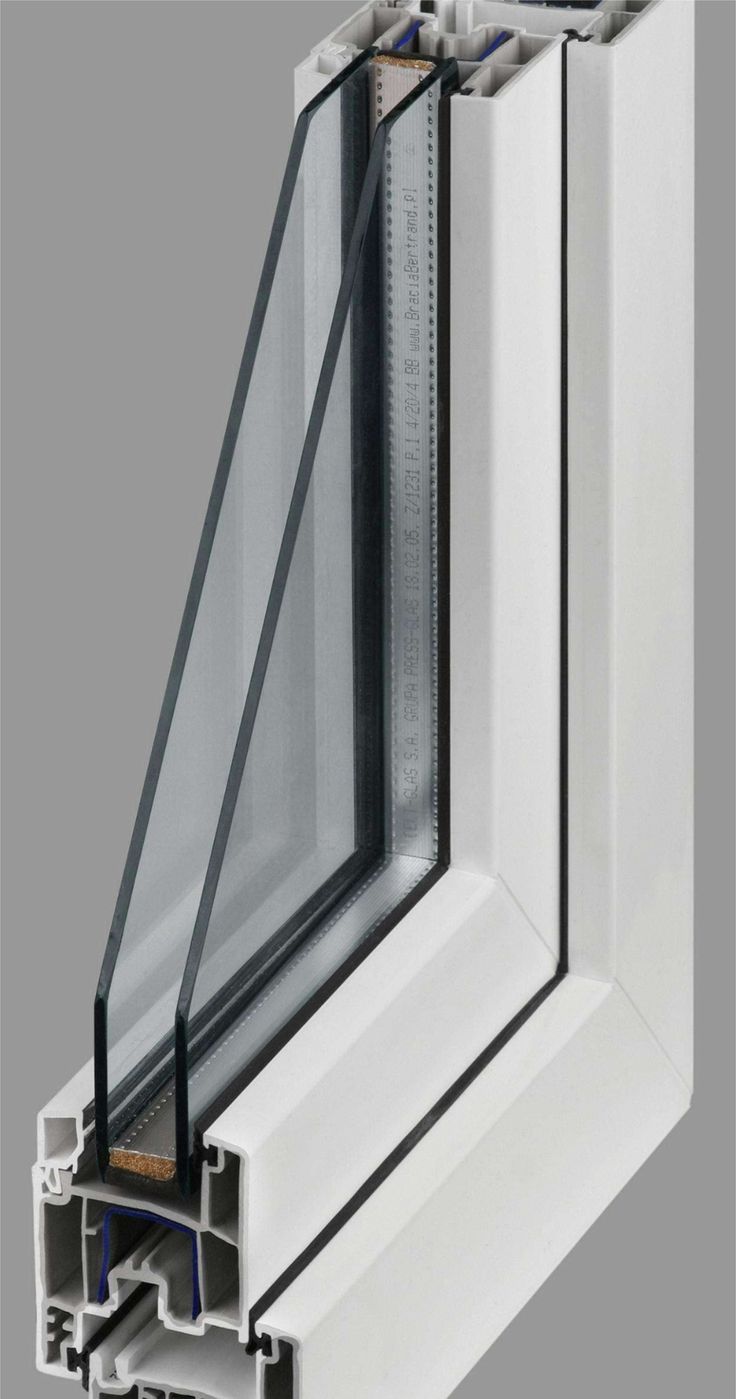
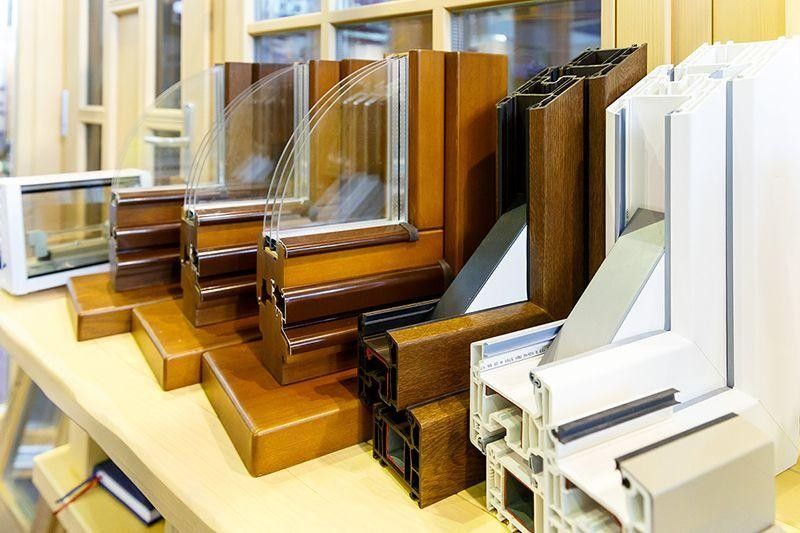
Different frame materials respond differently to temperature changes. Therefore, the installer must allow for appropriate movement while still securing the unit tightly enough to perform in Canadian seasonal conditions.
Some frames include thermal breaks or more advanced insulating sections that must sit correctly within the opening to perform as intended. Consequently, frame position affects not only fit, but also condensation resistance and interior comfort.
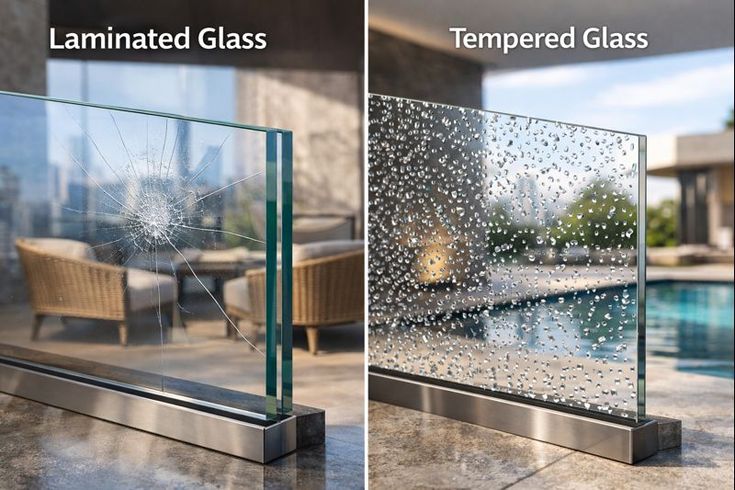
Certain locations require tempered or laminated glass for safety reasons. For that reason, the installer needs to know where the opening falls relative to doors, floors, stairs, and other code-sensitive conditions.
Larger windows create more load at the sill and more demand on fastening and frame control. As a result, they require closer attention to support points, shimming sequence, and frame stability.

A window performs properly only when the sash closes evenly against the seals and the hardware engages correctly. Therefore, the installer must maintain alignment from the first shim to the final adjustment.
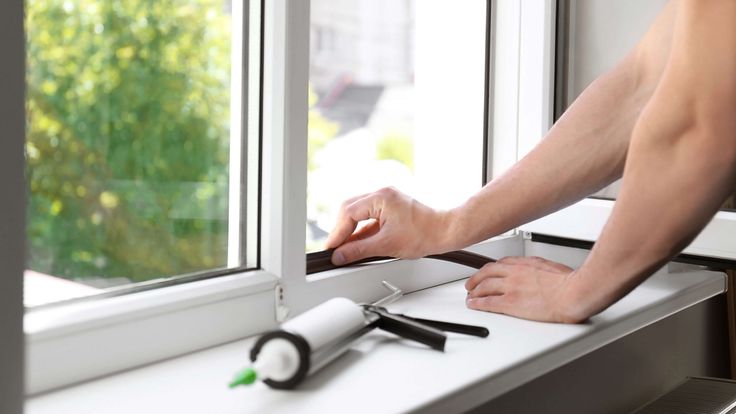
Homeowners often compare brands, glass options, and frame materials, but the installer decides whether those features perform properly after the job is done. Therefore, installer quality is not a secondary issue. It is a major part of the finished result.
Good installation starts before the truck arrives. As a result, careful measurement helps prevent oversized units, undersized gaps, rushed field adjustments, and unnecessary compromise at the opening.
Shimming is not just about making the window look level. It controls load transfer, frame shape, and sash alignment. For that reason, poor shimming can create problems that show up months later in operation and seal performance.
A window must be secured firmly without pulling the frame out of shape. Consequently, the installer has to choose fastening points and tightening pressure that hold the unit without introducing twist or bow.
Perimeter sealing affects draft control and thermal continuity around the frame. Therefore, an experienced installer treats this step as part of system performance rather than a simple cosmetic finish.
Flashing details must direct water away from the sill, jambs, and head without trapping moisture in the wall. As a result, better installer practice greatly reduces leak risk and long-term moisture damage.
The best sign of good installation is often simple daily use. For that reason, a well-installed window opens, closes, locks, and seals the way it should without forcing the hardware or stressing the frame.
Poor installation often leads to callbacks for binding, leakage, trim separation, or seal complaints. Consequently, hiring the right installer helps avoid future frustration and added service cost.
Canada places more demand on the opening because wind, rain, cold exposure, and freeze-thaw cycles all test the perimeter detail. Therefore, an installer who understands local conditions delivers more dependable real-world results.
Choosing a window installer on the wrong basis can create years of performance problems. Therefore, homeowners should judge the installer by technical decisions and field execution, not only by price or sales language.
The cheapest quote often hides reduced attention to removal, correction work, sealing detail, or finish quality. As a result, a low upfront number can lead to higher costs later.
Some installers treat every opening as routine, even when moisture damage or framing issues are present. Therefore, homeowners should look for someone who evaluates the opening honestly before promising a simple fit.
A better window does not correct poor support, weak flashing, or bad perimeter sealing by itself. Consequently, installer quality must be part of the decision from the beginning.
Many homeowners ask about glass and frame brands but never ask how the opening will be waterproofed. For that reason, installation method should be discussed as clearly as product selection.
Existing homes create field conditions that differ from fresh new-construction work. As a result, the installer should understand removal, opening assessment, and correction work in real residential settings.
A strong installer follows a disciplined on-site sequence. Therefore, the work should move through the opening in a controlled way rather than relying on improvisation after removal begins.
The installer confirms measurements, reviews the work area, and checks the condition of the opening before removal starts. As a result, the job begins with a clear understanding of site conditions and likely correction needs.
The old unit is removed carefully so surrounding materials stay as intact as possible. Consequently, the installer can assess the exposed opening properly without creating unnecessary damage around the frame.
Once the old window comes out, the installer checks for moisture damage, framing weakness, uneven substrate, or hidden deterioration. Therefore, the fitting strategy responds to the real condition of the opening.
Small irregularities at the sill, jamb, or head often need correction before the new unit is set. For that reason, a capable installer makes those adjustments early so the new window is not forced into a compromised opening.
The new unit is placed, centred, levelled, and shimmed to maintain the right geometry. As a result, the frame stays stable, and the operating sash can perform correctly after fastening.
The perimeter is treated to control air movement, support insulation continuity, and direct water away from the assembly. Consequently, this stage is central to comfort, weather resistance, and long-term durability.
The installer checks sash movement, lock alignment, weather seal contact, and final operation. Therefore, the project ends with a usable window, not just a window that looks installed.
At Window & Door Solutions, we provide window installer services for both residential and commercial projects that need accurate fitting, proper sealing, and dependable on-site workmanship. Therefore, each installation should match the condition of the opening, the type of window being installed, and the long-term performance demands of the building.
We handle home window projects where older openings need careful measurement, controlled removal, and better perimeter sealing to improve fit, operation, and weather resistance.
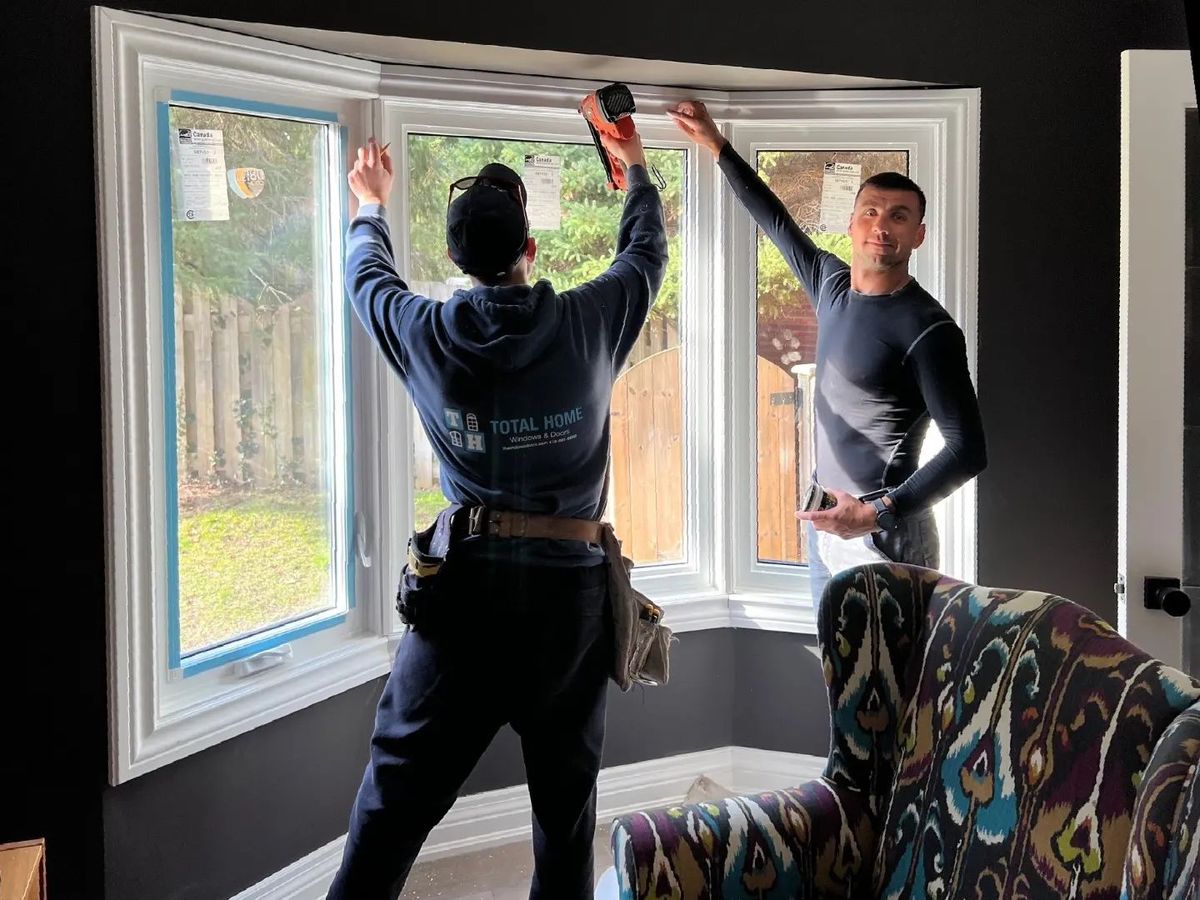
We also support commercial projects where the opening must be installed with closer attention to structural support, glazing load, and dependable performance under heavier day-to-day use.
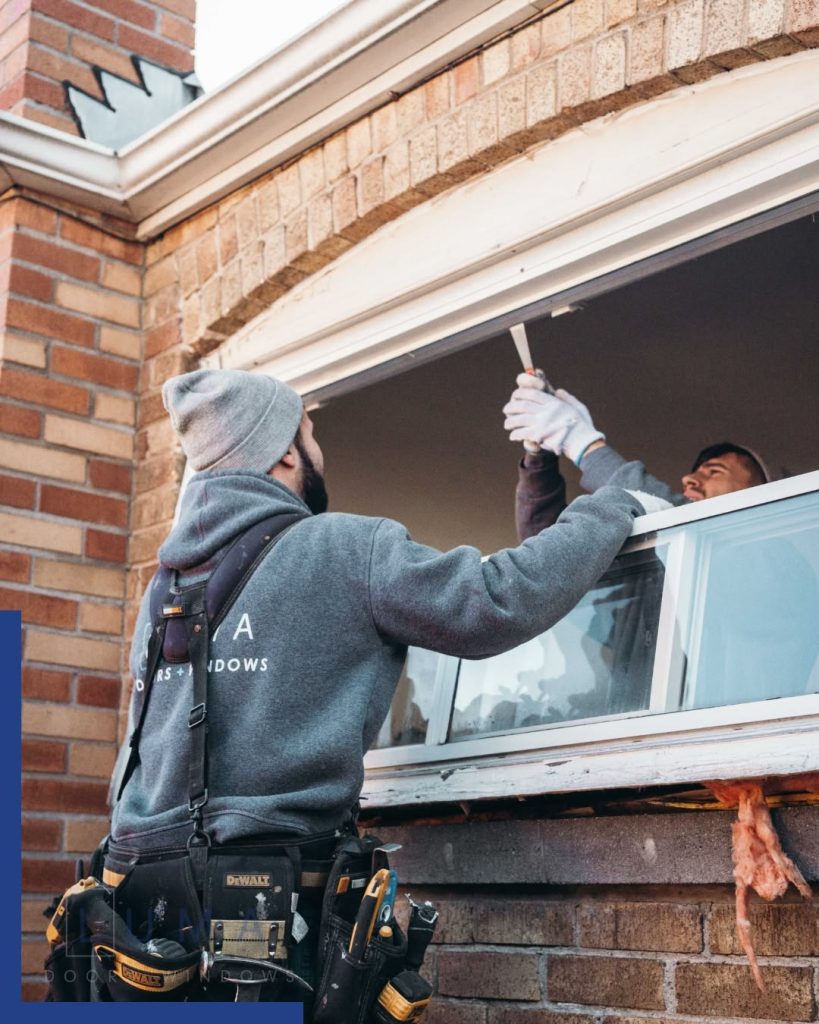
Some projects involve unusual sizes, specialty units, or openings that need more field adjustment before the new window is set in place. As a result, custom installation support helps ensure better fit and more reliable final performance.
A professional window installer has to do more than fit the unit into the wall. The work also has to respect safety, moisture control, and performance requirements that affect how the opening behaves after installation. Therefore, code-aware installation helps protect the homeowner from avoidable performance problems later.
The NBC influences safety glazing, egress, and how certain residential openings are allowed to function. As a result, the installer needs to understand how the window location affects fitting and final use.
The NECB supports stronger sealing, better thermal control, and more dependable envelope performance. For that reason, installation quality directly affects how well the opening performs after the window is in place.
CSA-certified windows are tested for air leakage, water resistance, and operation. Consequently, the installer must fit and support the unit in a way that preserves that tested performance on site.
Fenestration Canada reflects current technical guidance and accepted installation practice in the trade. Therefore, installation work should align with recognized Canadian methods rather than improvised field decisions.
Provincial code requirements can affect glazing safety, moisture control, and opening performance in residential work. As a result, the installer needs to account for the local requirements that apply to the home.
At Window & Door Solutions, we help homeowners move forward with window projects that depend on more than product choice alone. Whether the job involves one difficult opening or a larger residential upgrade, the right window installer can make the difference between a window that only looks new and one that actually performs properly in Canada.
If you need a window installer who understands measurement, fitting, sealing, flashing, and field detail the right way, contact Window & Door Solutions today. Get a Free Estimate or Contact Us Today to discuss your project and get the opening handled with the care it requires.