Get Your Quote within 24 Hours
At Window & Door Solutions, glass installation is treated as precision work, not as a simple placement task. In both residential and commercial projects across Canada, the glass has to be measured correctly, supported properly, aligned cleanly, and installed in a way that preserves safety, appearance, and long-term performance. Therefore, professional glass installation depends on more than the glass itself. It also depends on the opening condition, the support method, the surrounding materials, and how the finished panel will perform once the space is back in use.
That matters because glass behaves differently from many other building materials. It carries load differently, reacts badly to poor edge support, and can fail early if it is installed with the wrong clearances, pressure points, or sealing method. As a result, residential and commercial glass installation both require controlled handling, accurate fitting, and a clear understanding of where the glass sits, what it is supported by, and what type of use the finished opening will see in Canada.
Glass installation is not handled the same way across all panel types. Different glass products create different demands for support, edge protection, clearance, sealing, and safe handling at the opening. Therefore, the installer needs to understand not only what glass is being used, but also how the installation method changes to suit that specific panel in Canada.
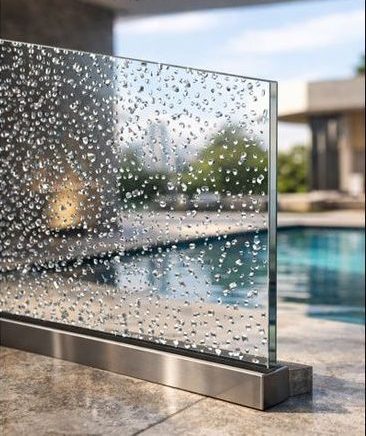
Tempered glass is often installed in doors, larger panels, and higher-contact locations where stronger breakage safety is required. As a result, the installation has to protect edges carefully and avoid pressure points that could damage the panel during placement.
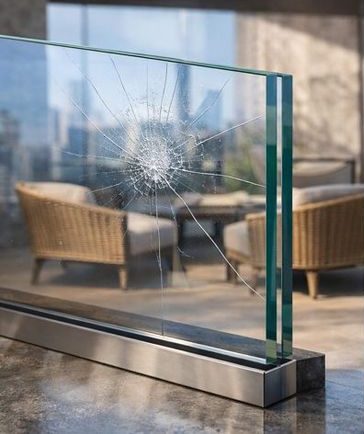
Laminated glass is used where the opening needs better breakage control, added security, or improved sound reduction. For that reason, the installer has to account for panel weight, edge condition, and correct support so the assembly performs properly once in use.
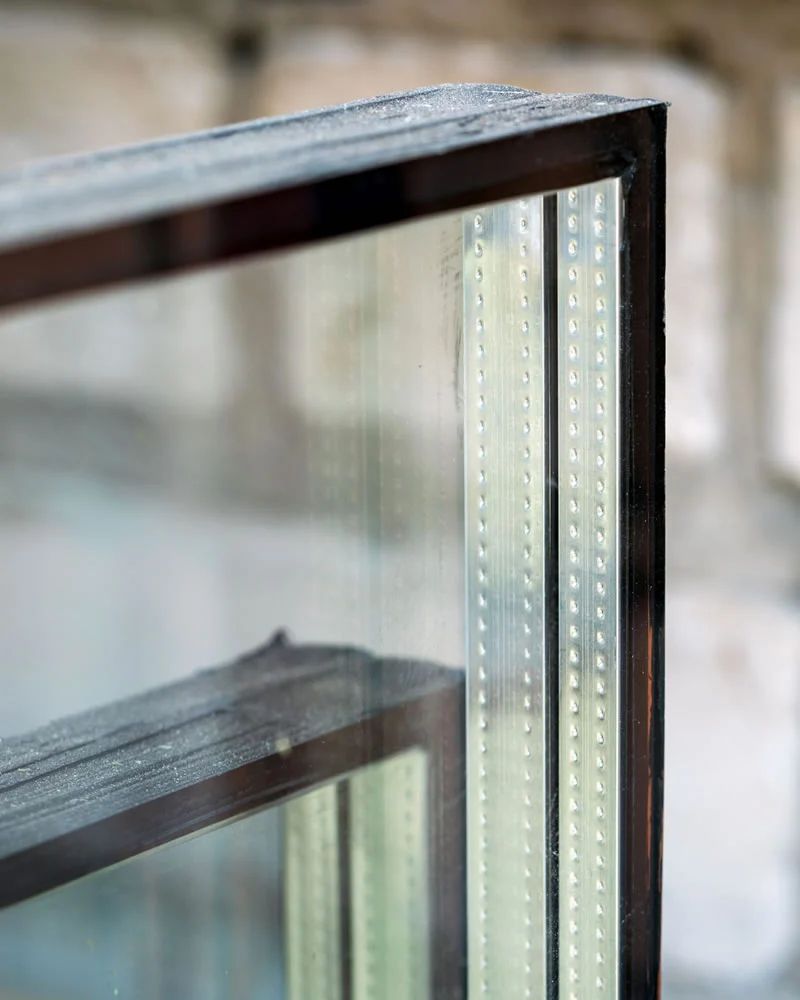
Insulated glass units require more careful fitting because the sealed assembly depends on proper support, stable placement, and controlled clearances. Consequently, installation quality affects thermal performance, durability, and long-term reliability at the opening.
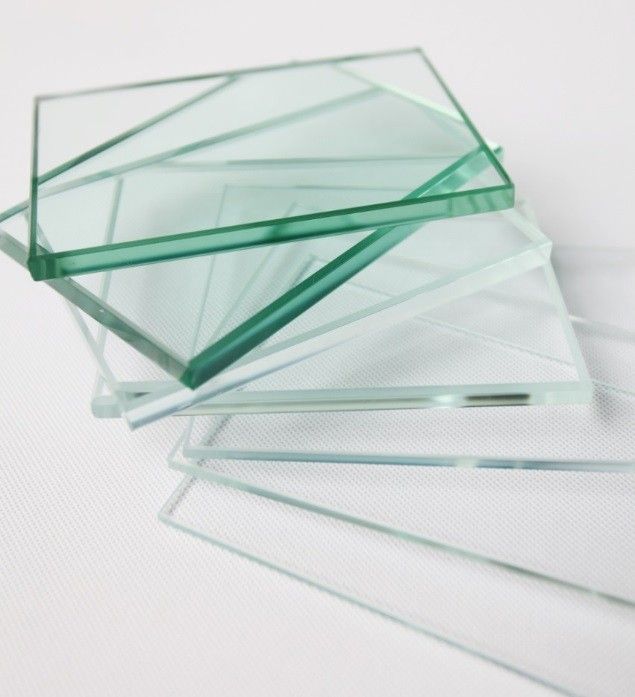
Clear float glass is often used in simpler interior or lower-demand applications where visibility and light transmission are the main goals. Therefore, the installation still needs clean support and accurate fit even when the glass itself is less specialized.
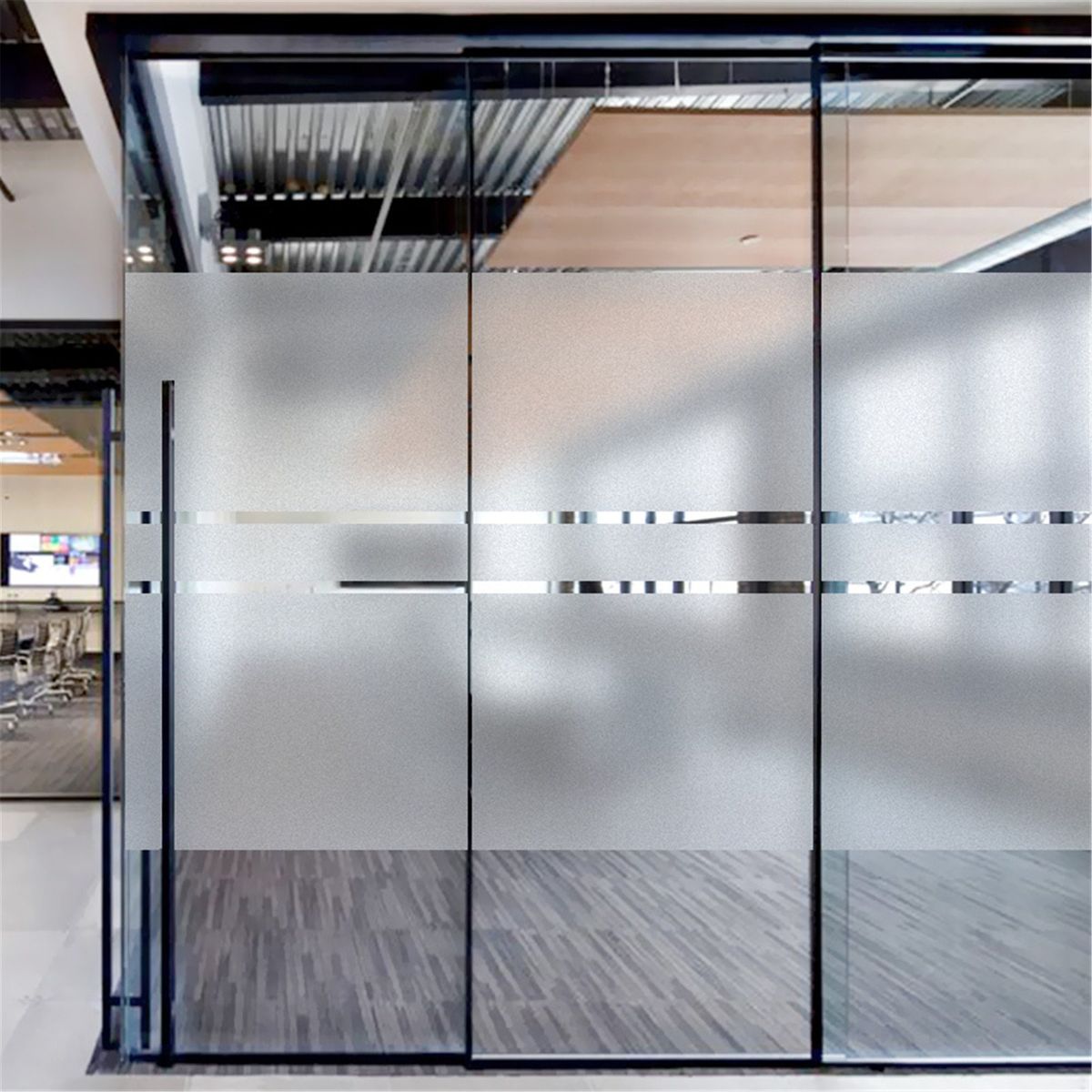
Frosted and privacy glass is installed where light is needed but direct visibility should be reduced. As a result, the installer has to manage the panel carefully so the finished appearance stays clean, even, and consistent in the space.
Safety glass panels are used where the opening is more exposed to contact, movement, or code-sensitive conditions. For that reason, installation must reflect the location of the panel, the type of support it needs, and the safety demands of the area around it.

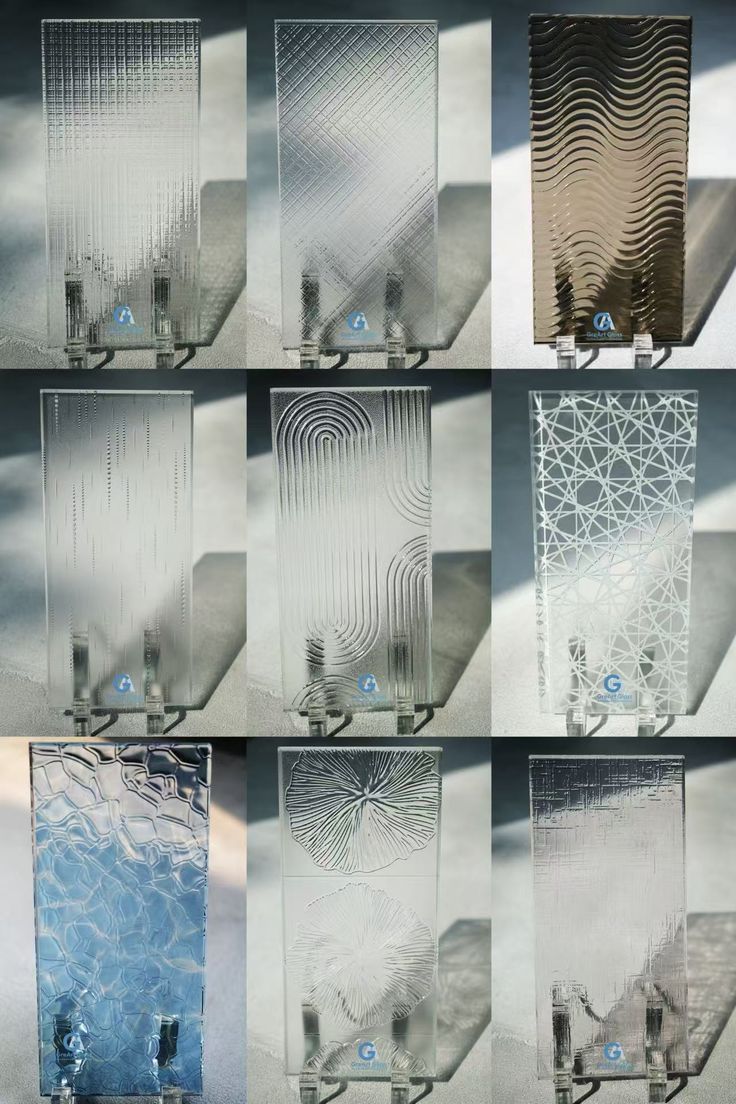
Decorative and feature glass is installed where the panel contributes strongly to the finished look of the space. Consequently, alignment, reveal consistency, and cleaner finishing details matter just as much as basic placement.
Custom-cut glass is used where the opening or panel size does not fit a standard format. As a result, installation leaves less room for error and requires closer control over measurement, support, and final fit.
The opening has to be measured accurately and checked for how square, level, and consistent it is before the glass is installed. As a result, the installer can avoid fit issues, edge pressure, and uneven clearances that would affect the final result.
Glass needs proper support at the correct points so the load is carried safely and evenly. For that reason, the installation has to account for weight transfer, bearing locations, and any condition that could create stress at the glass edge.
Some installations rely on an existing frame, channel, or structural surface that may no longer be perfectly sound or true. Consequently, the installer must check whether the surrounding support is stable enough to receive the new glass correctly.
Exterior and wet-area installations face different risks than dry interior spaces because water, temperature change, and weather exposure all affect the finished system. Therefore, the installation method has to reflect the actual exposure level of the project.
Glass installation is used in many types of openings, but the installation method changes depending on the panel size, support condition, exposure level, and function of the space. Therefore, the work should always reflect how the finished glass will be used rather than treating every panel like a simple insert.
Business properties often need window glass installation where the panel must align properly, sit securely, and perform reliably under daily commercial use. As a result, this type of work suits offices, retail spaces, and other active business environments.
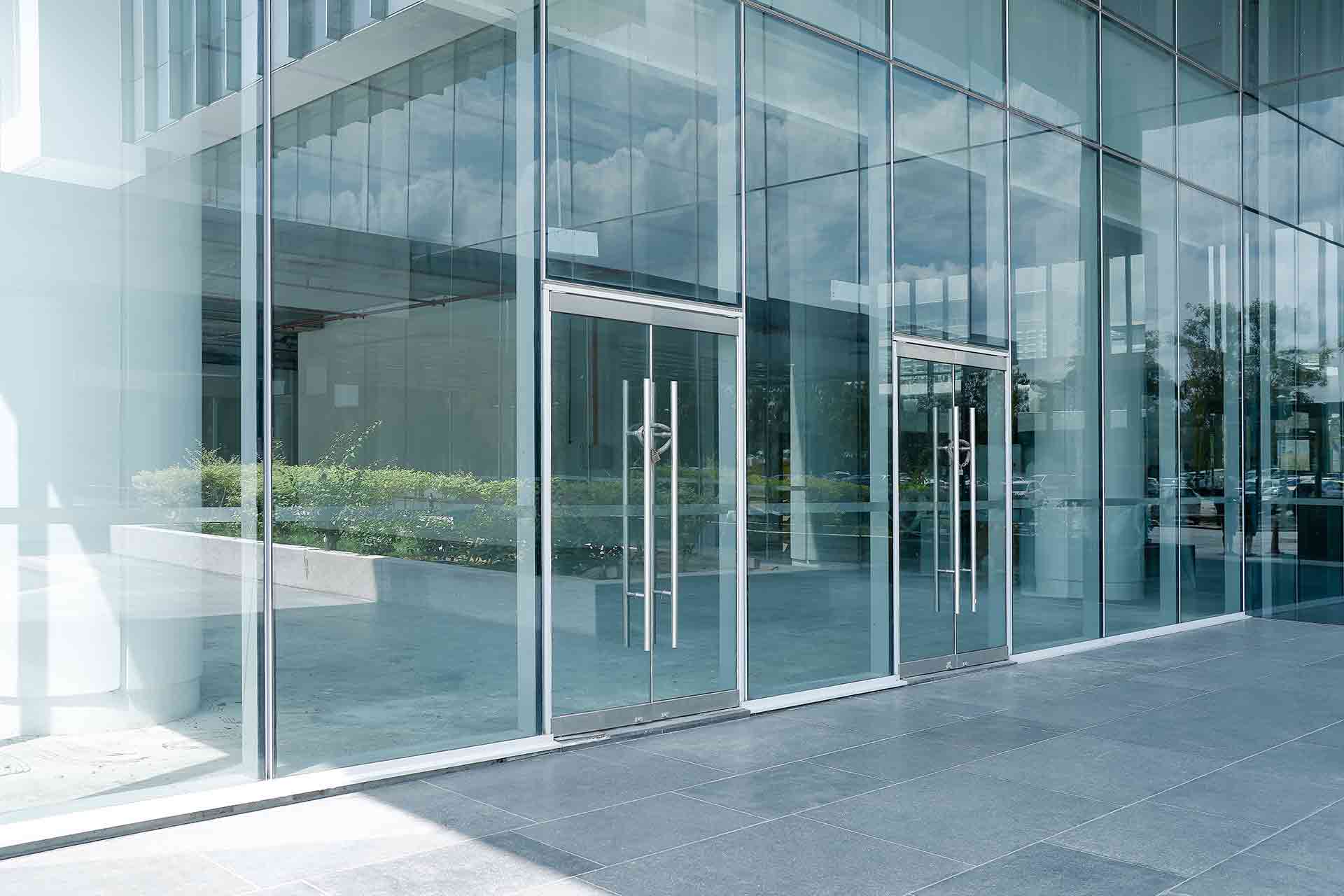
Commercial door glass installation is used where entry doors, interior glazed doors, or service-access doors need properly fitted panels that support visibility, safety, and regular operation.
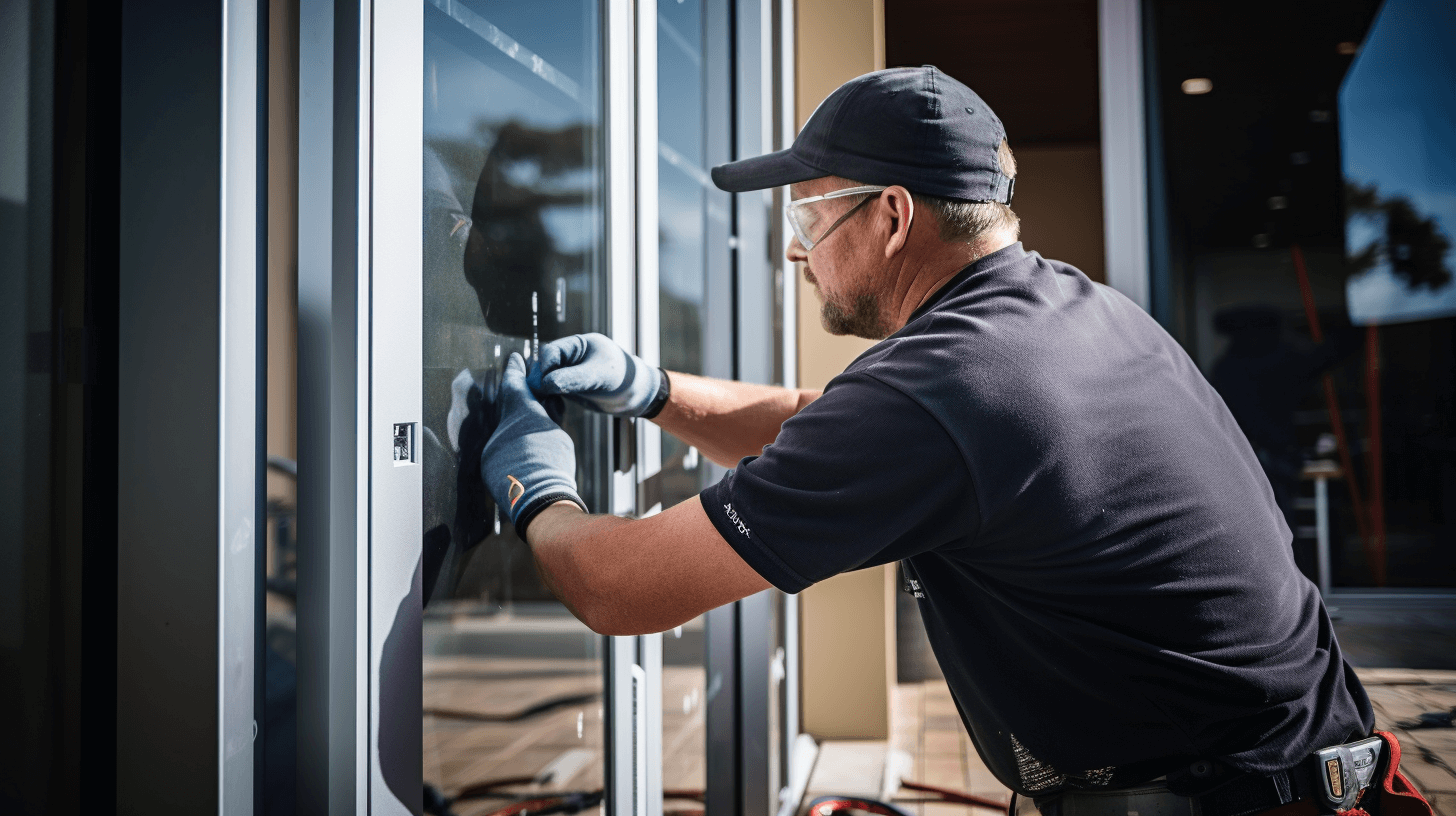
Storefront glass installation is commonly used in customer-facing commercial spaces where the glass needs clean alignment, safe support, and a finished appearance that suits the frontage of the property.
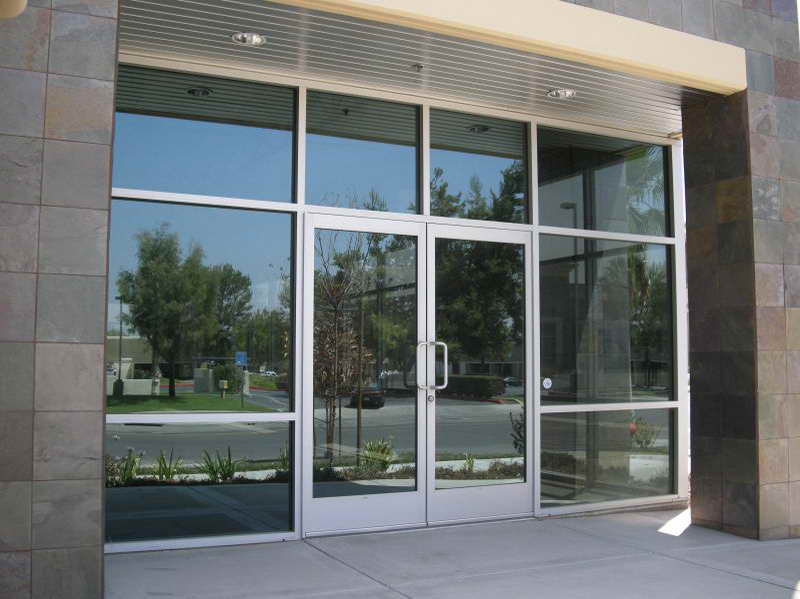
In homes, window glass installation is often required where new glass panels must be fitted accurately, supported properly, and finished more cleanly within existing openings or renovation work.
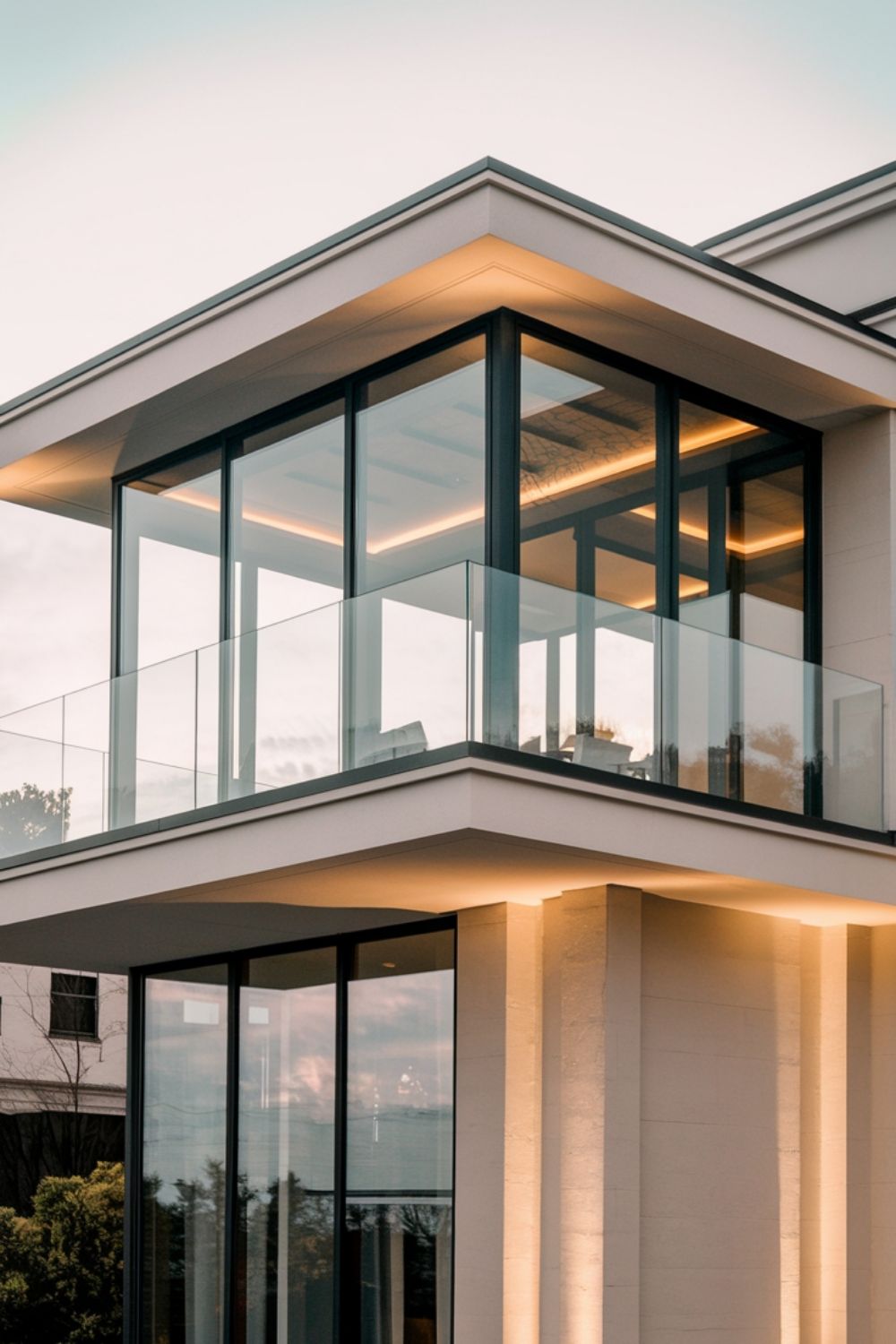
In residential properties, door glass installation is often needed in entry doors, patio doors, and other glazed door systems where the panel must be fitted correctly, sealed properly, and prepared for everyday use.
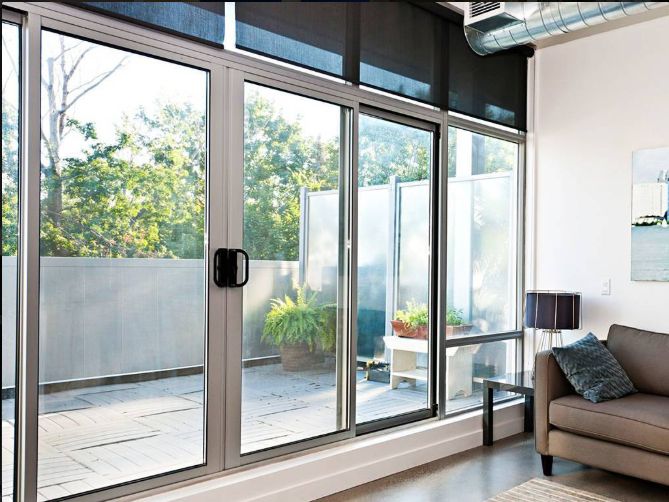
Glass installation is used in both interior and exterior applications depending on the function of the opening and the conditions around it. As a result, the installation may involve partitions, privacy panels, decorative features, or exterior glazed areas that need more careful sealing and weather exposure control.
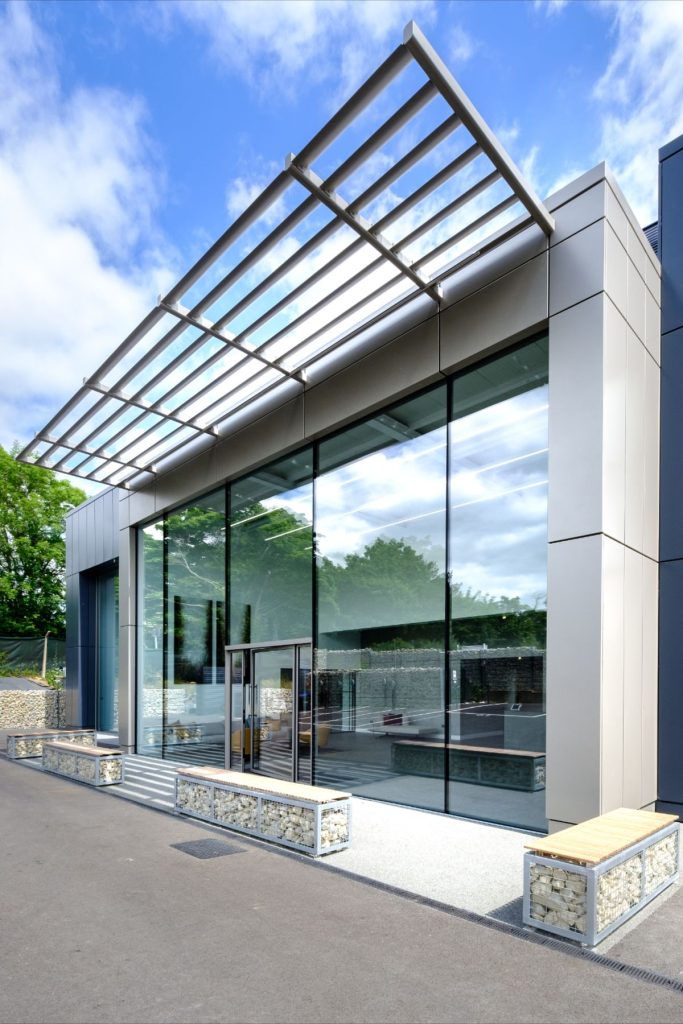
The quality of a glass installation is not judged only by whether the panel is in place. It is judged by whether the glass is supported correctly, aligned cleanly, and able to perform safely after the project is complete. Therefore, several installation priorities matter more than product choice alone.
Glass panels can be damaged before installation is even complete if they are moved carelessly or placed under the wrong kind of pressure. As a result, controlled handling is a core part of quality installation.
Glass performs best when its weight is carried where it is supposed to be carried. For that reason, support location, bearing points, and edge protection all matter during fitting.
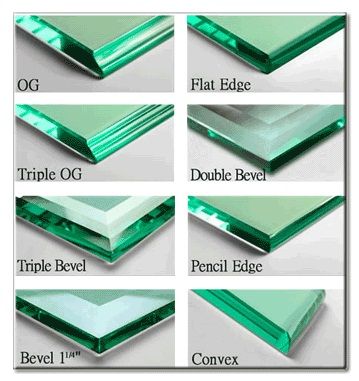
Poor spacing, crooked reveals, or inconsistent lines can make a finished glass installation look wrong even if the glass itself is fine. Consequently, clean alignment is part of both the technical and visual quality of the work.
Some installations require sealing that helps control moisture, movement, or transition at the edges of the glass. Therefore, the sealing method has to match the location and function of the installed panel.
Glass is less forgiving than many other materials when it is installed under uneven pressure or poor support conditions. As a result, proper clearances and better placement help reduce the risk of premature stress damage.
Non-standard spaces create less room for installation error because the panel has to match the opening more precisely. For that reason, careful measurement and controlled fit matter even more in custom work.
Glass installation should not only look good on day one. It should also remain stable, safe, and properly supported after the space is back in use. Consequently, installation quality affects long-term reliability as much as the glass type itself.
A well-installed glass panel improves the whole look of the space because it sits correctly, finishes cleanly, and feels intentional within the opening. Therefore, final appearance is a practical outcome of better installation, not just decoration.
Glass installation depends on what happens at the opening, not only on the panel that arrives on site. Therefore, clients usually need a team that can judge support conditions, handle the glass safely, and finish the installation cleanly within the actual space.
Every installation depends on how well the opening is measured, supported, and prepared before the panel is placed. As a result, careful control at this stage helps avoid fit problems, edge stress, and uneven final alignment.
Not all glass panels can be moved, positioned, or supported in the same way. For that reason, installation work should reflect the size, weight, and fragility of the panel rather than treating every job the same.
In many residential and commercial projects, the glass sits in a highly visible part of the space. Therefore, revealing consistency, cleaner lines, and a more finished appearance matter as much as basic placement.
Successful installation often depends on what is reviewed before the glass is brought to site. As a result, early planning helps reduce surprises, protects the panel, and improves the final fit.
Glass installation in Canada has to respond to climate, exposure, and code-sensitive use conditions that affect how the panel should be supported and finished. For that reason, installation planning should reflect real local demands, not a generic approach.
Glass installation needs a structured process because the panel, the opening, and the supporting conditions all have to work together. Therefore, the project should move through a controlled sequence that protects the material and improves the final result.
The process begins with the space itself, including the opening, support condition, and surrounding materials. As a result, the installation can be planned around the real site condition instead of assumptions.
Before installation proceeds, the glass type, dimensions, and application need to be confirmed against the intended use of the space. For that reason, measurement and product verification remain a key early step.
The supporting area may need checking, adjustment, or cleaning before the glass is placed. Consequently, preparation helps reduce stress points and improves fit once the panel is installed.
The panel is positioned, supported, and secured according to the needs of the application and the conditions of the opening. Therefore, placement must reflect both safety and long-term performance.
Where sealing, trim, or edge treatment is required, those details are completed as part of the installation rather than left as an afterthought. As a result, the panel performs and finishes more cleanly.
The installation should be reviewed for position, edge spacing, visual alignment, and practical stability once the panel is in place. For that reason, the final check is part of the installation standard, not a bonus step.
Before the project is complete, the finished work should be reviewed against the intended use, the fit of the glass, and the condition of the surrounding area. Consequently, the final result can be judged as a full installation outcome rather than a simple panel drop-in.
Glass installation projects can range from straightforward panel fitting to more complex work in exposed, custom, or highly visible areas. Therefore, the installation method should reflect the condition of the opening, the type of glass being used, and the demands of the finished space.
Some projects involve replacing glass within an opening that already exists, whether in a home, office, storefront, or interior feature. As a result, the work depends on accurate measurement, support review, and cleaner fitting within the current frame or substrate.
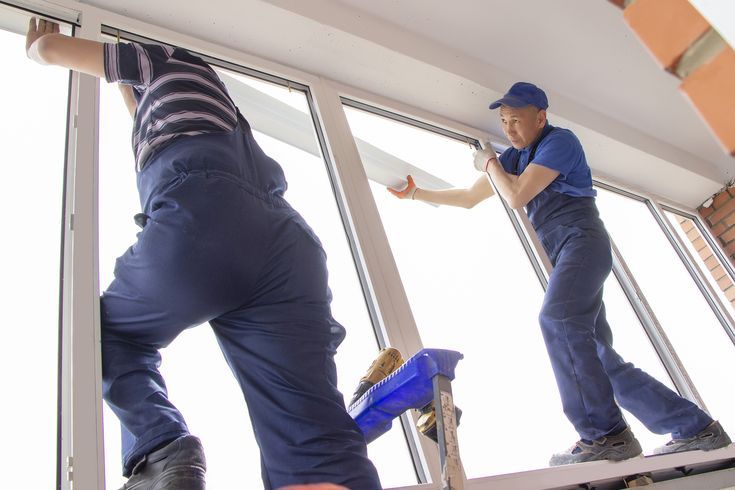
Other installations involve new panel placement as part of renovation, remodeling, storefront updates, or new glazed features. For that reason, the installation has to account for support conditions, access, alignment, and final finish within the updated space.
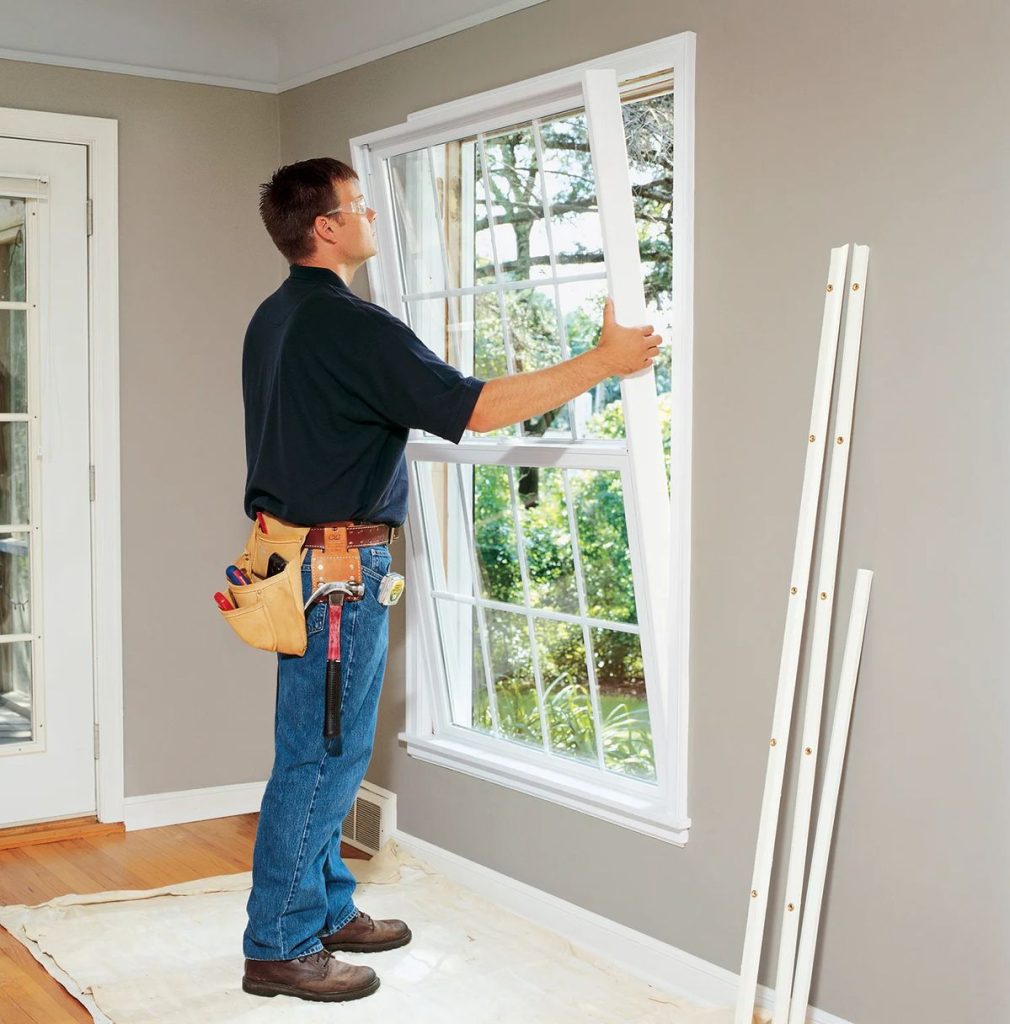
Custom work often involves unusual panel sizes, specialty glass, or openings that do not follow a standard format. Consequently, these projects require more controlled handling, more exact fitting, and better site-specific planning from start to finish.
Glass installation has to meet more than visual expectations. It also has to reflect where the panel is being used, how it is being supported, and what safety requirements apply once the work is complete. Therefore, code-aware installation is not separate from the job. It is part of getting the fit, support, and final performance right in Canada.
The NBC affects where certain glass types are required and how glazing should function in different openings. As a result, installation planning has to reflect the panel location, the surrounding use conditions, and the safety demands of the space.
In some applications, the way glass is installed influences thermal control as well as appearance. For that reason, installation work has to consider how the panel fits into the wider envelope and whether the completed opening supports better energy performance.
CSA-certified glazing products and related systems are tested to perform under specific conditions. Consequently, installation should preserve the clearances, support points, and placement conditions that allow the assembly to perform as intended after the panel is in use.
Some locations require safety glass because of impact risk, movement around the opening, or proximity to doors, floors, and access routes. Therefore, proper installation has to account for where safety glazing is mandatory and how the panel should be set and supported in those areas.
Provincial code requirements can affect glazing placement, moisture exposure, and opening performance in both residential and commercial settings. As a result, the installation method should reflect the specific local conditions and compliance needs that apply to the project.
At Window & Door Solutions, glass installation is planned around accurate fit, proper support, controlled handling, and a cleaner final result. Whether the project involves a custom panel, a new glazed opening, or glass being fitted within an existing frame, the installation method has a direct impact on safety, appearance, and long-term reliability.
If you need professional glass installation with better measurement, safer placement, proper support, and a finished look that suits the space, contact Window & Door Solutions today. Get a Free Estimate or Contact Us Today to discuss the right installation approach for your project.