Get Your Quote within 24 Hours
Kelowna Metal Doors are selected when security and durability take priority. Because these systems are built with reinforced materials, they provide stronger resistance against impact, forced entry, and daily wear. As a result, homeowners gain a more secure and dependable entry solution.
In Kelowna, changing weather and regular use place added stress on entry systems. Therefore, metal doors are designed to maintain structural integrity over time. In addition, they support heavier-duty hardware, which improves locking performance and overall protection.
At Window & Door Solutions, material selection focuses on matching the door to the level of use and required security. For example, some openings require thicker gauge steel or reinforced cores, while others benefit from corrosion-resistant finishes. Consequently, each option is chosen based on how the door will perform in real conditions.
Kelowna Metal Doors come in a range of configurations designed to match specific security levels, usage demands, and opening conditions. Because each property has different access needs, selecting the right type ensures better durability, control, and long-term reliability.
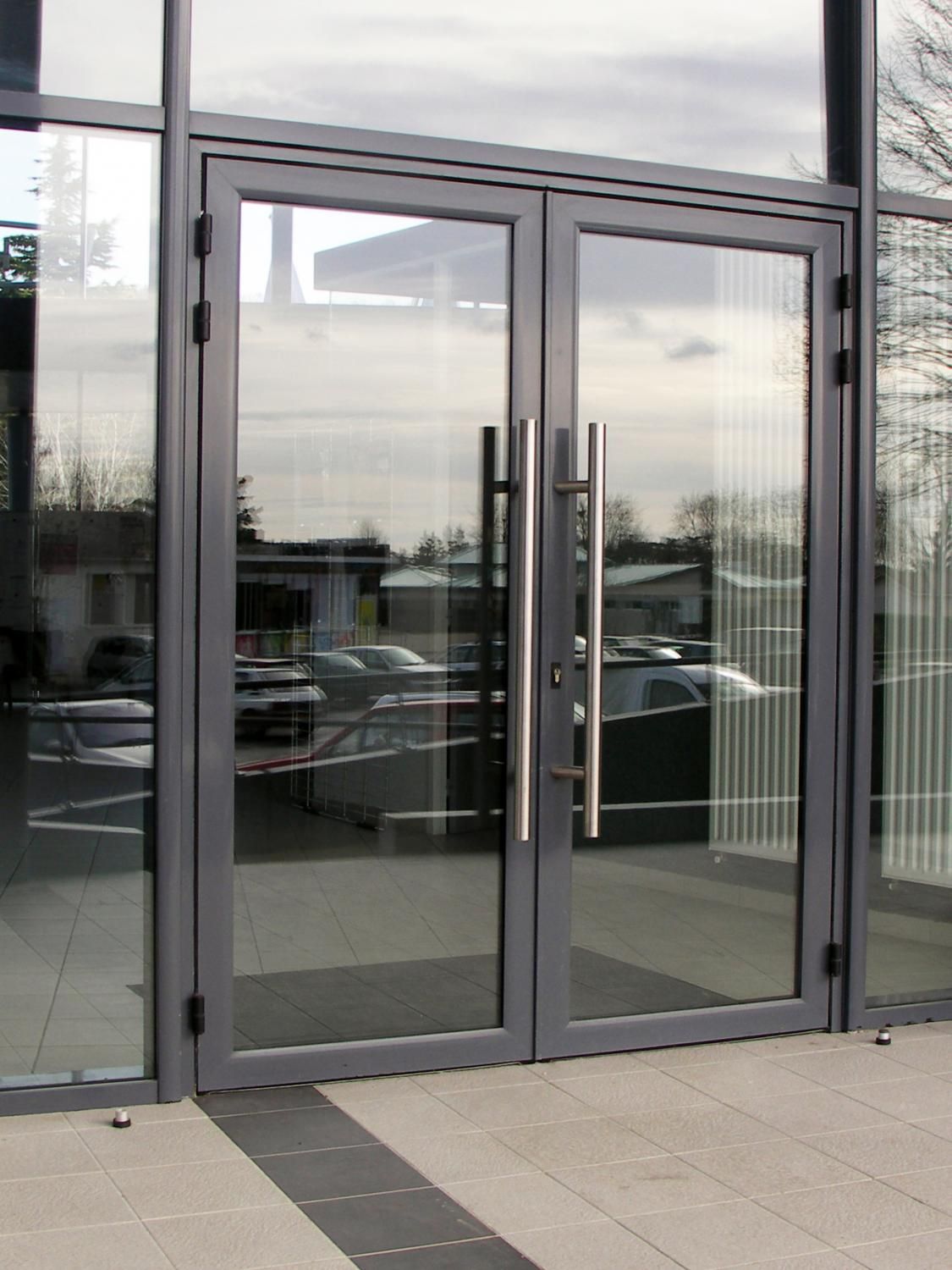
Aluminum doors are widely used where corrosion resistance and clean design matter. Since they are lightweight yet strong, they support daily use without adding excess strain to the frame.
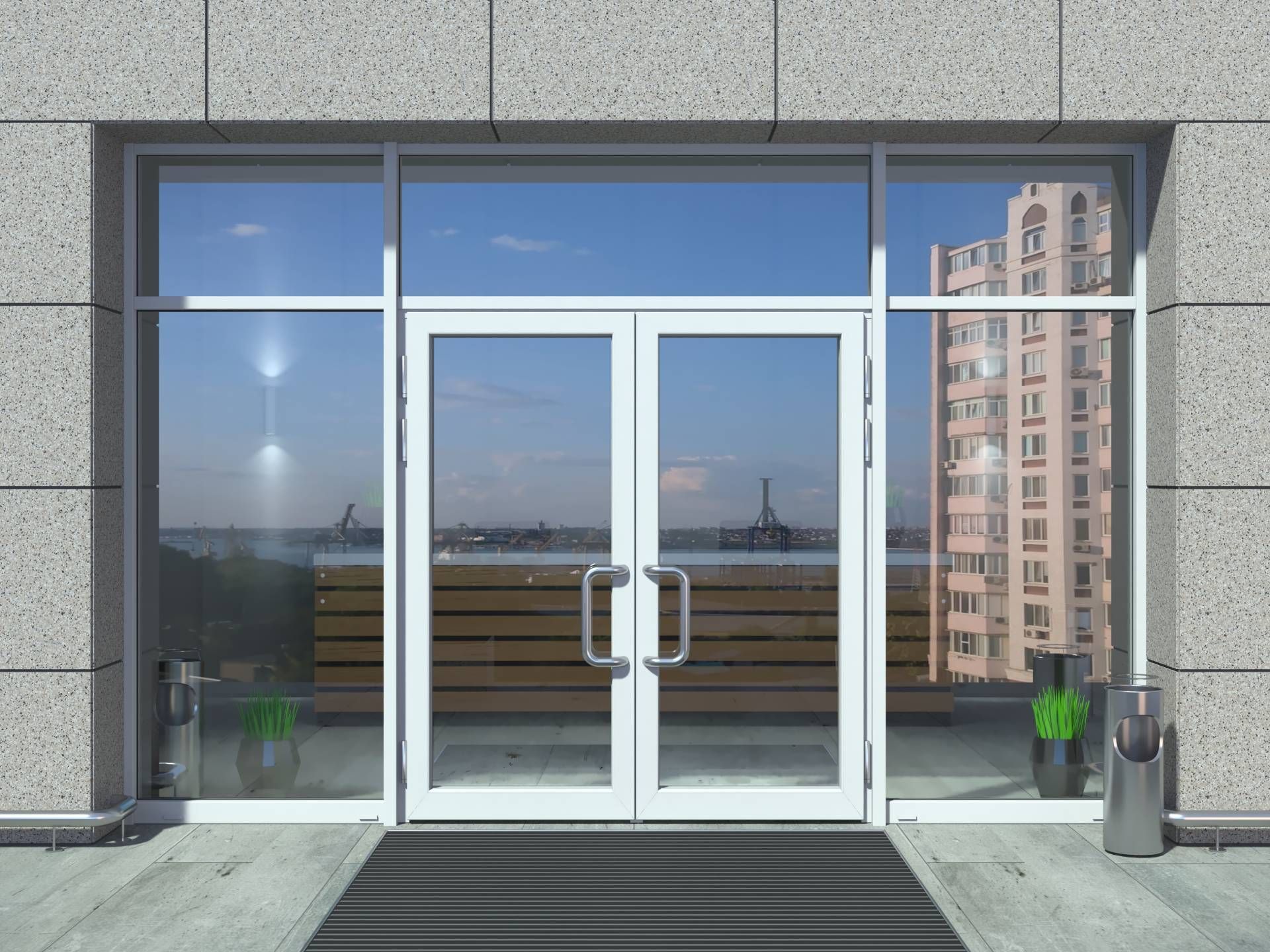
Aluminum entry systems combine frames, glass, and hardware into a single unit. Therefore, they are ideal for entrances that require durability along with visibility. In addition, they support consistent foot traffic while maintaining a secure and professional appearance.
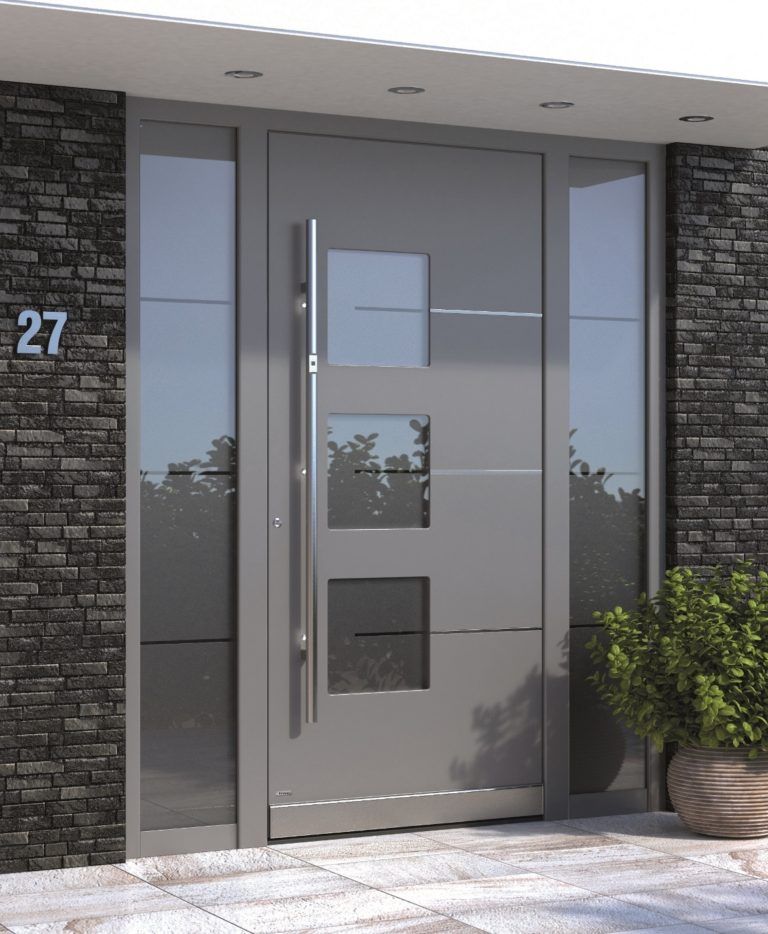
Aluminum entry doors offer a modern alternative for homeowners seeking strength without added weight. Because they resist weather exposure, they maintain performance over time. Consequently, they provide secure access with a clean, streamlined look.
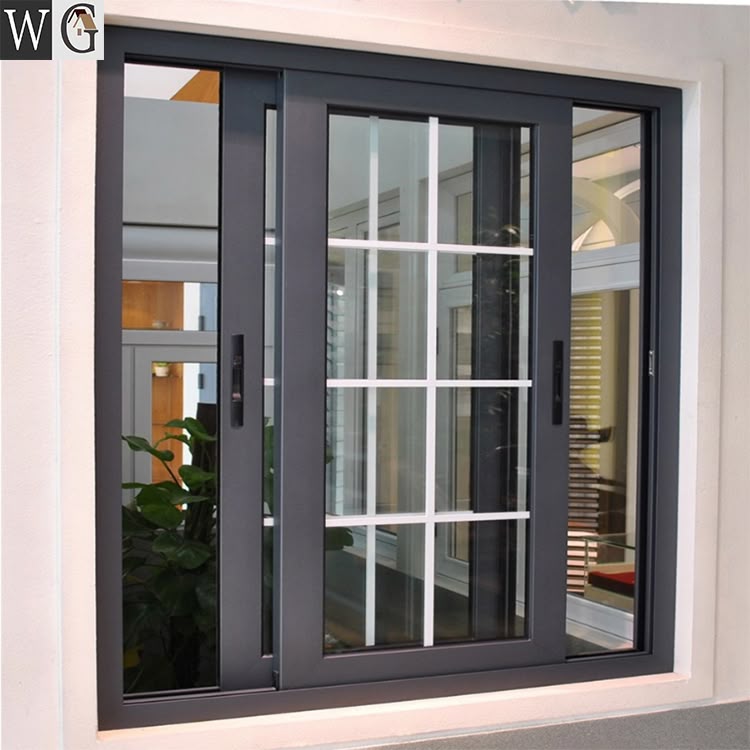
Aluminum patio doors are suited for larger openings that require slim sightlines. Since the material supports bigger glass panels, it improves visibility and natural light. At the same time, it maintains durability for long-term operation.
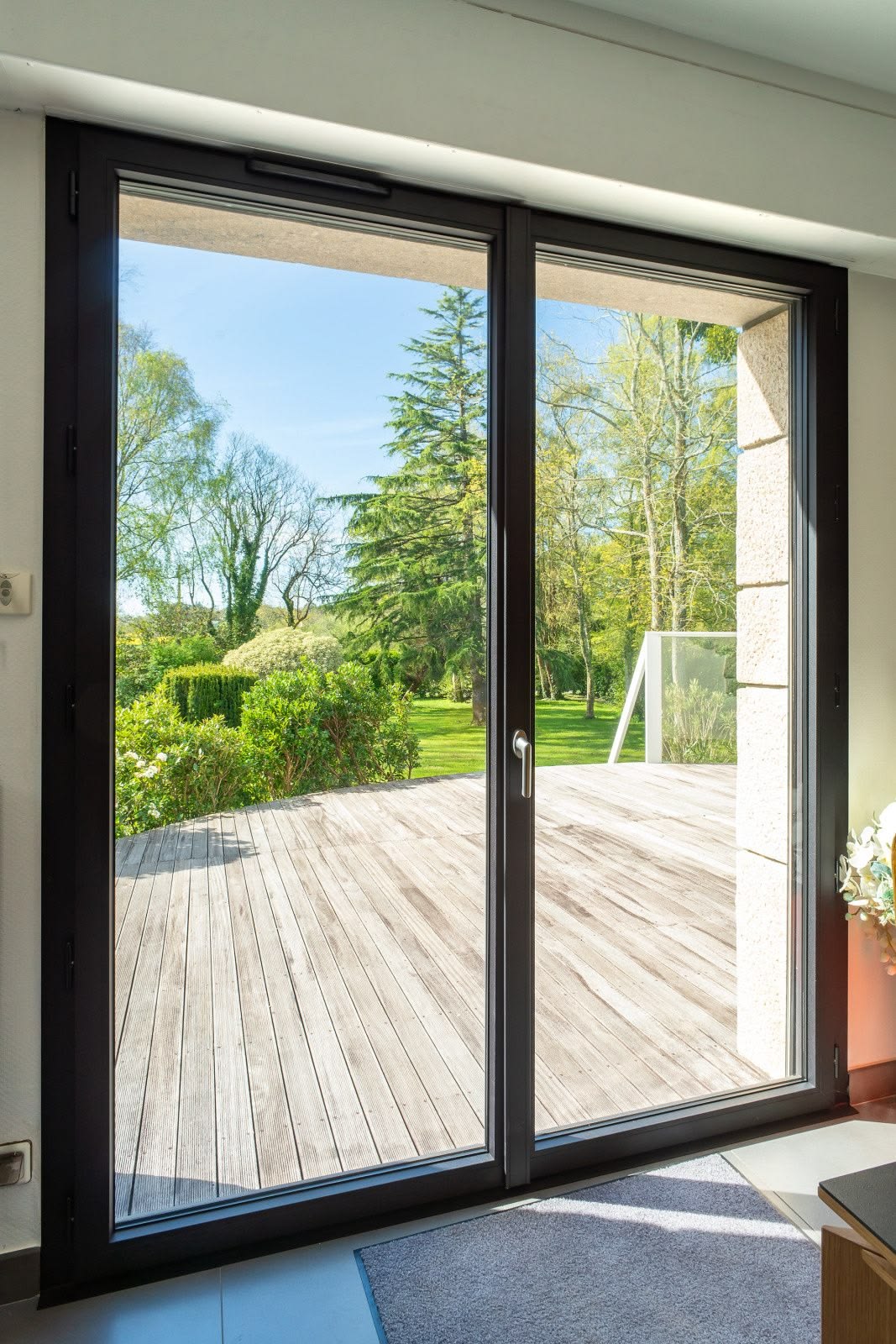
Interior metal doors are used in areas that require added durability and access control. For example, utility rooms and shared spaces benefit from their impact resistance. As a result, they handle frequent use without compromising function.
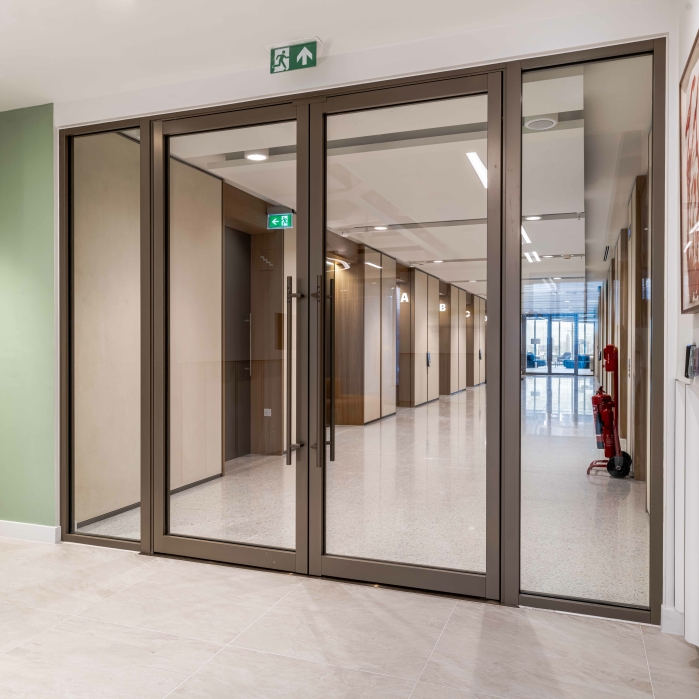
Steel doors are chosen when protection is the top priority. Because of their reinforced construction, they provide strong resistance against forced entry. In turn, they are commonly used for exterior entrances and higher-risk access points.
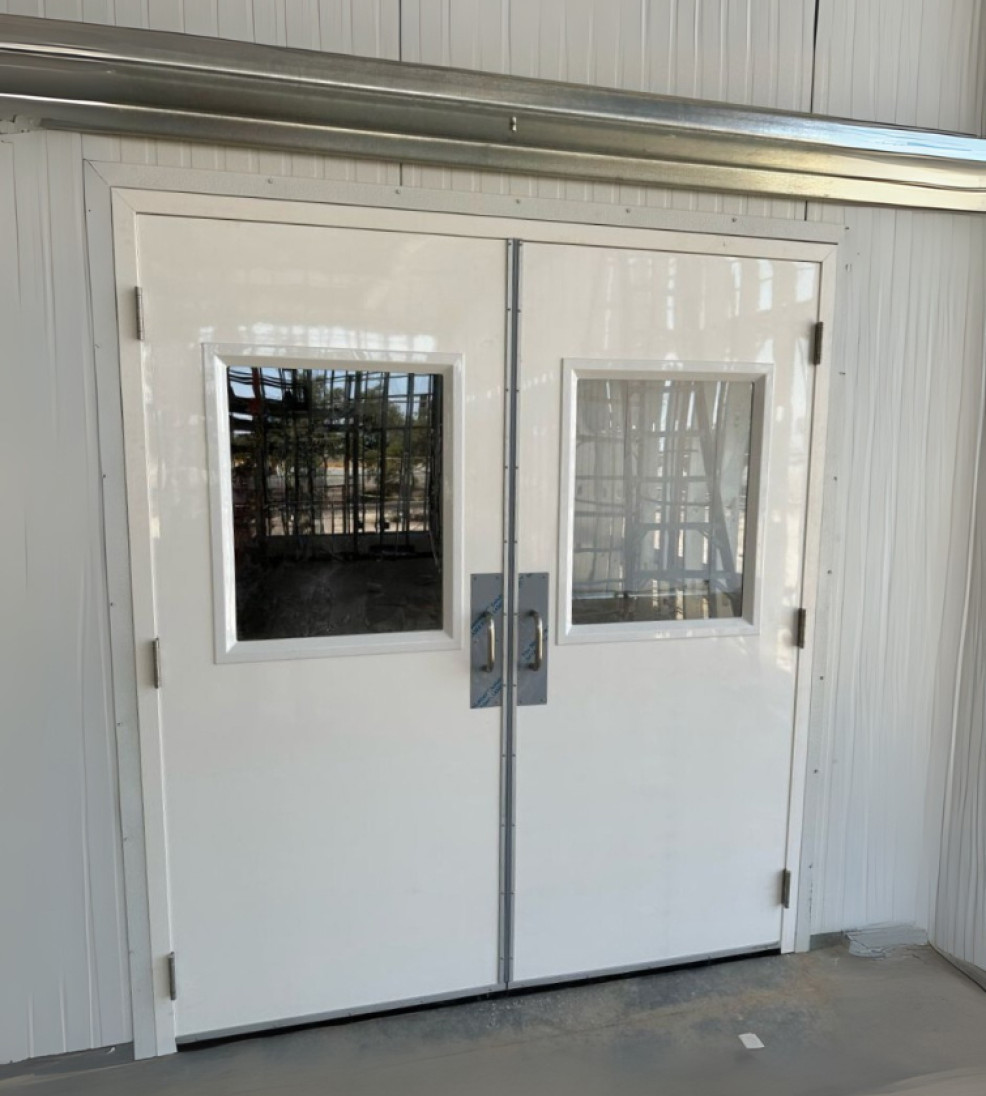
Steel front doors are designed for primary residential entrances. Since they support heavy-duty locking systems, they improve overall entry security. Additionally, they offer a solid, durable feel that holds up over time.
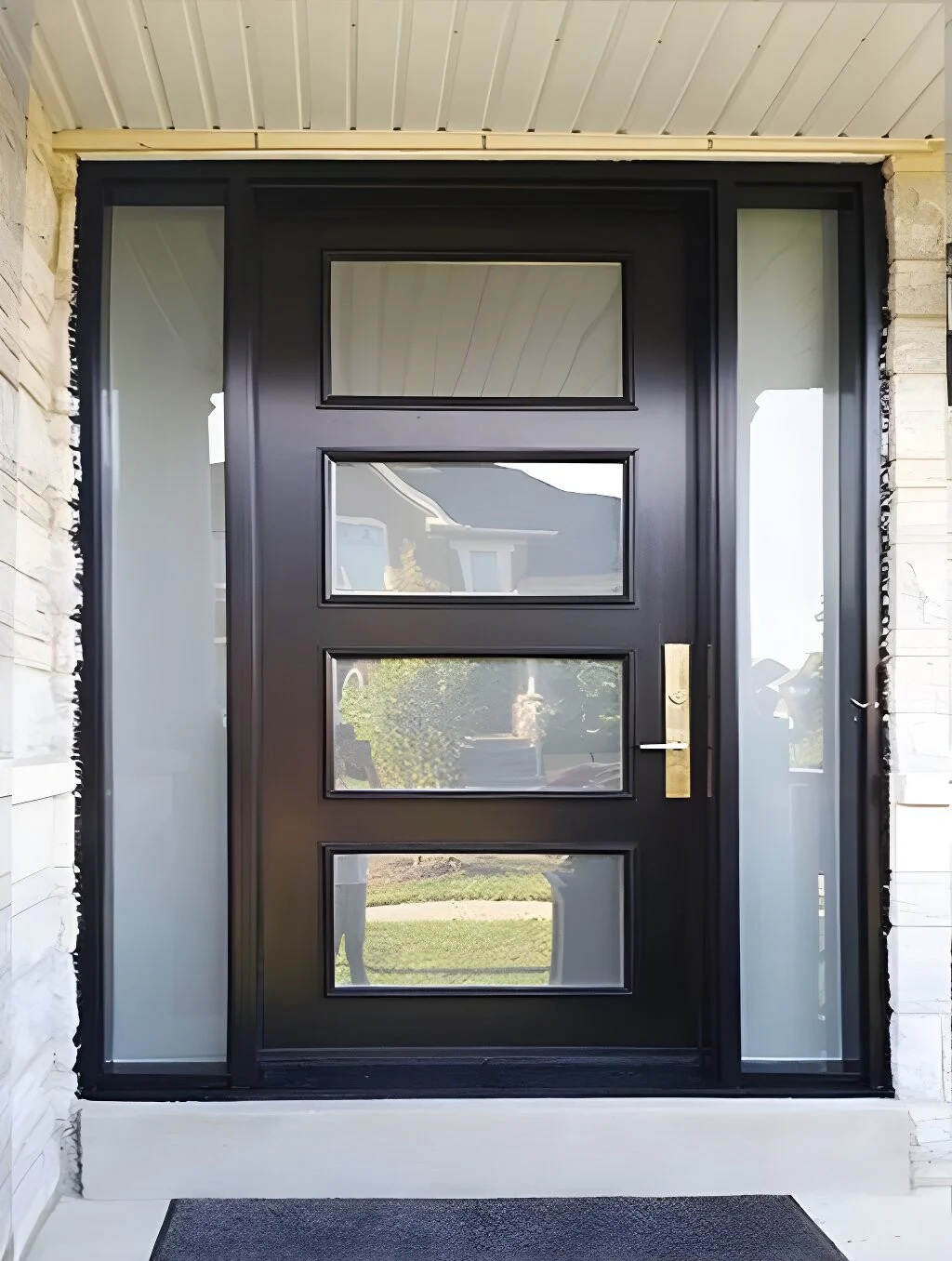
Custom metal door systems are built for openings that require tailored solutions. Whether adjusting size, adding reinforced hardware, or incorporating glass panels, these systems adapt to project demands. Therefore, they provide flexibility while maintaining security and durability.
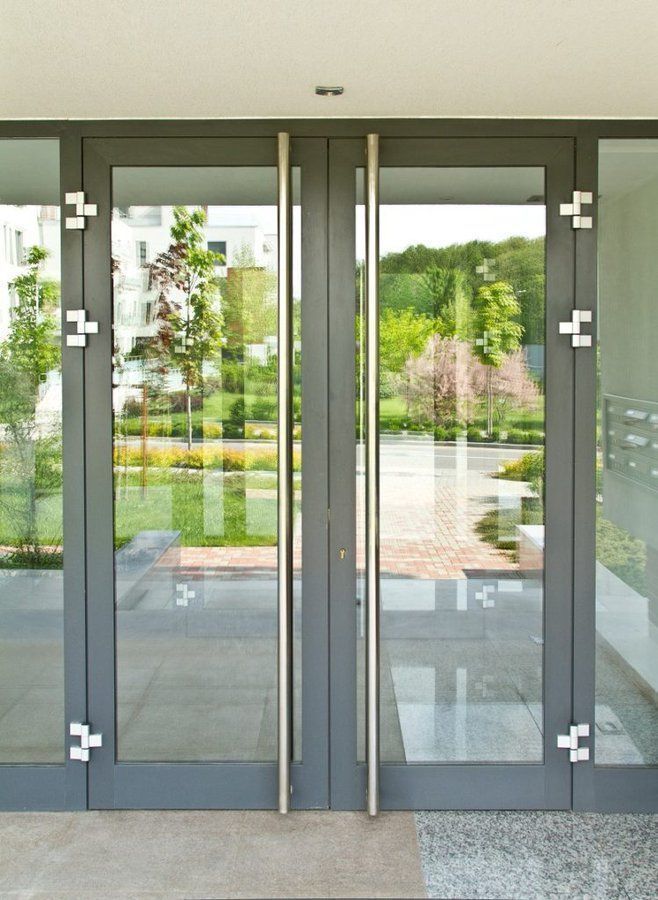
Each entry point carries a different level of exposure. For example, front entrances typically require higher security than interior utility rooms. Therefore, the selected metal door should align with the specific risk level and access needs of that location.
A durable door alone does not secure the opening. If the surrounding frame or wall lacks strength, performance is compromised. Consequently, proper structural support ensures the door system delivers full protection.
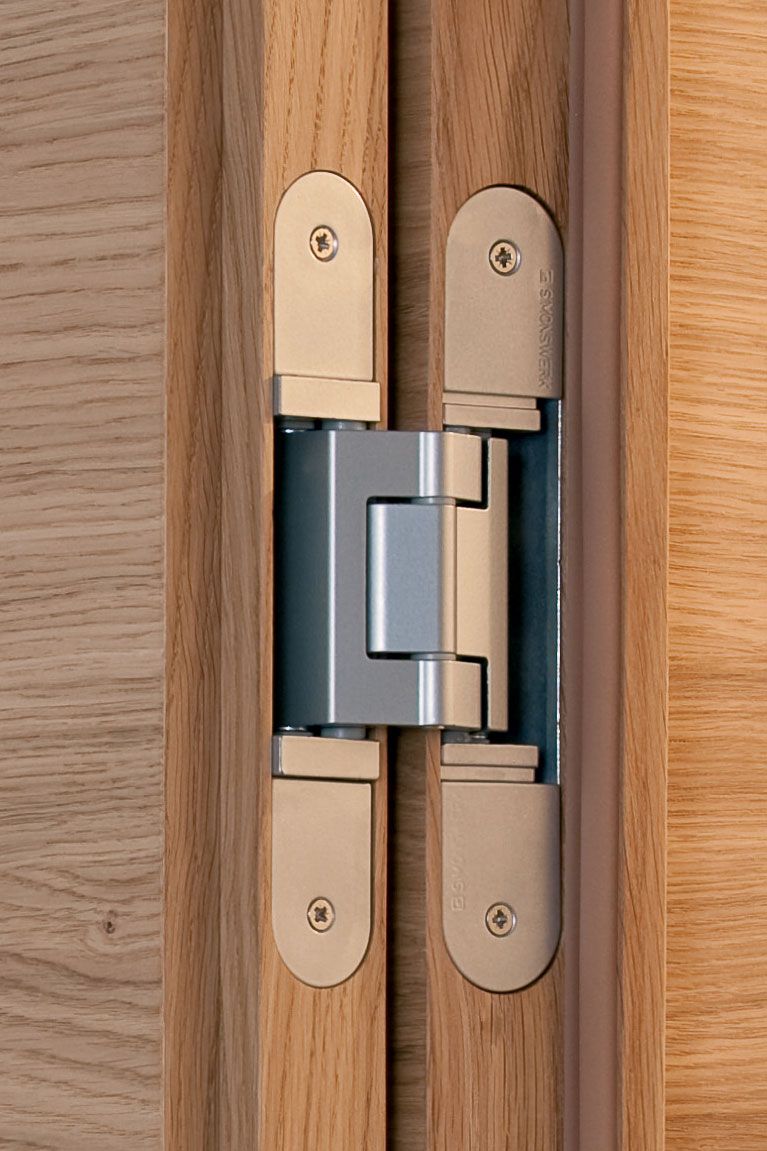
Security depends heavily on the right hardware. Deadbolts, reinforced hinges, and access-control components all contribute to overall performance.
Doors used frequently require stronger components. High-traffic openings benefit from heavy-duty hinges and better alignment systems. As a result, the door maintains smooth operation without developing issues like sagging or poor latching over time.
Metal doors are commonly used in homes, garages, and shared residential buildings. For example, rear entries, side doors, and utility rooms often require added durability. Therefore, these doors help secure areas that experience regular use or limited visibility. In addition, multi-unit properties benefit from improved access control in shared spaces.
Commercial buildings rely on metal doors for secure and durable operation. In particular, stockrooms, service corridors, and rear exits require stronger materials. Because these areas see higher traffic and greater risk, metal doors provide dependable performance. Consequently, businesses maintain better control over access while supporting daily operations.
Kelowna Metal Doors rely on more than just a strong outer surface. Because true security comes from the full assembly, each component must work together to deliver strength, durability, and proper fit. As a result, understanding these details helps buyers choose a system that performs reliably over time.
The outer steel layer plays a major role in impact resistance. Thicker gauge steel provides better protection against dents and forced entry.
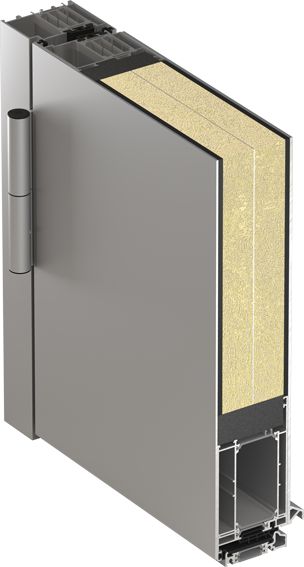
A metal door performs only as well as the frame supporting it. Since the frame anchors hinges, locks, and strike points, it must be reinforced properly.
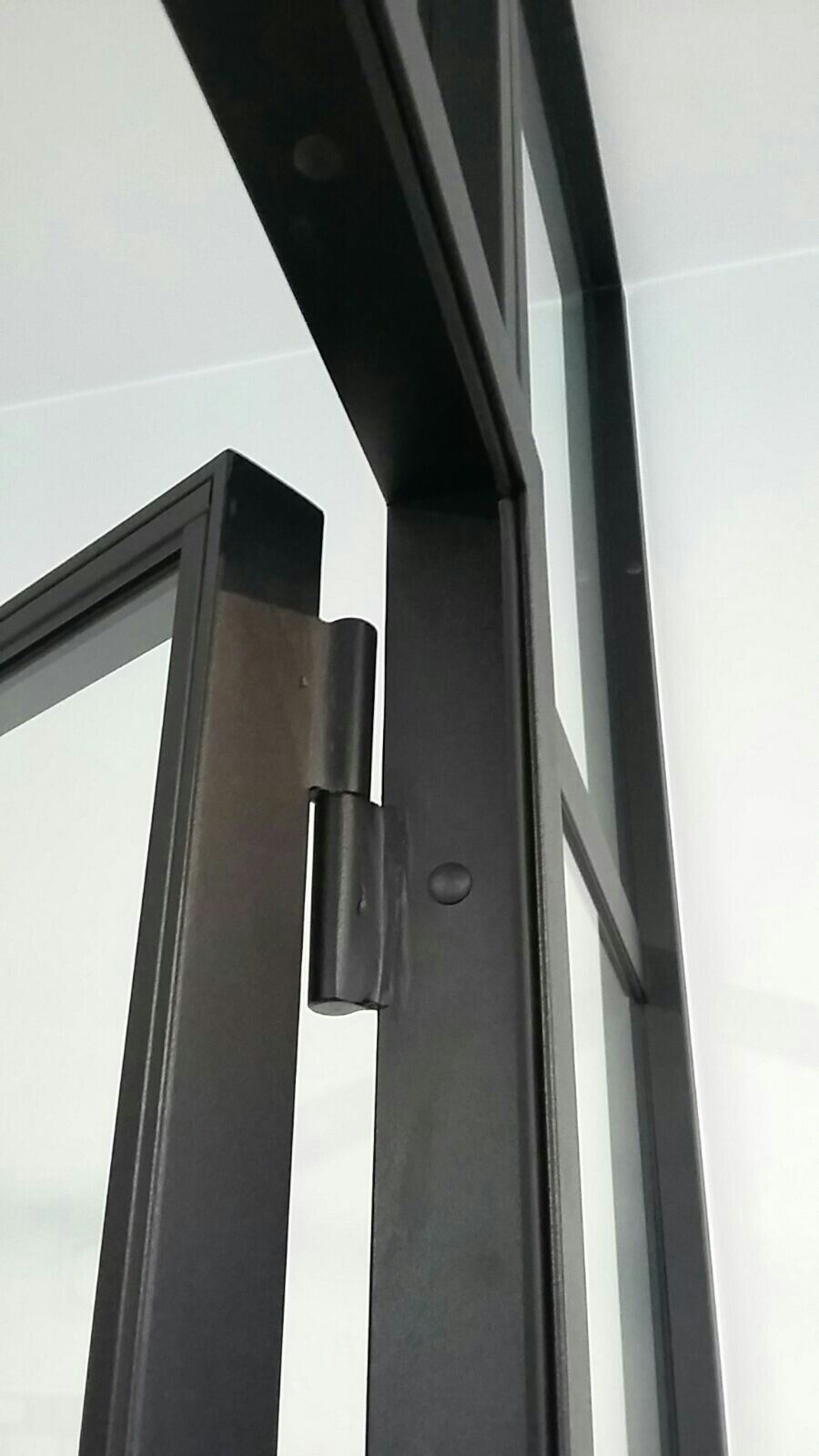
The internal core adds both structure and thermal performance. Because insulated cores reduce heat transfer, they improve comfort in exterior applications.
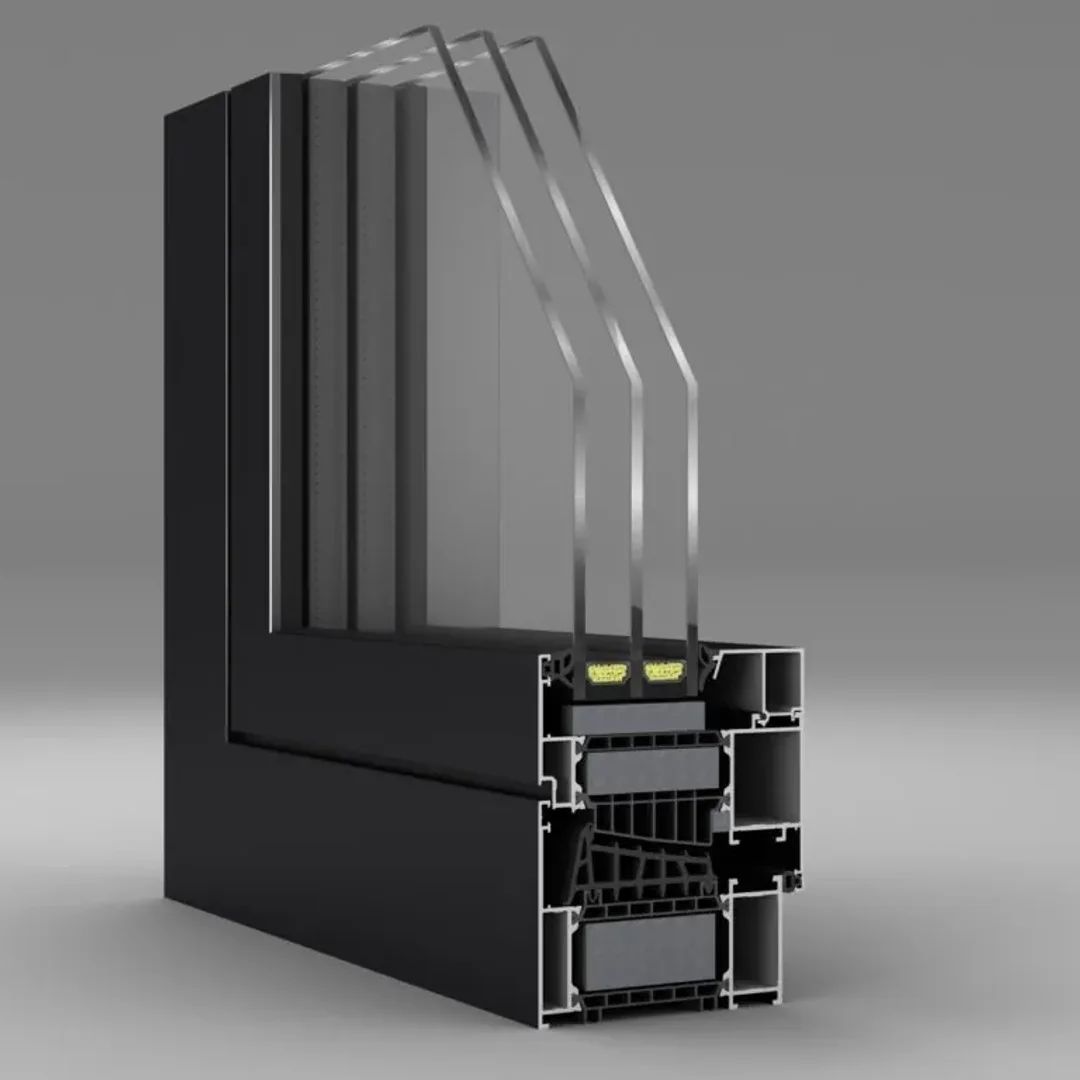
Hardware components directly affect how the door functions. Hinges, closers, and reinforced strike areas must handle repeated use without failure. As a result, strong hardware ensures the door closes properly, latches securely, and maintains alignment.
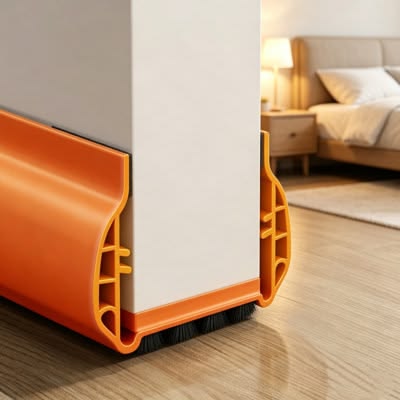
Exterior metal doors require effective sealing to perform properly. Weather seals and thresholds block drafts, moisture, and outside noise. Therefore, even a strong door system depends on proper sealing to maintain comfort and protection.
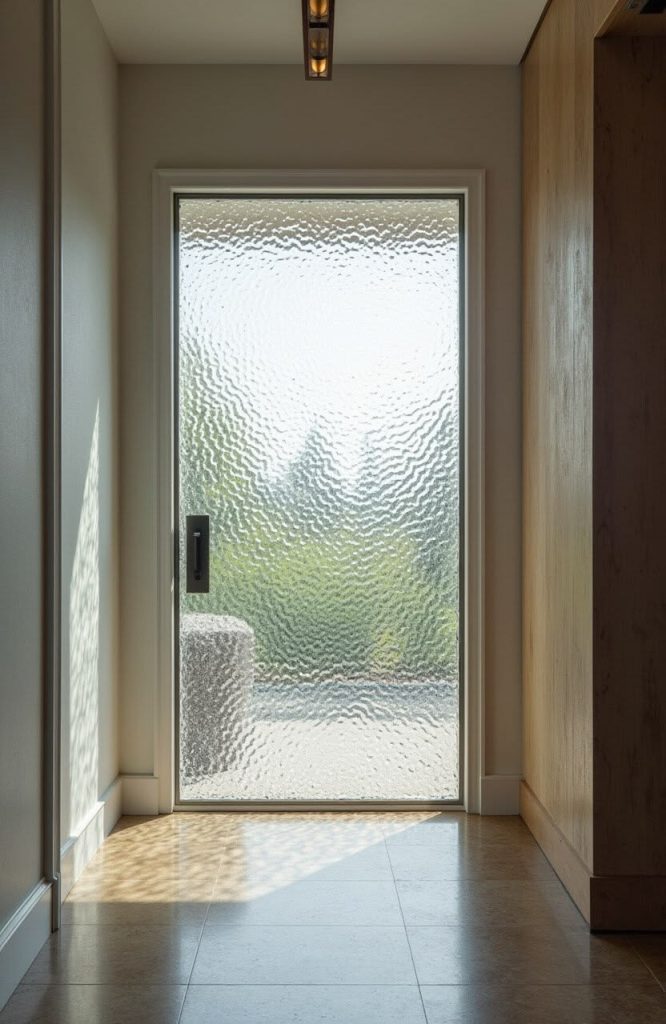
Metal doors with glass lites need the right safety or security glass. This allows visibility or daylight without weakening the protection level of the opening.
Kelowna Metal Doors enhance both protection and everyday function when the full system is properly selected. Because performance depends on multiple components working together, the right combination of material, frame, and hardware delivers consistent results. As a result, these doors provide dependable security without sacrificing usability.
Metal doors create a stronger barrier against impact and forced entry. Therefore, they are well suited for openings that require added resistance. In addition, their rigid construction helps maintain integrity under regular use.
Stronger materials allow for better hardware integration. Because metal doors can handle reinforced locks, hinges, and access systems, the entire assembly becomes more secure. Consequently, the opening performs as a unified system rather than separate parts.
Durability is a key advantage of metal door systems. Since they handle frequent operation and exposure well, they maintain performance longer than lighter alternatives. As a result, they provide reliable service across both residential and commercial settings.
Controlling entry points becomes easier with secure metal doors. For example, storage rooms, garages, and service areas benefit from stronger restriction. Therefore, these systems help manage who can enter specific areas.
Certain applications require fire-rated assemblies. Because metal doors can meet these requirements, they are often used in multi-unit and commercial buildings. In turn, they support safety planning without compromising durability.
Exterior metal doors perform well when paired with proper cores and seals. Since they help block wind, moisture, and temperature changes, indoor comfort improves
Modern metal doors offer a refined look while maintaining strength. Because of this, they suit both residential and commercial properties that require security without a heavy industrial appearance.
Reliable function matters for high-use openings. When supported by proper frames and hardware, metal doors open, close, and latch smoothly. As a result, they maintain performance without frequent adjustment.
Selecting Kelowna Metal Doors requires more than picking a material. Because security depends on the full system, every component must be considered together. As a result, our approach focuses on matching the right door solution to the specific risks and demands of each opening.
Every project begins with a detailed review of the opening. We assess access points, exposure levels, and locking requirements before recommending options. Therefore, the selected door aligns directly with the intended level of protection.
Different environments require different materials. For that reason, we guide buyers through options such as aluminum, steel, insulated cores, and custom metal systems. Consequently, each choice reflects how the door will perform under daily conditions.
Security does not rely on the door slab alone. Hinges, locks, frames, and closers all play a role in performance. Because of this, we evaluate the complete assembly to ensure no weak points reduce effectiveness.
Metal door requirements vary between residential and commercial settings. While homes may focus on entry security, commercial spaces often require higher durability and access control. As a result, solutions are tailored to match each environment.
Durability depends on more than initial selection. We consider alignment, sealing, and hardware function to support consistent operation over time. Therefore, the final system continues to perform reliably well beyond initial use.
Kelowna Metal Doors require a structured process because security depends on the full opening, not just the door itself. Therefore, each step focuses on risk, fit, hardware, and long-term performance. As a result, the final system operates reliably while maintaining proper protection.
We begin by reviewing the door location and overall condition of the opening. At the same time, we assess risk level, access requirements, and daily use. This step ensures the door solution matches real security needs.
Next, we guide the selection based on function and exposure. Whether aluminum, steel, insulated, or custom systems are considered, each option is matched to the opening. Consequently, the door performs as intended in its environment.
Security depends on more than the door panel. For that reason, we plan frame strength, hinge capacity, lock systems, and thresholds together. In addition, access-control components are reviewed where required.
Precise measurements are taken to confirm sizing and clearance. Because proper fit affects alignment and sealing, this step prevents common issues like gaps or poor latching. As a result, the system integrates correctly with the opening.
Before installation, the surrounding structure is checked and adjusted if needed. Weak or damaged components are addressed to create a stable base. Therefore, the door system can perform without compromise.
The installation includes the door slab, frame, hinges, locks, closers, and seals. Each component is fitted according to the planned configuration. Consequently, the full assembly works together for security and durability.
After installation, all functions are tested carefully. For example, swing, latch alignment, locking, and seal contact are reviewed. This ensures the door operates smoothly while meeting security expectations.
Our metal door services support security upgrades, new installations, and custom systems for residential, commercial, and shared-property openings that need stronger protection.
New metal door installation suits openings that need a complete secure assembly. We plan the slab, frame, hardware, seals, and threshold together.
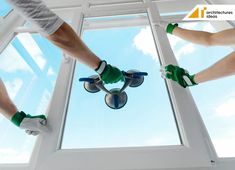
Metal door upgrades suit older or weaker openings that need stronger material, improved locking, better hardware support, or more dependable access control.
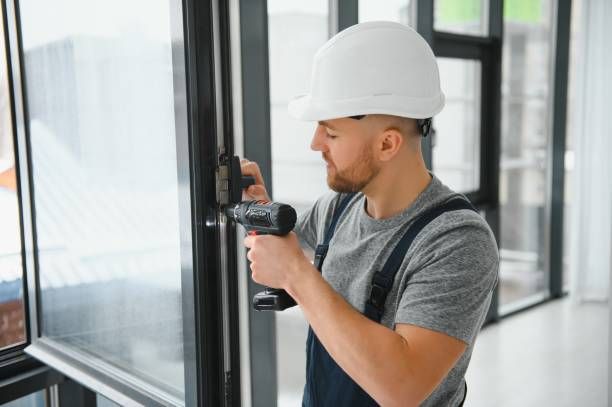
Custom metal door solutions suit unusual sizes, glass lites, reinforced hardware, commercial specifications, and site-specific security needs that standard options cannot meet.
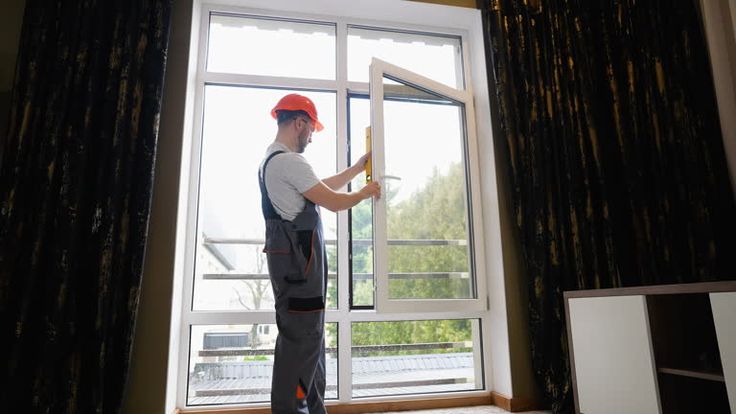
Metal doors may involve safety, access, fire rating, energy performance, glazing, and local code requirements. Code-aware planning helps the door match the opening and intended use.
Metal doors may affect safe movement, fire separation, egress, and shared-building access. Therefore, door type, swing, hardware, and rating must suit the opening use.
Exterior metal doors can affect heat loss, air leakage, and comfort. As a result, insulated cores, seals, frames, and thresholds should support better envelope performance.
CSA-tested door components, glazing, and hardware help support dependable performance. For metal doors, this matters when security, fire rating, weather resistance, or frequent use is involved.
Fenestration Canada best practices support proper product selection, door performance, glazing quality, and installation awareness for Canadian buildings and climate conditions.
Provincial codes may affect fire-rated doors, safety glazing, accessibility, egress, and exterior opening details. For that reason, metal door planning should reflect local requirements.
Metal doors should improve security without creating fit, operation, or sealing problems. The right system supports protection, access control, durability, weather resistance, and reliable daily use.
At Window & Door Solutions, we help security-focused buyers choose metal doors that match the opening, frame, hardware, and protection level. Whether you need aluminum, steel, interior, exterior, or custom metal door solutions, we can help you plan the right system.
Contact Window & Door Solutions today to discuss metal doors for your property and choose a secure, durable door solution built for long-term performance.