Get Your Quote within 24 Hours
At Window & Door Solutions, steel windows are chosen for projects where the frame needs to do more than hold glass. In both luxury homes and commercial spaces, steel is often selected because it allows slimmer sightlines, stronger structural control, and a more defined architectural look than many standard window materials. As a result, steel windows appeal to buyers who want cleaner lines, larger glass presence, and a window system that contributes directly to the design language of the building.
These windows also stand apart because they combine visual refinement with material strength. They suit projects where precision matters, where glazing proportions need to feel deliberate, and where the frame should support a stronger industrial, modern, or architectural character. Therefore, these windows are not usually chosen as a generic alternative. They are chosen when the project calls for a specific material presence, a more exact visual result, and a window system that fits design-led residential or commercial architecture in Canada.
Steel windows are used in more specialized ways than many standard window systems because the material supports narrower sightlines, stronger frame control, and better compatibility with demanding openings. Therefore, the right window type usually depends on whether the project needs fixed glazing, controlled ventilation, custom geometry, or code-sensitive performance.
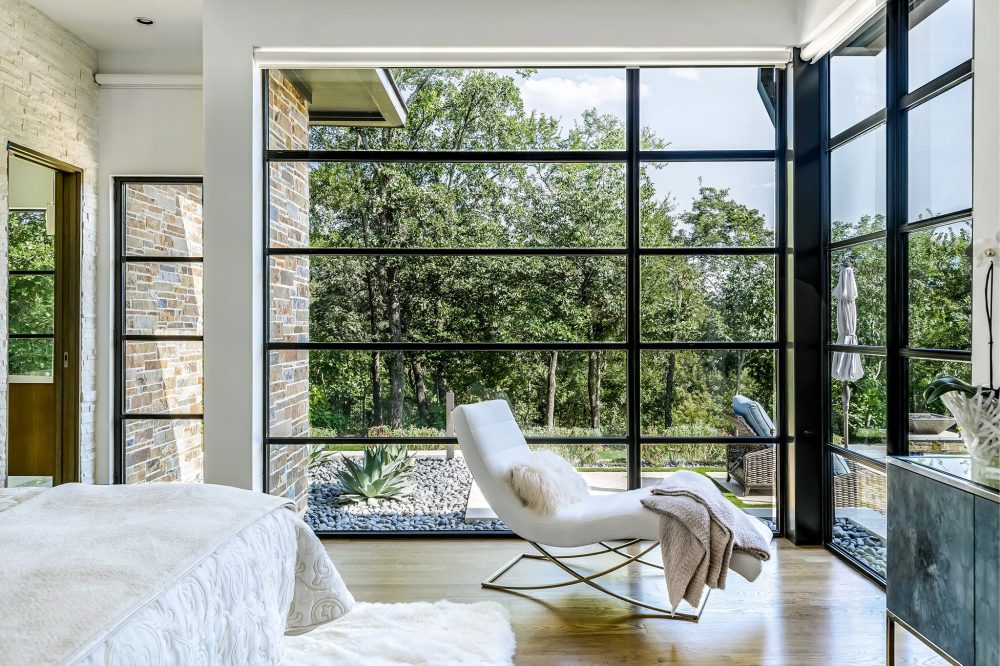
Fixed steel windows are often used where the goal is to maximize visible glass and keep the frame line clean and uninterrupted. As a result, they work well in luxury residential elevations, stairwells, and commercial façades where daylight and view matter more than direct ventilation.
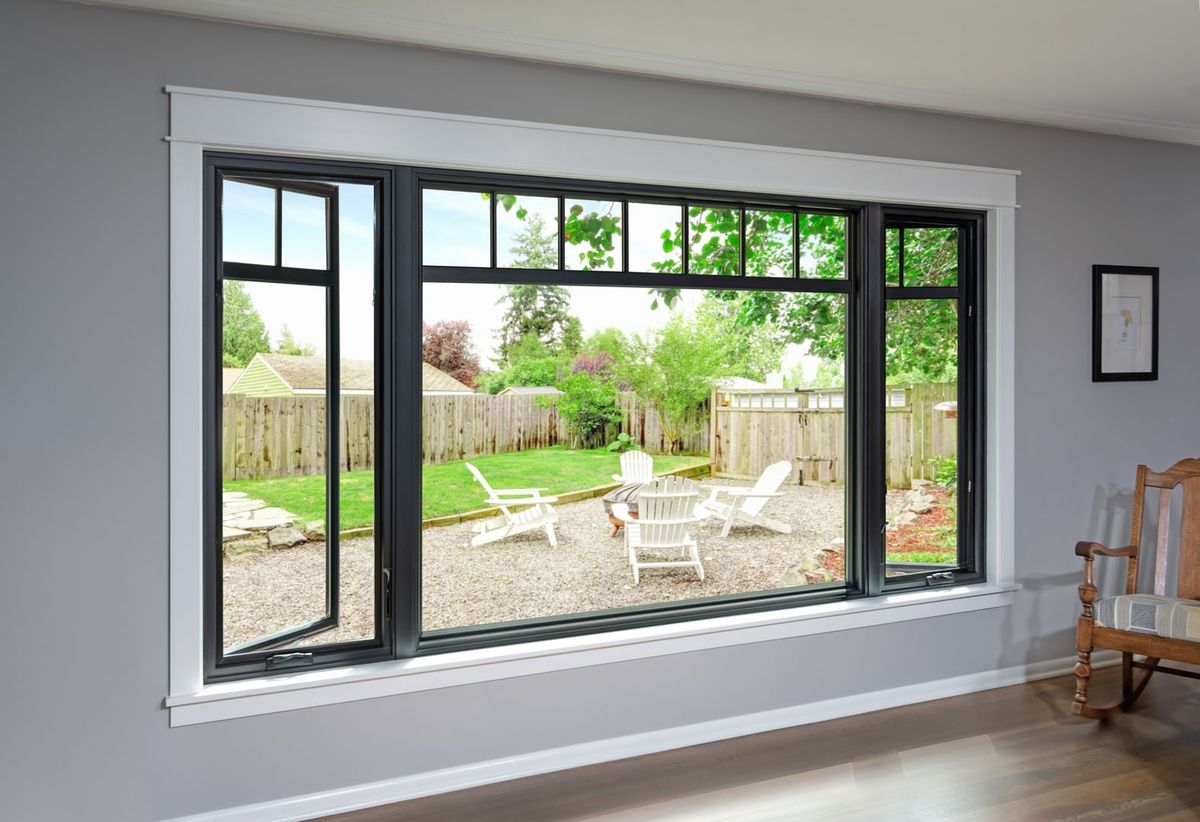
Steel casement windows are used where the project needs operable ventilation with a tighter and more refined framed look. For that reason, they suit residential and commercial spaces where opening performance and narrow sightlines both matter.

Steel awning windows fit smaller openings that still need airflow without disrupting the broader wall composition. Consequently, they are often used in bathrooms, service spaces, and supporting glazed sections within larger steel-framed designs.

Steel pivot windows are chosen where the design calls for a more distinctive opening method and a stronger architectural statement. Therefore, they suit custom projects where the movement of the window is part of the visual character of the space.

Steel hung windows bring a more familiar vertical format into a stronger and more architectural material category. As a result, they suit projects that want a traditional window format with cleaner detailing and stronger material presence.

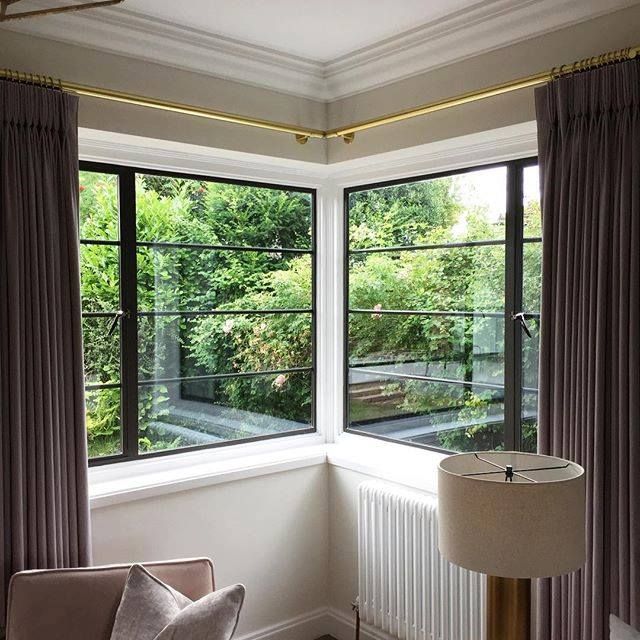
Steel corner windows are used where the design wants to open a corner visually and create a broader connection to daylight and view. For that reason, they suit luxury homes and modern commercial spaces where precision framing is central to the concept.
Steel ribbon windows are used where a series of connected openings is meant to create a long, horizontal band of glass across the façade. As a result, they suit contemporary architecture that wants stronger linear expression and more continuous daylight.
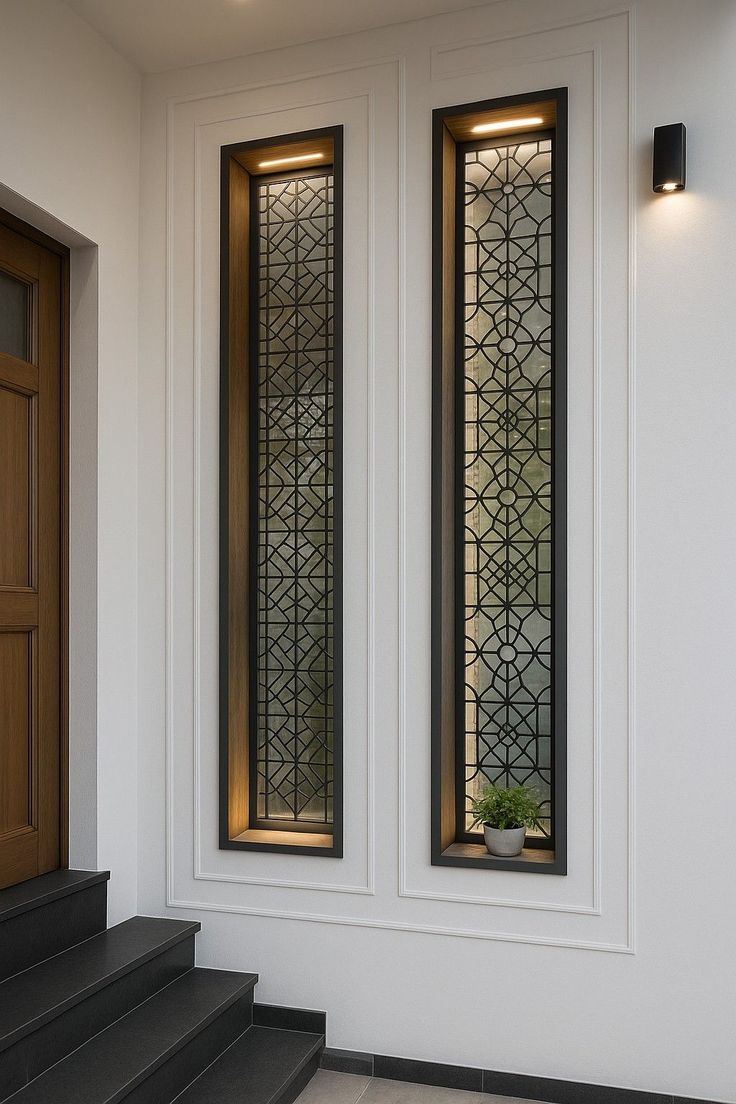
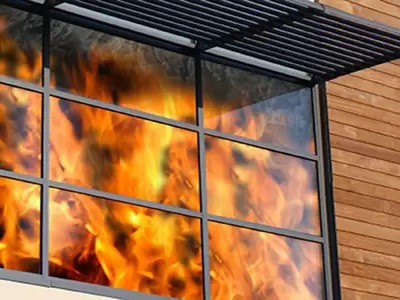
Steel fire-rated windows are used in openings where the glazing system must support fire-resistance requirements while still allowing light and visibility. Consequently, they suit commercial, institutional, and other code-sensitive projects where steel is chosen for both structural and fire-rated performance.
Steel can support slimmer profiles than many heavier-looking frame systems. As a result, the glass reads more prominently and the finished window often feels cleaner, sharper, and more deliberate in the façade.
Steel offers higher structural confidence in a relatively narrow section. For that reason, it is often chosen where the project needs a stronger frame presence without creating bulky edges around the glass.
Because the material can support more demanding spans and more refined framing, steel windows are often used where the project wants larger glazed areas with tighter visual control. Consequently, they suit spaces where daylight and proportion are central to the design.
These windows tend to produce more exact edges and a stronger visual rhythm across repeated openings. Therefore, they appeal to projects where the window should contribute to the architectural language rather than disappear into a generic opening.
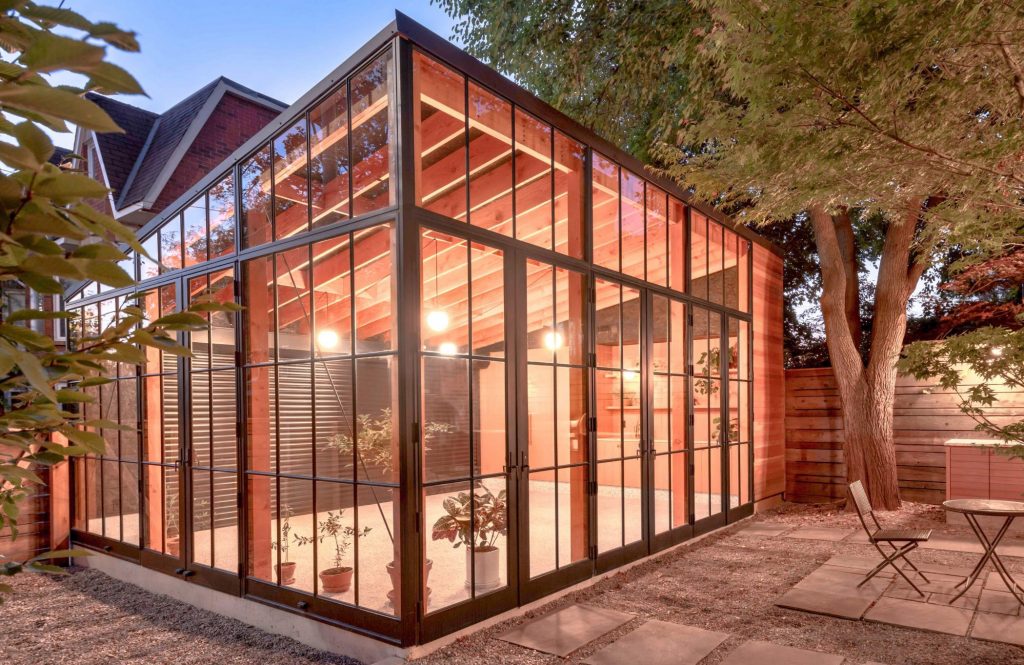
In luxury homes, steel windows suit projects that want sharper detailing, larger glass areas, and a more refined visual relationship between inside and outside. As a result, they work especially well in custom homes, contemporary residences, and architect-led spaces where the window is part of the design identity.
In commercial projects, steel windows fit offices, boutique retail, hospitality settings, and other design-focused environments where the façade and interior glazing need to feel more intentional. For that reason, they are often used where strength, appearance, and long-term material presence all matter.
Steel windows should not be judged by appearance alone. The way the frame is built, finished, and prepared for glazing has a major effect on long-term performance. Therefore, buyers should understand the construction details that separate a strong steel window system from a merely attractive one.
Profile size affects both structural performance and visual refinement. As a result, the right steel system has to balance narrow sightlines with the strength needed for the opening and the glass load.
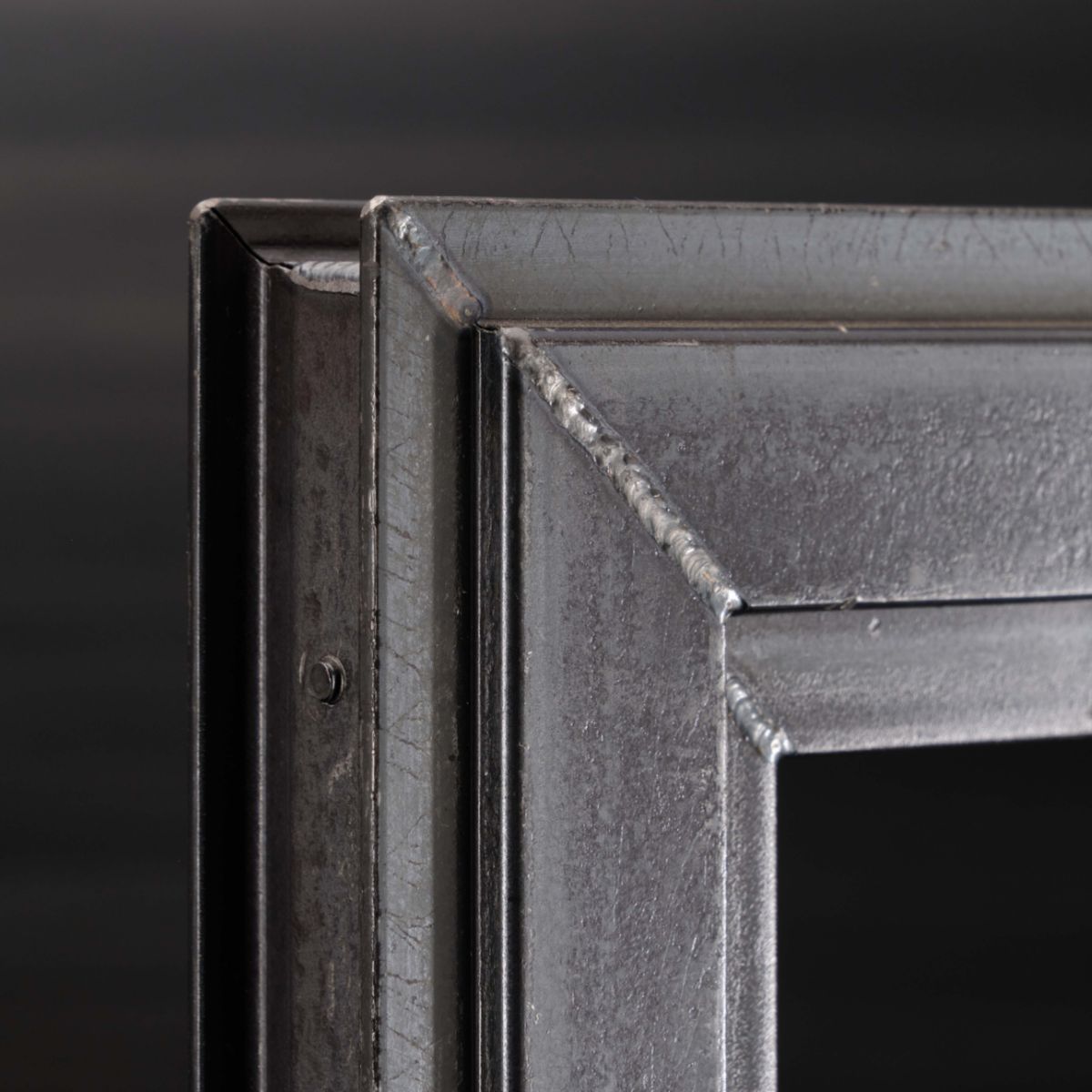
Many steel systems rely on welded construction to maintain tighter frame geometry and stronger corner integrity. For that reason, frame build quality matters when the project depends on clean lines and a more exact finished result.
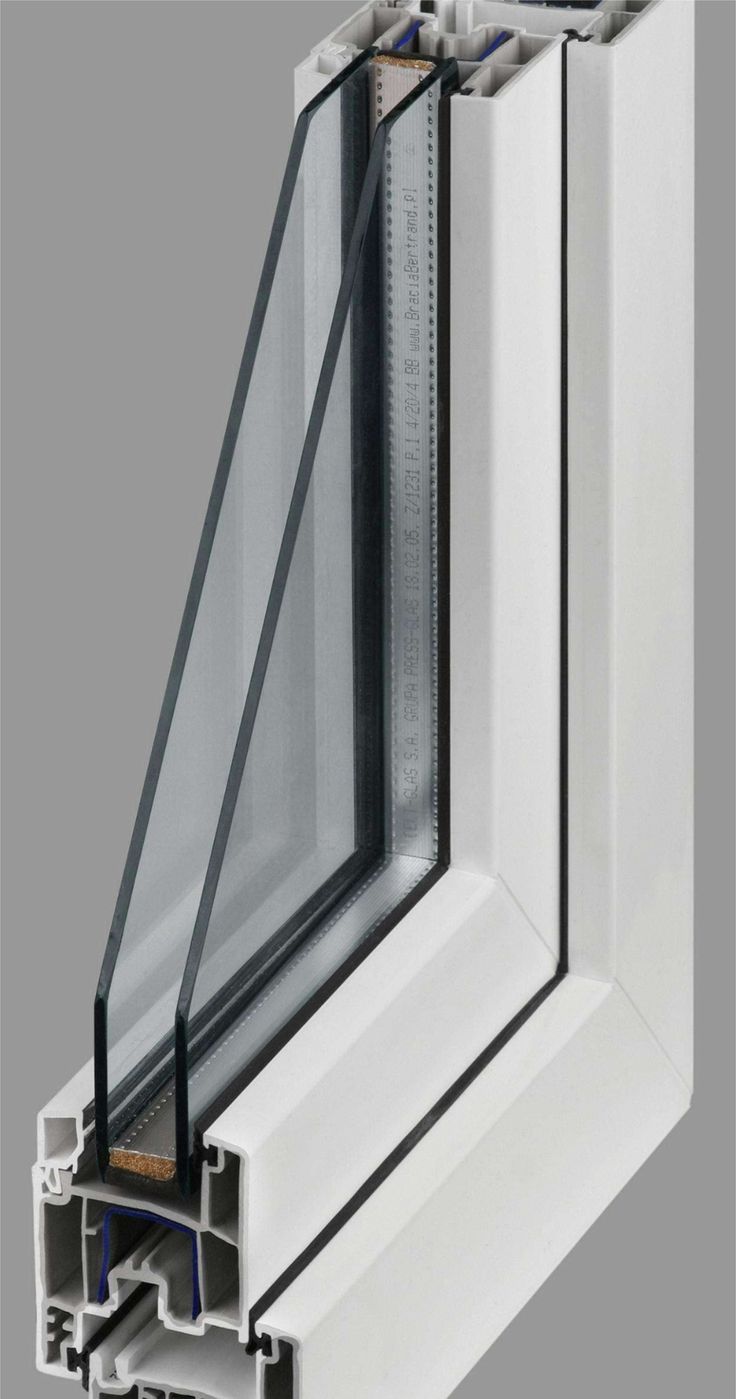
Steel is a strong material, but thermal separation is still important where comfort and condensation control matter. Consequently, thermally improved steel systems are often preferred in projects that want stronger material expression without giving up interior performance.

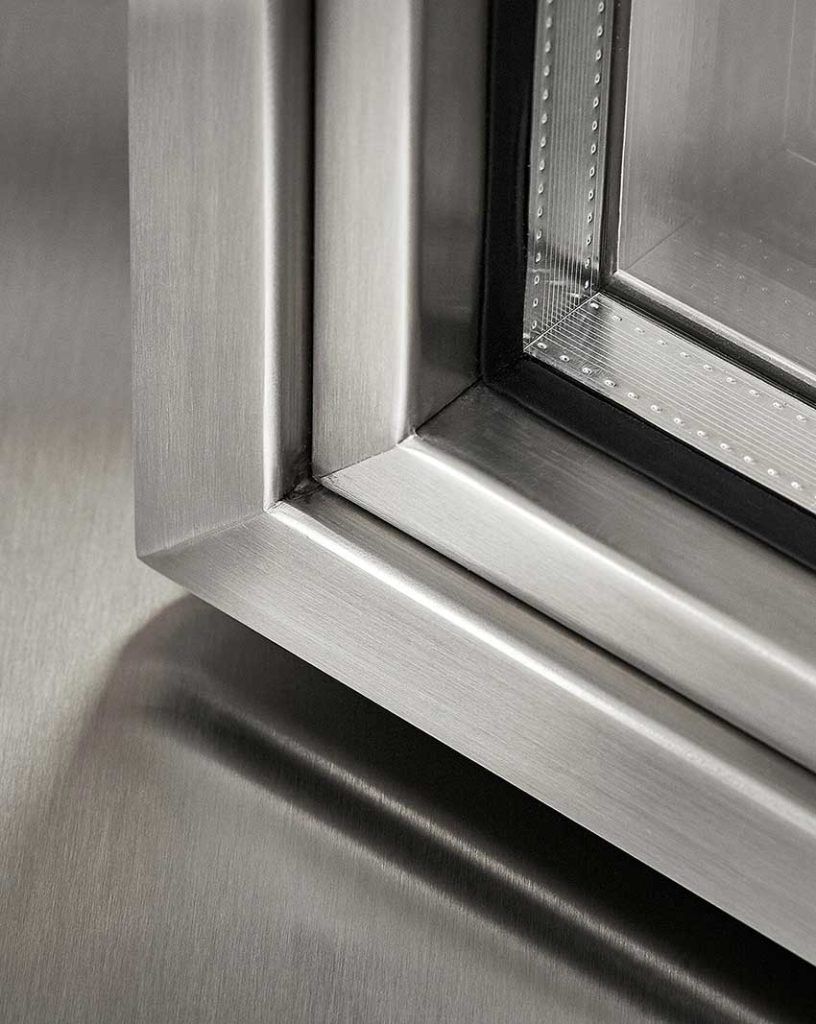
Protective finishes affect both appearance and durability over time. Therefore, surface treatment matters in steel windows because it helps the frame resist wear, weather exposure, and long-term finish breakdown.
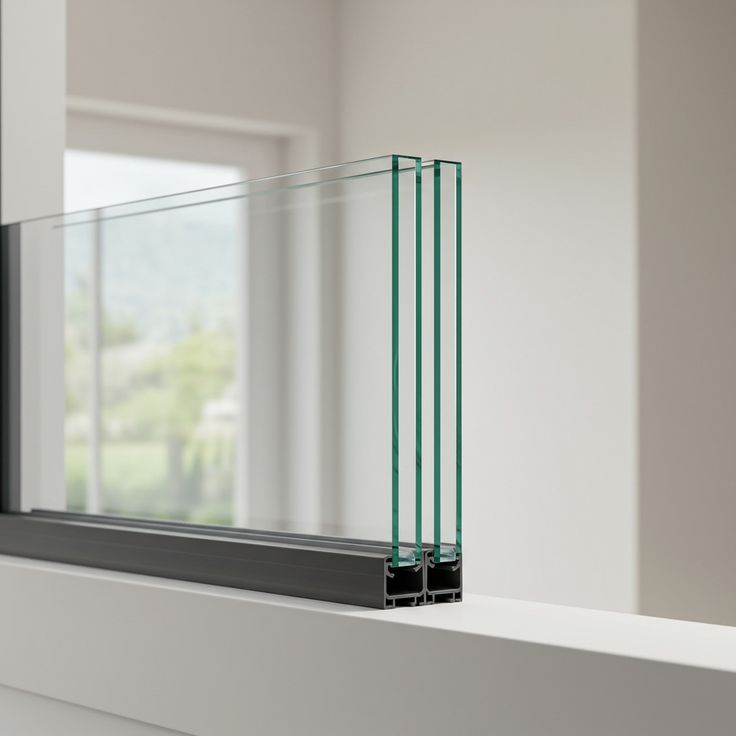
Steel frames need glazing support that keeps the unit stable without compromising edge condition or long-term performance. As a , the relationship between glass and frame is especially important in narrower steel profilresultes.
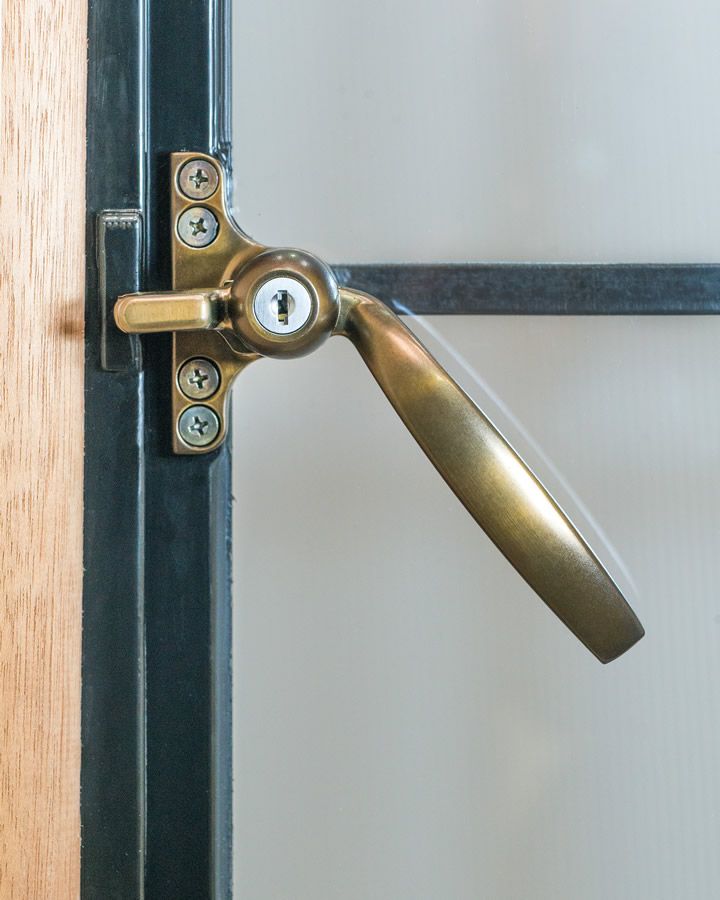
Steel windows need hardware that suits the profile, the opening type, and the weight of the sash. For that reason, hardware integration matters not only for operation but also for how cleanly the whole system functions visually and mechanically.
Steel windows are often selected because they allow more glass to be seen. That makes glazing choices even more important. Therefore, buyers should compare steel windows not only by frame style but also by how the glass package affects comfort, exposure control, and overall building performance.
Insulated glass units are central to making steel windows work well in occupied spaces. As a result, the glass package plays a major role in balancing the refined appearance of steel with the comfort demands of residential and commercial interiors.
These windows are often used in projects with more visible glass and stronger daylight exposure. For that reason, solar control becomes important where large glazed sections might otherwise create overheating or glare.
Luxury residential and commercial projects are often located in busier urban environments. Consequently, acoustic glazing can be an important consideration where the design calls for larger glass areas but the interior still needs quieter conditions.
Canadian projects place real pressure on glass and frame systems during colder seasons and changing temperatures. Therefore, the thermal performance of the steel window system should be considered carefully where year-round comfort matters.
Some openings need stronger safety or security performance because of location, access, or building use. As a result, steel windows are often paired with glazing options that support both protection and architectural clarity.
One reason buyers choose steel is the ability to increase visible glass area without making the frame feel heavy. For that reason, steel windows can improve the quality of daylight in a room by reducing visual frame bulk and allowing the glazing to read more clearly.
Because steel can work in narrower profiles, the window can feel lighter without becoming weaker. For that reason, buyers often choose steel when they want glass to carry more of the visual weight.
Buyers who choose steel often do so because they want a stronger sense of permanence and structural assurance in the window system. For that reason, steel carries a different kind of confidence in luxury and commercial work.
Steel windows offer distinct advantages, but they are not chosen casually. Buyers usually select them because the project has a clear design direction and a clear set of priorities. Therefore, the decision should be based on material fit as much as visual appeal.
These windows work best when they support the overall design language of the project. As a result, buyers should consider whether the building truly benefits from the sharper and more architectural presence of steel.
One of the main reasons to choose steel is the relationship between frame size and visible glass. For that reason, buyers should decide how important narrower sightlines and stronger glass presence are to the finished design.
Steel windows can be refined and structurally strong, but the thermal goals of the project still matter. Consequently, buyers should compare steel systems with realistic comfort and condensation expectations in mind.
These windows have a stronger material presence than many standard window systems. Therefore, finish choice should be considered carefully so the windows work well with both exterior architecture and interior design.
Steel is often chosen as a premium material decision. As a result, buyers should be clear about whether the project values architectural precision and material expression enough to justify that choice.
At Window & Door Solutions, steel windows are approached as a design and material decision, not a generic product swap. Buyers usually need help comparing profiles, glazing, and project fit in a way that reflects the architectural priorities of the space. Therefore, our role is to provide clearer product guidance for luxury and commercial use.
Different steel window styles suit different architectural goals. As a result, style guidance helps buyers compare options in a way that fits the project more accurately.
Profile design and glass choice shape how a steel window performs and how it reads visually. For that reason, buyers often need support comparing those elements together.
Steel windows are usually chosen in projects where design quality carries more weight. Consequently, product guidance should reflect the priorities of premium residential and commercial buyers rather than general window selection alone.
Many steel window projects involve custom proportions, larger glass areas, or more specific façade intentions. Therefore, selection support should account for custom design conditions, not just standard openings.
Steel windows in Canada must respond to climate, condensation control, and long-term comfort as well as visual design. As a result, product guidance should reflect real local performance expectations.
Steel windows are a deliberate choice, and buyers usually want clarity rather than vague comparisons. For that reason, clear selection support helps keep the decision practical, focused, and aligned with the project.
Some projects use steel windows throughout, while others combine them with different glazing or door systems. For that reason, buyers should consider how the steel windows will relate to adjacent openings across the project.
Steel windows are used in projects where the material itself contributes to the quality and identity of the space. Therefore, the right application depends on whether the project is residential, commercial, or more specifically architectural in character.
Residential steel windows are offered for luxury homes and custom residential projects where narrow sightlines, stronger glazing presence, and a more refined material expression matter. As a result, they suit buyers who want a premium architectural window rather than a more common residential frame.
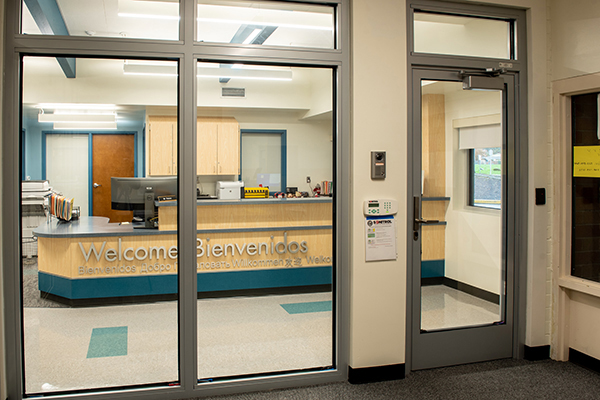
Commercial steel windows are offered for offices, hospitality spaces, retail environments, and other design-led projects where the windows need to support both performance and a stronger architectural presence. For that reason, they work well in spaces where the frame should contribute to the identity of the building.
Some projects require steel windows for more tailored design conditions such as larger glazed sections, unusual opening geometry, or tighter façade rhythm. Consequently, custom architectural steel windows are offered where the project needs a more exact fit between material, glazing, and architectural intent.

These windows should not be chosen by aesthetics alone. They also need to support product suitability, thermal expectations, and dependable performance in Canada. Therefore, buyers should compare steel systems with both design and code-aware use in mind.
The NBC affects how windows are expected to perform in different openings and building types. As a result, these windows should suit the function and location of the space where they are being used.
The NECB supports stronger thermal performance and building-envelope efficiency. For that reason, these window systems should be considered with attention to glazing, thermal break design, and overall performance expectations.
CSA-certified windows are tested for air leakage, water resistance, and operation. Consequently, certification helps confirm that the these window system is built for more reliable use.
Fenestration Canada reflects current technical guidance for the Canadian market. Therefore, it helps support better product decisions when buyers compare these window systems and performance levels.
Provincial code requirements can affect glazing and opening performance in different project settings. As a result, steel windows should be selected with the local requirements of the project in mind.
At Window & Door Solutions, steel windows are selected for buyers who want more than a standard frame. Whether the project calls for slimmer sightlines, stronger architectural definition, larger glass presence, or a more premium material expression, the right steel window system should support both the design and the long-term performance of the space.
If you are comparing window styles, profile options, or glazing features for a luxury residential or commercial project, contact Window & Door Solutions today. Get a Free Estimate or Contact Us Today to discuss steel windows that fit your architecture, your material priorities, and the level of refinement your project demands.