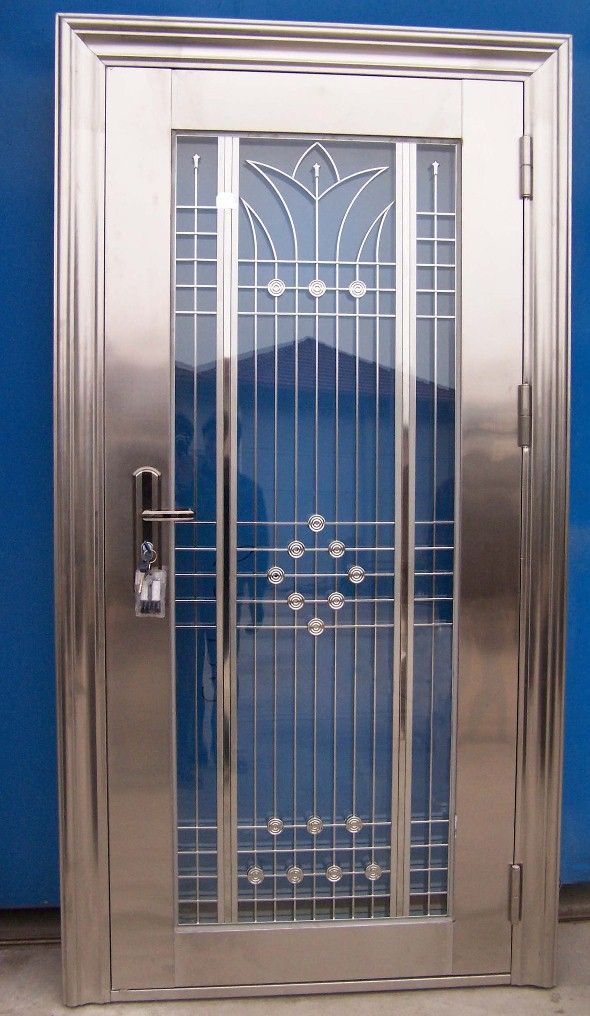
Get Your Quote within 24 Hours
At Window & Door Solutions, steel doors are chosen for projects where security, strength, and dependable daily use matter more than decorative material appeal alone. In both homes and commercial properties, steel remains one of the most practical door materials because it offers a more solid exterior shell, stronger resistance to everyday wear, and a door system that feels more controlled at the opening. As a result, steel doors appeal to buyers who want a product that supports protection, durability, and long-term performance in Canadian conditions.
Steel doors also stand apart because they combine material strength with a relatively clean and versatile finished look. They can suit simple residential entries, harder-working utility openings, and more demanding commercial access points without shifting away from their core value: security-focused performance. Therefore, steel doors are usually chosen as a practical material decision. Buyers select them when they want confidence at the entry point, stronger surface durability, and a door system that feels more robust in daily use.
Steel doors are available in several styles, and each one suits a different type of opening, building use, or design goal. Therefore, buyers should compare steel door formats based on how the opening functions, how much visibility is needed, and how much wear the door is expected to handle over time.
Steel entry doors are commonly used at the main access point of a home or building where security and weather protection both matter. As a result, they suit buyers who want a stronger front-entry solution with a more solid everyday feel.
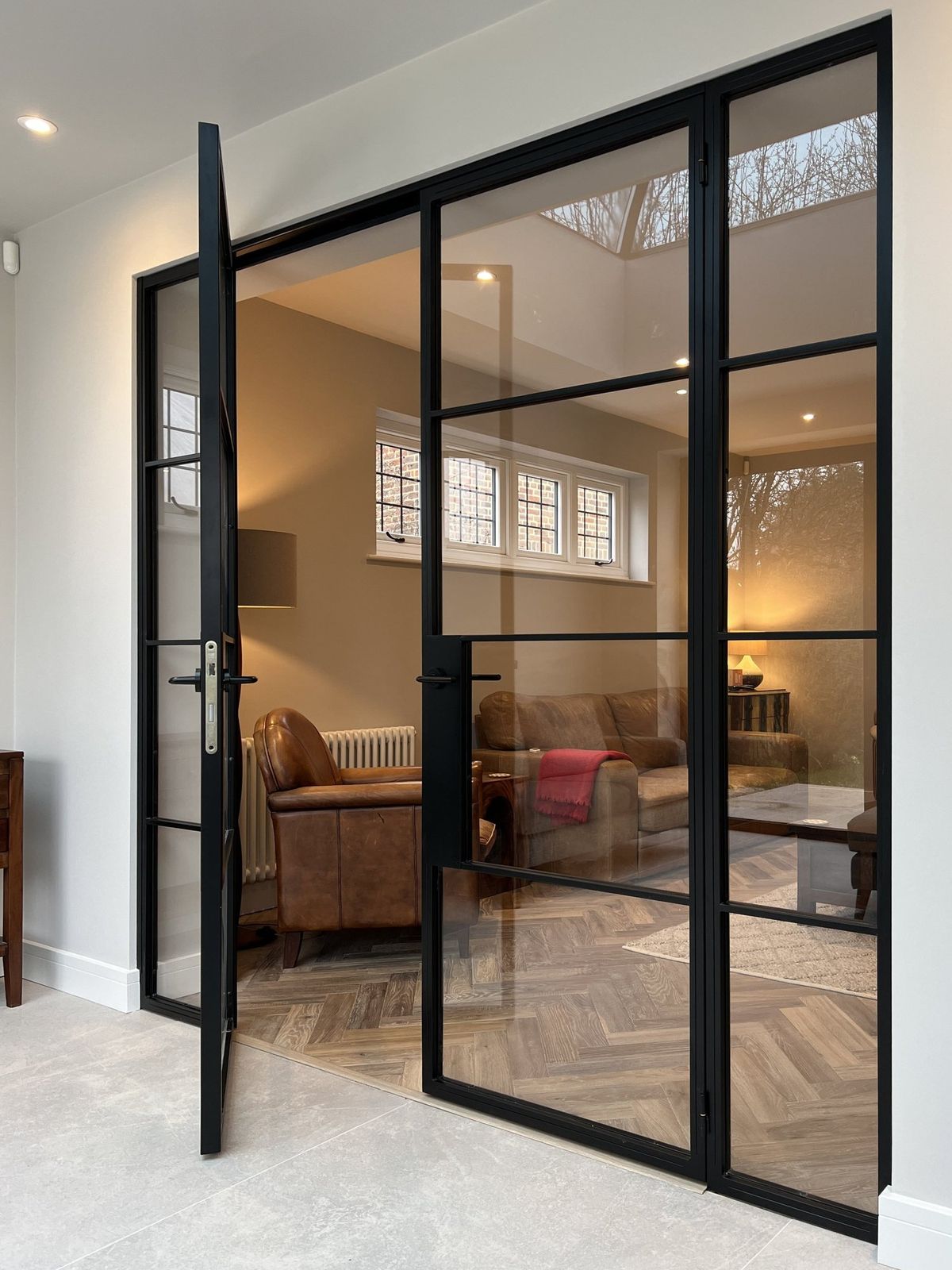
Steel front doors are chosen where the main entrance needs to balance curb appeal with practical security. For that reason, they work well in residential properties that need a door that feels protective without becoming visually heavy.
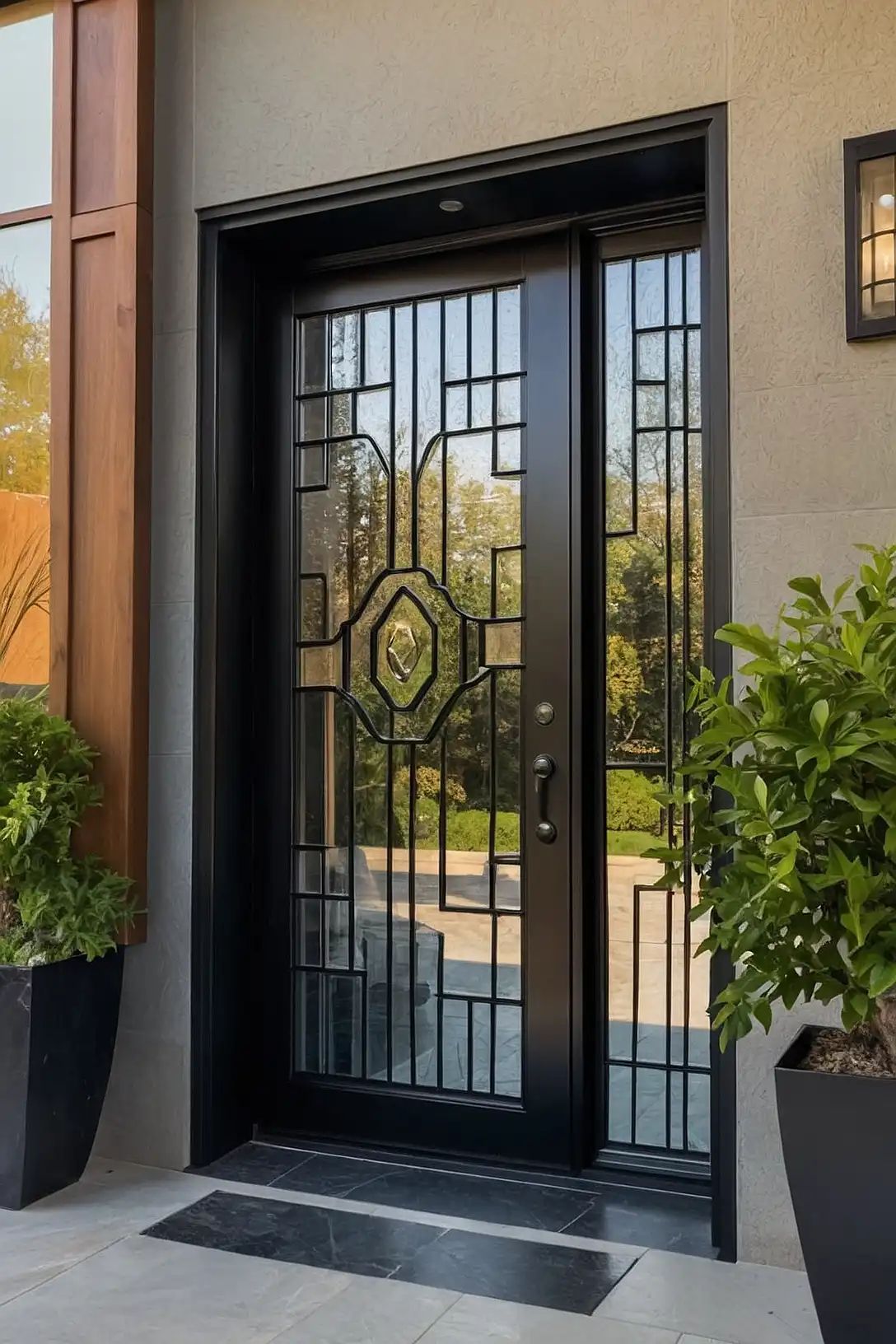
Steel exterior doors are used in openings that face outdoor exposure and need stronger weather resistance along with a tougher outer shell. Consequently, they suit side entries, rear doors, and other access points where daily use and seasonal exposure both matter.
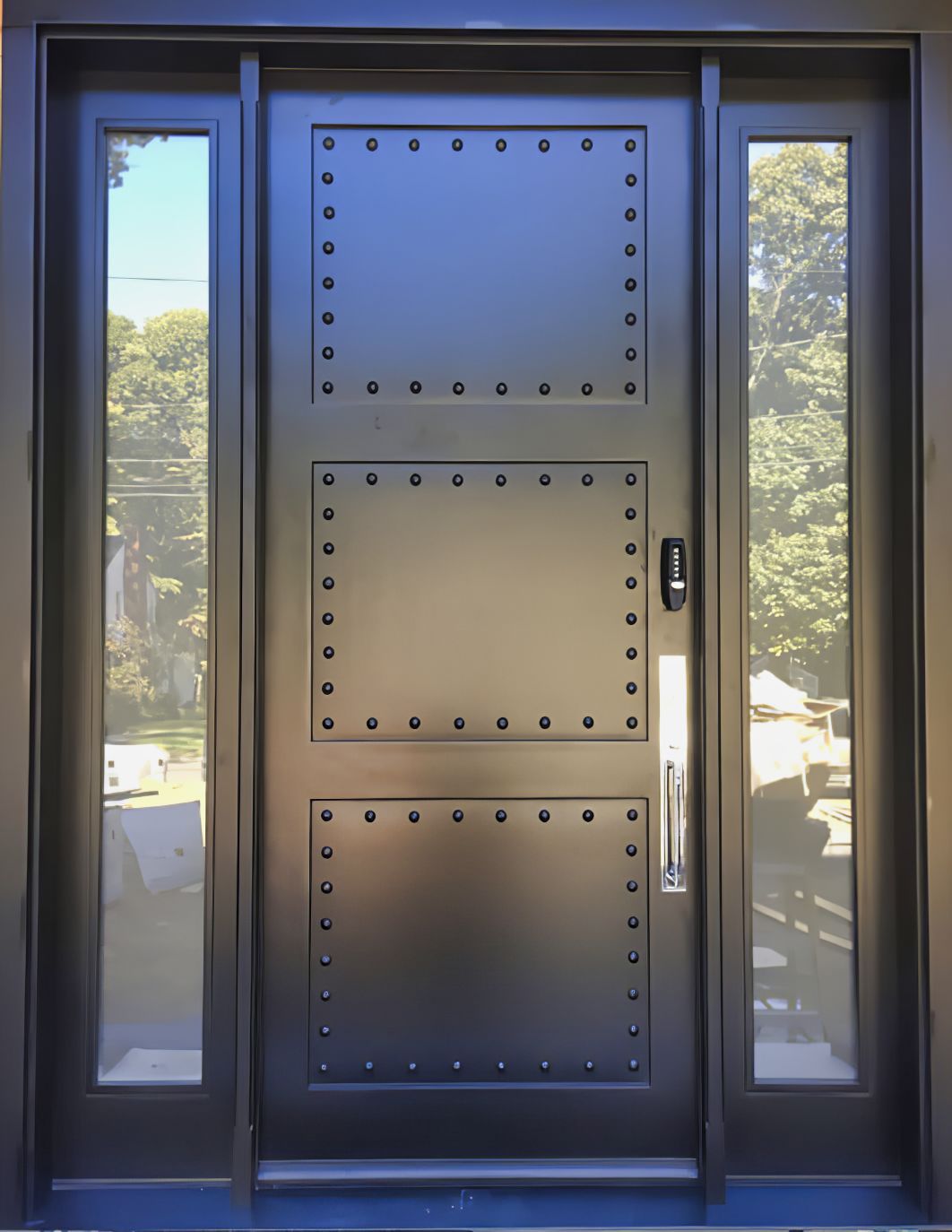
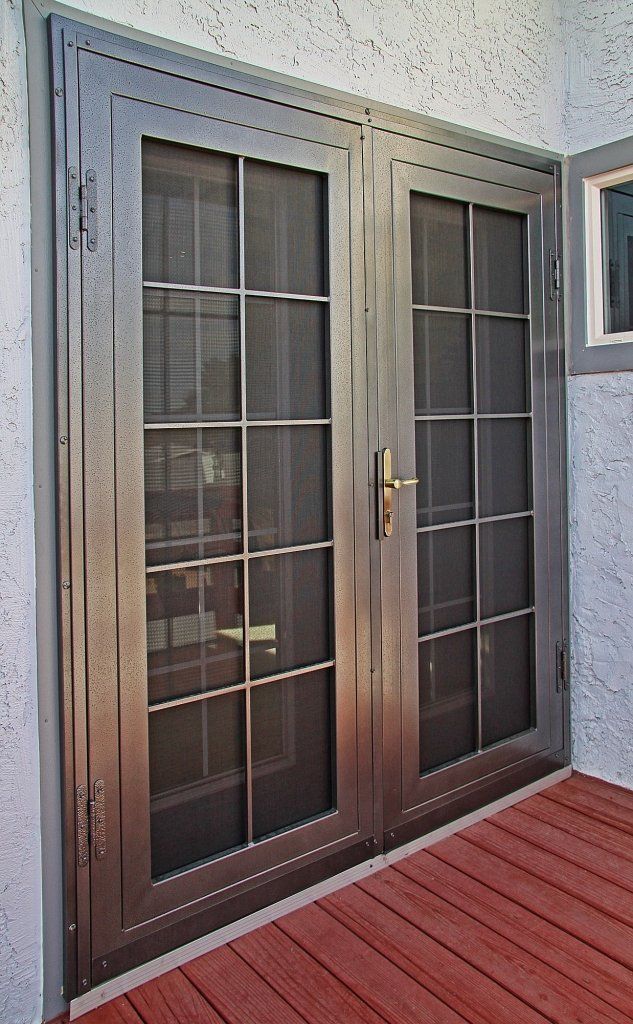
Some steel doors are chosen for patio-adjacent or side-access openings where the project needs a stronger exterior barrier than lighter interior-style systems provide. As a result, they work well where security and practical outdoor access both matter.
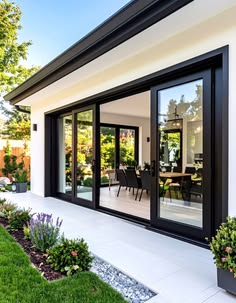
Steel utility and service doors are often selected for garages, mechanical access points, storage areas, and other harder-working openings. Therefore, they suit spaces where appearance matters less than durability, security, and daily reliability.
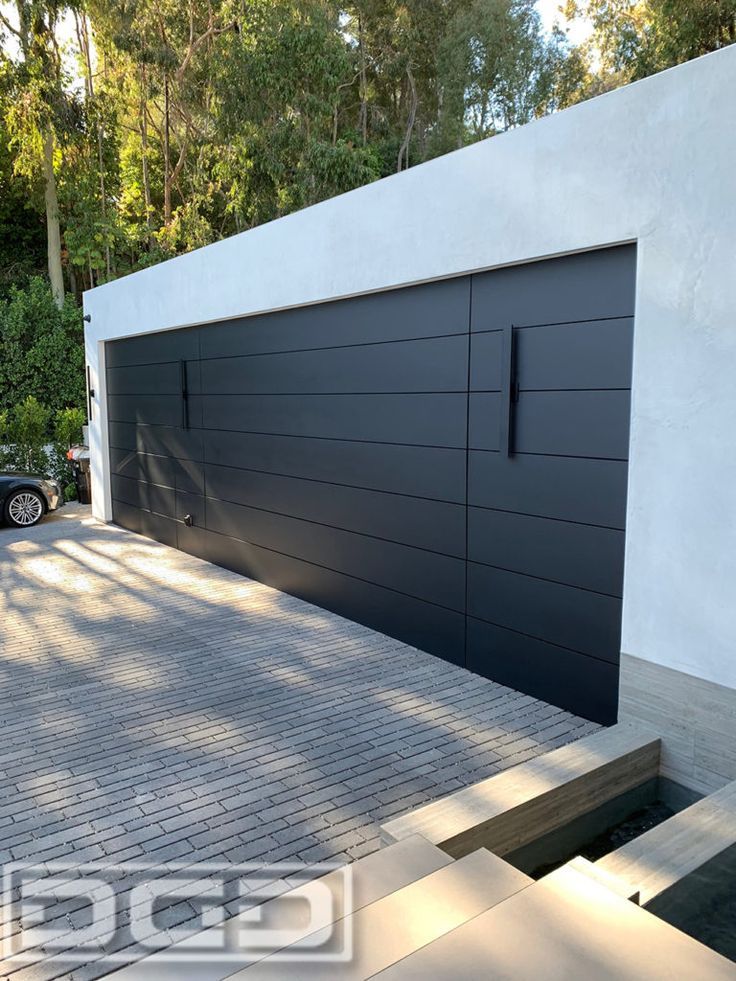
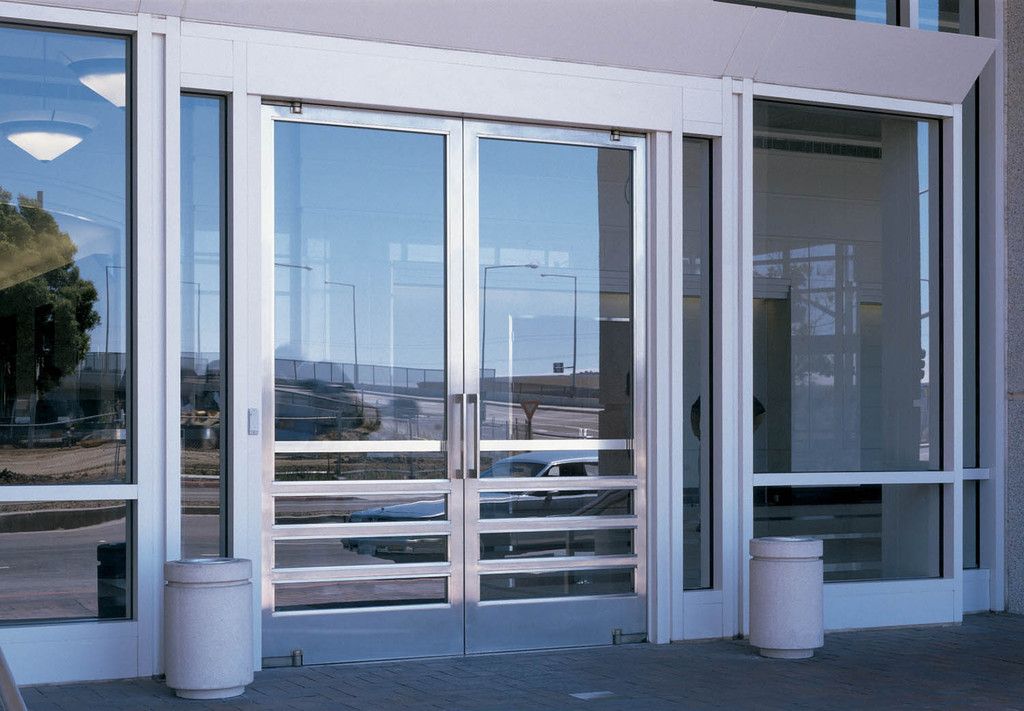
Steel commercial doors are used in offices, retail units, service entries, and commercial back-of-house spaces where the door needs to handle more frequent use. For that reason, they are often chosen in settings that need stronger long-term wear performance.
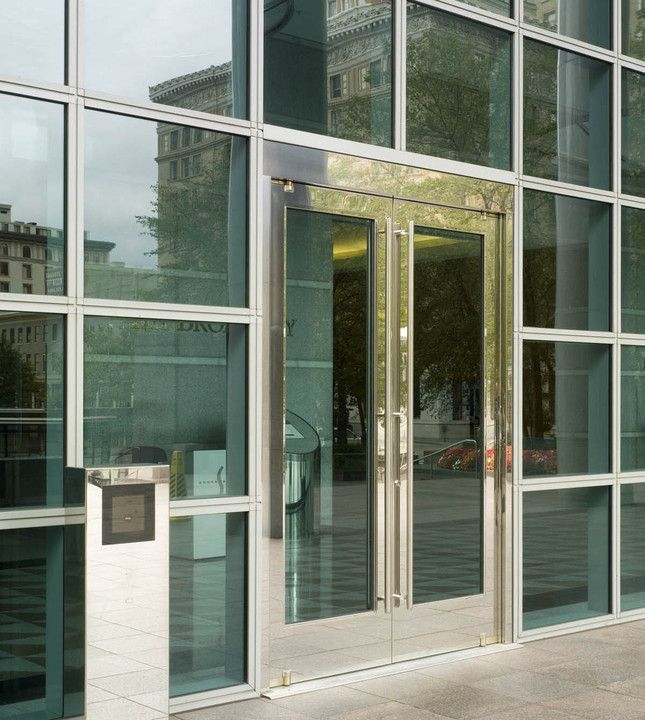
Commercial fire-rated steel doors are used in buildings where the opening must help slow fire spread and support code-required separation between spaces. As a result, they suit commercial properties that need stronger life-safety protection along with the durability and security benefits of a steel door system.
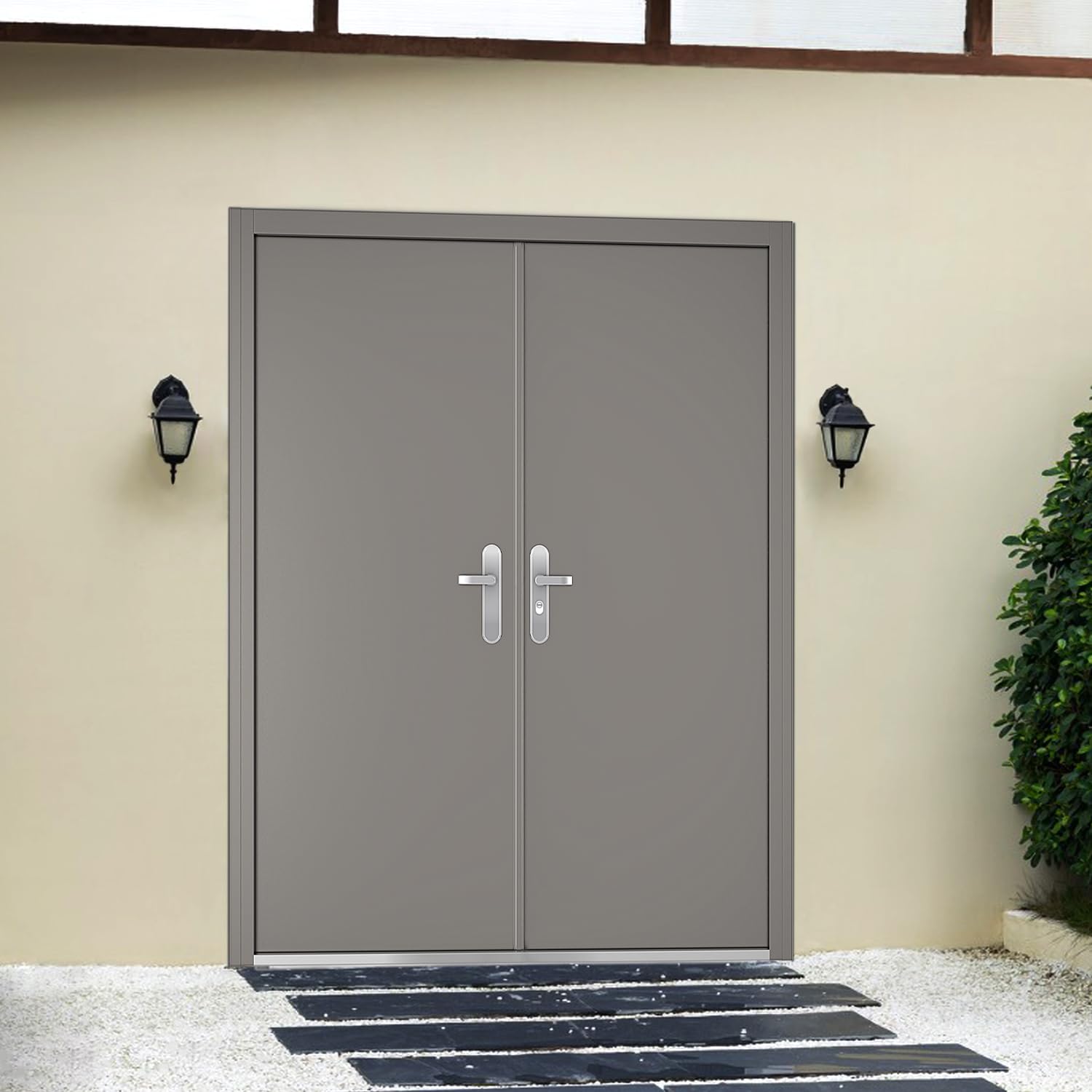
Steel pivot doors rotate on a top and bottom pivot instead of side hinges, creating a smooth, balanced opening. As a result, they suit modern entrances that need larger door sizes, a clean architectural look, and the strength of steel construction.
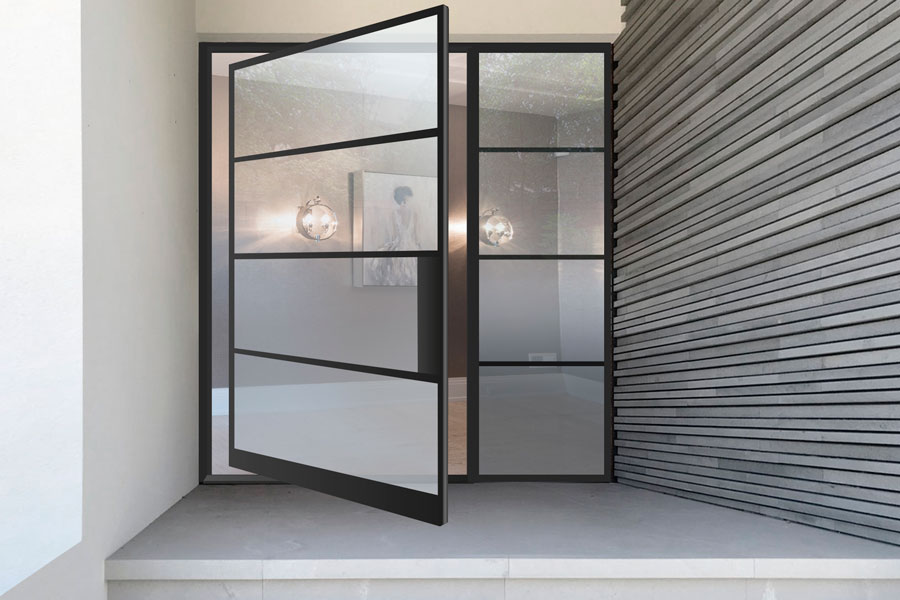
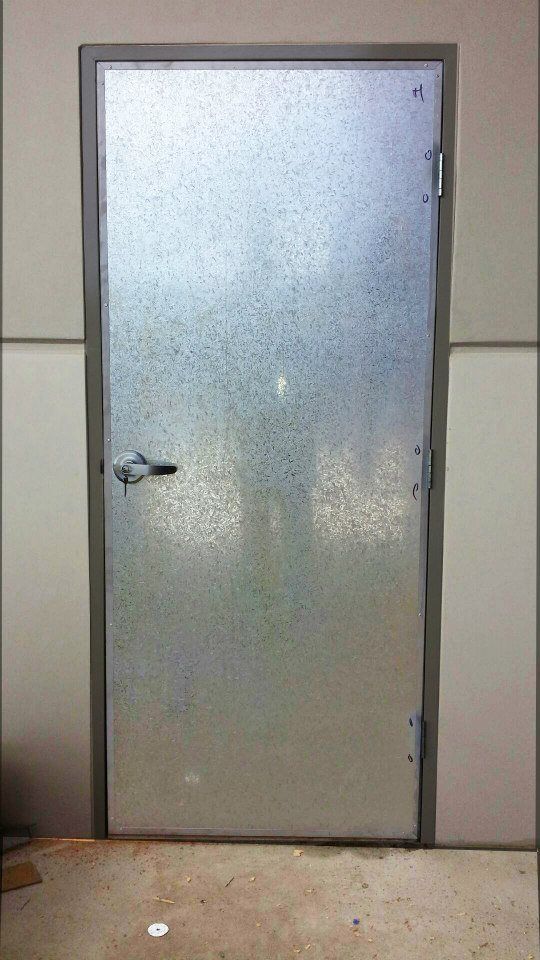
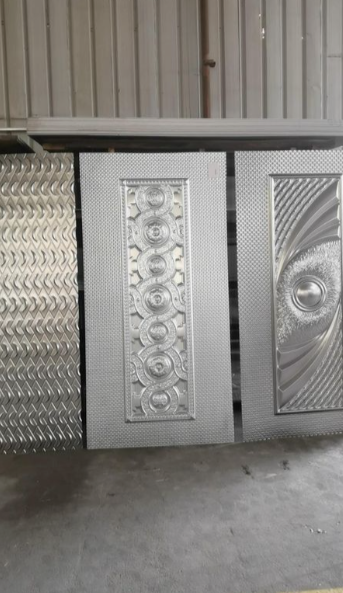
Steel door skins are built to handle more direct wear than many lighter-looking door materials. As a result, the door tends to feel better suited to active entry points where impact, contact, and everyday use are more common.
A stronger material at the door surface can contribute to a more secure overall entry system. For that reason, steel is often chosen by buyers who prioritize a more protected main access point.
Steel doors are valued for the way they feel in repeated use, especially in busier openings. Consequently, they appeal to buyers who want a door that feels solid and dependable every time it is opened and closed.
One of the main reasons buyers choose steel is the sense of material confidence it gives at the opening. Therefore, steel doors often feel more controlled, more secure, and more substantial in everyday handling.
In homes, steel doors are often chosen for front entries, side doors, garage-access doors, and other exterior openings where stronger security and surface durability are important. As a result, they suit homeowners who want more confidence at the main points of entry.
In commercial and utility settings, steel doors perform well where the door is likely to see heavier use, more contact, or a less forgiving environment. For that reason, they are often selected for service areas, utility spaces, back entrances, and practical commercial access points.
Steel doors should be judged by more than their outer appearance. The way the door is built has a major effect on its strength, insulation, durability, and long-term feel at the opening. Therefore, buyers should compare the construction details that shape how the door performs in real use.
The thickness and quality of the steel skin affect how well the door stands up to contact and wear. As a result, this part of the construction matters when the buyer wants a stronger surface that feels more robust over time.
The inside of the door plays a major role in thermal performance and overall rigidity. For that reason, steel doors should be compared by how the core construction supports both energy control and a more solid feel.
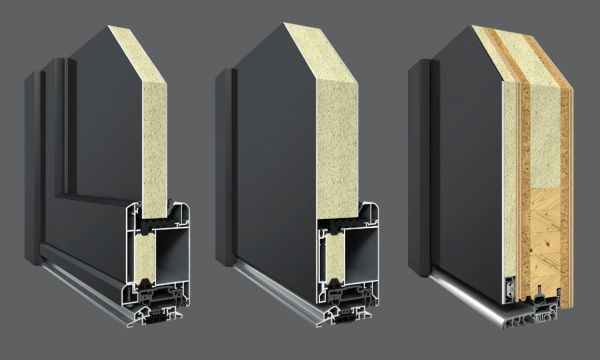
The edge of the door is where closing performance, seal contact, and frame interaction all come together. Consequently, good edge construction helps the door close more cleanly and perform more consistently at the perimeter.
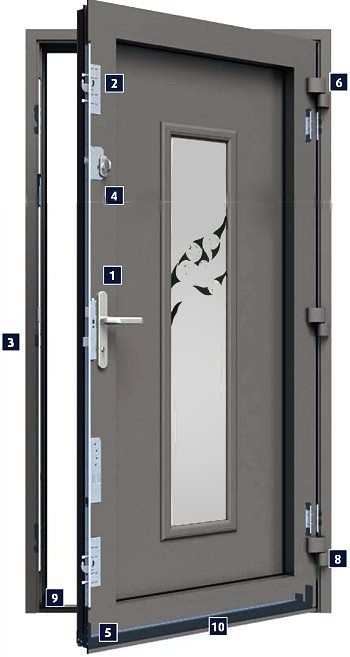
A steel door needs more than a lock cutout. It also needs proper reinforcement where security hardware is installed. Therefore, buyers should pay attention to how the lock area is built when security is a main priority.
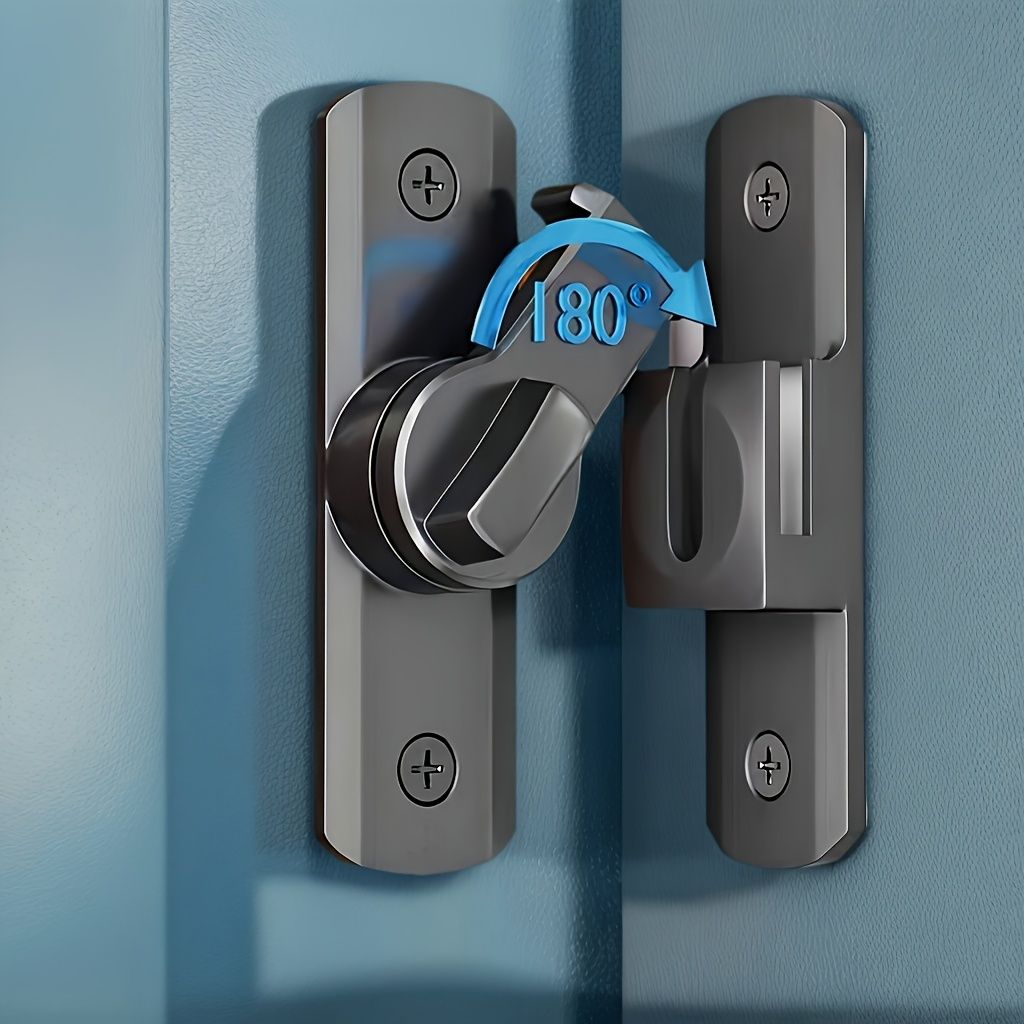
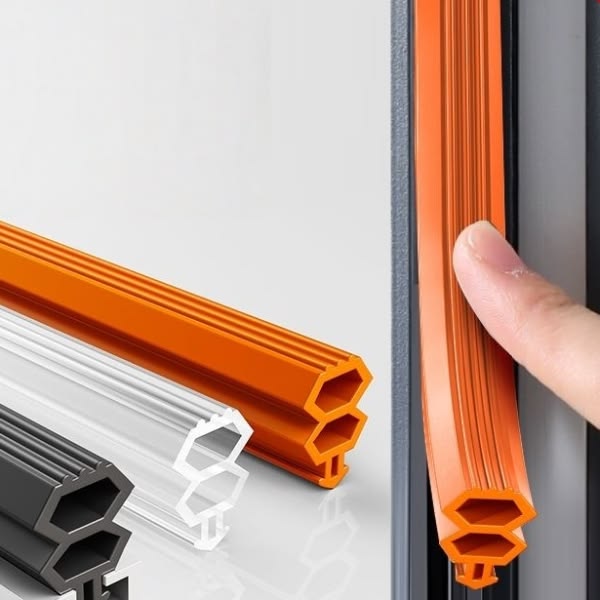
Exterior steel doors have to manage air movement and weather exposure at the edges of the opening. As a result, perimeter seal design is a key part of how the door performs in everyday Canadian conditions.
The protective finish affects how well the door resists surface wear, weather exposure, and long-term appearance change. For that reason, finish quality and corrosion resistance should be part of the comparison.
Steel doors are often chosen for security, but buyers should still compare the specific performance details that shape how secure and durable the finished product really is. Therefore, material alone is not enough. The whole door system matters.
Security-focused buyers often start by asking how well the door supports a stronger barrier at the entry. As a result, the relationship between the steel skin, lock area, frame contact, and hardware matters when comparing options.
Some doors face frequent use, regular contact, or harder operating conditions. For that reason, buyers should compare how well the door is built to handle repeated wear over time.
A strong door still needs to help control heat loss and support indoor comfort. Consequently, thermal performance matters in steel doors where Canadian weather places more pressure on the opening.
Some steel doors include glazed sections, sidelites, or vision inserts. Therefore, buyers should consider how those glass areas affect both visibility and the security character of the overall door.
Exterior openings need doors that can manage wind, rain, and seasonal temperature change without losing daily usability. As a result, weather performance is an important part of comparing steel door systems.
A door that performs well on day one still has to hold up after years of real use. For that reason, buyers should look at how the system suits busy entry points where durability matters every day.
Some entries simply experience more use, more contact, or more demanding conditions. Consequently, steel doors are often preferred where the door needs to handle that wear more confidently.
Steel doors can suit both residential and commercial applications because their core strengths are broad: security, durability, and everyday practicality. Consequently, they remain a versatile choice for multiple property types.
Steel doors offer clear advantages, but they still need to match the opening, the property type, and the buyer’s priorities. Therefore, the decision should be based on more than the material name alone.
A residential front entry and a commercial service opening do not place the same demands on the door. As a result, the intended setting should guide which steel door system makes the most sense.
Some openings need stronger entry security than others. For that reason, buyers should think clearly about how much security the location actually requires.
Some buyers want a more private solid panel, while others want daylight or visibility through a glazed section. Consequently, this preference changes the feel and function of the final door.
Exterior doors need to contribute to interior comfort as well as entry security. Therefore, thermal priorities should be considered alongside the material decision.
The right steel door should feel appropriate to the building, not out of place within it. For that reason, buyers should consider how the door suits the architecture and use of the property as a whole.
At Window & Door Solutions, steel doors are approached as a practical product choice that has to balance security, durability, insulation, and appearance. Buyers usually need clearer guidance on which steel door format best suits the opening and how different features affect long-term use. Therefore, our role is to make selection easier and more relevant to the property.
Different steel door styles suit different opening conditions and priorities. As a result, product guidance helps buyers compare the right options more efficiently.
A steel door should support both protection and comfort. For that reason, buyers often need help weighing security-related construction against thermal priorities.
Homes and businesses do not use steel doors in exactly the same way. Consequently, product selection should reflect the real use condition of the property.
The final door is shaped by more than the base material. Therefore, buyers benefit from clearer advice on the options that change how the door looks and performs.
Steel doors in Canada need to respond to weather exposure, sealing needs, and year-round use. As a result, product guidance should reflect local performance expectations.
Buyers usually want a practical answer, not a confusing product list. For that reason, clear selection help remains central to making the right decision.
Steel doors can be practical without looking purely industrial. As a result, buyers should compare finish options according to how they want the door to look within the property.
At Window & Door Solutions, steel doors are offered for projects that need stronger security, more durable everyday use, and a practical long-term material choice. Therefore, the application depends on whether the opening is residential, commercial, or more specifically tailored.
Residential steel doors are offered for front entries, side doors, garage-access doors, and other exterior openings where homeowners want stronger security and a more durable surface. As a result, they suit homes that prioritize practical performance at key access points.
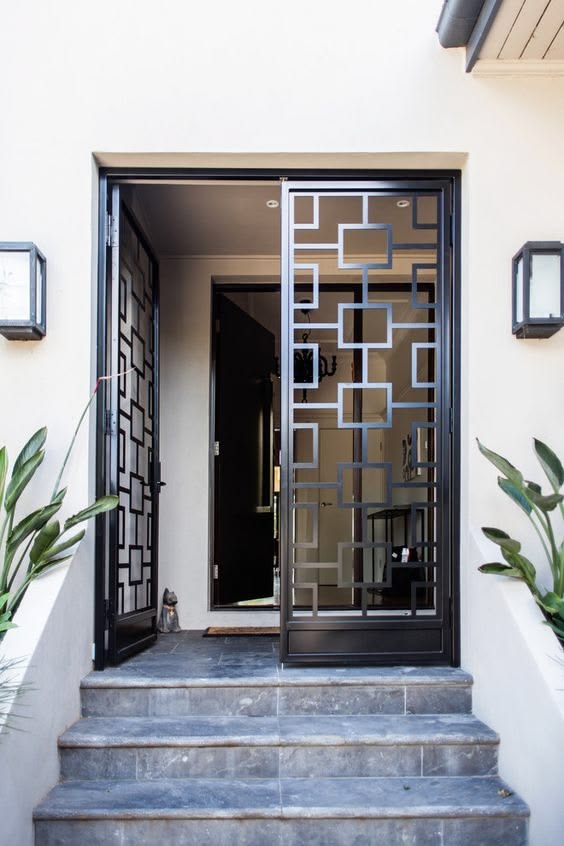
Commercial steel doors are offered for offices, service entries, utility openings, back-of-house spaces, and other business settings where the door needs to handle more frequent use and tougher conditions. For that reason, they suit projects that need stronger day-to-day durability.
Some openings require more specific dimensions, hardware needs, or design direction than a standard option provides. Consequently, custom steel door solutions are offered where the project needs a better fit between security, material performance, and the appearance of the entry.
Steel doors should not be judged by strength alone. They also need to support energy control, weather resistance, and code-aware use in Canada. Therefore, buyers should compare them with both product performance and regulatory suitability in mind.
The NBC affects how doors are expected to perform in different building conditions and access points. As a result, steel doors should suit the location and function of the opening where they are used.
The NECB supports stronger thermal performance and better envelope efficiency. For that reason, steel doors should be compared with attention to core insulation, seals, and overall energy control.
CSA-related testing helps confirm that door systems meet recognized performance standards. Consequently, certification can support more confidence in everyday reliability and weather-related performance.
A steel door system depends not only on the slab itself but also on the hardware and locking conditions around it. Therefore, buyers should consider how the full door assembly supports security and safe use.
Provincial code requirements can affect door suitability, energy expectations, and safety-related details. As a result, steel doors should be selected with the local requirements of the project in mind.
At Window & Door Solutions, steel doors are selected for buyers who want stronger entry-point security, more durable daily performance, and a practical material choice that holds up over time. Whether the project involves a residential front entry, a side access point, or a commercial door opening, the right steel door should support both protection and long-term use.
If you are comparing steel door styles, glass options, insulation features, or security-focused entry systems for a home or business in Canada, contact Window & Door Solutions today. Get a Free Estimate or Contact Us Today to discuss steel doors that match your property, your priorities, and the level of protection you want at the opening.