Get Your Quote within 24 Hours
A weak door can make the whole home feel less comfortable. It may let in drafts, feel loose when it closes, reduce privacy, interrupt room flow, or make the front entry look dated before guests even step inside. Therefore, choosing the right house doors is not only a design decision. It is a practical choice that affects security, comfort, movement, and daily living.
At Window & Door Solutions, we help homeowners choose house doors that suit each opening with purpose. Your front door should welcome and protect. Your patio door should connect the indoor and outdoor living. Your interior doors should create privacy and smoother movement between rooms. In addition, side, back, garage, basement, and utility doors should support the way your household actually works. With the right plan, every door can improve how your home looks, feels, and performs every day.
A house uses doors in many different ways. Therefore, the best choice depends on where the door sits, how often it opens, what it protects, and how it affects the movement inside the home.
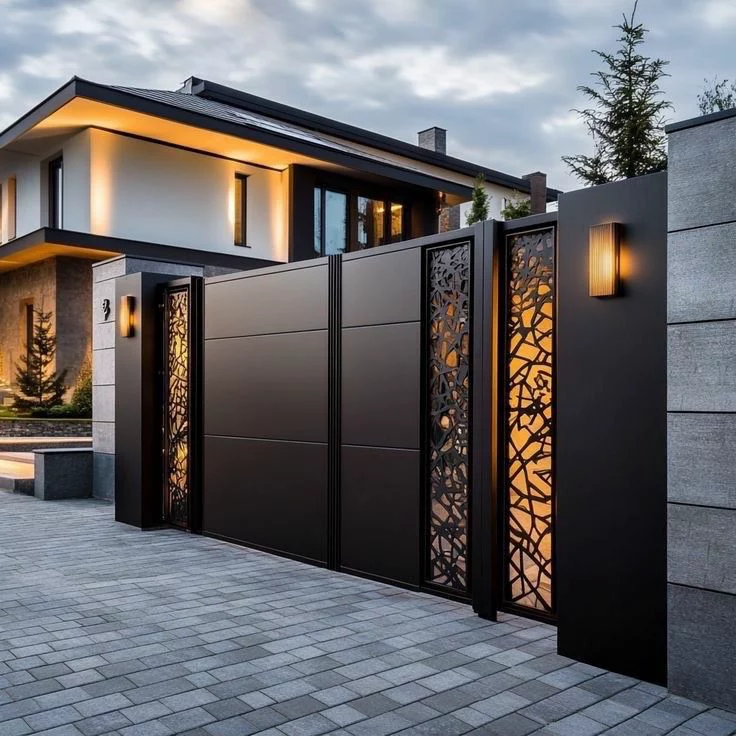
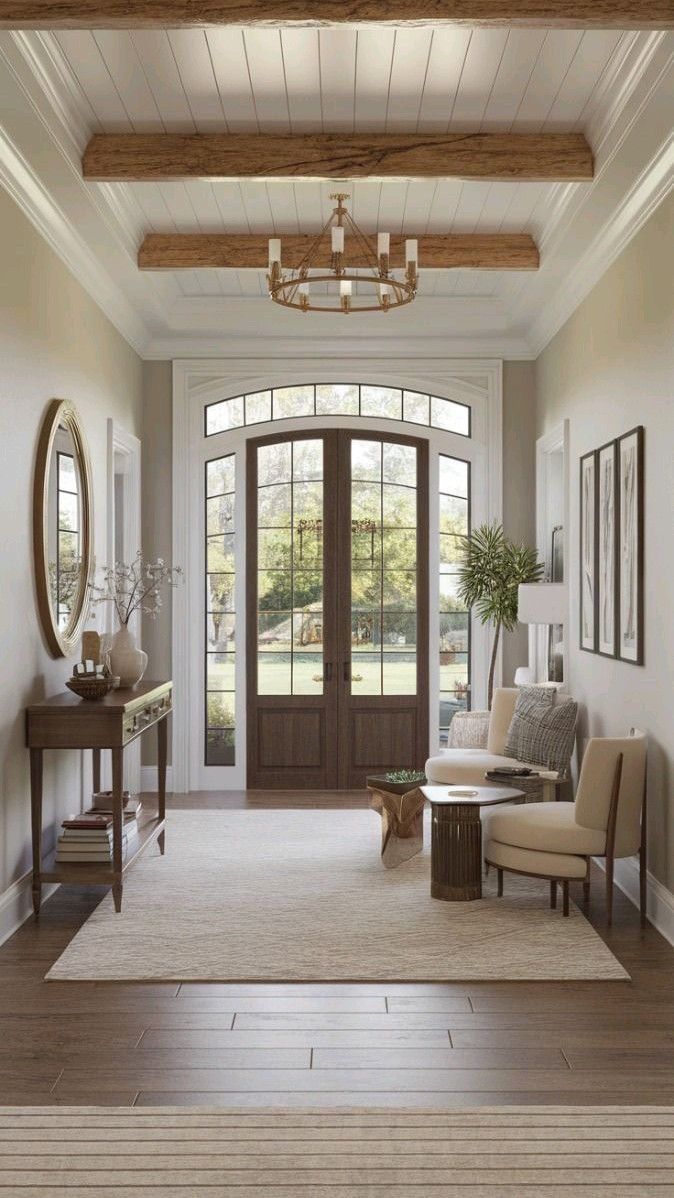
The front door sets the tone before anyone steps inside. Therefore, homeowners should consider curb appeal, lock quality, glass inserts, sidelites, privacy, weather exposure, and how the entry matches the home’s exterior character.
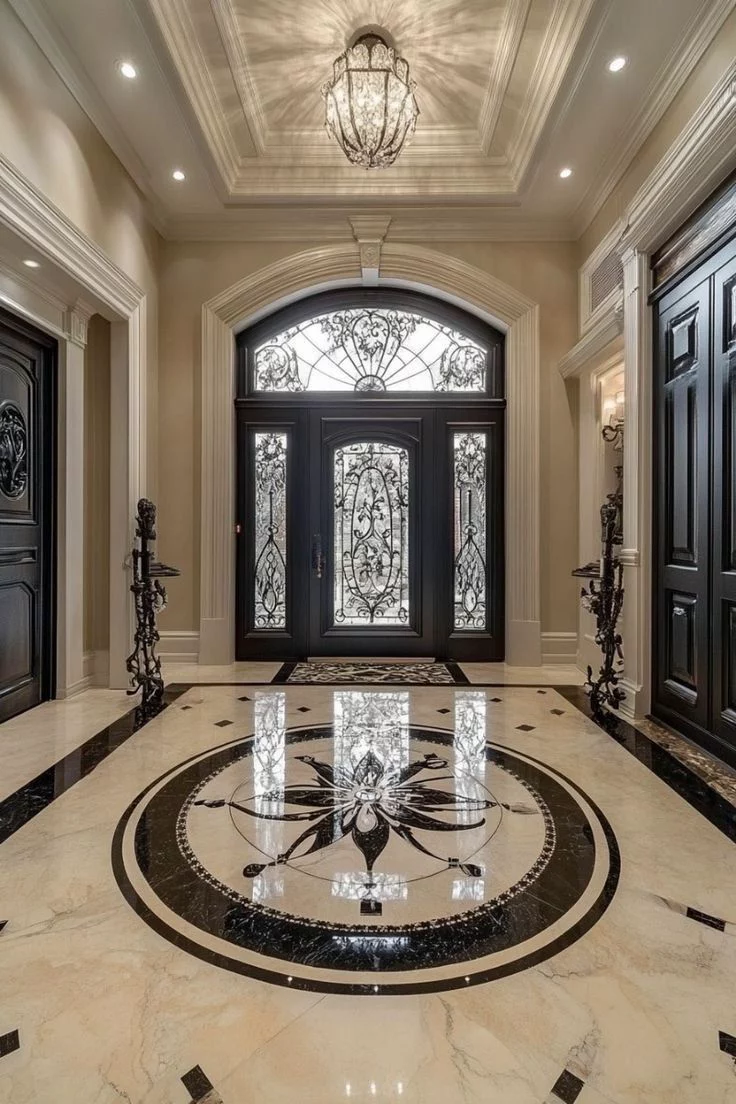
Back doors often handle groceries, children, pets, yard access, and daily movement. As a result, they need durable surfaces, practical hardware, strong sealing, and easy operation without feeling too formal for everyday household use.
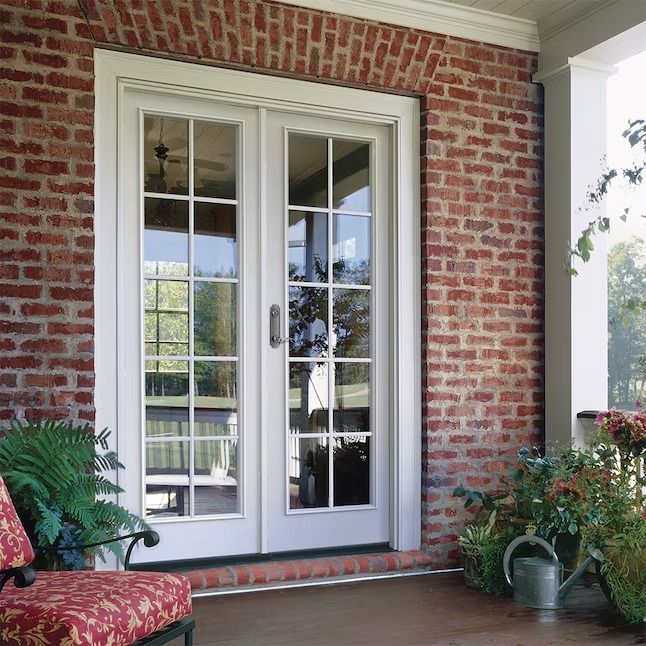
Side doors usually serve driveways, narrow walkways, storage areas, or utility routes. For that reason, they should balance security, weather protection, compact swing clearance, and simple access without competing with the main entry.
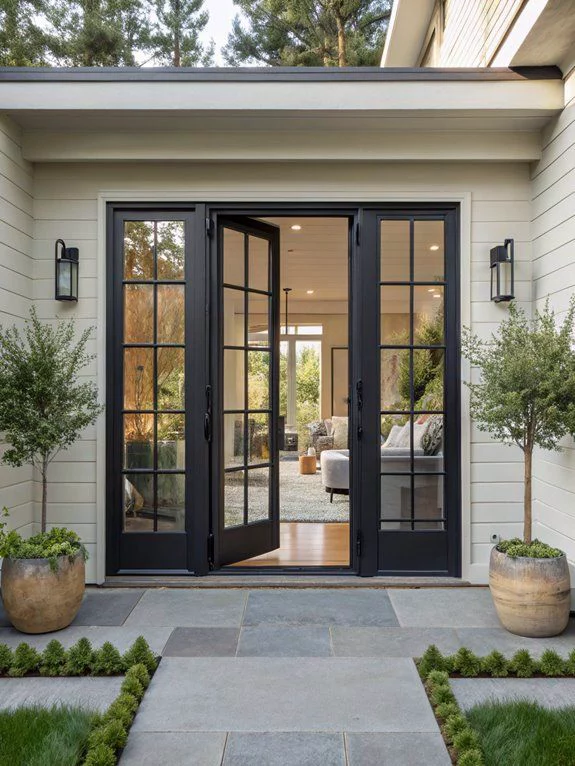
Patio doors connect kitchens, dining areas, family rooms, decks, and gardens. Consequently, homeowners should compare glass area, sliding or hinged operation, privacy, threshold comfort, and how the door supports outdoor living.
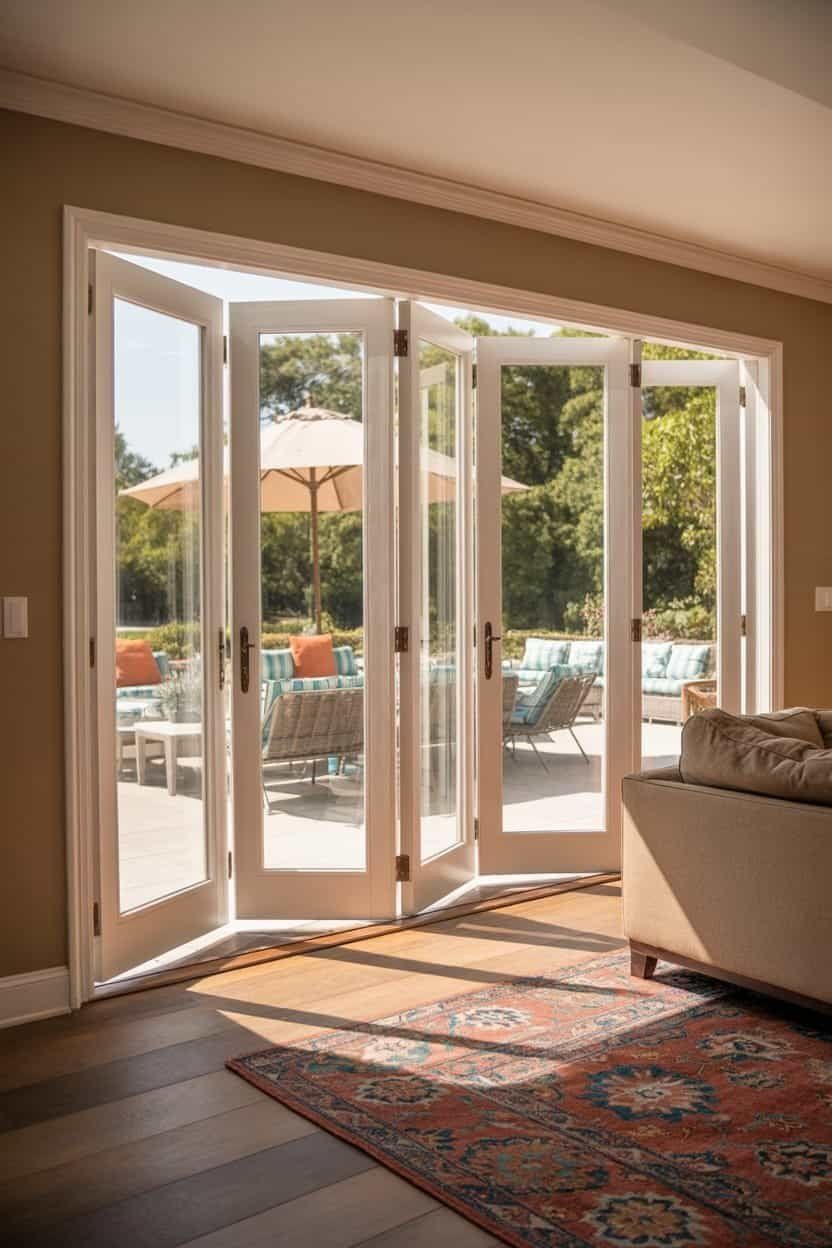
Garage-connected doors handle a busy transition between vehicles, storage, and living space. Therefore, the door should support security, solid closure, practical hardware, and proper separation expectations based on local residential code requirements.

Mudroom and laundry doors often face moisture, shoes, pets, coats, and repeated contact. As a result, durable finishes, easy-clean surfaces, practical swing direction, and dependable latches matter more than decorative detail alone.
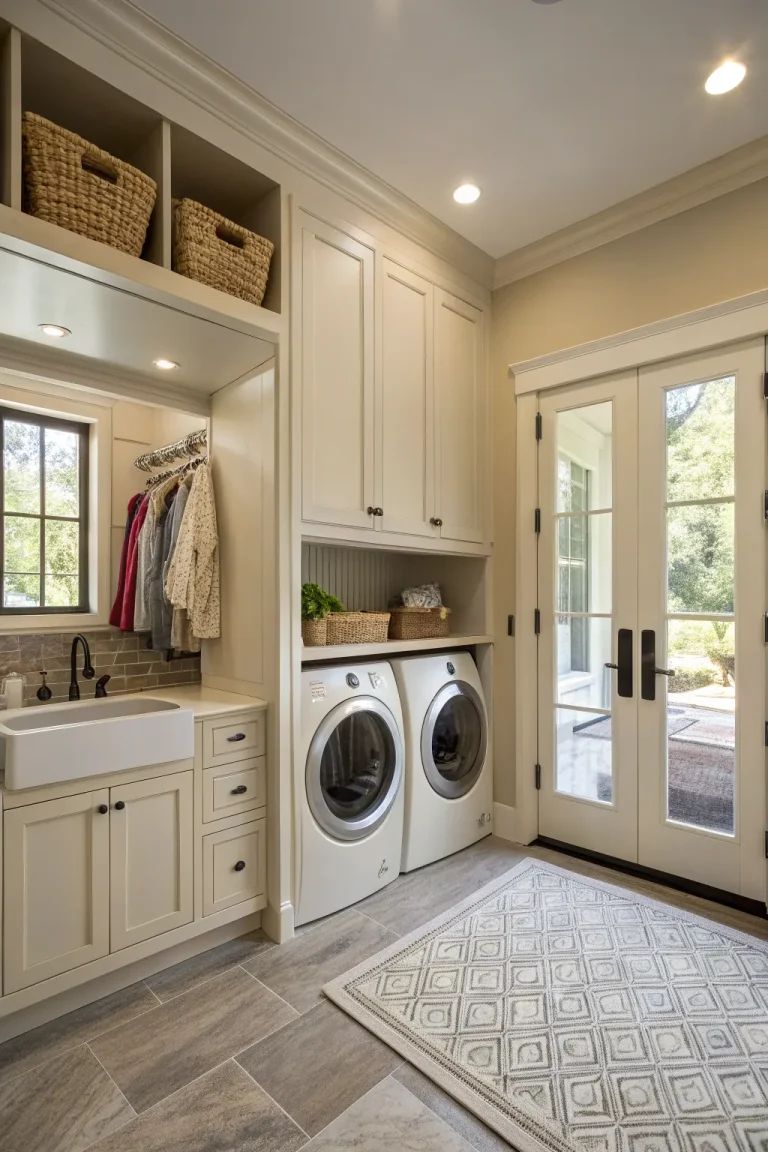
Interior house doors shape how bedrooms, bathrooms, offices, closets, and shared spaces feel. Therefore, panel style, sound control, privacy level, swing direction, and finish consistency should match each room’s purpose.
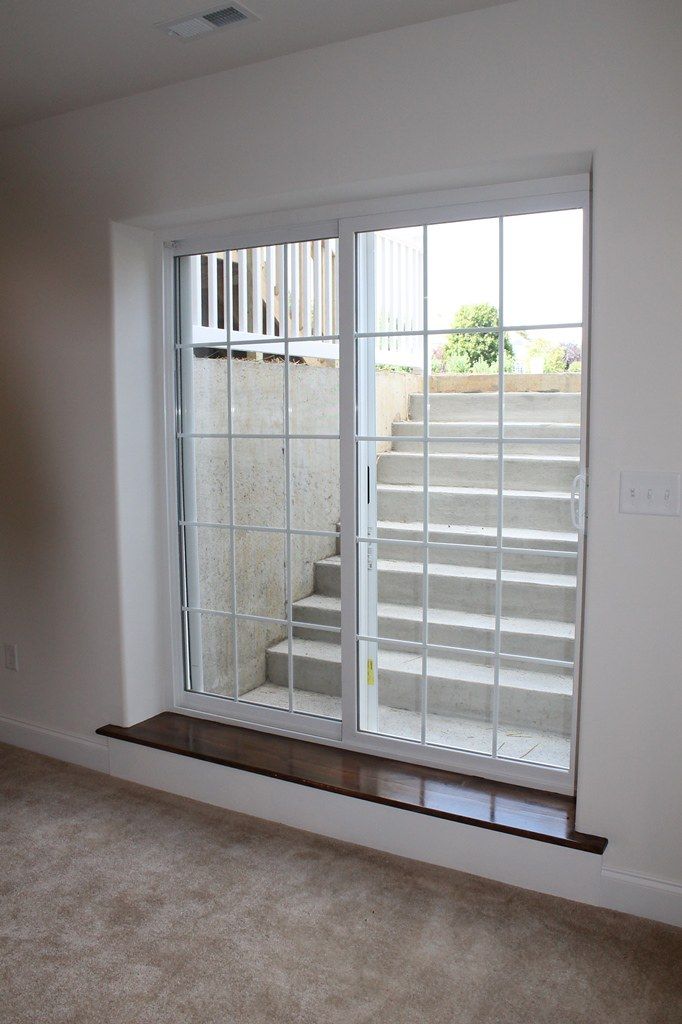
Basement and utility doors often serve compact, practical, or lower-traffic areas. However, they still need the right clearance, durability, privacy, and hardware so storage rooms, mechanical spaces, and lower levels remain easy to use.
A front entry, back door, bedroom door, and utility door should not solve the same problem. Instead, each door should match its purpose, whether it needs security, privacy, quiet, light, durability, or outdoor access.
A welcoming entry should still feel protected. Therefore, glass size, sidelites, locksets, door material, and exterior visibility should work together so the home feels open without making the entry feel exposed.
A good door should not fight the layout. As a result, swing direction, furniture placement, hallway width, stair position, closet access, and kitchen movement all matter before a homeowner chooses the final door style.
House doors can vary by room and entry point. However, finishes, profiles, glass details, and hardware should still feel connected so the home looks planned instead of collected one opening at a time.
Front, side, back, patio, and garage-connected doors deal with exposure, locking, water control, and daily access. Consequently, these doors need stronger attention to thresholds, weatherstripping, glass placement, hardware, and durable exterior finishes.
Bedrooms, bathrooms, offices, closets, basements, and hallways need doors that support quiet, privacy, and smooth movement. Therefore, the right interior choice depends on room purpose, clearance, finish, and daily household use.
Better doors depend on more than appearance. Therefore, homeowners should compare the details that affect closing, sealing, security, comfort, durability, and operation before choosing doors for different parts of the house.
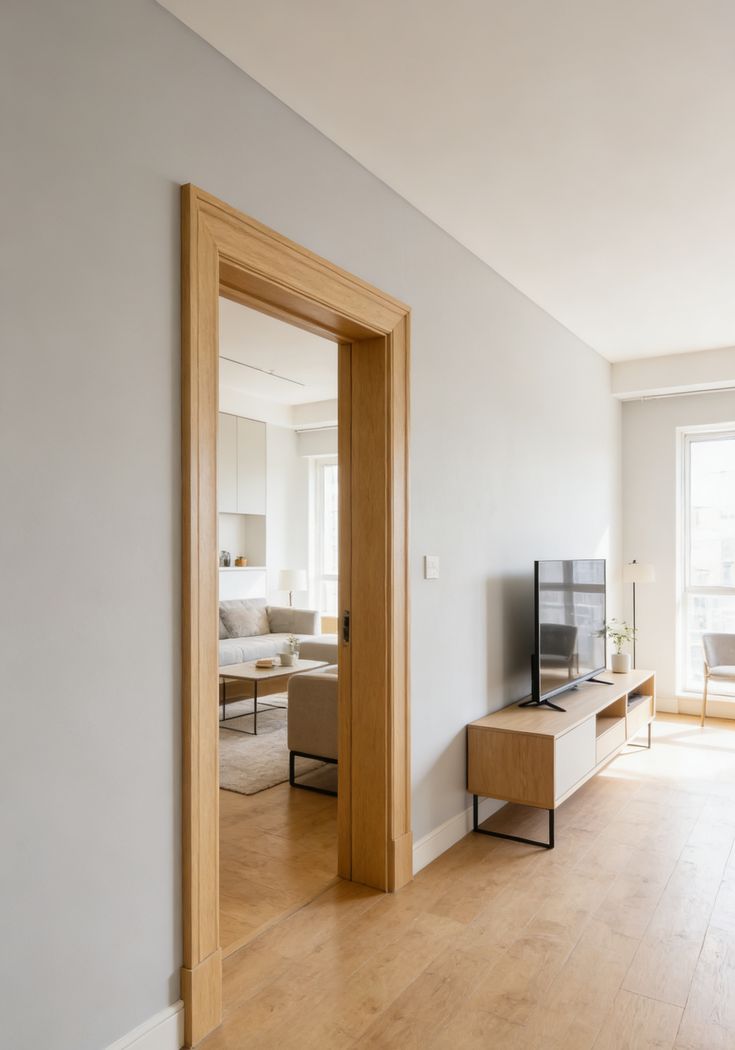
A door must sit correctly within its frame to close cleanly. As a result, proper alignment helps reduce rubbing, uneven gaps, latch issues, air leaks, and the loose feeling homeowners notice during daily use.
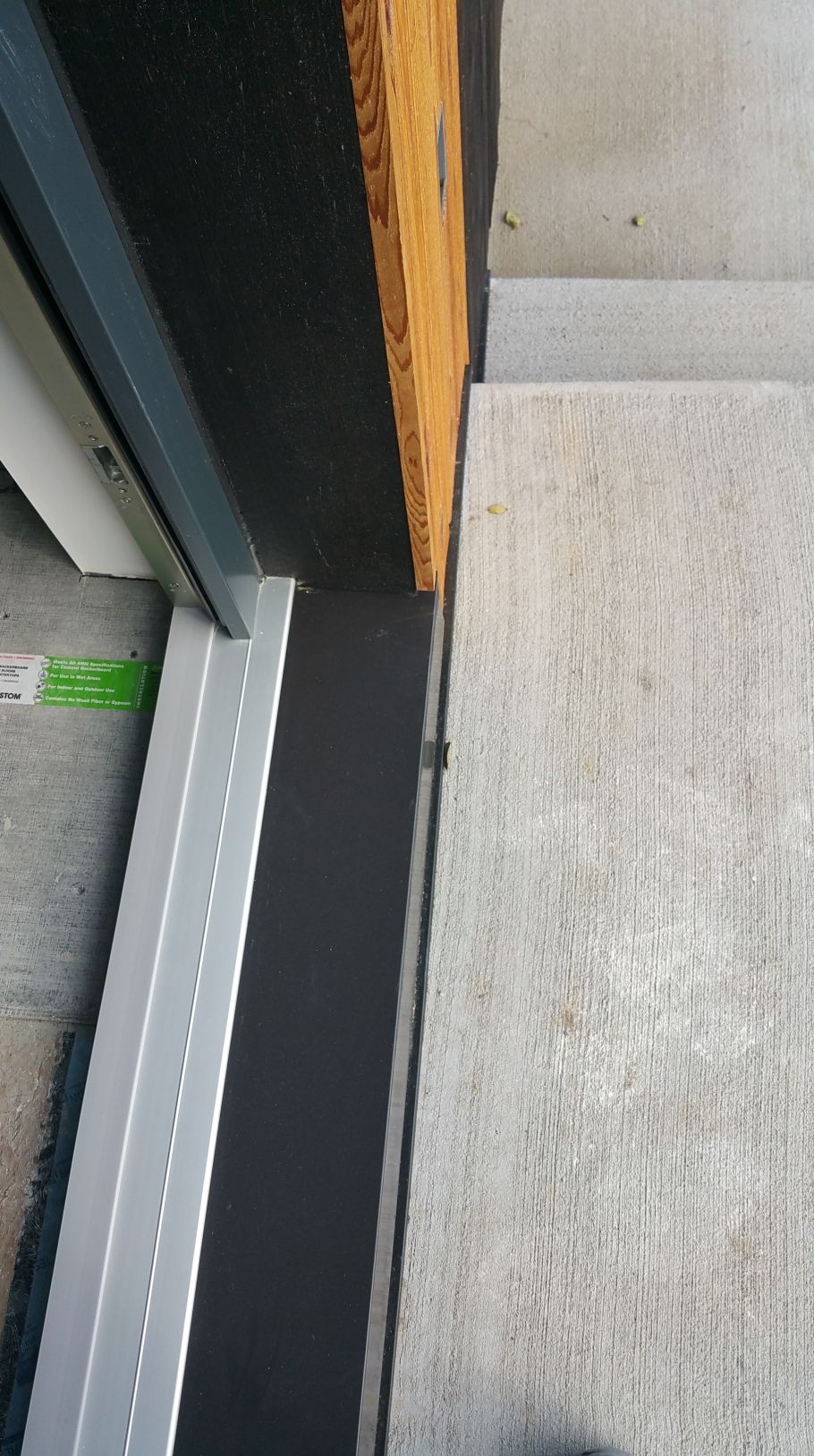
Exterior thresholds affect comfort, water control, and step transitions. Therefore, front, back, side, patio, and garage-connected doors should use thresholds that suit exposure level, traffic, flooring transitions, and weather protection needs.
A door’s core affects its feel, durability, sound control, and resistance to movement. For that reason, homeowners should compare solid, insulated, or reinforced options according to traffic level, privacy, and exposure.
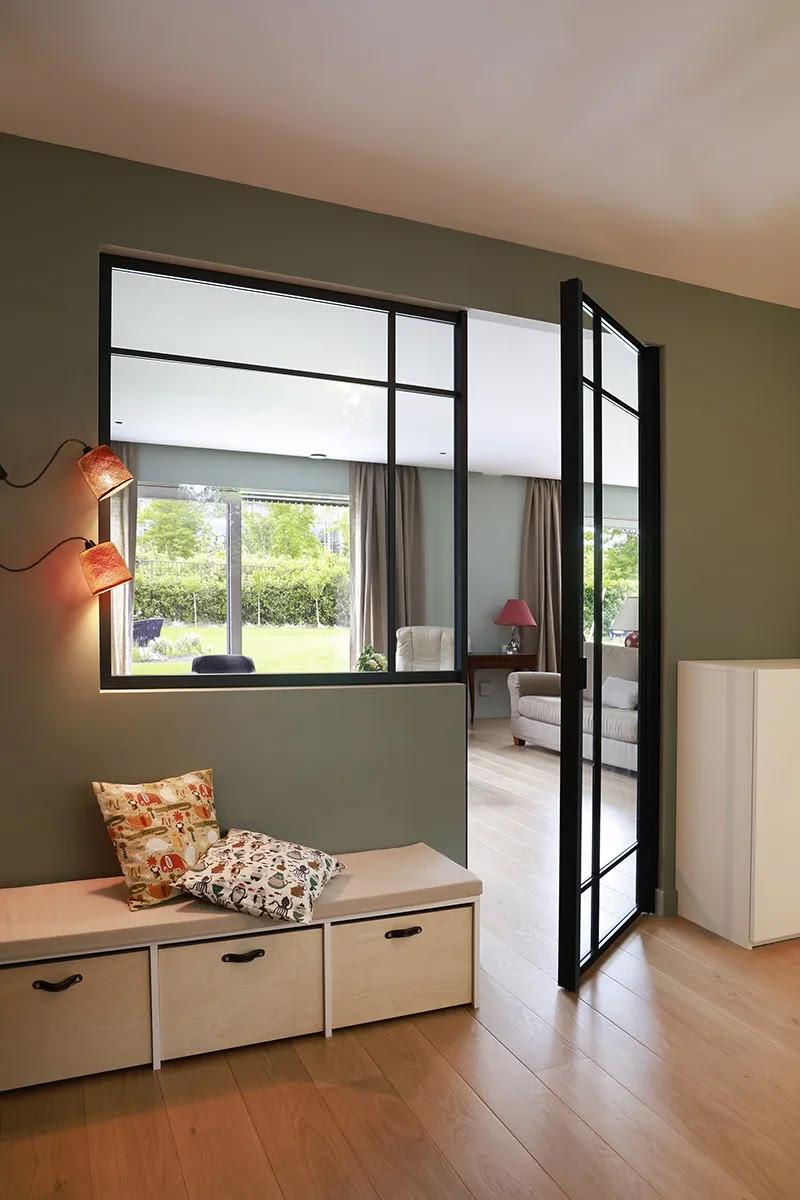
Glass can brighten entries, patios, and interior transitions. However, the glass choice should also consider privacy, glare, security, safety glazing, and whether the door faces a street, neighbour, yard, or private room.

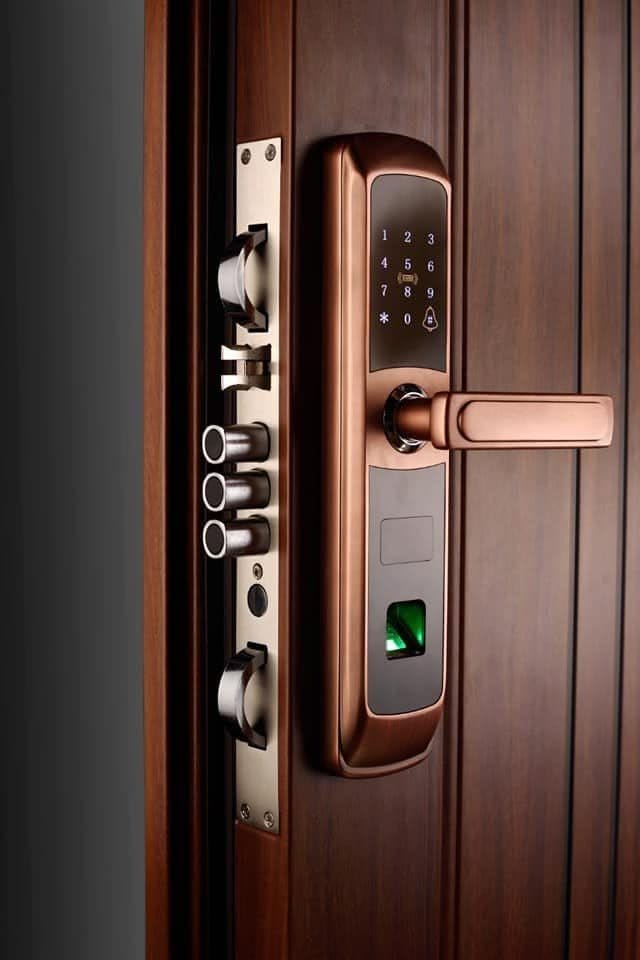
Handles, hinges, rollers, locks, latches, and closers affect how a door feels every day. Consequently, hardware should match door weight, use frequency, security expectations, and the way the household moves through the space.
Door finishes should match the conditions around the opening. Therefore, exterior doors need weather-resistant surfaces, while interior doors may need durable paint, stain, or textured finishes for pets, children, moisture, and frequent contact.

The right house doors improve how the home looks, feels, and functions. In addition, they can support privacy, comfort, movement, exterior character, and long-term performance in areas the family uses every day.
The front door acts like the face of the house. Therefore, a well-chosen entry can improve curb appeal, exterior balance, and the feeling of arrival without relying on oversized or overly decorative details.
Busy routes need doors that open easily and stay out of the way. As a result, kitchens, mudrooms, garages, patios, and back entries work better when swing, hardware, and clearance match daily routines.
Bedrooms, bathrooms, offices, and basements need doors that create separation. Therefore, door core, panel design, glass use, and fit can all improve privacy where homeowners want more control and comfort.
A house can have several access points, not just one front door. Consequently, side doors, back doors, garage-connected doors, and patio doors should be planned with locks, materials, and visibility in mind.
Poorly chosen exterior doors can create drafts, cold spots, and uncomfortable thresholds. Therefore, insulated cores, weatherstripping, glass performance, and tight closure help protect comfort during Canadian temperature swings.
Patio, deck, garden, and backyard doors should make outdoor living easier. For that reason, the door should suit traffic, views, pets, entertaining, BBQ access, and the way the family uses outdoor areas.
Interior doors influence the look of hallways, bedrooms, bathrooms, offices, and closets. As a result, coordinated panel profiles, finishes, and hardware can make the inside of the house feel cleaner and more intentional.
Some doors face constant contact, moisture, sunlight, pets, and family traffic. Therefore, stronger materials, stable cores, durable finishes, and reliable hardware help high-use house doors keep working and looking better over time.
Choosing house doors should feel practical, not confusing. Therefore, Window & Door Solutions helps homeowners compare door choices by location, exposure, privacy, security, appearance, and daily use across the whole house.
We review how the home actually works before narrowing door choices. As a result, recommendations reflect room flow, access points, exterior exposure, privacy needs, and the difference between main entries and support spaces.
Every household moves differently. Therefore, we consider children, pets, guests, outdoor access, storage routes, work-from-home spaces, and busy transitions before suggesting doors that need to perform well every day.
A door should match the opening, not just the design preference. Consequently, we review size, swing direction, glass use, weather exposure, lock needs, and hardware durability before finalizing suitable options.
Exterior doors need to handle rain, wind, cold, sunlight, and seasonal movement. Therefore, we help homeowners compare materials, glass, seals, thresholds, and finishes with Canadian performance expectations in mind.
We make the decision easier by separating door zones clearly. In addition, we explain what works best for front entries, patio access, side routes, garage transitions, private rooms, and support spaces.
Our process focuses on house-specific door selection, not a generic service workflow. Therefore, each step helps homeowners move from scattered ideas to a clear door plan for every important opening.
We begin by identifying key door zones across the house. This includes front entry, back access, side access, patio areas, garage connection, basement routes, bedrooms, bathrooms, closets, and high-traffic interior spaces.
Next, we look at daily movement through each opening. As a result, the door choice can reflect pets, children, groceries, guests, outdoor access, privacy needs, storage routes, and family habits.
Some doors face weather, street views, backyard access, or private rooms. Therefore, we review exposure, lock expectations, glass visibility, sound needs, and privacy level before recommending a suitable door type.
We compare materials, panel layouts, glass options, swing types, sliding functions, and hardware. Consequently, each door can match its real job instead of using the same product logic everywhere.
A house feels better when doors relate to each other visually. Therefore, we review finishes, profiles, trim, glass details, and hardware so exterior and interior doors feel connected without becoming identical.
Comfort depends on more than appearance. In addition, exterior doors may need stronger sealing, interior doors may need better privacy, and patio doors may need better glass and threshold planning.
Finally, we prepare a practical recommendation for door locations, materials, glass, finishes, hardware, and priorities. As a result, homeowners can choose house doors with less confusion and more confidence.
Window & Door Solutions supports homeowners with practical door planning across the house. Therefore, our services focus on matching the right door to the right opening, not pushing one generic option everywhere.
We help homeowners compare door choices across the entire house. Therefore, entries, patios, bedrooms, bathrooms, closets, basements, and support spaces can work together as one coordinated door plan.
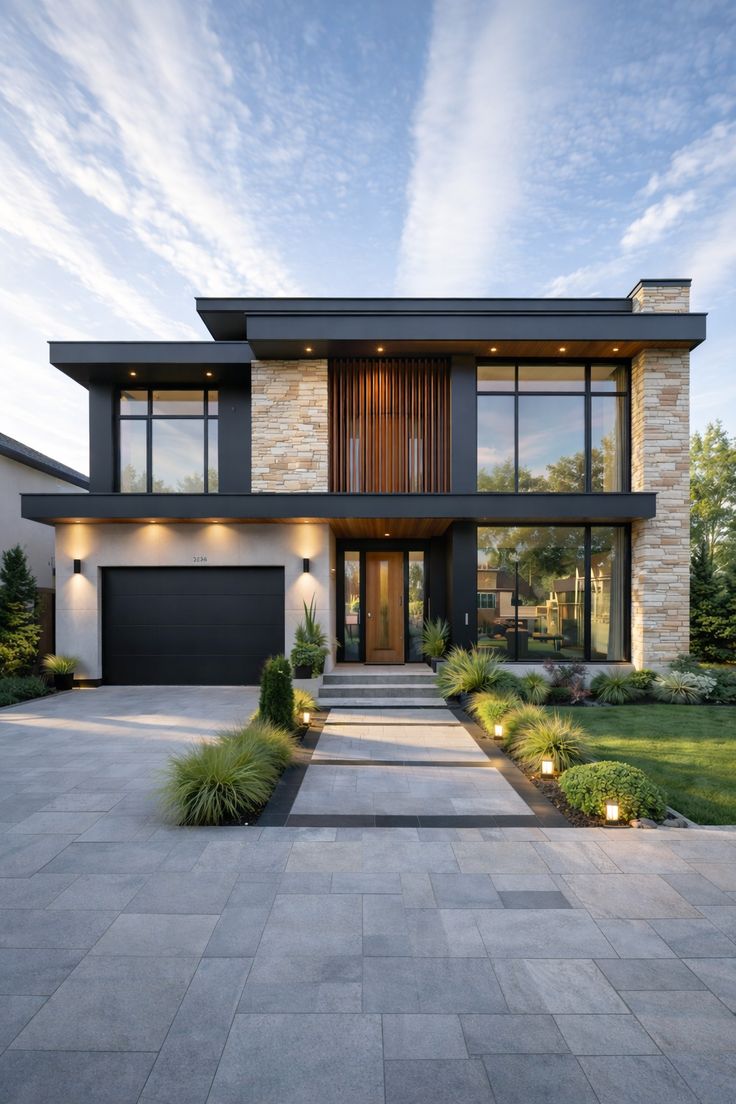
We review front, side, back, patio, and garage-connected doors with attention to weather, security, glass, thresholds, and curb appeal. As a result, exterior doors can perform well and suit the home’s character.
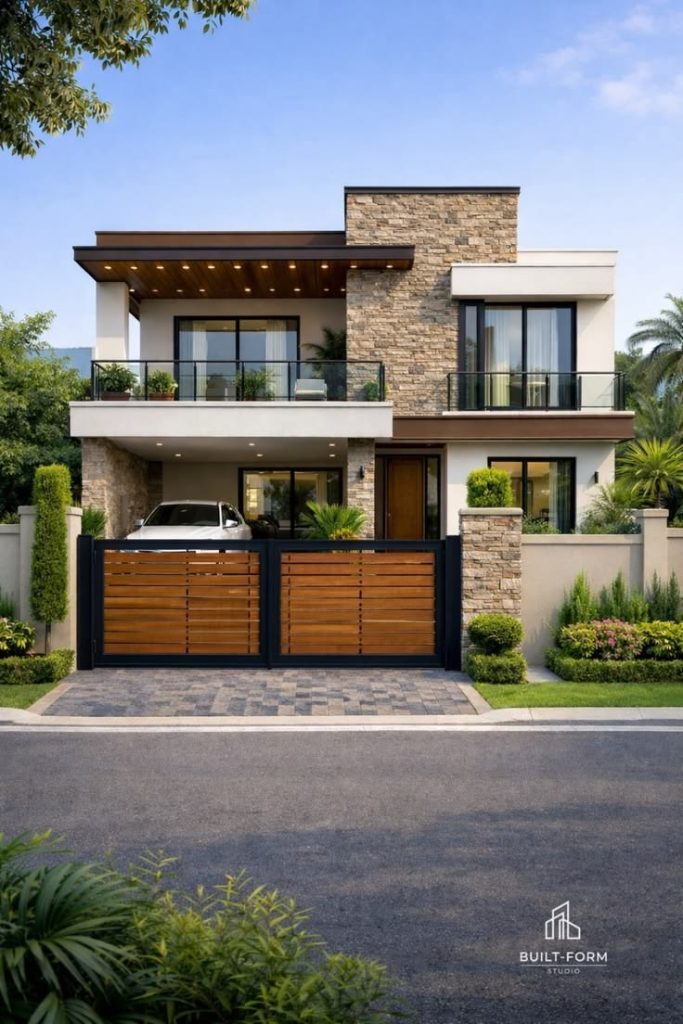
We help homeowners choose interior doors for bedrooms, bathrooms, offices, closets, basements, and hallways. Therefore, privacy, sound control, swing direction, finish, and room flow stay central to the decision.
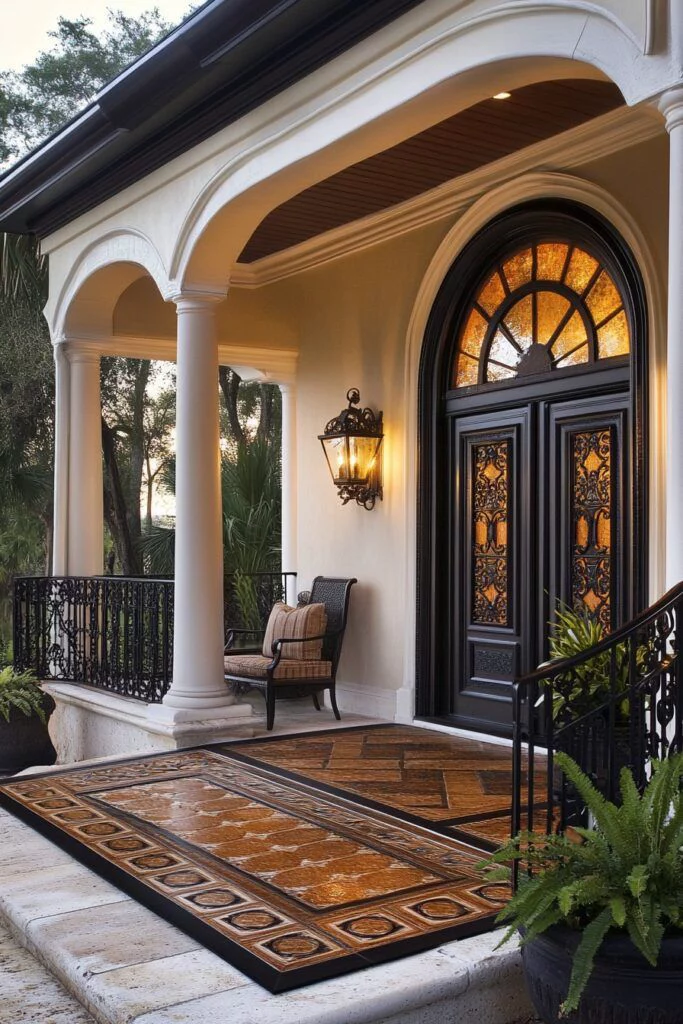
House doors should meet the practical expectations of the home and the local code environment. Therefore, homeowners should consider residential safety, energy performance, exterior exposure, safety glazing, and applicable provincial requirements before finalizing products.
The National Building Code of Canada sets technical requirements for building design and construction, including safety, health, accessibility, fire, structural protection, and energy efficiency. Therefore, house doors should suit the opening, location, and residential use condition.
Provincial codes adapt and enforce building requirements locally. In British Columbia, for example, the 2024 BC Building Code adopts the National Energy Code of Canada for Buildings by reference, so local door decisions should respect regional code paths.
The AAMA/WDMA/CSA 101/I.S.2/A440 NAFS standard applies to windows, doors, and skylights in exterior building envelopes. Consequently, exterior house doors can be compared by tested performance for air, water, structure, and operation.
ENERGY STAR Canada publishes technical specifications for residential windows, doors, and skylights sold in Canada. Therefore, homeowners who care about comfort and energy use can compare qualified exterior door products more clearly.
Door glass, sidelites, and nearby glazed areas may need safety glazing depending on location and local code requirements. Because safety glazing changes were highlighted in NBC 2020 guidance, homeowners should confirm tempered or laminated glass needs before choosing door glass.
House doors should support how the home looks, moves, and feels every day. Therefore, the right plan should connect entry impact, patio access, privacy, security, room flow, interior finish, and exterior weather exposure.
At Window & Door Solutions, we help homeowners choose doors for real house conditions. Whether you need a stronger front entry, smoother backyard access, better bedroom privacy, or a coordinated whole-home door plan, we can help you compare practical options.
Contact us to get a Free House Door Consultation today and plan doors that fit every entry, room, and daily routine in your home.