Get Your Quote within 24 Hours
At Window & Door Solutions, metal windows are specified where the opening needs a stronger frame strategy than standard light-duty systems can provide. In Canada, many commercial and industrial buildings use larger glass areas, tougher service conditions, and more exposed wall locations that place greater demand on the full assembly. Therefore, metal window systems are often chosen where frame rigidity, glazing support, and dependable long-term alignment matter from the start.
Metal windows are also used when the building cannot tolerate frequent adjustment, premature wear, or frame movement under load. For that reason, these systems are common in commercial, institutional, and utility-focused projects where the window must hold its shape, carry heavier glazing, and perform more reliably under daily operational pressure.
In commercial and industrial work, metal window types are usually selected by opening function, structural demand, and building use rather than by residential preference. Therefore, the most suitable types are the ones that can handle heavier framing demands, more specialized glazing, and tougher operating conditions in Canada.
Horizontal sliding metal windows are used where the opening needs simple operation and efficient use of surrounding space. For that reason, they suit service areas, administrative zones, and repeated openings where swing clearance is limited.
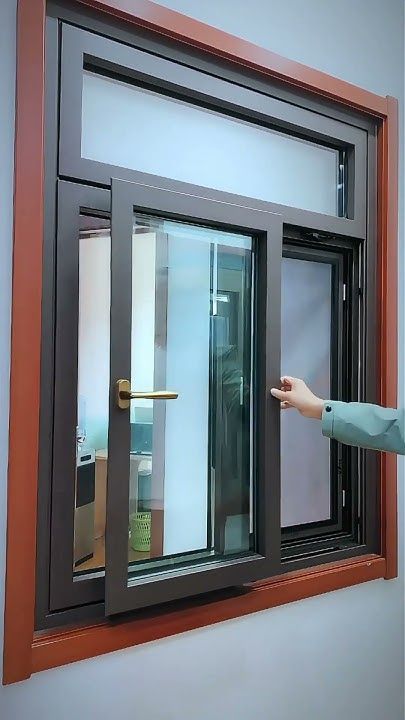
Single hung metal windows offer a controlled vertical opening with a fixed upper section. As a result, they suit openings that need a compact operating format and a straight forward maintenance profile.
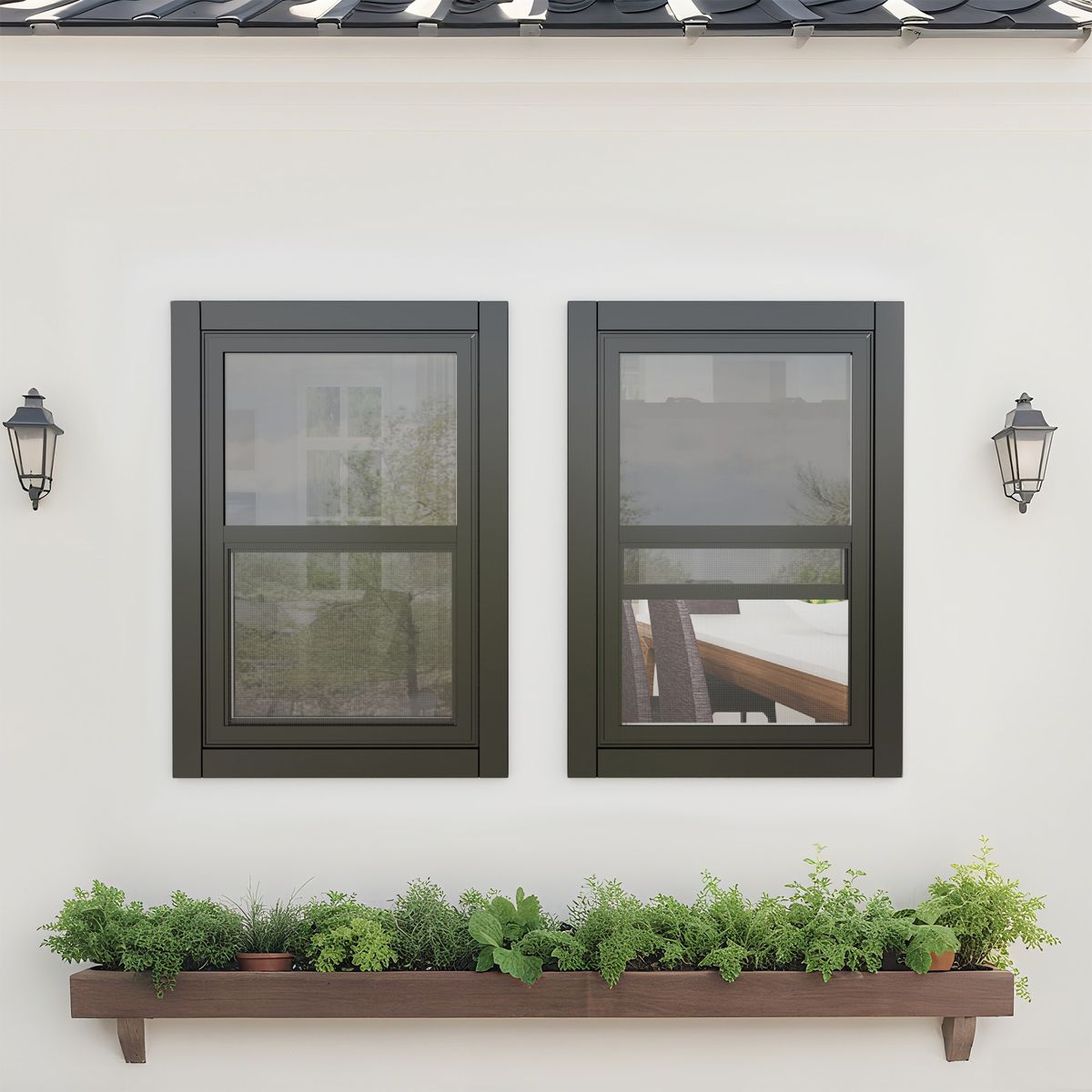
Fixed metal windows are used where the opening needs daylight, visibility, and structural stability without operable parts. As a result, they suit corridors, utility zones, production spaces, and other areas where durability matters more than ventilation.
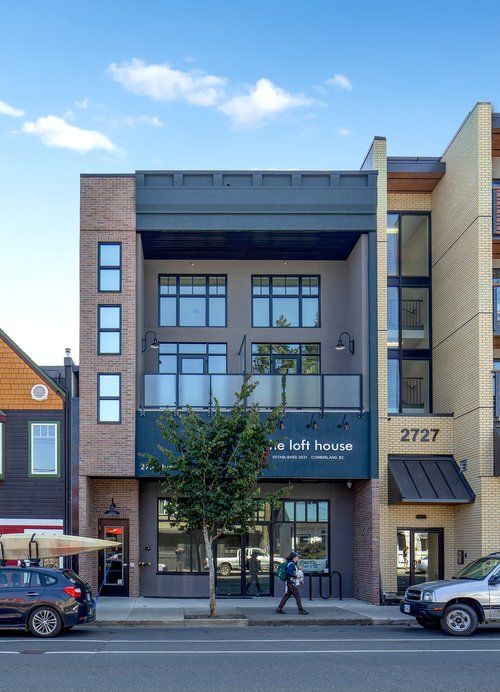
Operable vent metal windows are used where the space needs controlled airflow without relying on a larger access opening. For that reason, they work well in service rooms, mechanical areas, and other spaces that need practical ventilation with stronger frame support.
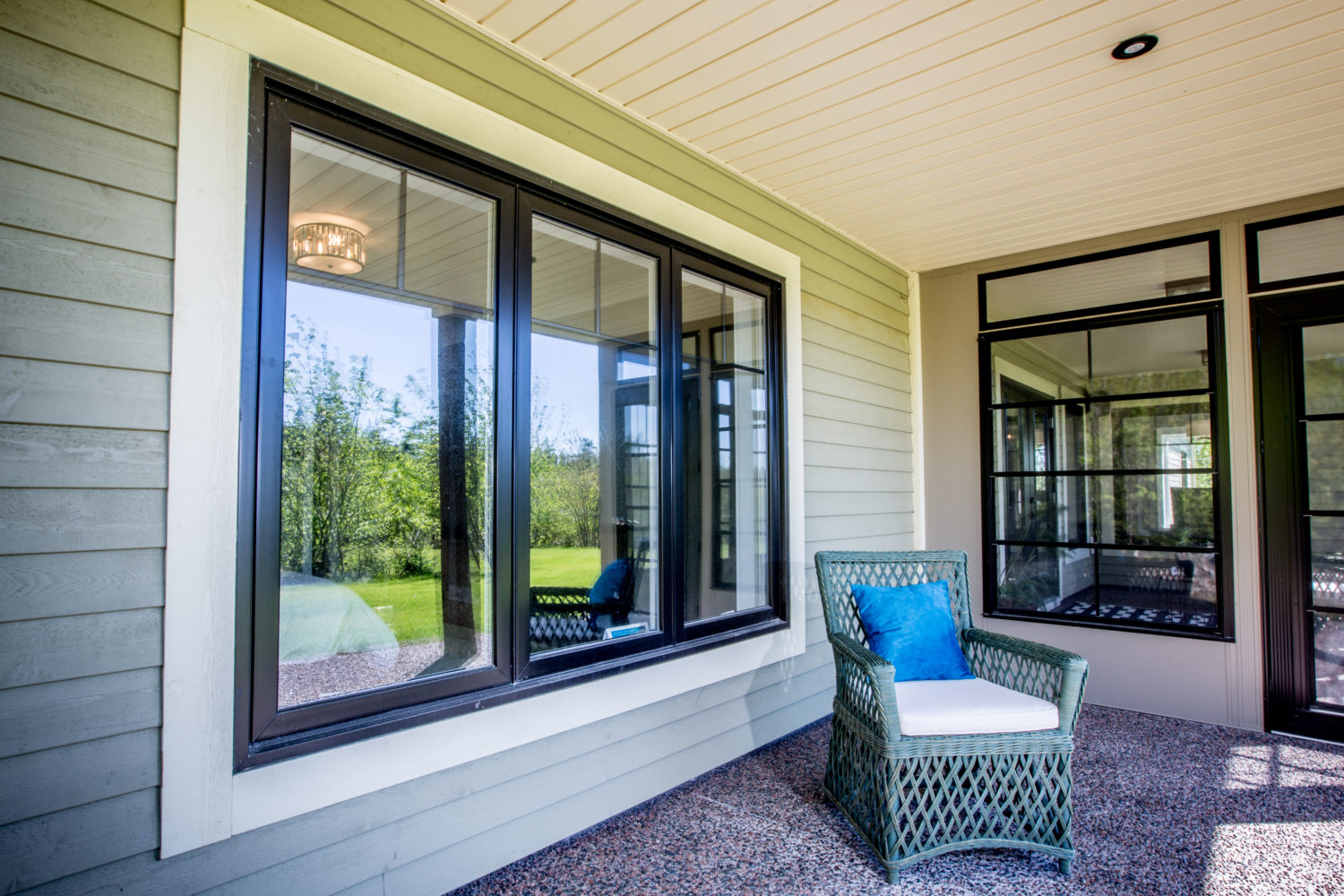
Pivot metal windows rotate on a central or offset axis and are used in projects that need a more specialized operating format. As a result, they suit architectural, institutional, or custom commercial openings where standard side-hinged movement is not the best fit.
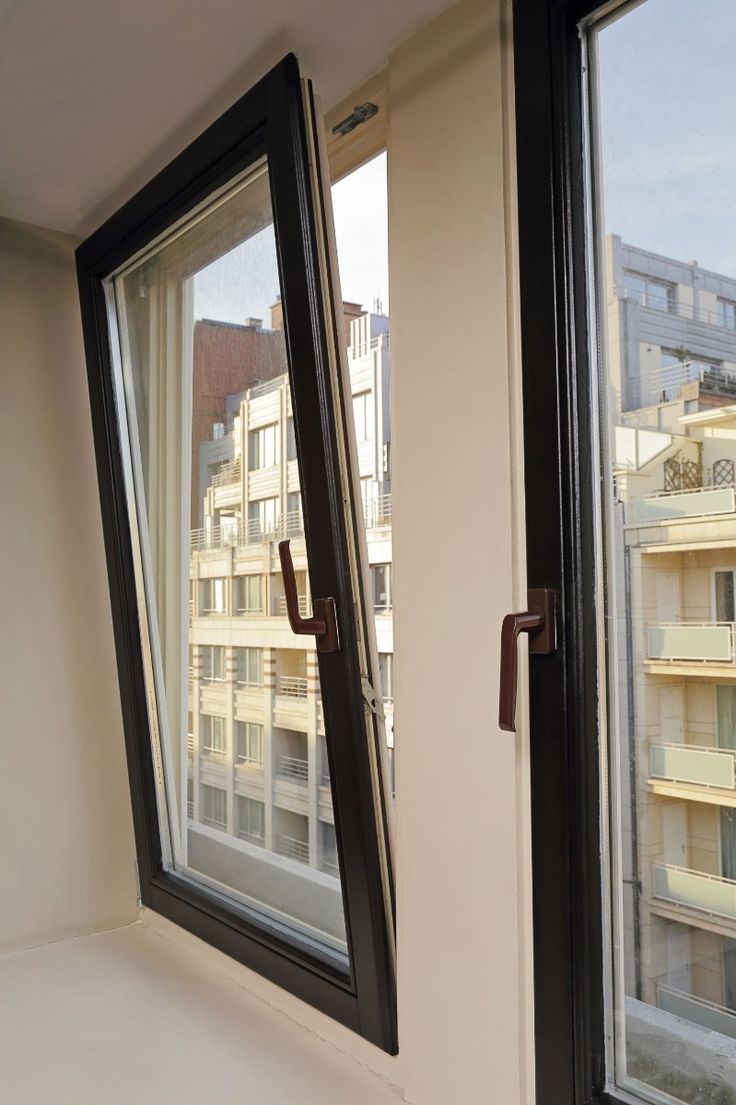
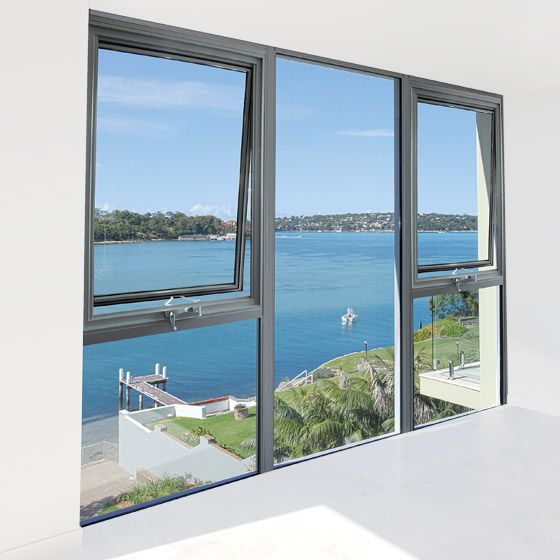
Awning metal windows are useful in smaller openings where ventilation is needed without exposing the space too easily to rain. Therefore, they fit service rooms, utility zones, and certain back-of-house commercial areas.
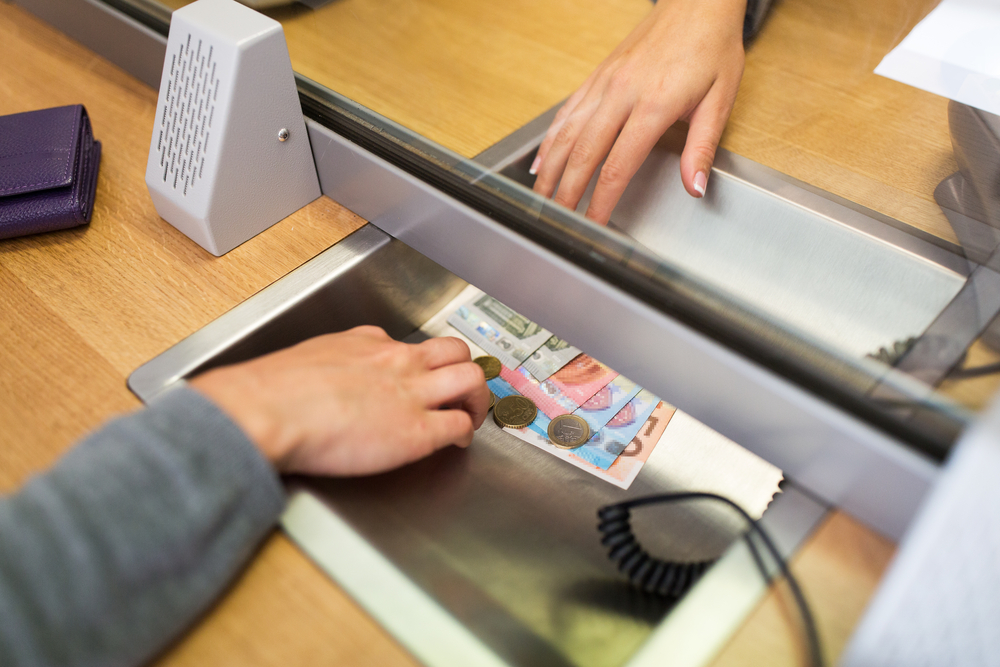
Security and transaction metal windows are designed for controlled exchange, limited access, and stronger protection at the opening. Consequently, they work well in cashier points, reception areas, service counters, and other commercial settings where security matters.
Custom metal window assemblies are built for openings that do not fit standard sizes, operating formats, or glazing demands. Therefore, they suit industrial and commercial projects where the window system must be designed around the actual structural and operational conditions of the building.
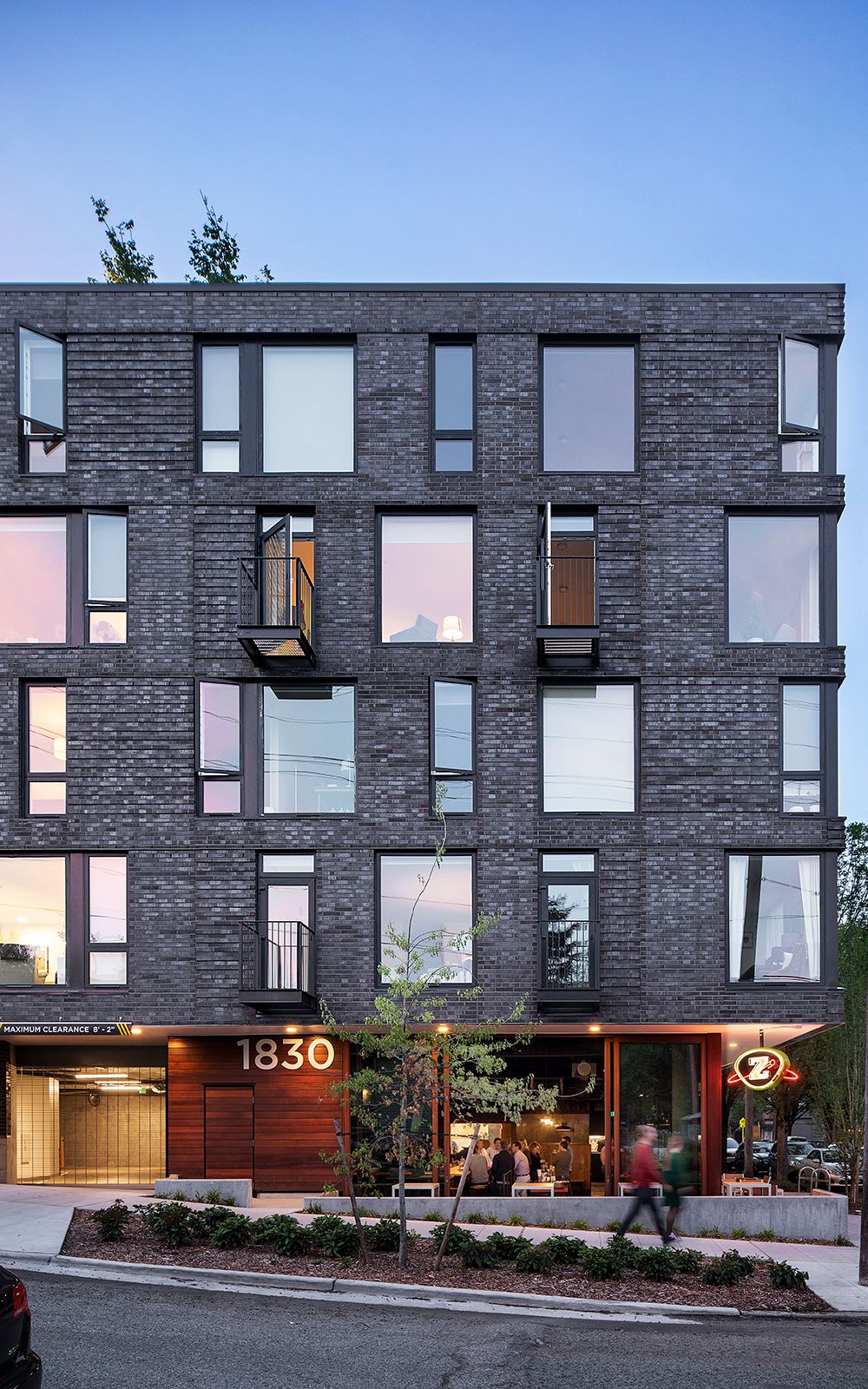
Some openings require larger glass areas or thicker glass builds that place more load on the frame. As a result, metal window systems are often used where the glazing demand exceeds what lighter framing can comfortably support.
Public-facing openings, service zones, and higher-contact areas often need stronger safety glazing. For that reason, metal windows are commonly selected where the glass must perform under stricter safety and breakage requirements.
Buildings with stronger sun exposure, colder orientations, or harsher weather conditions often need more demanding glass performance. Consequently, metal systems are used where the glazing package must work with a stronger frame under tougher exposure.
Some projects require glazing for fire separation, sound control, privacy, security, or controlled visibility. Therefore, metal windows are often the better choice where the opening must carry a more specialized commercial glass package.
Warehouses, mechanical spaces, service corridors, and utility-focused buildings often place more stress on window assemblies through exposure, access needs, and lower tolerance for damage. As a result, metal window systems work well in these environments because they provide stronger frame support and more dependable performance under practical day-to-day conditions.
Schools, hospitals, civic buildings, and other high-use facilities need windows that can handle regular operation, public-facing conditions, and stricter safety expectations. For that reason, metal-framed systems are often selected where the opening must combine durability, stability, and more controlled long-term performance in Canada.
Because this page focuses on material, frame construction matters more here than on a general window page. The metal frame does not only hold the glass. It also affects structural support, corrosion resistance, thermal behavior, finish durability, and long-term movement at the opening. Therefore, the frame build must match the project’s actual operating demands.
Galvanized steel frames use a protective coating to improve corrosion resistance. Consequently, they suit industrial and utility openings that need stronger long-term protection.
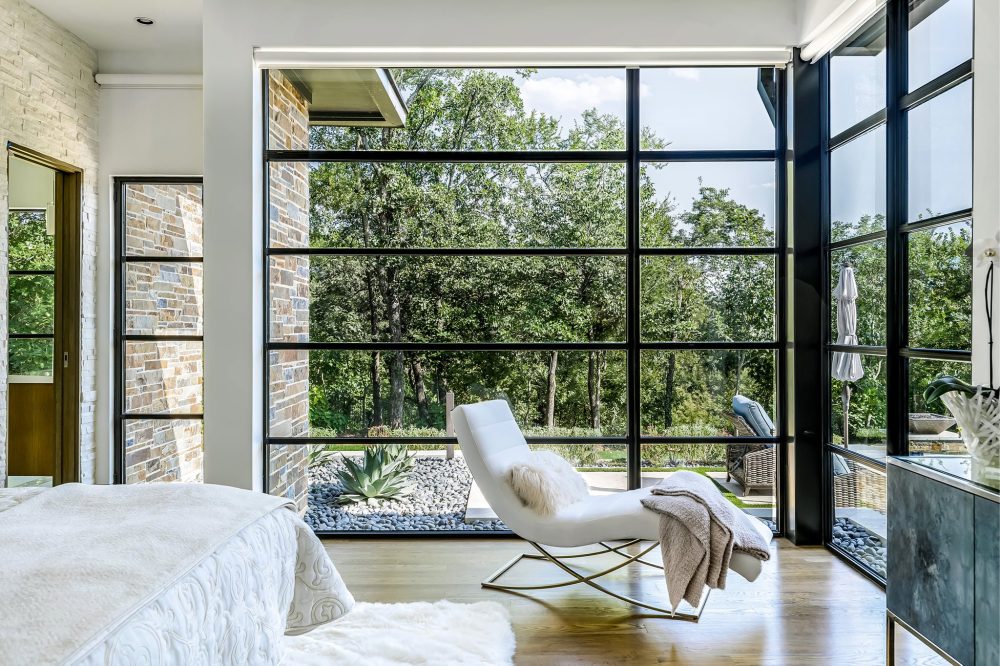
These frames provide lighter structural performance with better thermal separation. As a result, they suit many commercial projects that need durability and improved condensation control.
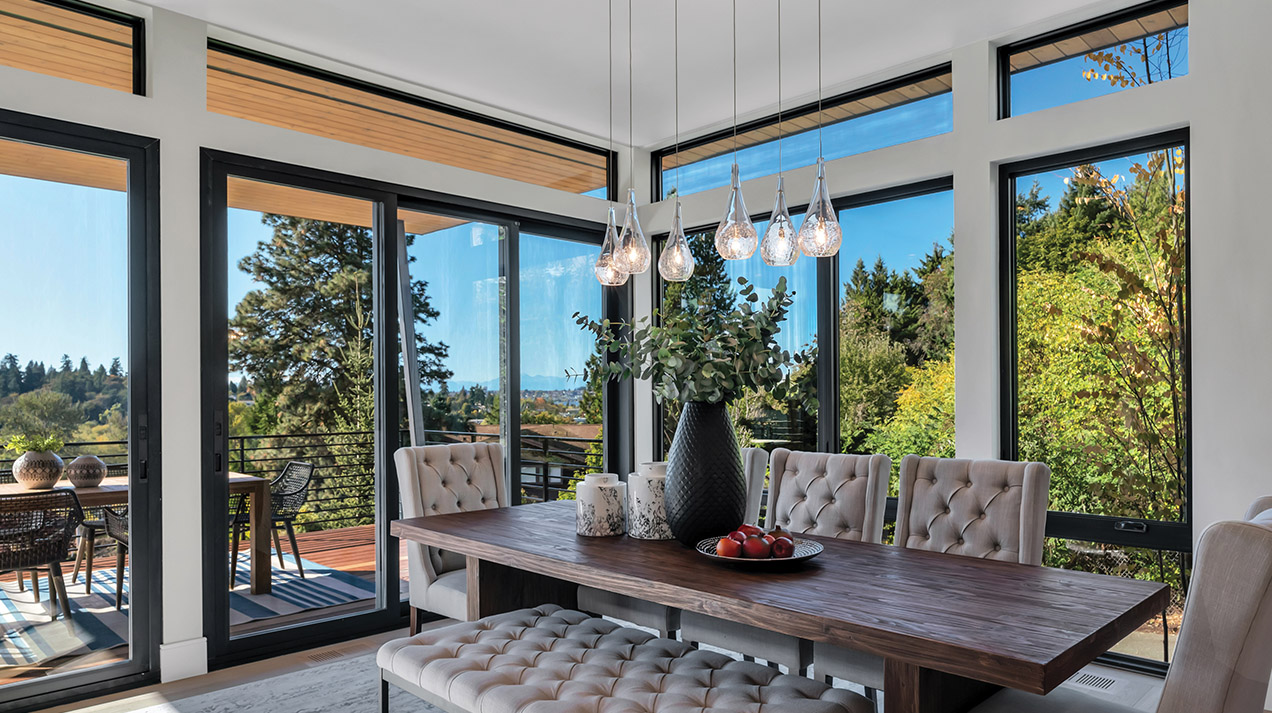
Stainless steel frames offer strong corrosion resistance and long-term durability. For that reason, they work well in demanding environments with more moisture or wear exposure.
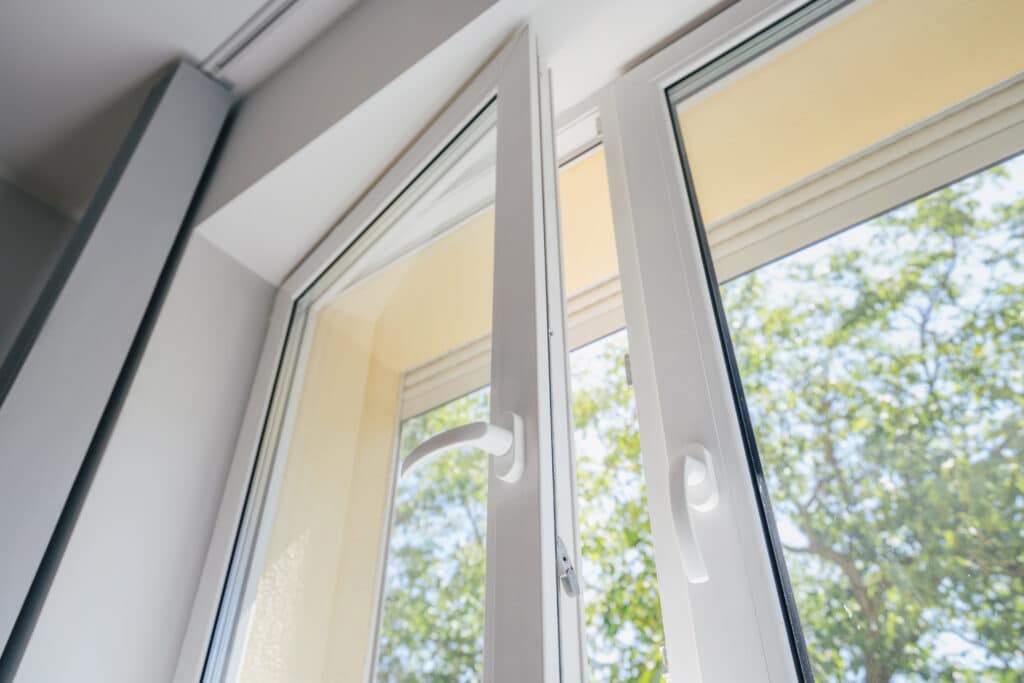
Bronze frames combine durability with a more architectural appearance. Therefore, they suit projects that want long-term metal performance with a more premium finish.
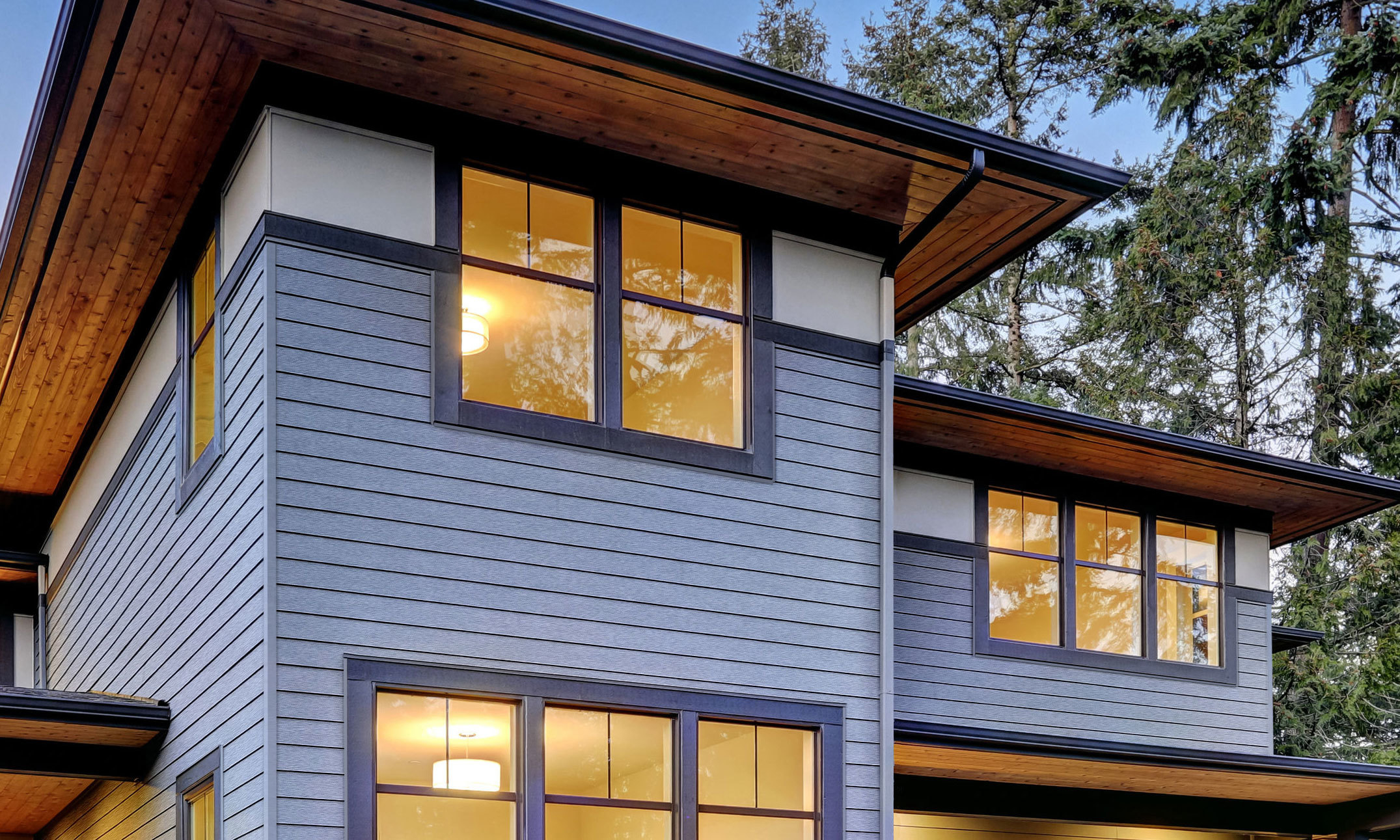
Copper frames are used in specialized architectural projects where the metal finish is part of the design intent. As a result, they fit buildings that need both material character and window performance.
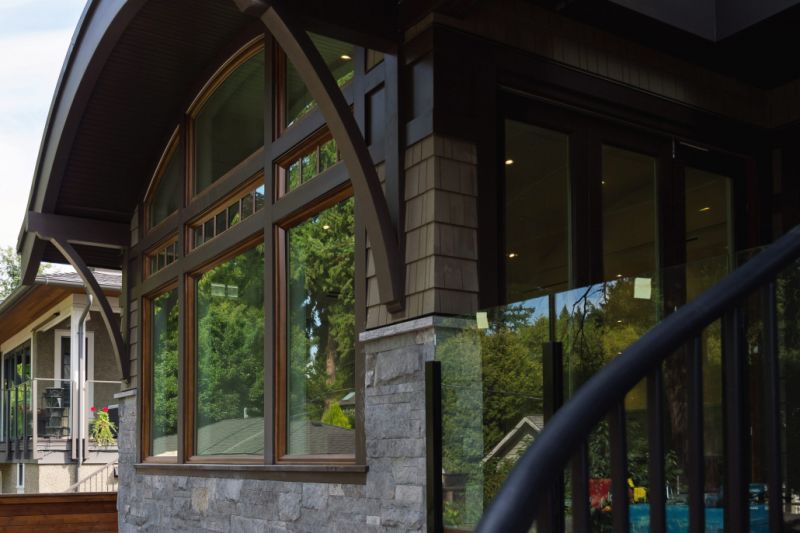
Reinforced metal systems support heavier glazing and larger openings more effectively. In addition, they help maintain frame stability under more demanding commercial conditions.
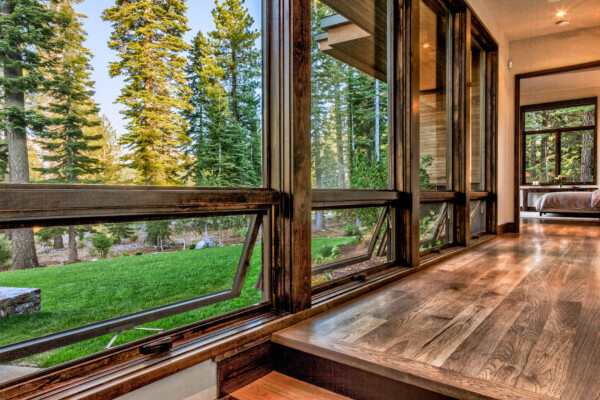
Metal window selection is usually tied to tougher project demands, not standard product comparison. Therefore, commercial buyers need guidance that reflects real opening conditions, structural limits, and how the frame will perform once the building is in service. At Window & Door Solutions, we approach metal window projects from that practical side of the work, so the system is matched to the demands of the building rather than forced into a generic specification.
Metal windows are not chosen only by size or appearance. As a result, we help evaluate which metal system makes sense based on rigidity, corrosion exposure, finish durability, and the type of glazing the opening needs to carry.
Commercial openings vary in function from service windows and utility rooms to grouped glazed sections and public-facing areas. For that reason, the selection process has to reflect how each opening will actually be used once the building is occupied.
A metal frame performs differently depending on the weight, safety requirements, and performance level of the glass it supports. Consequently, we focus on matching the frame and glazing package as one working assembly rather than treating them as separate decisions.
Some buildings place more stress on the window through exposure, heavier use, or stricter security expectations. Therefore, we focus on systems that are better suited to those tougher commercial conditions from the start.
Not every commercial project uses standard window sizes or simple opening layouts. As a result, we support projects that need grouped systems, reinforced assemblies, or other custom metal window solutions built around the real conditions of the building.
Metal window systems in Canada have to respond to climate exposure, thermal demands, and local code expectations that affect long-term operation. For that reason, product guidance should reflect Canadian building conditions rather than a generic catalog approach.
Metal windows can accommodate a wide range of commercial glazing systems, including acoustic, safety, security, and fire-rated options where required. Consequently, they support more complex project needs.
A durable metal window system can reduce disruption, support better lifecycle performance, and improve long-term reliability. Therefore, it contributes to stronger value over the operating life of the building.
In commercial construction, metal window systems are often specified under tighter performance expectations and less margin for error. Therefore, the value comes from how well the system is matched to the building’s demands, not just from the product itself.
Metal windows require decisions based on frame strength, exposure level, and glazing weight. As a result, we focus on selecting systems that match the actual load and use conditions of the building.
Commercial openings vary widely in size, purpose, and usage. For that reason, we assess how each opening will function before recommending a suitable metal configuration.
Metal frames must integrate properly with surrounding wall systems and structural elements. Consequently, attention is given to how the window connects to the building envelope to maintain stability and performance.
Different spaces within the same building can place very different demands on the window system. Therefore, the selection process is guided by actual use conditions rather than a one-size-fits-all approach.
Commercial projects require coordination across multiple elements, including framing, glazing, and installation planning. As a result, the process is structured to support smoother execution in non-residential environments.
Metal window planning requires more than picking a frame type and glass unit. Therefore, each project should be reviewed as a full system that must handle structural demands, weather exposure, and long-term commercial performance.
We begin by reviewing the building type, opening size, and surrounding conditions. As a result, the window strategy reflects the actual demands of the project.
We assess thermal exposure, moisture risk, wind conditions, and daily-use demands at the opening. Therefore, the selected metal window system aligns with real operating conditions.
We select the appropriate metal window type based on ventilation needs, building function, and maintenance priorities. Consequently, the chosen format supports both use and durability.
We match the frame construction and glazing package to the building’s structural needs, performance targets, and code requirements. For that reason, the system works as a coordinated assembly rather than a collection of parts.
Metal windows must integrate properly with the surrounding wall and envelope strategy. In addition, the frame must suit the structural condition of the opening.
After installation, the unit is checked for smooth operation, consistent sealing, and overall fit. This helps confirm the window is ready for regular use.
Before the project moves forward, the full metal window package should support durability, glazing performance, code alignment, and long-term use. As a result, the final review confirms the system is matched to the project.
At Window & Door Solutions, we provide metal window solutions for projects that need stronger frames, dependable glazing support, and long-term commercial performance. Therefore, each solution should match the building use, opening conditions, and performance demands of the project.
We support new commercial projects with metal window systems selected for durability, glazing compatibility, and long-term envelope performance.
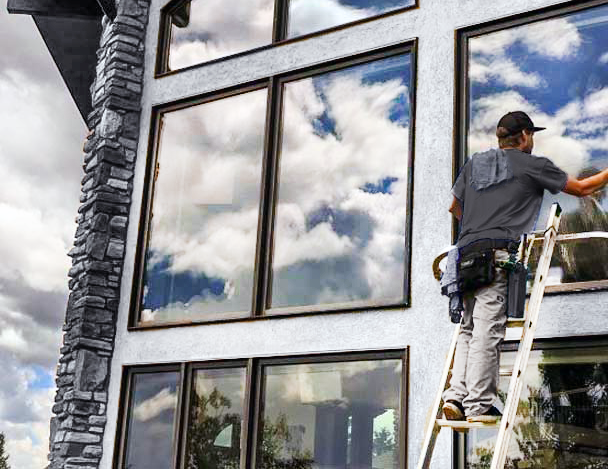
We provide metal window solutions for industrial upgrades where the goal is to improve frame stability, long-term durability, and opening performance.
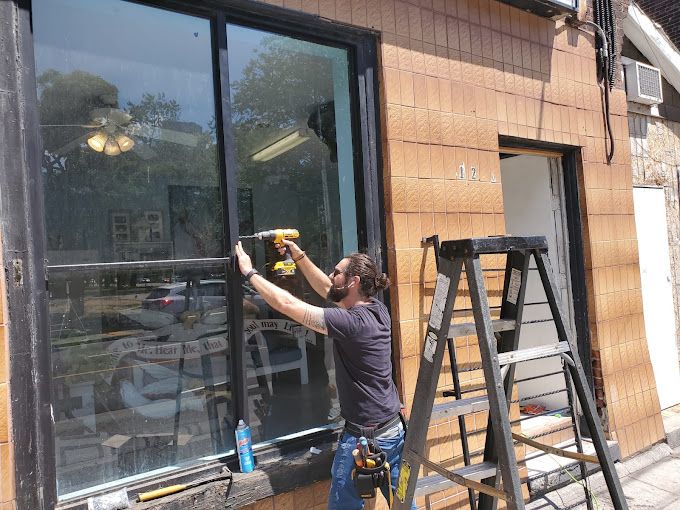
We also support custom metal window projects where the building requires a specific frame construction, glazing package, or operating format.
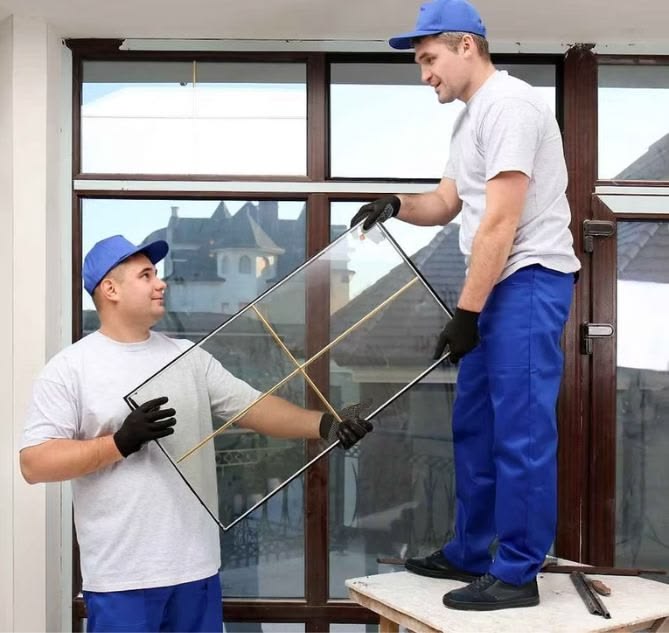
At Window & Door Solutions, metal windows must support safety, durability, and code-aware performance in Canadian commercial conditions. Therefore, the right system should align with the standards that affect long-term building performance.
The NBC supports requirements tied to structural safety, glazing use, and dependable opening performance. As a result, metal windows must suit the building type and the way the opening is used.
The NECB supports better insulation and improved building-envelope efficiency. Therefore, frame construction, glazing performance, and thermal control all matter in metal window selection.
CSA-certified systems are tested for air leakage, water resistance, and long-term operation. In commercial work, that helps confirm more dependable product performance.
Fenestration Canada reflects current best practices for products and technical guidance. Consequently, it supports more informed metal window selection in Canadian projects.
Provincial codes affect glazing safety, weather control, and opening performance. For that reason, metal windows must reflect the local code conditions that apply to the project.
At Window & Door Solutions, we help commercial buyers choose metal windows that match the building, the opening, and the long-term performance goals of the project. Whether the work involves industrial upgrades, commercial new build, or specialized glazing requirements, the right metal window system can improve durability, security, and overall envelope performance in Canada.
If you need metal windows built for strength, reliable service life, and code-aware commercial performance, contact Window & Door Solutions today. Get a Free Estimate or Contact Us Today to discuss the right system for your project.