Get Your Quote within 24 Hours
A skylight should bring light into the home, not moisture, drafts, or ongoing repair concerns. However, once a skylight starts leaking, fogging, staining the ceiling, or showing visible wear around the frame, the problem usually reaches beyond appearance alone. Water can move into the surrounding roof area, seals can fail over time, and flashing details can stop protecting the opening the way they should. For that reason, skylight repair needs to focus on the real source of the problem instead of only covering the visible symptom.
At Window & Door Solutions, we help existing skylight owners understand what is going wrong, what can still be repaired, and what steps make sense for the condition of the unit. Therefore, our approach starts with diagnosis, not guesswork. We look at the skylight itself, the surrounding roof condition, the signs of moisture or air leakage, and the way the failure is showing up inside the home. That way, the repair work addresses the cause and helps restore the skylight’s performance more effectively.
Skylight problems often appear in different forms, from leaks to drafts and moisture buildup. Therefore, understanding the type of issue helps identify the right repair approach. As a result, each problem can be addressed based on its actual cause instead of a temporary fix.
Leaks are one of the most common skylight problems. Water may show up as ceiling stains, damp trim, or active dripping during rain. Therefore, the repair has to identify whether the issue comes from the skylight itself, the flashing, the seals, or the surrounding roof area.
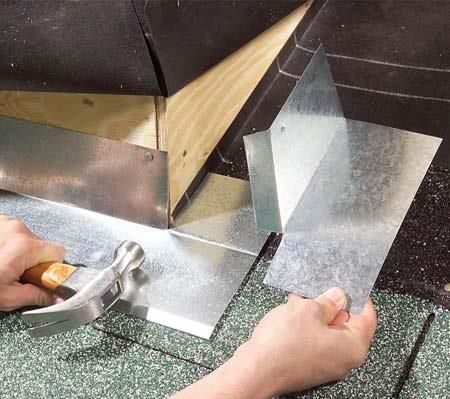
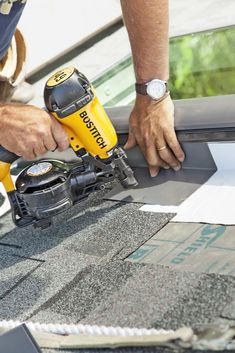
Flashing helps protect the joint between the skylight and the roof. However, worn, loose, or poorly performing flashing can let water move into the opening. For that reason, skylight repair often includes correcting flashing details to restore proper water protection.
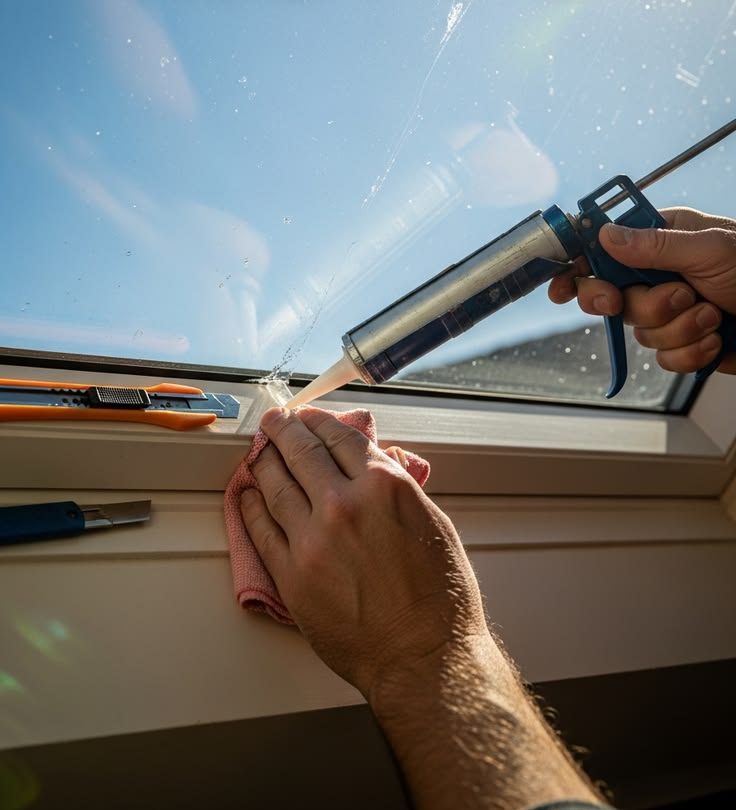
Seals can dry out, crack, or lose strength over time. As a result, air and moisture may begin entering around the skylight perimeter. Repairing the seals helps restore weather protection and reduce the risk of leaks and drafts.
Condensation around a skylight may point to seal issues, air leakage, or moisture-control problems near the opening. Therefore, the repair should focus on the condition causing the moisture instead of treating it like a surface issue only.
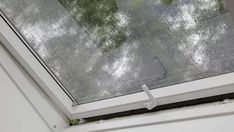
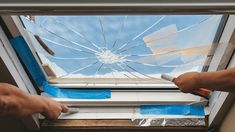
Cracked or damaged skylight glass can affect both safety and performance. Even minor damage can worsen with weather exposure. Consequently, the skylight should be assessed to determine whether the glass problem can still be repaired properly.
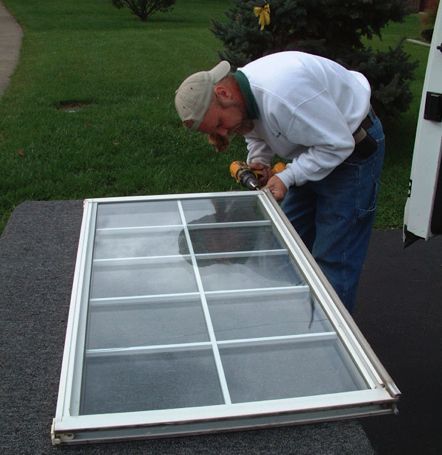
The frame and surrounding perimeter can also wear down over time. Moisture exposure and aging may weaken edges, joints, or nearby materials. Because of that, repair may need to address the frame condition along with the visible skylight issue.
A skylight should not create a steady draft. If cold air is moving around the opening, the issue may involve failed seals or perimeter gaps. Therefore, repair should restore the skylight’s air and weather protection.
Operable skylights can develop issues with hinges, handles, or opening controls. In some cases, the unit no longer closes tightly. Repairing these parts helps the skylight work properly again and close more securely.
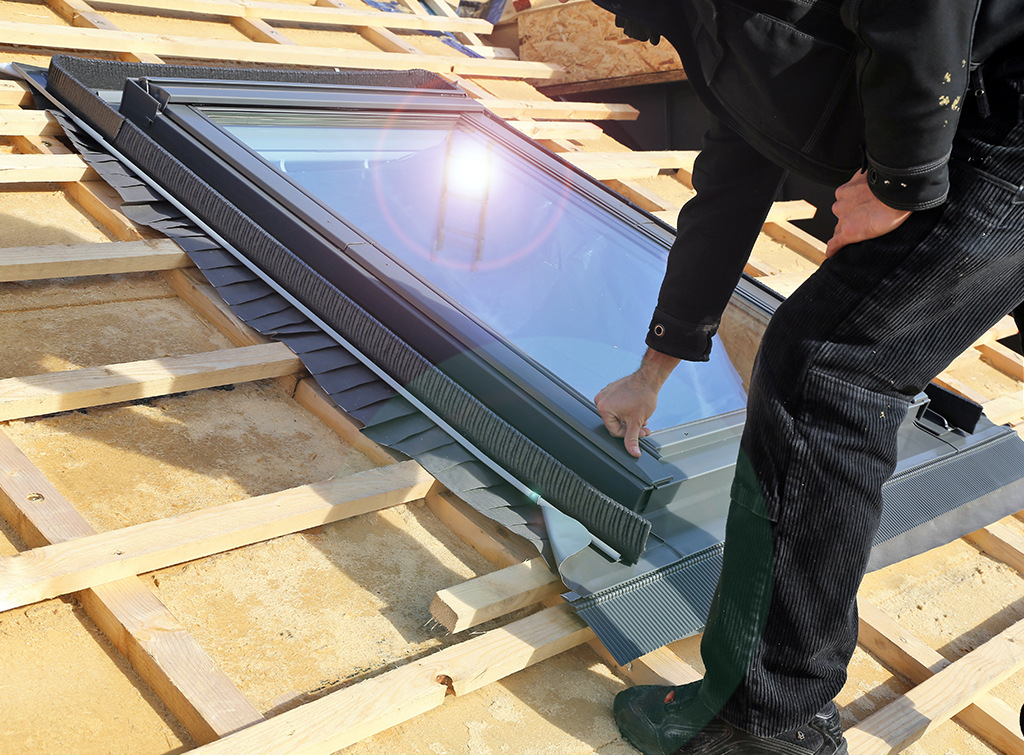
Flashing takes direct exposure to rain, snow, and roof runoff. Over time, that exposure can weaken the protection around the skylight opening. As a result, water may begin entering areas that once performed properly.
Seal failure often develops gradually. Small perimeter gaps can turn into leaks, drafts, or moisture problems as the skylight ages. Therefore, repair should focus on restoring the weakened edge protection before the problem spreads.
Seasonal movement, temperature changes, and ongoing weather exposure place stress on roof-level glazing. Because skylights sit within the roof, those conditions can affect how the unit performs over time and may lead to repair needs around the opening.
Older skylights can begin to show wear in the glass edge, frame, seals, or surrounding materials. In addition, repeated moisture exposure can increase deterioration. For that reason, skylight failure often develops from a combination of aging and weather-related stress.
If you notice staining around the skylight, damp drywall, bubbling paint, or water dripping during wet weather, the problem should be checked quickly. Those signs usually mean the skylight or the surrounding roof detail is no longer keeping water out properly. Acting early helps limit additional ceiling and finish damage.
Persistent fogging, cold drafts, damp trim, or visible moisture around the skylight can also point to a repair issue. In some cases, the problem relates to seal failure. In others, it may involve broader moisture or air-control weakness around the opening. Either way, these signs should not be ignored.
Effective skylight repair depends on addressing the right details from the start. Therefore, sealing, flashing, and structural conditions must be evaluated carefully. As a result, proper repair helps restore performance and prevent recurring issues.
The visible leak point is not always where water first enters. Therefore, skylight repair should begin by tracing the actual path of water movement and identifying the true source. This step is critical because surface fixes will not solve the problem if the entry point remains active.
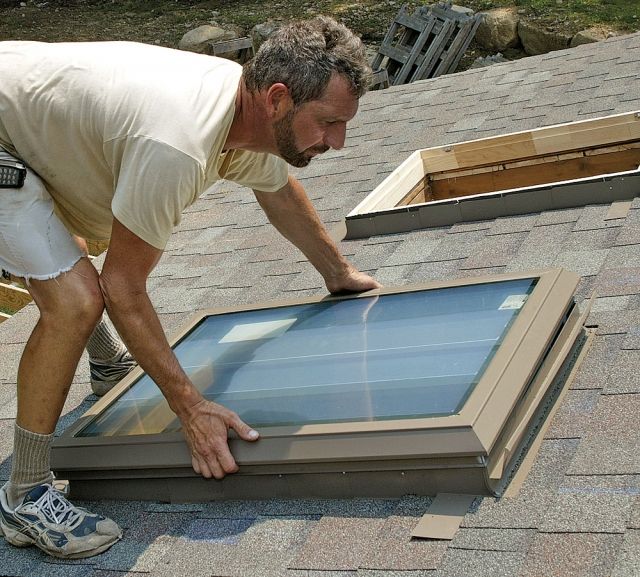
A skylight repair often depends on restoring how water is directed around the opening. Consequently, flashing must be reviewed and corrected where needed to ensure proper drainage. Effective water-shedding helps prevent repeated leakage at the same location.
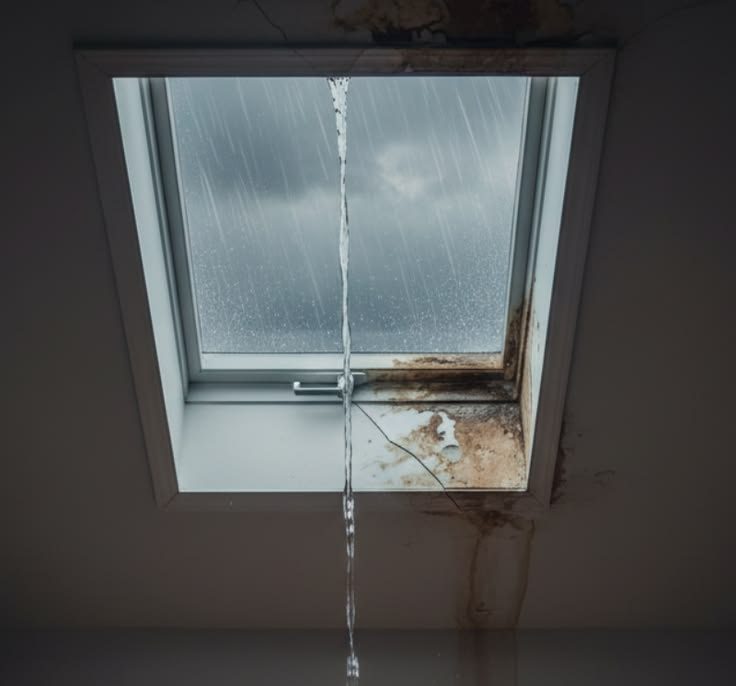
Seals around the skylight can weaken over time, allowing air and moisture to enter. For that reason, repair should focus on restoring a continuous and durable perimeter seal. Strong edge protection helps prevent recurring drafts and leaks.
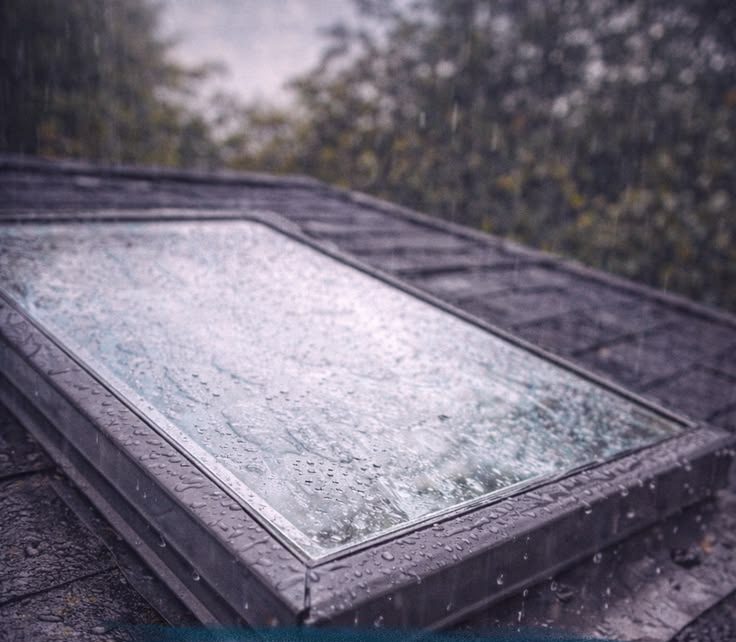
The condition of the glass, frame, and surrounding components affects the repair decision. Cracks, glazing issues, or frame wear may limit what can be repaired effectively. Therefore, each element should be assessed before confirming the repair scope.
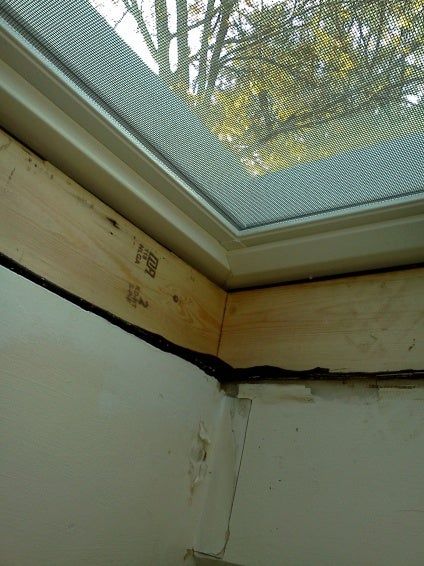
Water entering through a skylight can affect ceilings, drywall, and finishes below. As a result, repair should address both the source of the leak and the impact on interior materials. Early correction helps prevent further damage inside the home.
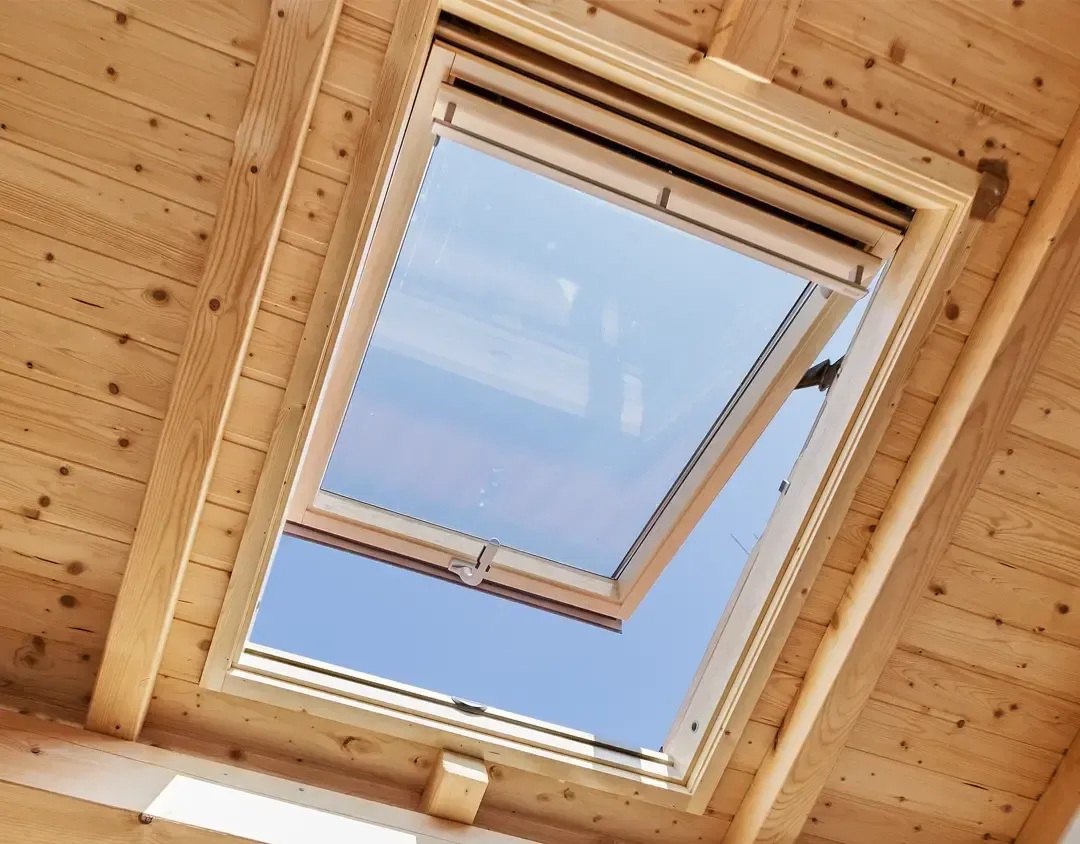
The area around the skylight opening also plays a role in repair success. Movement in the roof structure or deterioration in nearby materials can contribute to failure. Therefore, the repair should consider surrounding conditions to ensure a more complete and lasting solution.
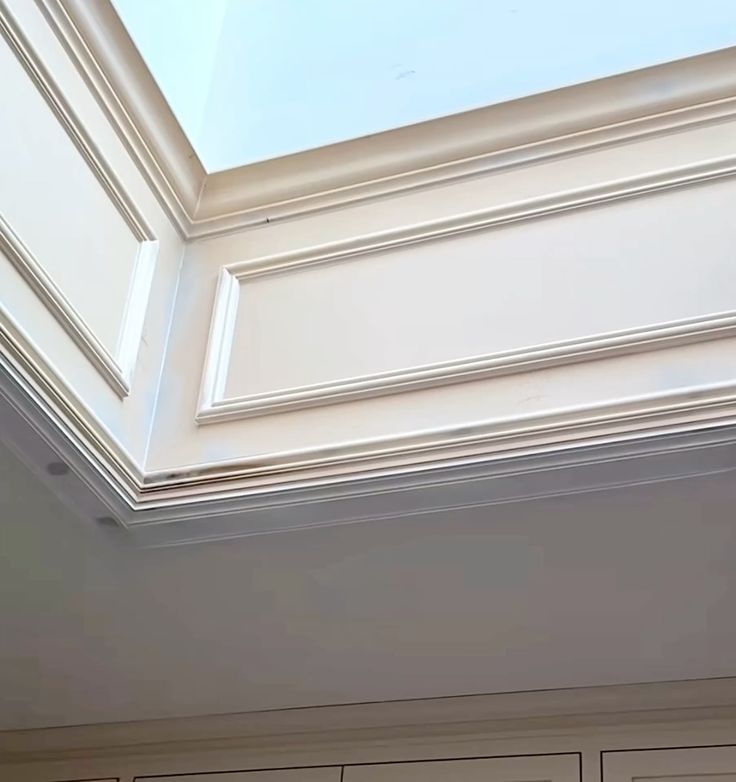
Homeowners want more than a quick fix when dealing with skylight problems. Therefore, the focus is on stopping damage, restoring performance, and avoiding repeat issues. As a result, the repair approach should balance practicality, durability, and long-term value.
Most homeowners want the leaking to stop before more damage appears. Even a small amount of water entry can spread into surrounding materials over time. Therefore, quick diagnosis and repair are usually the first priorities.
Once moisture reaches the ceiling, the problem extends beyond the skylight. Stains, soft drywall, peeling paint, and damaged trim can follow. For that reason, repair helps protect both the opening and the interior finishes.
A skylight should handle normal weather without causing concern. Consequently, homeowners want repairs that restore proper sealing and reduce the risk of recurring leaks.
Drafts and dampness around a skylight can affect comfort throughout the year. Therefore, repair should improve indoor conditions by controlling air movement and moisture.
When the structure is still sound, repair can help extend the life of the skylight. This allows homeowners to restore performance without moving directly to replacement.
A repair assessment should also clarify when repair is no longer practical. If the skylight shows major deterioration or repeated failure, a different approach may be needed.
Homeowners want a solution that lasts, not repeated patchwork repairs. Therefore, proper repair should address the root cause instead of providing a short-term fix.
A skylight problem can affect more than just the unit itself. As a result, homeowners expect repairs to protect the surrounding roof area and prevent further structural or moisture-related issues.
Choosing the right team affects how well the repair holds up over time. Therefore, experience with roof-level conditions and proper diagnosis makes a difference. As a result, homeowners gain more confidence in the repair outcome.
At Window & Door Solutions, we start by identifying what is actually causing the skylight problem. Therefore, we do not treat every leak or moisture sign the same way. We look for the condition behind the symptom so the repair has a stronger chance of lasting.
Skylight issues often come back when the work only addresses the surface signs. For that reason, we focus on the flashing, seals, perimeter conditions, and related repair details that affect performance most directly.
Water does not always travel in a straight line, especially around a roof opening. As a result, skylight repair requires a clear understanding of how roof-level leakage shows up inside a home.
Not every existing skylight should be repaired. Therefore, we help homeowners understand when repair is practical, what the scope involves, and when a different solution may be more appropriate.
Rain, seasonal temperature changes, and moisture exposure affect skylights over time. Because of that, repair approaches are planned around long-term performance in Canadian conditions.
A clear repair process helps ensure the problem is handled properly from start to finish. Therefore, each step focuses on diagnosis, correction, and performance checks. As a result, the skylight is restored with a more reliable outcome.
We begin by reviewing the skylight, the surrounding roof area, and the visible signs inside the home. This gives us a clearer picture of how the failure is presenting itself.
Next, we assess where the problem is likely starting. Therefore, we look at leakage patterns, seal conditions, flashing details, and related signs that help point to the source.
After that, we examine the condition of the main repair-related components. This step helps determine whether the issue is localized, multi-part, or too advanced for a practical repair.
Once the condition is clearer, we recommend the repair approach that suits the problem. That may involve flashing correction, seal work, component repair, or a broader repair plan around the unit.
We then carry out the repair work needed to address the identified failure points. The focus stays on correcting the issue properly rather than masking it temporarily.
After the repair, we review how the skylight and the surrounding area are performing. This step matters because skylight repair should support both exterior weather protection and interior moisture control.
Finally, we confirm whether the repair has restored the skylight to a practical working condition. If the unit still shows signs of larger failure, we explain that clearly so the homeowner understands the next step.
Not all skylight issues require the same type of repair. Therefore, solutions should match the specific condition of the unit and the surrounding roof. As a result, the repair approach can be more targeted and effective.
Leaking skylights often need repair around flashing, seals, perimeter edges, or related roof transitions. Therefore, the first goal is to locate the real entry path and correct it properly.
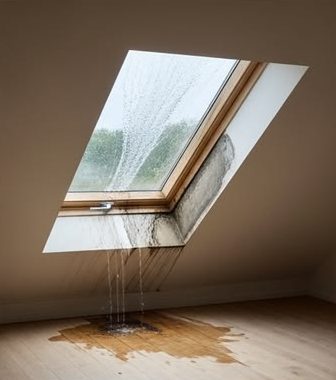
Some skylights need repair because they no longer control air and moisture well. In those cases, the repair may involve restoring perimeter protection, addressing seal failure, or improving the conditions around the opening.
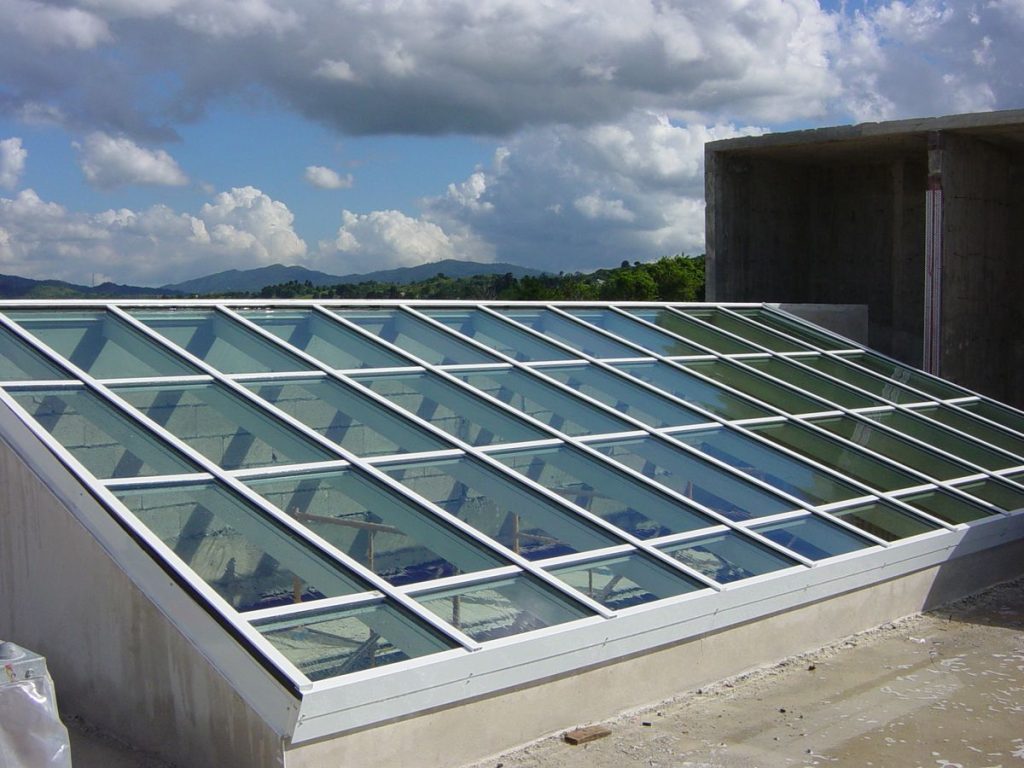
A repair page should still be honest about limits. If the skylight has severe deterioration, major glazing failure, or multiple recurring issues in an aging unit, repair may no longer be the best long-term choice. Therefore, part of a responsible repair service is knowing when the condition has gone beyond practical repair.
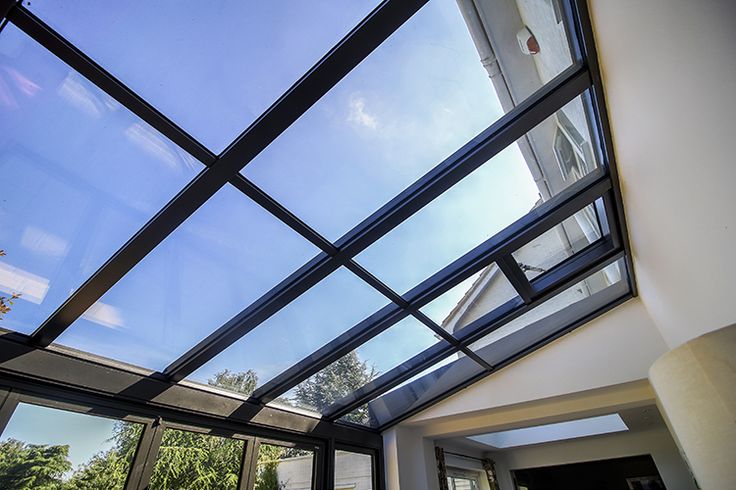
Skylight repair must address more than visible leaks or damage. It also needs to consider roof position, glazing safety, and how the opening performs after repair. Therefore, code-aware repair helps restore proper sealing, moisture control, and safe roof-level performance in Canadian conditions.
The NBC guides how roof openings and overhead glazing should perform. As a result, skylight repair should consider structure, water control, and safety around the opening.
Skylight issues can affect air leakage and thermal performance. Therefore, repairs should help improve sealing and reduce condensation where possible.
CSA-certified skylight systems are built to perform under specific conditions. Consequently, repairs should maintain proper support, fit, and component integrity.
Because skylights are overhead, glazing safety is important. Therefore, damaged or weakened glass should be carefully assessed during repair.
Repair requirements can vary by location and roof condition. As a result, skylight repair should reflect local codes and actual site conditions.
If your skylight is leaking, showing condensation, creating drafts, or causing visible ceiling damage, early action can help limit more serious repair needs later. At Window & Door Solutions, we assess the condition carefully, explain what is causing the problem, and recommend the repair approach that makes practical sense for the skylight you already have.
Contact Window & Door Solutions today to request a skylight repair assessment and get clear guidance on leaks, flashing problems, seal failure, condensation issues, and the right repair solution for your skylight.