Get Your Quote within 24 Hours
Front door styles define the visual identity of an entrance through shape, proportion, and architectural expression. Each style creates a distinct look, whether it reflects the clean simplicity of modern, the balanced structure of traditional, or the warm character of a farmhouse. As a result, styles help categorize entrances based on how they present themselves visually, not just how builders construct them.
At Window & Door Solutions, we present front door styles in a clear and practical way to make comparison easier. We keep the focus on recognizing visual differences so homeowners can quickly understand which direction suits their home’s architecture. Therefore, instead of mixing design details or materials, we explain each style as a complete visual category that supports confident decision-making.
Front Door Style Categories group entrances into clear visual types based on their architectural expression. Each category reflects a distinct design. As a result, it becomes easier to identify and compare different front door styles based on their overall look and structure.
Modern front door styles emphasize clean geometry, minimal detailing, and controlled visual balance. They focus on simplicity and structured lines that reduce visual complexity and create a highly organized architectural identity that feels precise and intentionally restrained.
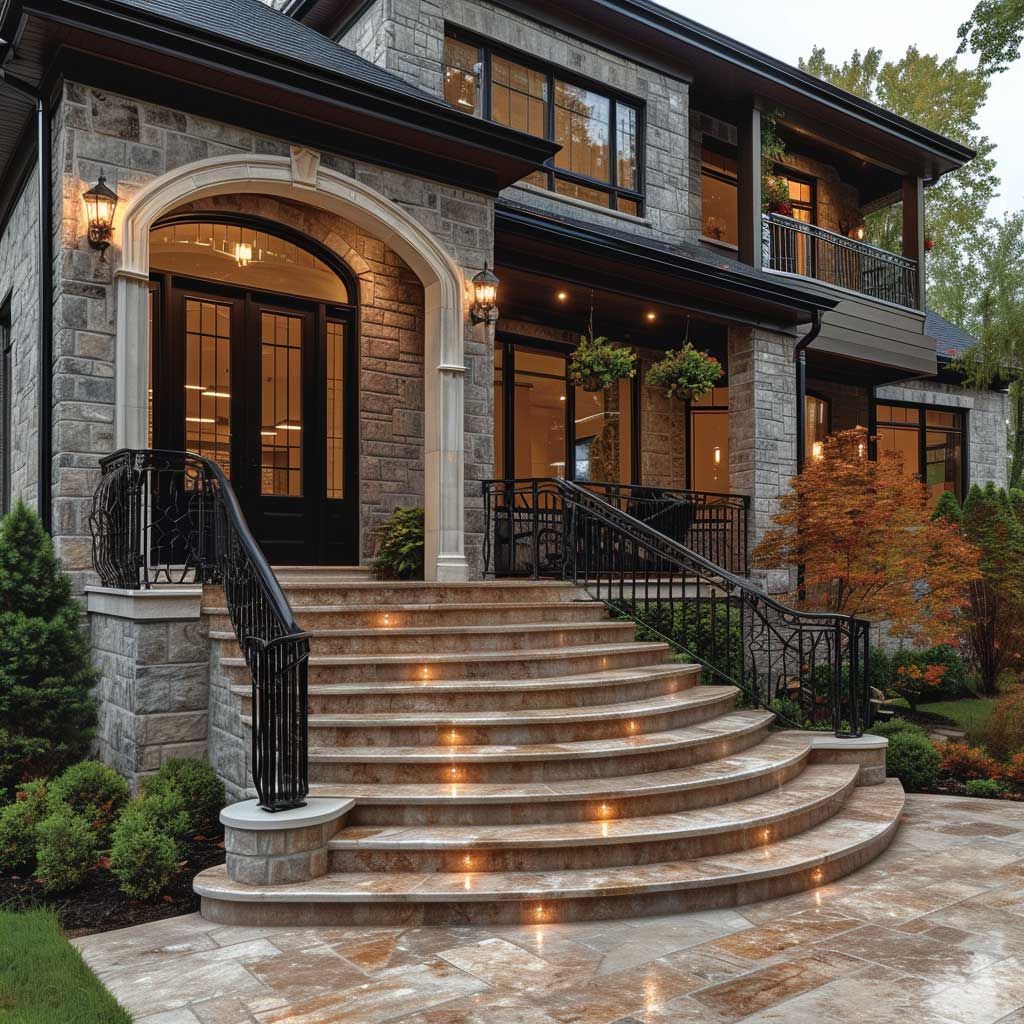
Traditional front door styles rely on symmetry, proportion, and familiar architectural language. They express a more established visual identity through structured detailing and balanced composition that reflects long-standing residential design principles and recognizable form.
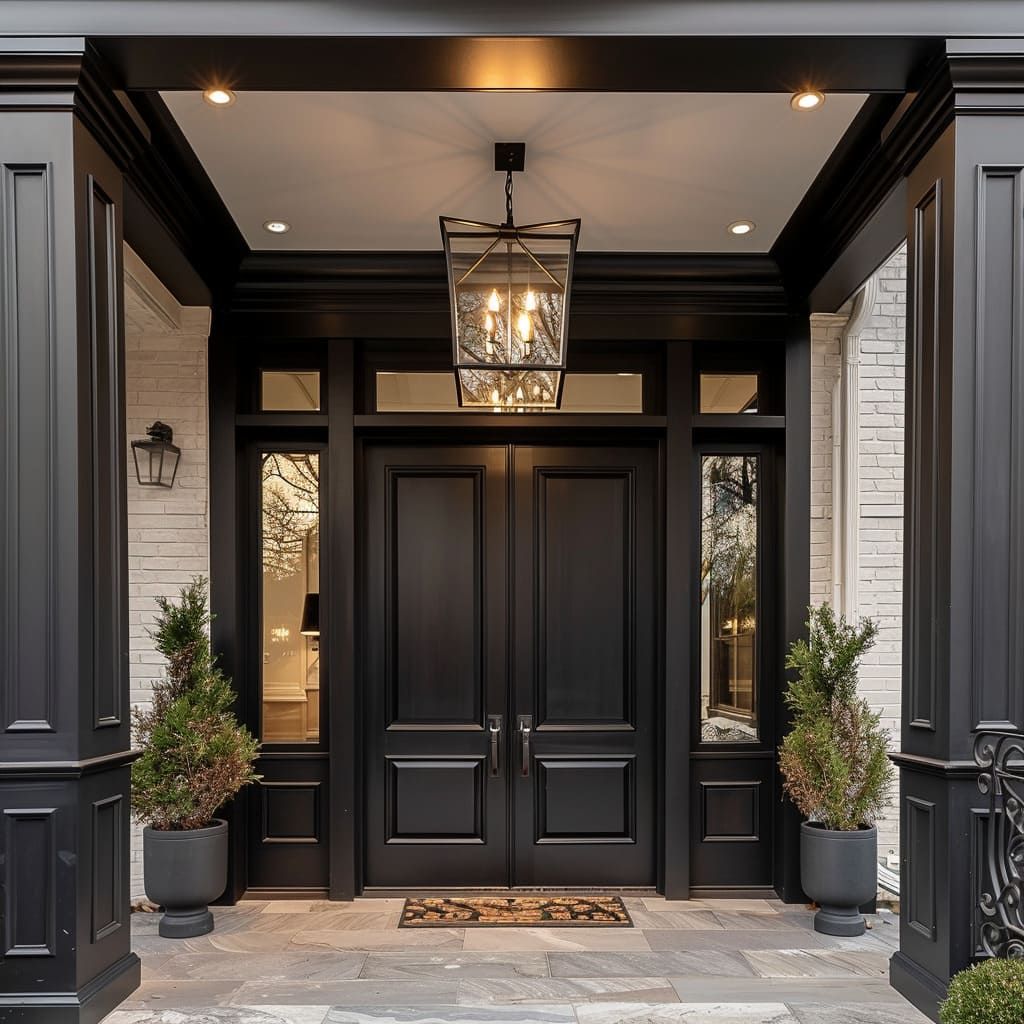
Contemporary front door styles blend modern simplicity with subtle variation. They create a flexible visual identity that adapts current architectural trends while maintaining clarity and balance without becoming overly minimal or overly decorative in expression.
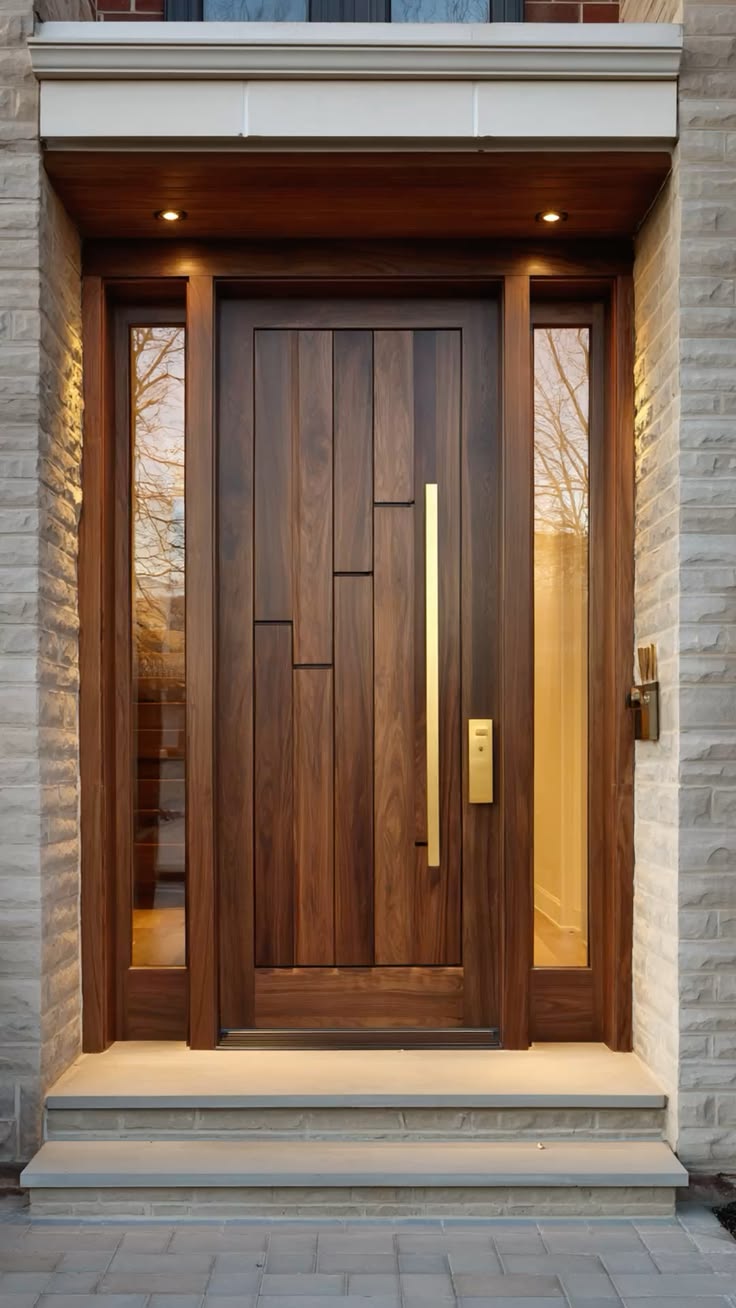
Farmhouse front door styles focus on relaxed proportions and softened visual structure. They emphasize warmth and simplicity, reducing formal detailing to create a more approachable and visually comfortable entry identity within residential architectural settings.
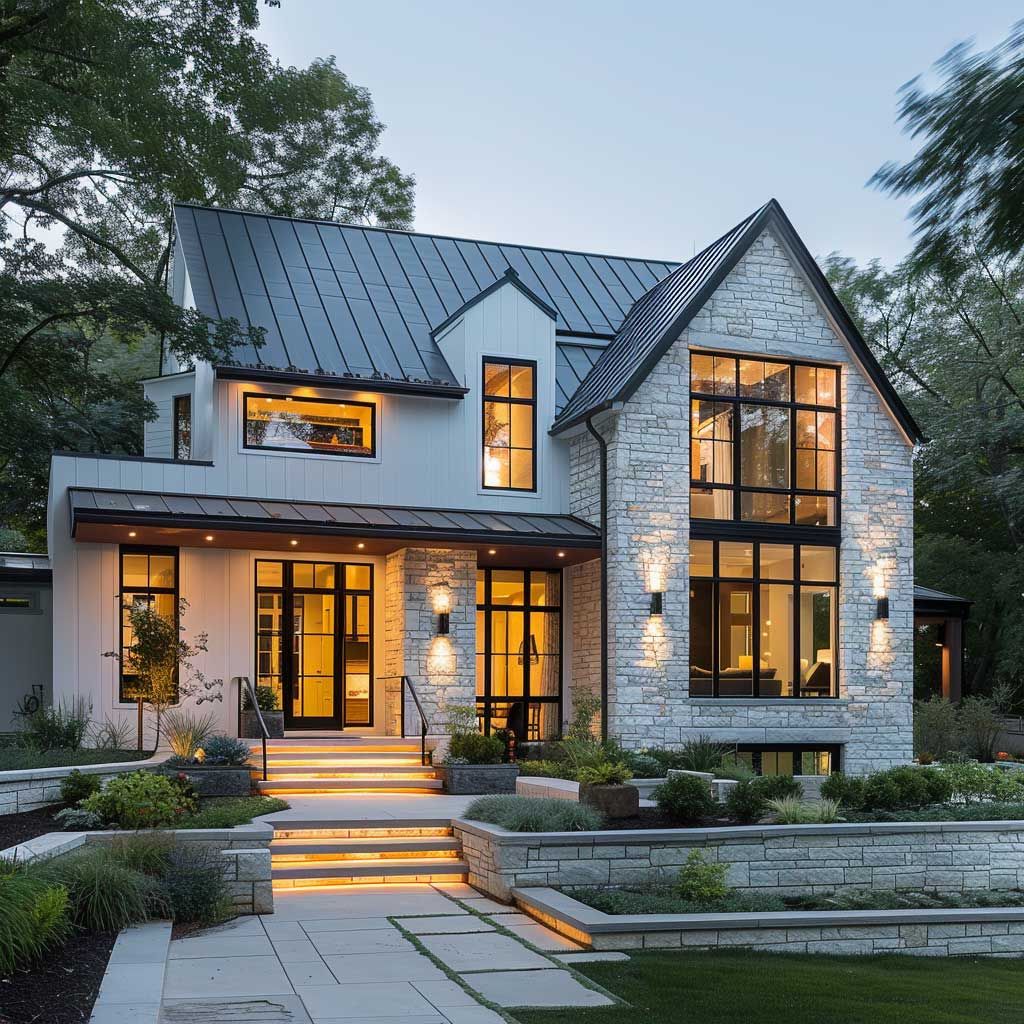
Craftsman front door styles highlight visible structure and defined detailing. They create a grounded visual identity through balanced proportions and clear craftsmanship expression that emphasizes material honesty and architectural structure.
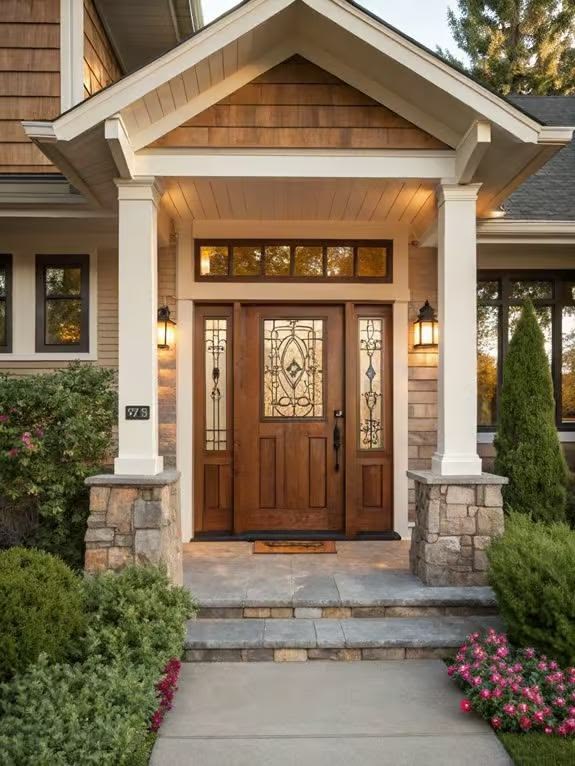
Minimalist front door styles remove unnecessary visual elements to create a quiet and controlled appearance. Their identity is based on flat surfaces, reduced interruption, and a strong focus on visual clarity and simplicity.
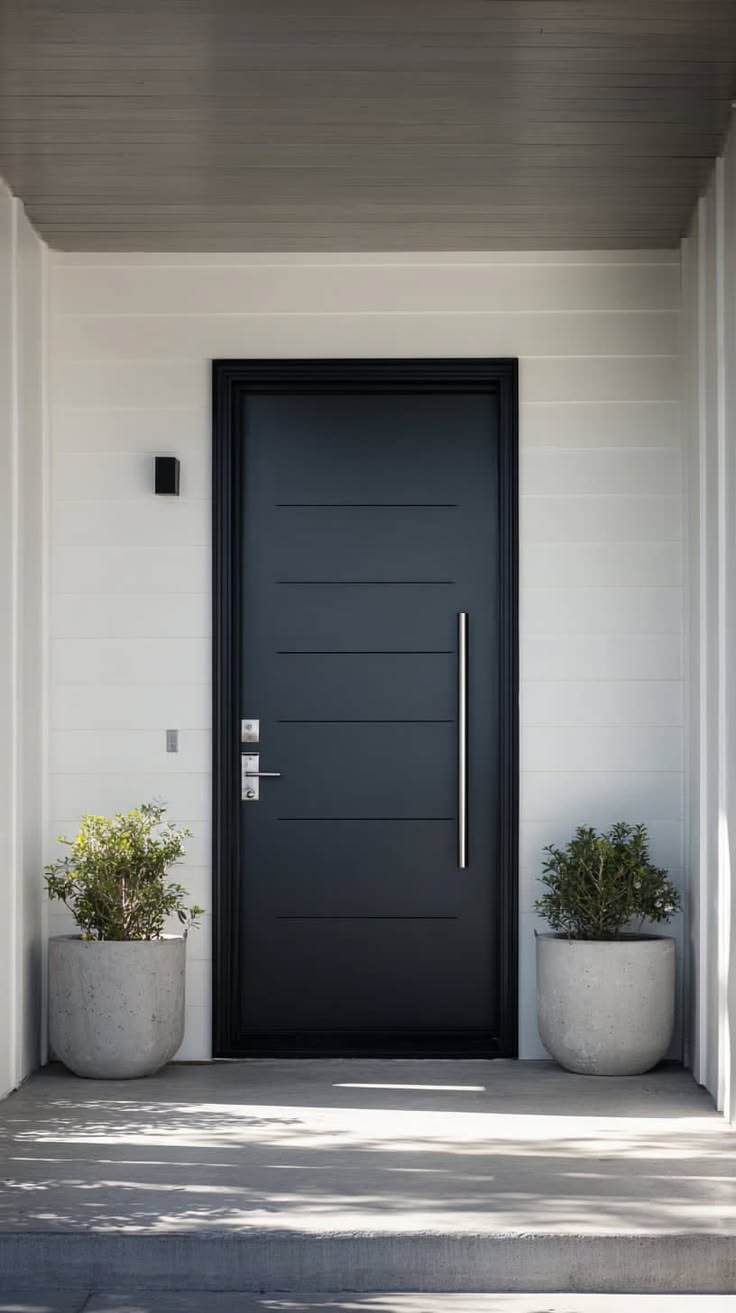
Transitional front door styles combine elements from modern and traditional categories. They create a balanced identity that avoids strict classification while maintaining structural clarity and visual adaptability across different architectural expressions.
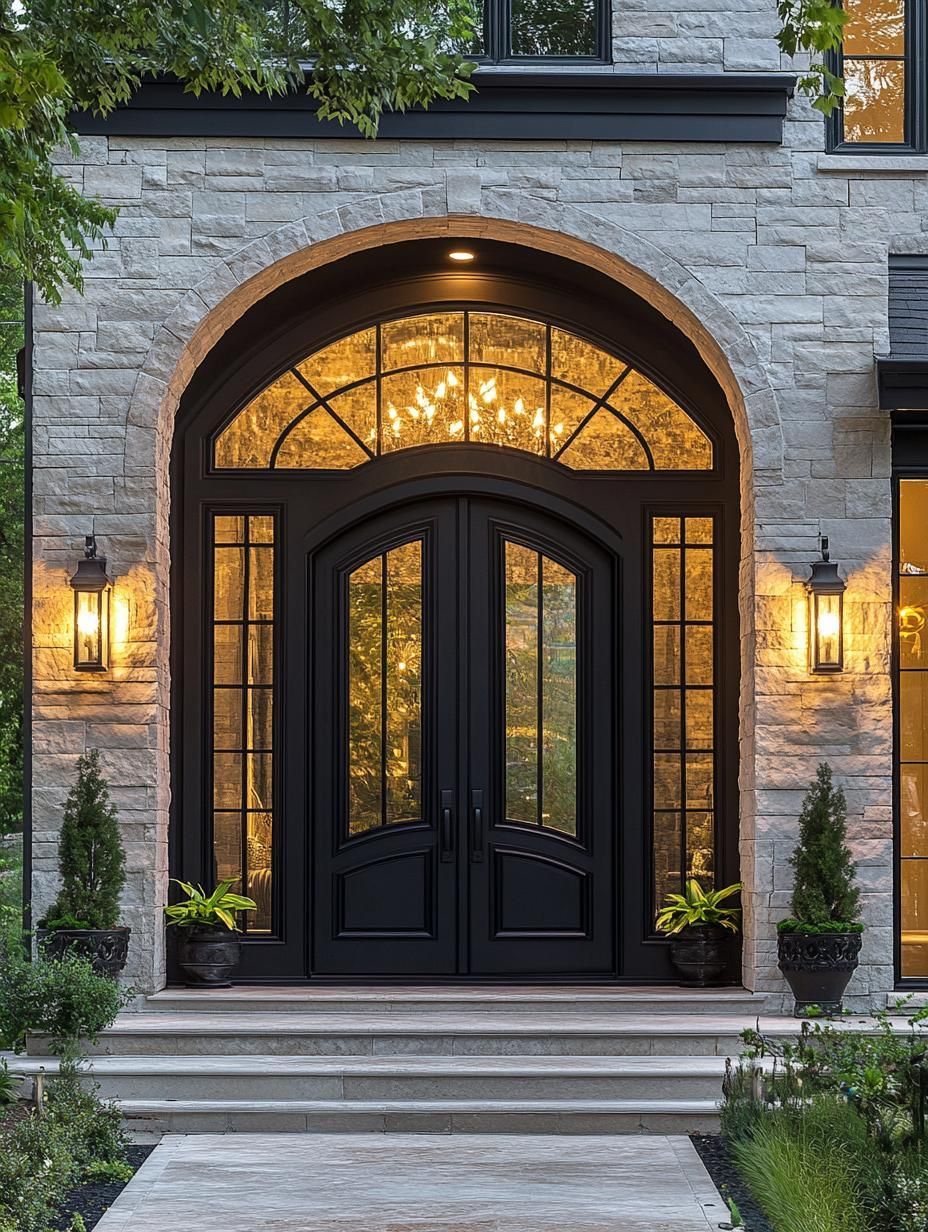
Luxury front door styles emphasize proportion, presence, and refined detailing. They communicate elevated architectural identity through controlled complexity and strong visual balance without relying on excessive ornamentation or decorative overload.
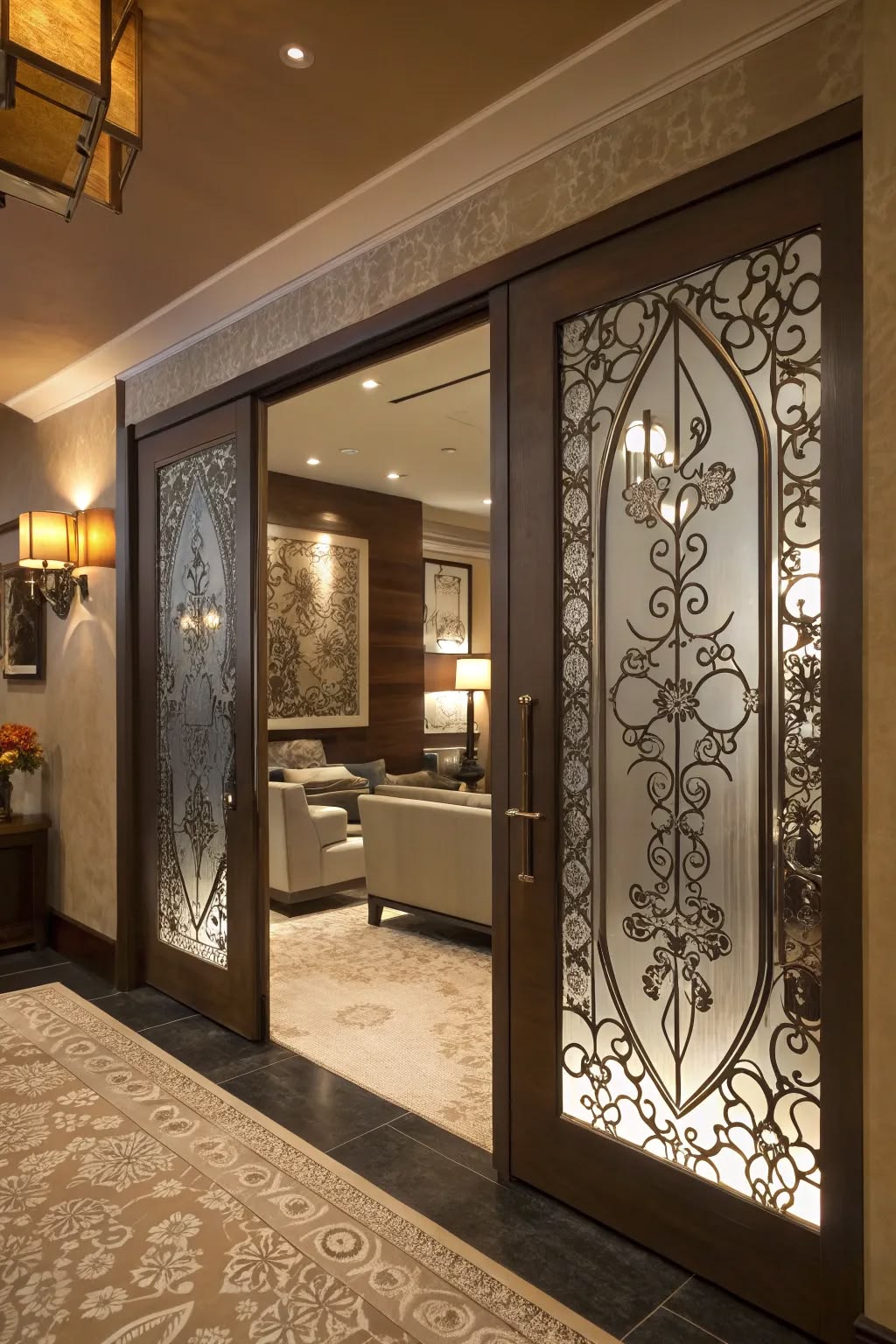
Each door style is defined by its structural composition, which determines how visual elements are organized. Some styles prioritize clean geometry, while others rely on balanced symmetry or layered detailing to express identity.
Style categories differ based on how much visual detail they incorporate. Minimal styles reduce complexity, while traditional and craftsman styles include more defined features that create a richer architectural expression.
These door styles vary in how proportions are distributed across the visual form. Some maintain equal balance, while others emphasize vertical or horizontal direction to create distinct architectural presence.
Each style communicates a unique architectural tone ranging from minimal and modern to structured and traditional. This tone defines how the style is visually interpreted as a category rather than a physical design.
Clean visual environments most easily recognize modern and minimalist door styles, where reduced detailing highlights geometry, structure, and simplicity as defining characteristics of the style category.
Traditional and craftsman styles become more distinguishable in layered architectural settings where detailing, symmetry, and structure interact to reinforce their established visual identity and category definition.
Front door styles are shaped by consistent structural rules such as proportion control, symmetry patterns, line direction, and visual balance. These rules guide how each style is formed and ensure it maintains a distinct architectural identity. As a result, every style follows a recognizable visual framework that keeps its appearance consistent across different designs.
Modern styles rely on reduced structural complexity to maintain visual clarity. Their composition focuses on flat surfaces, clean edges, and uninterrupted forms that emphasize precision and order within the style category.
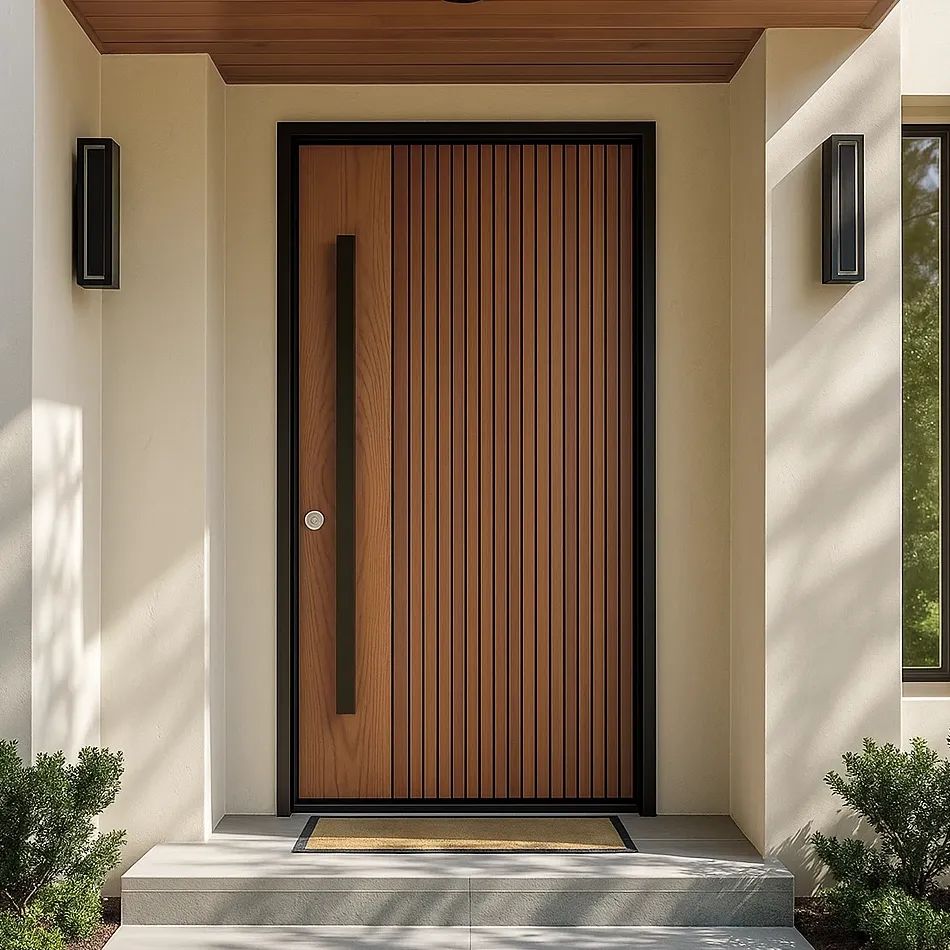
Traditional styles depend heavily on symmetry to define their visual identity. This structured balance creates consistency across the form, reinforcing their classification as established architectural expressions.
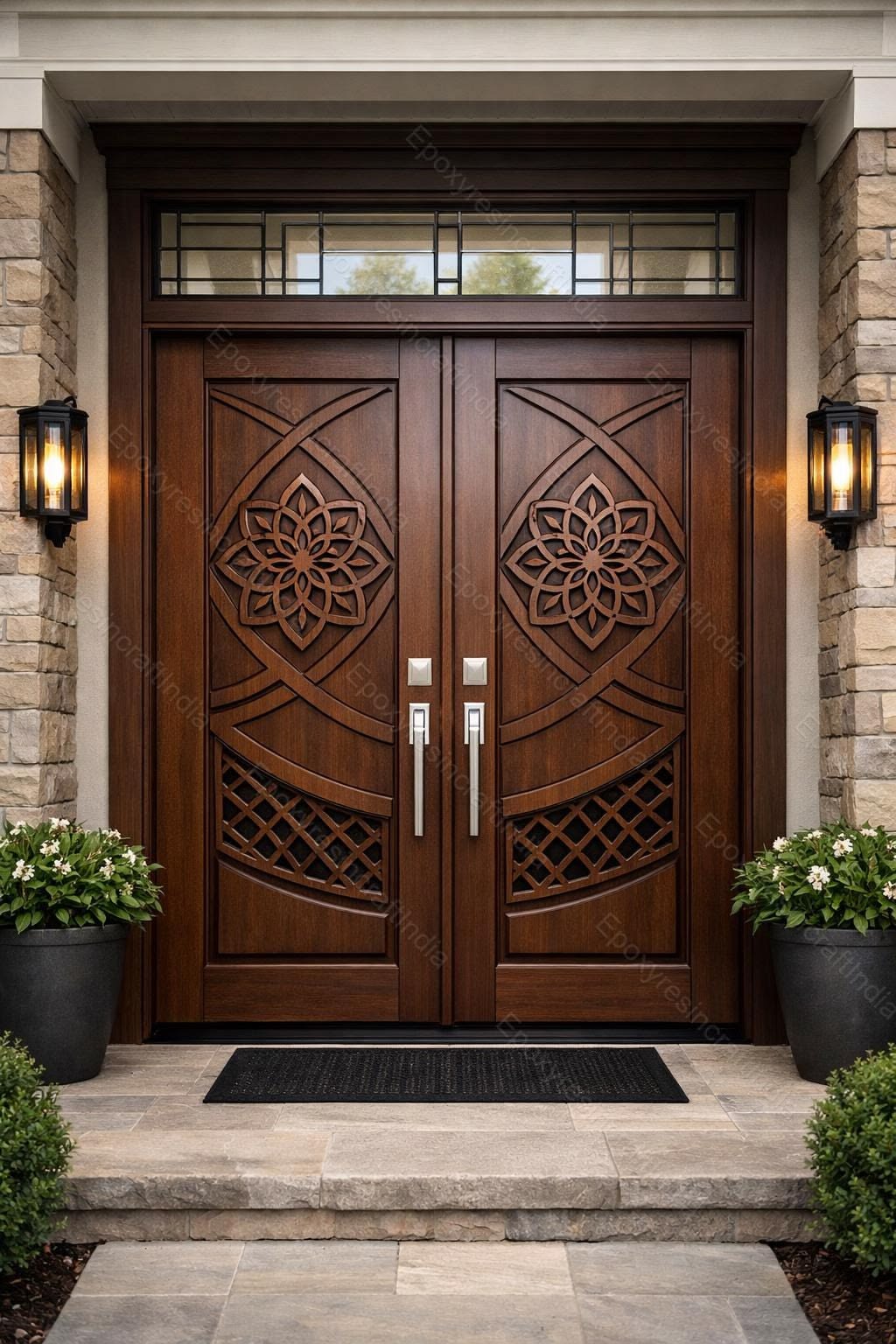
Different styles use varying surface expressions to communicate identity. Some rely on flat simplicity, while others use segmented or detailed surfaces to create stronger visual depth within the category.

Front door styles differ in how visual weight is distributed. Some maintain even balance, while others emphasize central focus or directional structure to create stronger architectural presence.
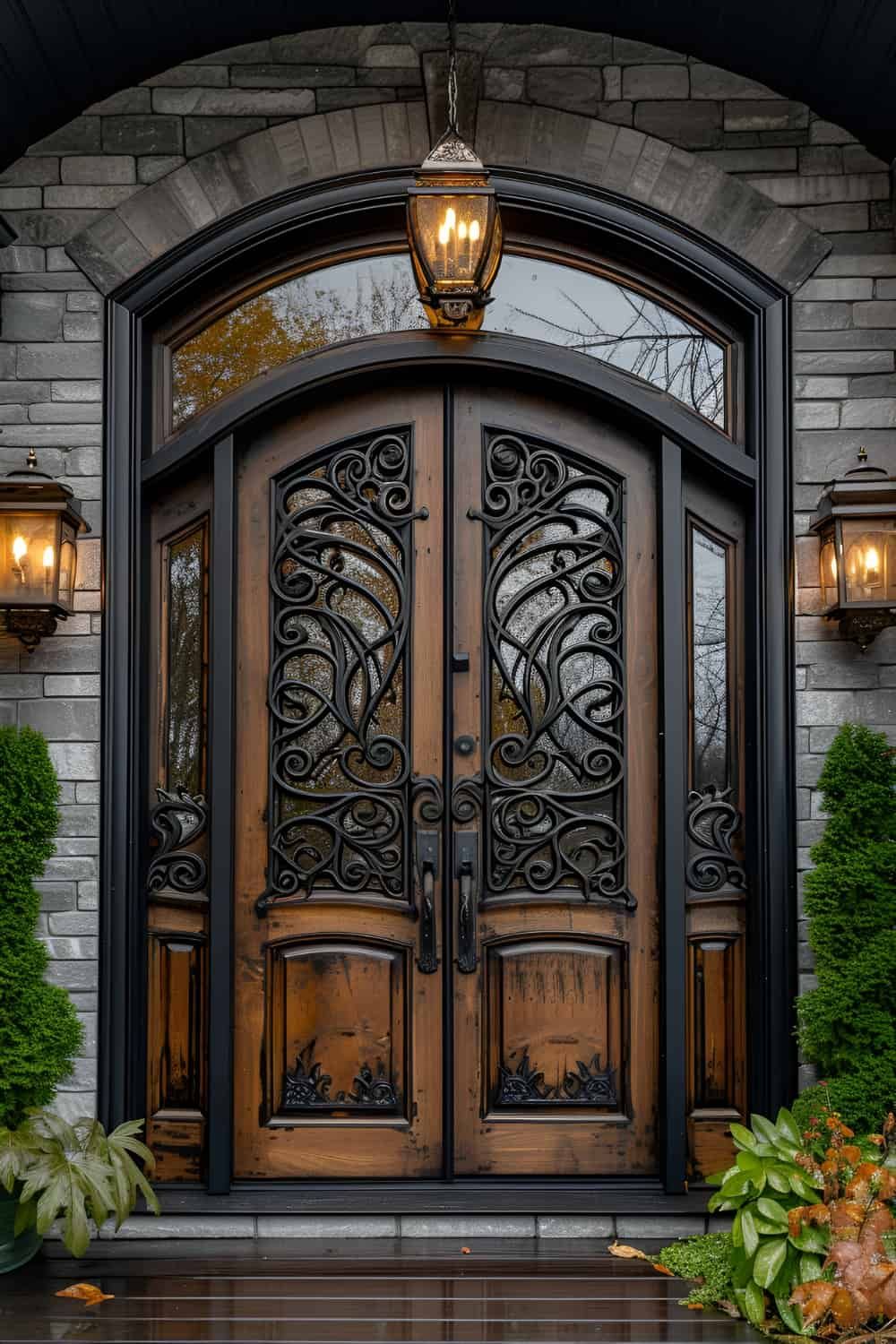
Line work plays a key role in distinguishing styles. Modern categories use clean, uninterrupted lines, while traditional and craftsman styles introduce more defined segmentation for visual clarity.
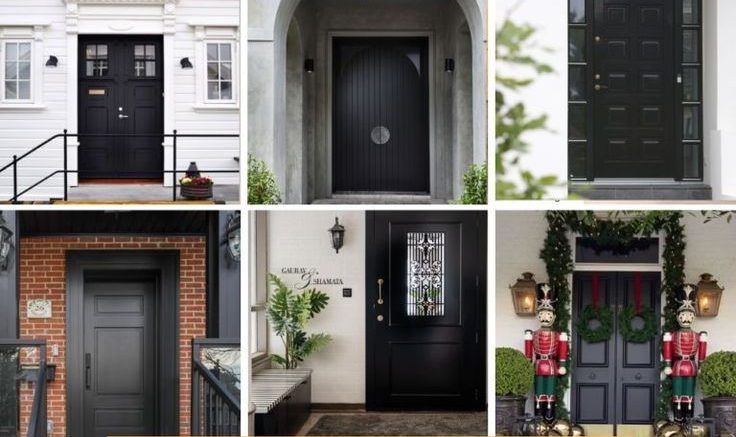
Front door styles are defined by visual structure rather than material selection. Each style remains a category based on form and proportion rather than surface finish or construction composition.
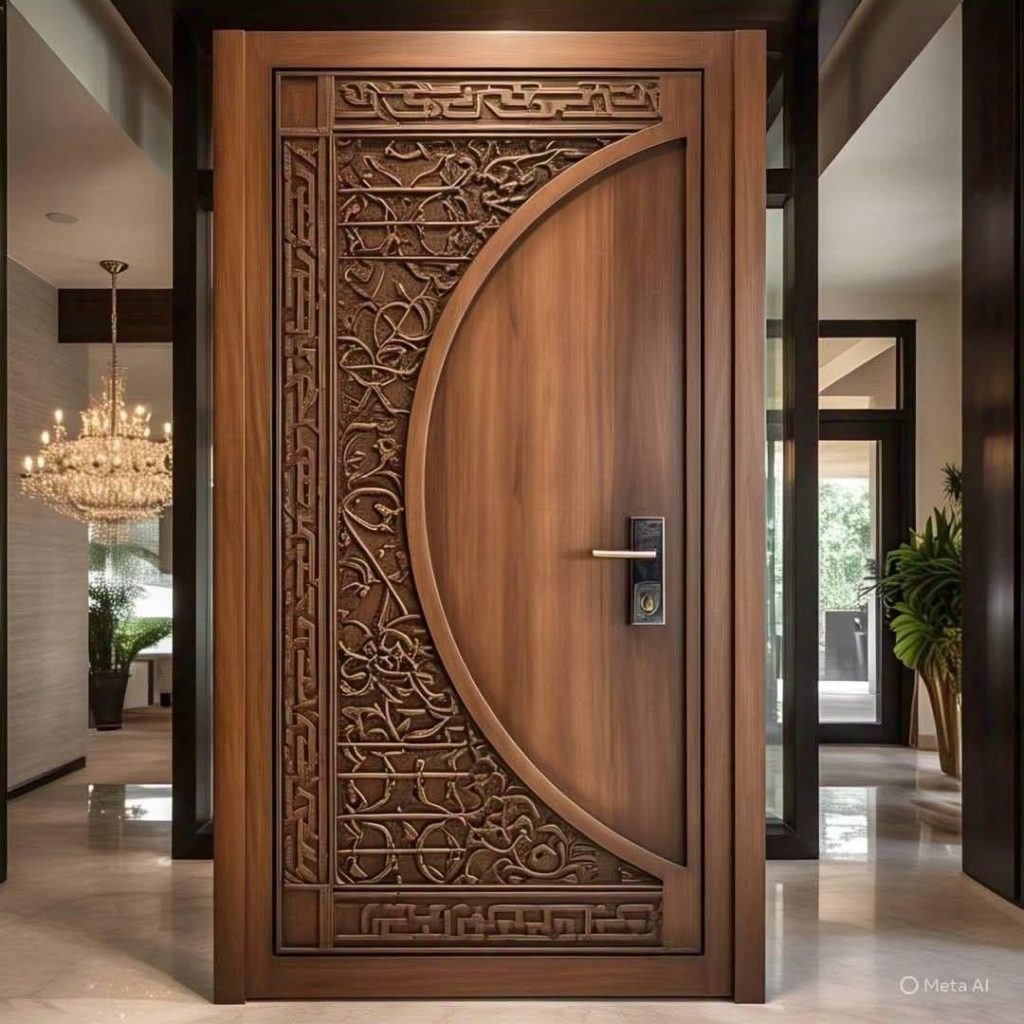
Understanding front door styles helps create clarity when evaluating different entrance options. It allows homeowners and designers to recognize how each style influences the overall look of a home. As a result, decisions become more focused, consistent, and better aligned with the intended architectural direction.
Understanding styles helps separate architectural identities into clear groups, making it easier to distinguish between modern, traditional, and transitional directions without confusion or overlap.
Style awareness improves the ability to recognize architectural language in residential exteriors and understand how different entries are visually classified.
Defined style categories prevent mixing unrelated visual elements, ensuring each style remains consistent within its own architectural identity.
Each style maintains a clear classification that helps identify its structural and visual identity without relying on construction or material interpretation.
Style comparison becomes simpler when categories are clearly defined based on structure, proportion, and detailing instead of decorative elements.
Understanding front door styles builds a foundational awareness of architectural expression before moving into any detailed design interpretation.
Clear style definitions allow consistent recognition of architectural categories across different homes and exterior environments.
Style classification creates a structured framework for interpreting architectural identity in a logical and visually consistent way.
Our approach focuses on separating front door styles into clear, easy-to-understand categories based on visual structure and architectural language. Instead of mixing materials or design details, each style is defined by its core form, proportion, and expression. As a result, comparisons become more accurate and style selection becomes more straightforward.
Each door style is defined independently to ensure clear boundaries between architectural categories without overlapping visual interpretation or mixed identity.
Styles are organized using architectural structure and proportion rather than decorative features, ensuring consistent visual classification across all categories.
Every style is described using a unified visual framework that maintains consistency in how categories are defined and compared.
Style differences are presented in a way that highlights clear structural distinctions, making category recognition more straightforward and precise.
The approach prioritizes understanding style identity as a visual system rather than a combination of design elements or construction features.
These door styles are identified by analyzing their key visual elements such as shape, symmetry, detailing, and overall proportion. Each style is then compared based on how these elements are arranged and expressed. As a result, differences between styles become clearer, making it easier to distinguish one architectural category from another.
Front door styles are first identified as distinct architectural categories based on their overall visual structure and composition language.
Each style is evaluated based on its geometry, proportion, and level of detailing to highlight differences in visual identity.
Style features are separated to ensure each category maintains a distinct and recognizable architectural identity.
Similar traits are filtered to preserve clarity between styles and avoid blending different architectural expressions.
Each front door style is defined by its primary visual language that determines how it is categorized architecturally.
Styles are grouped based on structural expression and visual composition rather than decorative or material influence.
The process refines understanding of each style category until its visual identity is clearly defined and distinguishable.
Core front door style categories are interpreted by focusing on their primary visual language rather than surface details. Each category reflects a distinct architectural direction, defined by structure, proportion, and overall composition. As a result, understanding these core traits helps quickly recognize whether a style is modern, traditional, farmhouse, or transitional.
Modern styles emphasize simplicity, structured geometry, and reduced visual interruption, creating a controlled and precise architectural identity.
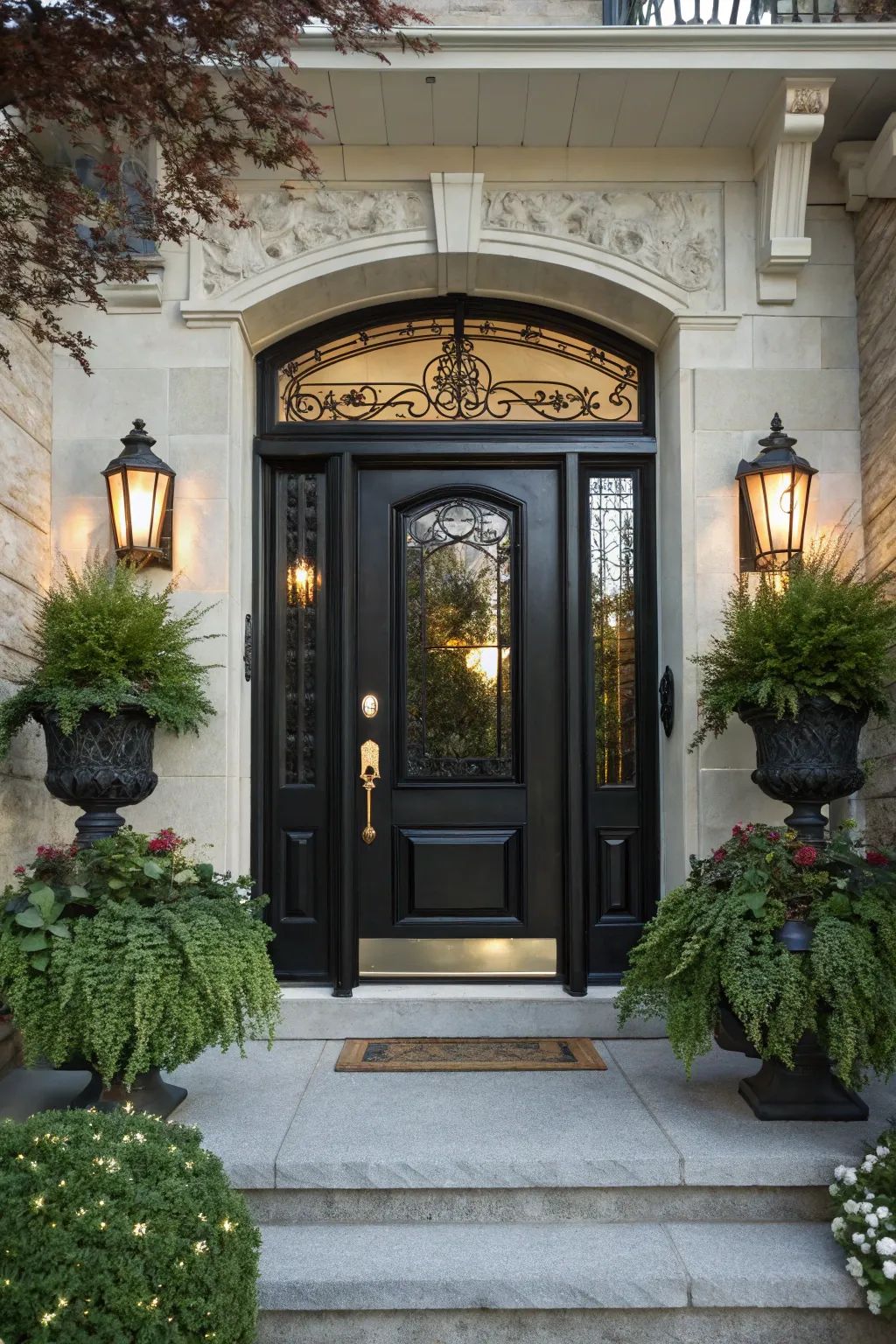
Traditional styles rely on symmetry, proportion, and established architectural forms that create a balanced and recognizable visual category.
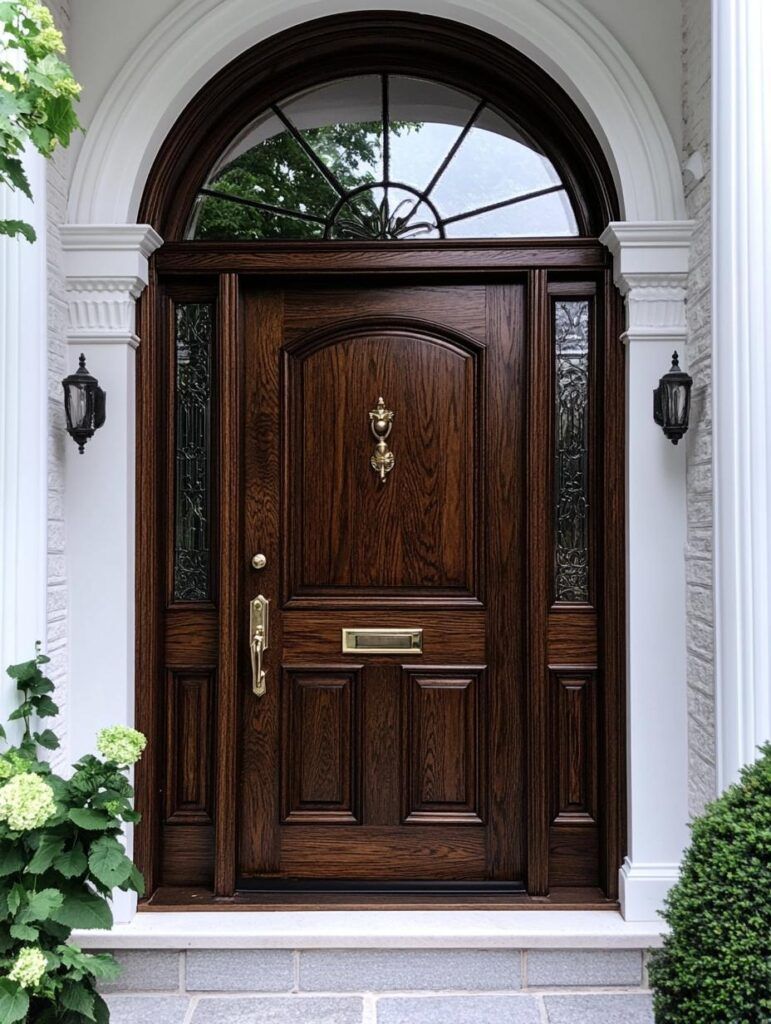
Transitional styles blend modern and traditional elements into a flexible visual category that maintains balance without strict classification.
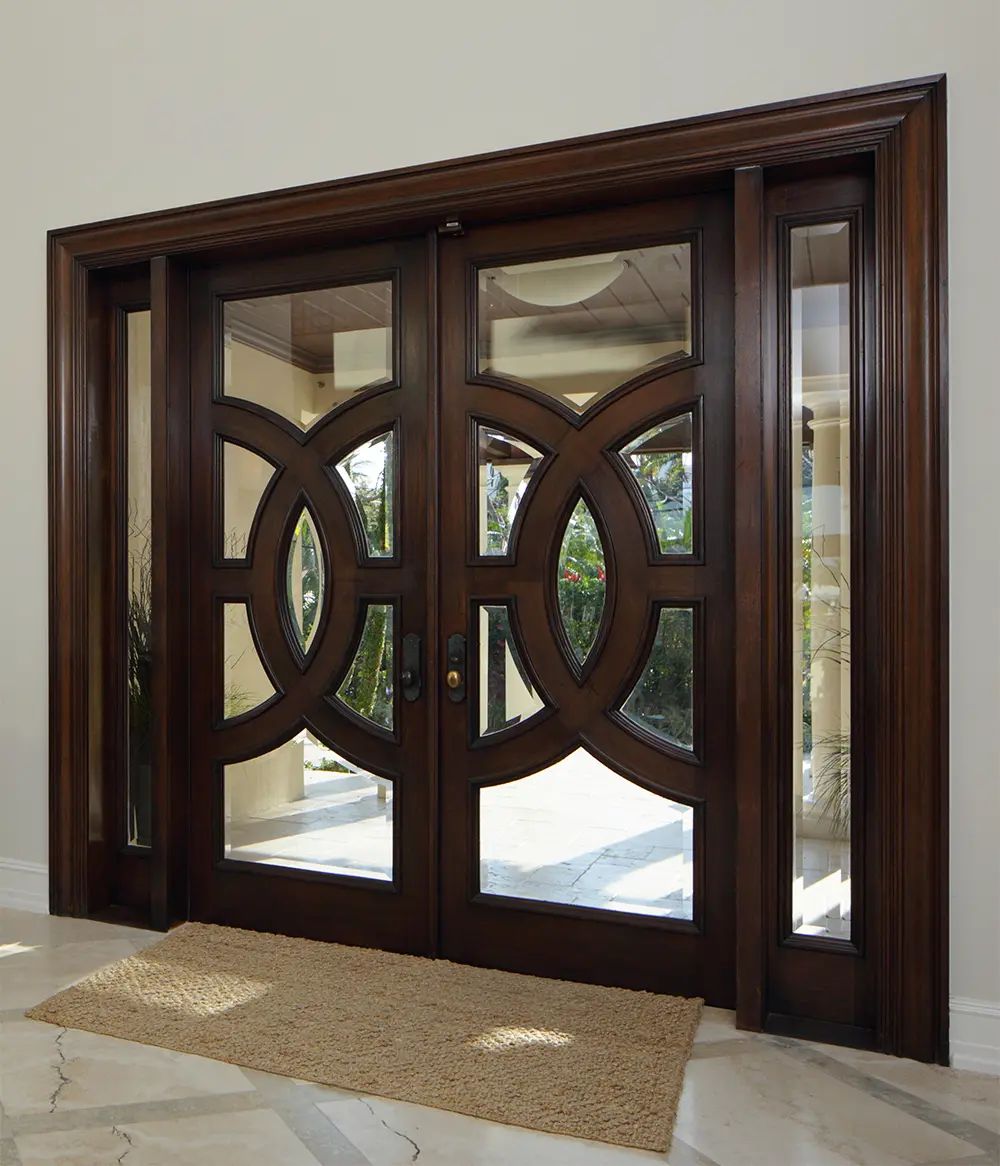
Building code requirements provide the functional framework within which all door styles must operate. While styles define visual appearance, codes such as NBC and provincial regulations ensure safety, energy performance, and proper installation standards are met. As a result, every style is selected and applied within these mandatory compliance boundaries.
NBC provides baseline safety and performance requirements for exterior doors, ensuring all style categories operate within regulated residential standards.
NECB influences overall energy efficiency expectations for building envelopes, indirectly shaping performance considerations across all style categories.
CSA standards ensure durability, safety, and performance compliance while style classification remains purely visual and independent of construction.
All front door styles exist within Canadian environmental conditions including seasonal temperature changes, moisture exposure, and long-term durability requirements.
Regional building codes may vary, but style classification remains consistent as a visual system independent of regulatory differences.
Front door styles define how an entrance is visually categorized before any detailed design decisions are introduced. Each style represents a distinct architectural language that communicates structure, proportion, and identity at a purely visual level.
Understanding these styles helps separate modern, traditional, farmhouse, and transitional categories into clear and recognizable systems. This clarity improves how architectural identity is interpreted without mixing design execution or material detail.
At Window & Door Solutions, front door styles are defined as structured visual categories to support clearer architectural understanding and better style recognition.
Identify your front door style or contact us today to compare front door styles and identify the right architectural direction for your home’s entrance.