Get Your Quote within 24 Hours
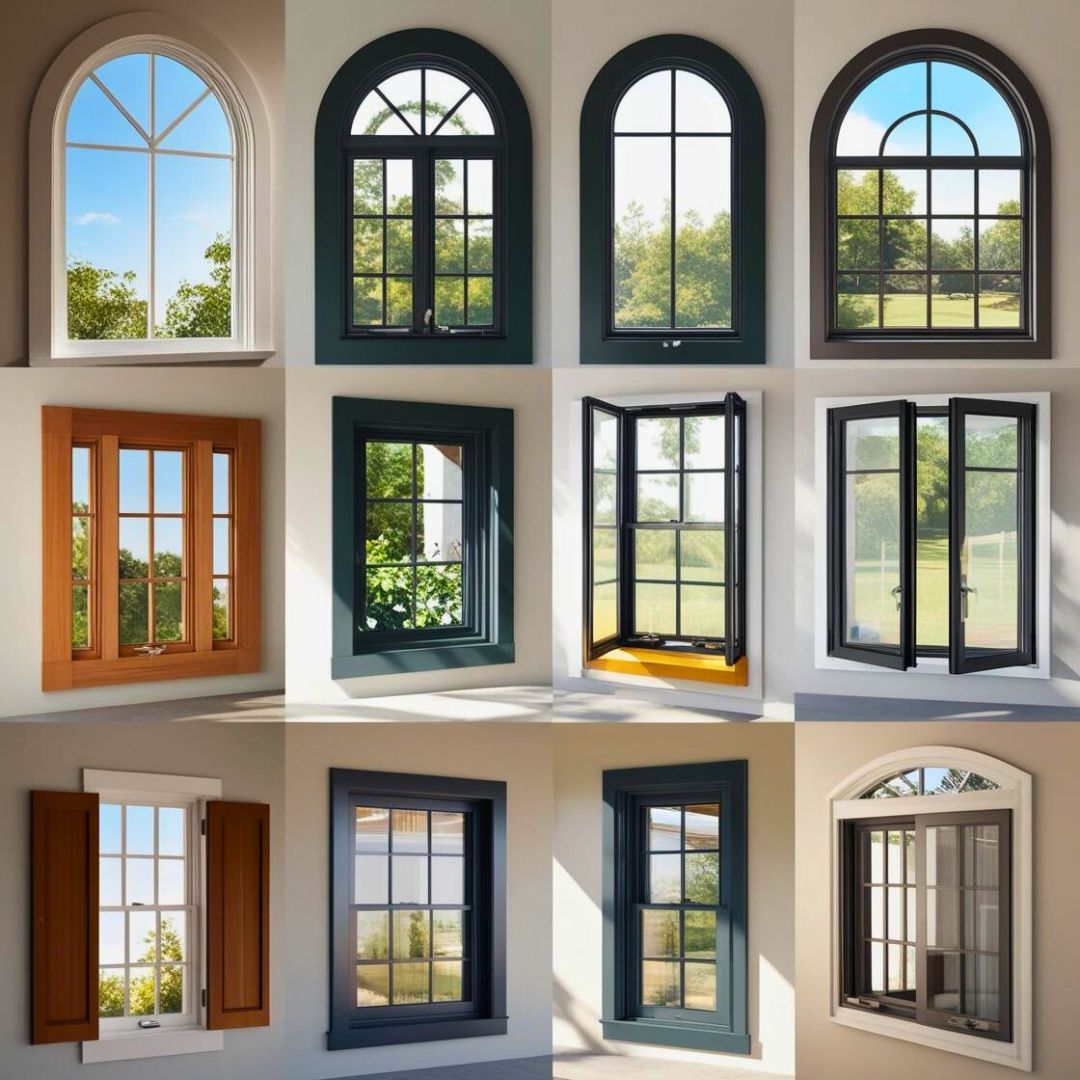
A window does much more than bring daylight into a room. The right window can influence how fresh a space feels, how easily air circulates, how private certain areas remain, and even how people use their homes every day. However, many homeowners only focus on size or appearance and overlook how window functionality affects long-term comfort. Therefore, choosing the right window type should begin with understanding how each room is used rather than following design trends alone.
At Window & Door Solutions, we help homeowners compare different window types based on practical living needs. Some rooms need more ventilation, while others prioritize privacy, wider views, or maximum daylight. Our goal is to help homeowners understand how each window style functions in real life. As a result, you can confidently choose window systems that support your routines today while adapting to future needs.
Every window serves a unique purpose inside a home. Therefore, choosing the right style can improve how each room functions every day.
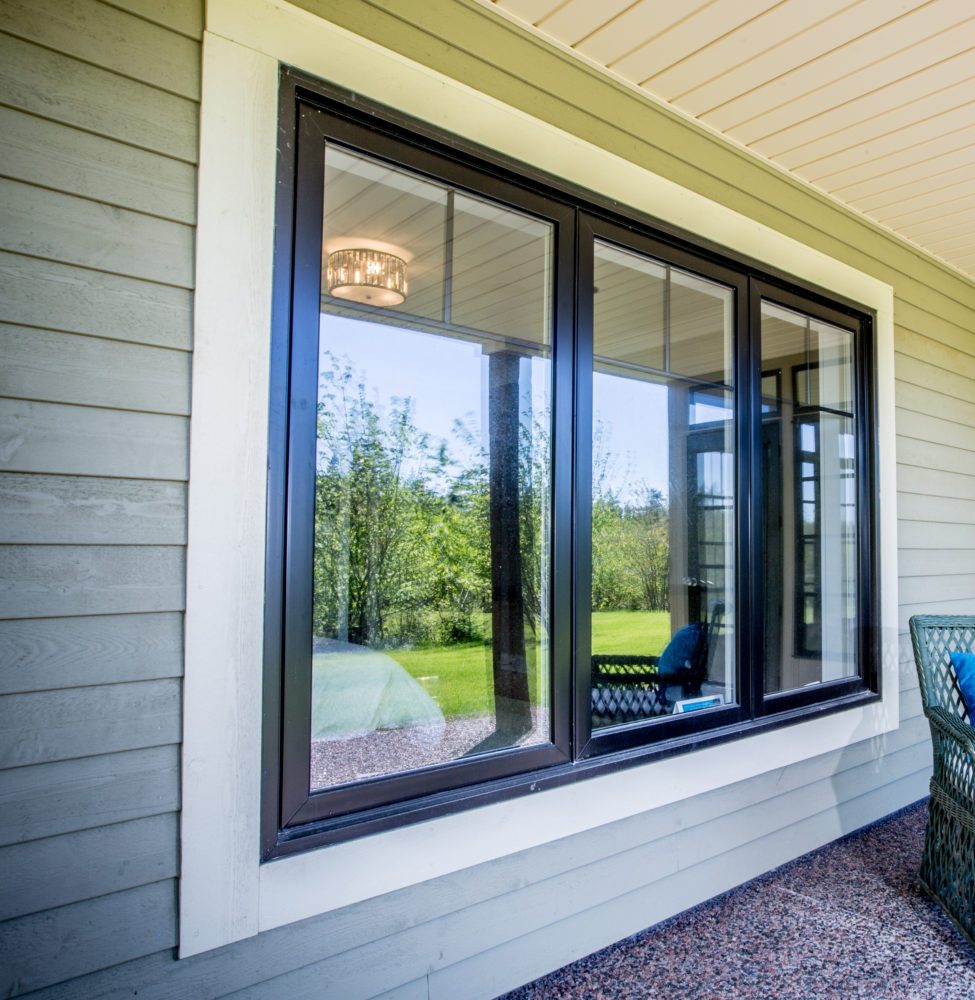
Casement windows open outward using side hinges and are ideal for homeowners who prioritize ventilation. Therefore, they work especially well in living rooms, bedrooms, and hard-to-reach areas where airflow matters.
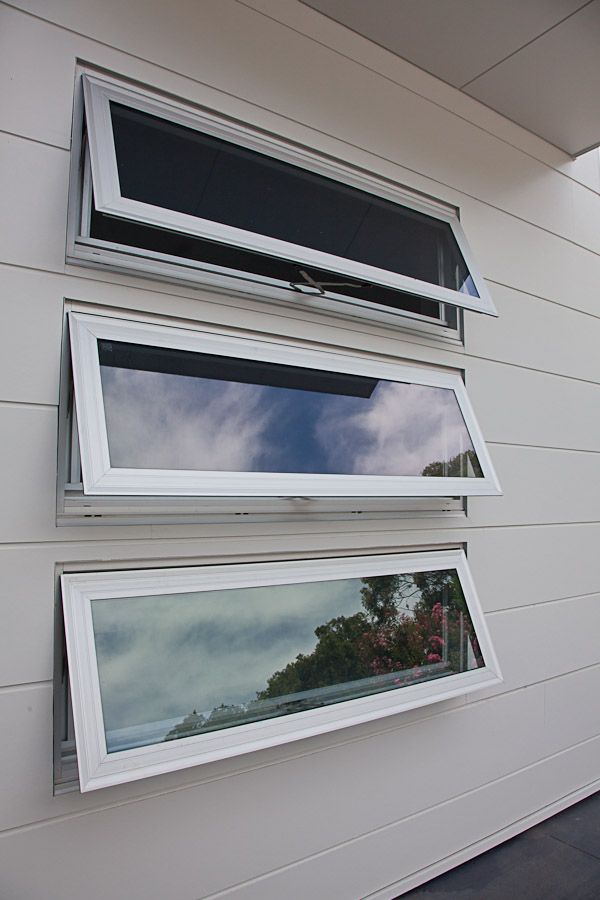
Awning windows open outward from the bottom while remaining protected from light rain. As a result, they are often suitable for bathrooms, kitchens, and basements that need consistent ventilation.
Sliding windows move horizontally along a track and offer simple operation. Therefore, they work well in areas where space limitations make outward-opening windows less practical.

Single-hung windows have one operable sash while the upper section remains fixed. Consequently, they can provide a simple and space-conscious solution for many rooms.
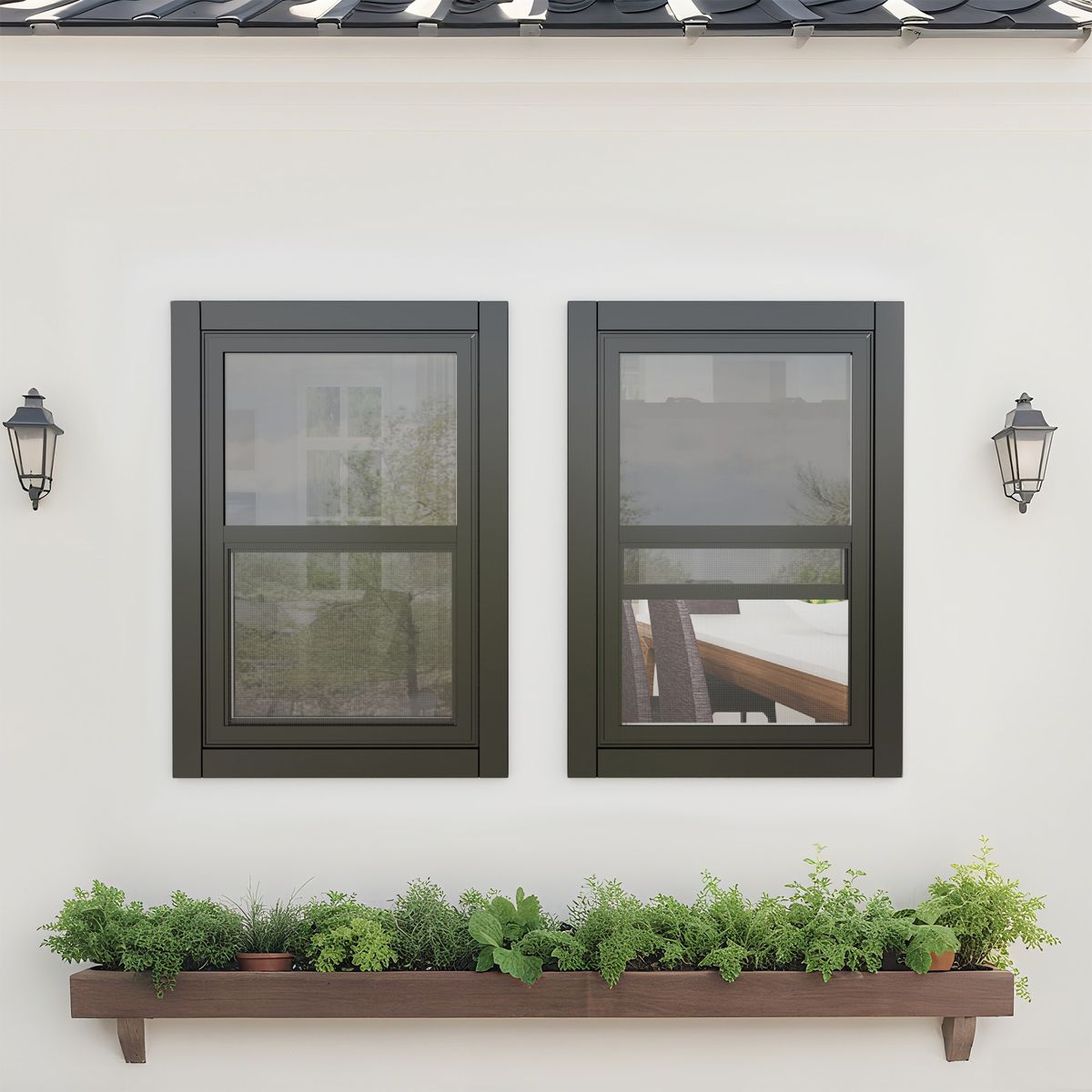
Double-hung windows allow both upper and lower sashes to operate independently. Therefore, they offer flexibility for ventilation and easier cleaning.
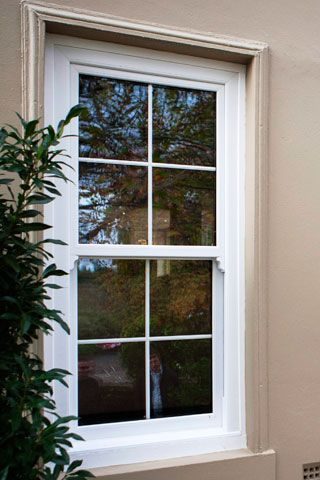
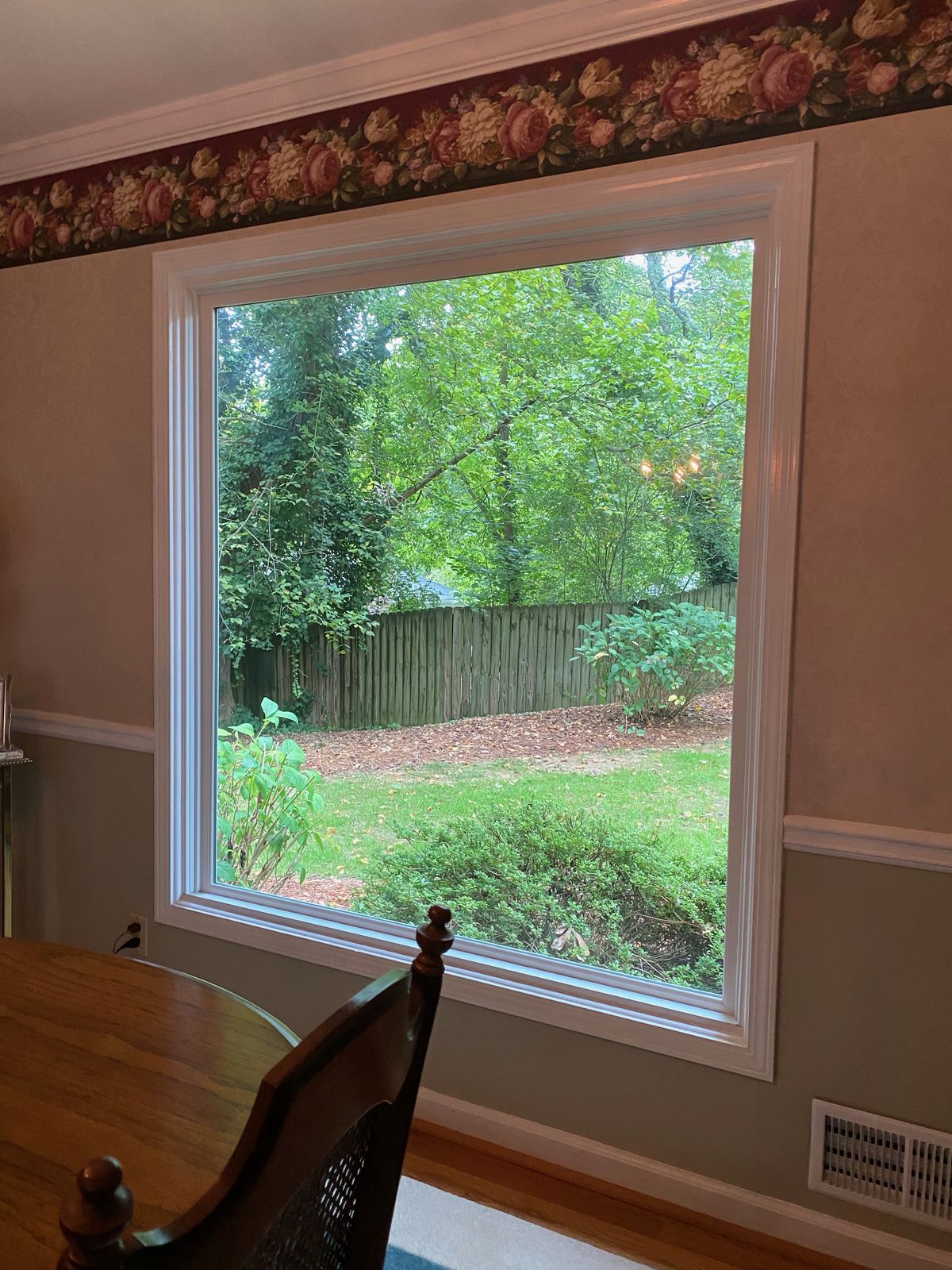
Picture windows remain fixed and are designed to maximize views and daylight. As a result, they are commonly used in spaces that benefit from uninterrupted scenery.
Bay windows project outward from the home and create additional interior space. Therefore, they can make rooms feel larger and more inviting.

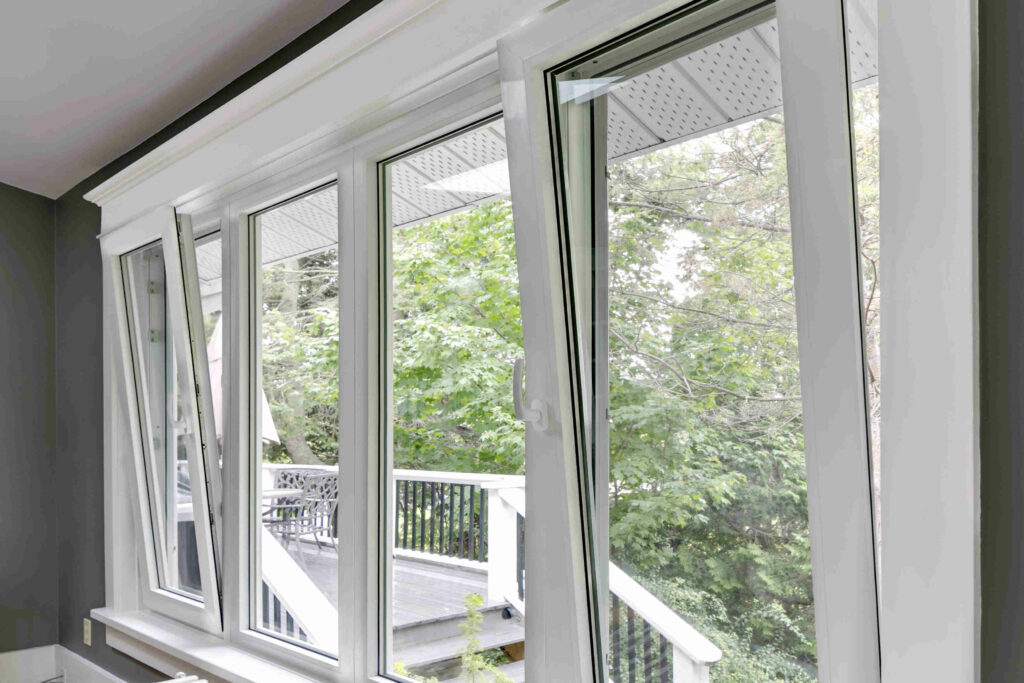
Tilt and turn windows offer dual functionality through inward tilting and full inward opening. Consequently, homeowners can balance ventilation, accessibility, and usability.
Different rooms have varying airflow needs. Living areas may require wide operable sashes for cross-ventilation, while bedrooms need controlled air exchange to maintain privacy and sound insulation without compromising thermal efficiency.
Window placement must accommodate furniture, cabinets, and circulation paths. Properly sized and positioned sash systems ensure unhindered movement, maintain operable clearance, and prevent mechanical stress on tracks, hinges, or pivot hardware.
Rooms exposed to humidity, like kitchens and bathrooms, benefit from moisture-resistant framing, pressure-equalized drainage paths, and thermal breaks. This ensures condensation is minimized and energy efficiency is maintained across seasonal temperature changes.
Windows in private or sensitive spaces require adjustable opening options and glazing strategies to balance light, sightlines, and interior comfort. Correct installation ensures airtight integration with wall barriers to maintain consistent indoor conditions.
These areas often benefit from daylight, views, and flexible ventilation. Therefore, windows should support comfort and family routines.
Functional spaces have unique moisture and ventilation requirements. As a result, window selection should support practical everyday use.
Window types should not be judged only by appearance or opening style. The real difference lies in their performance under air, water, structural, and thermal conditions in Canadian environments.
Air leakage depends on the sealing method and frame design. Casement and tilt-and-turn systems perform better due to compression seals, while sliding systems rely on brush seals, which allow more air movement under pressure.
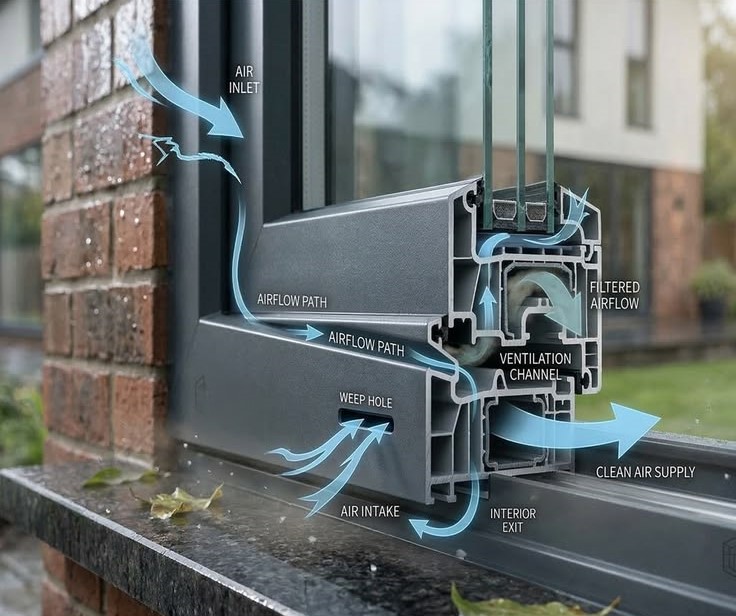
Water performance is controlled by frame drainage paths, sill slope, and pressure management. Casement and awning windows handle wind-driven rain better, while sliding systems depend on track drainage and weep holes.
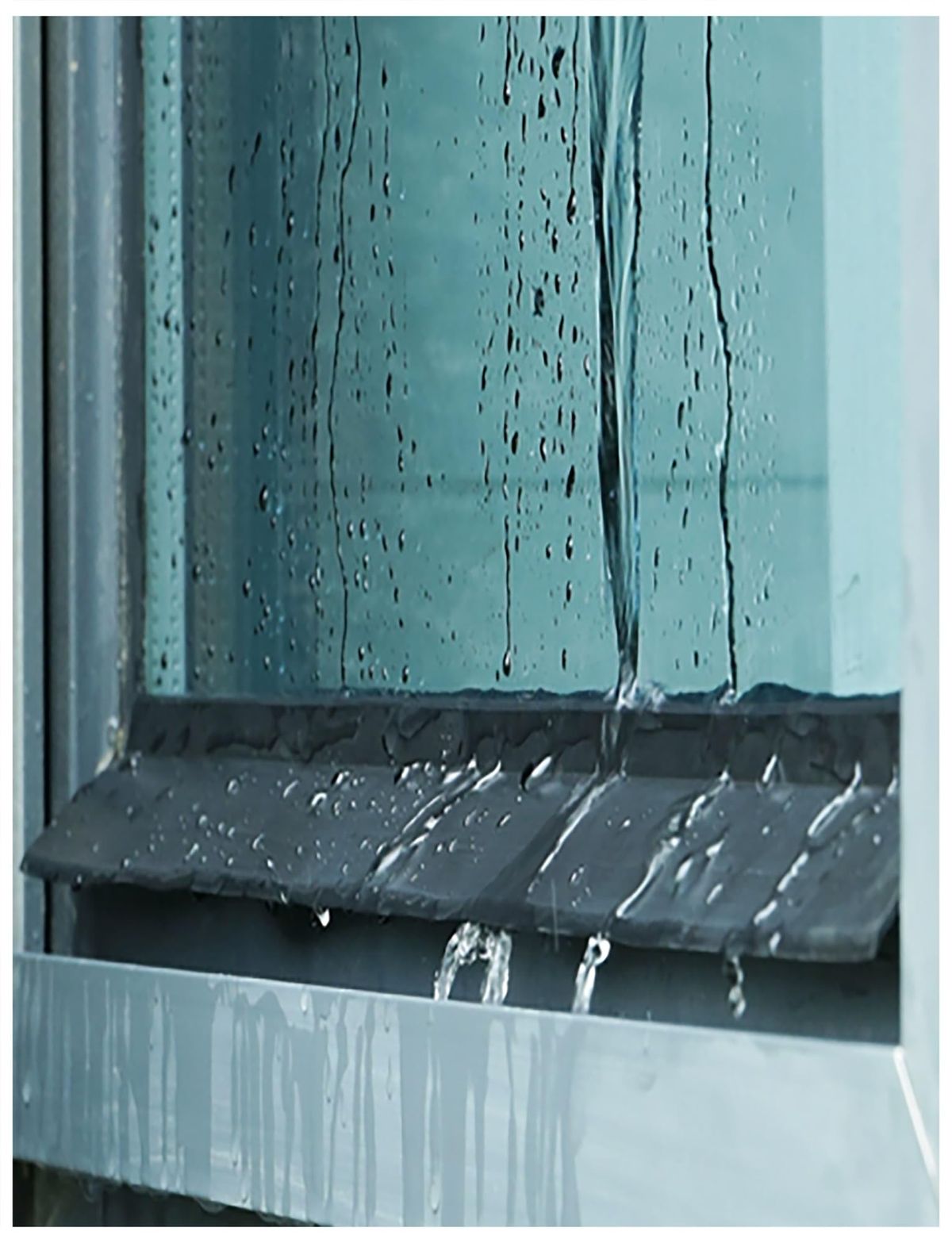
Fixed windows provide the highest structural strength due to no moving parts. Operable windows must balance movement with resistance to wind pressure and long-term frame stability.
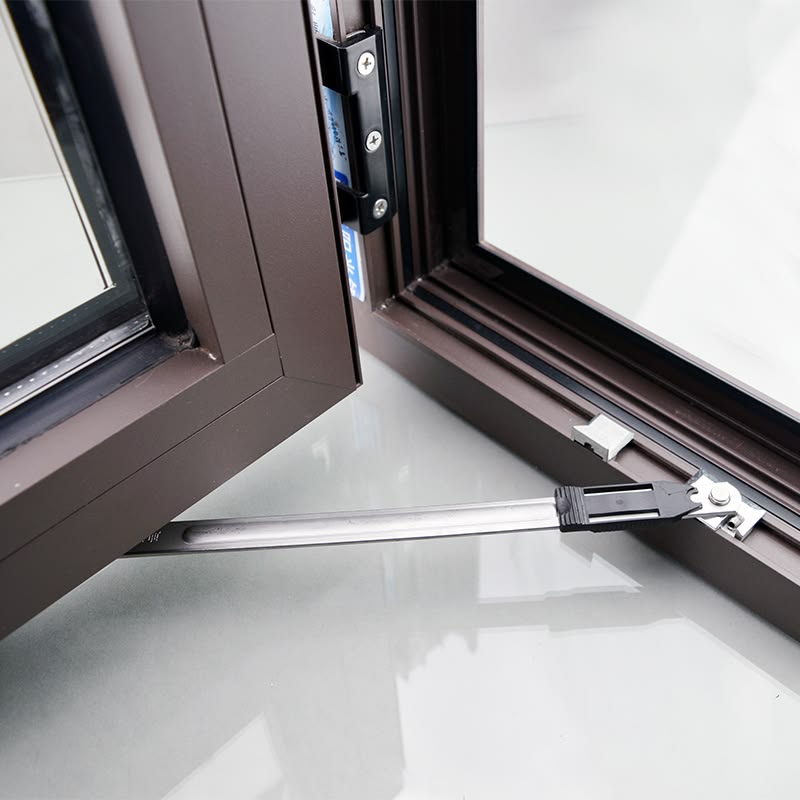
Energy performance depends on heat transfer, solar gain, and frame-to-glass ratio. Larger operable sections generally increase thermal loss compared to fixed glazing areas.
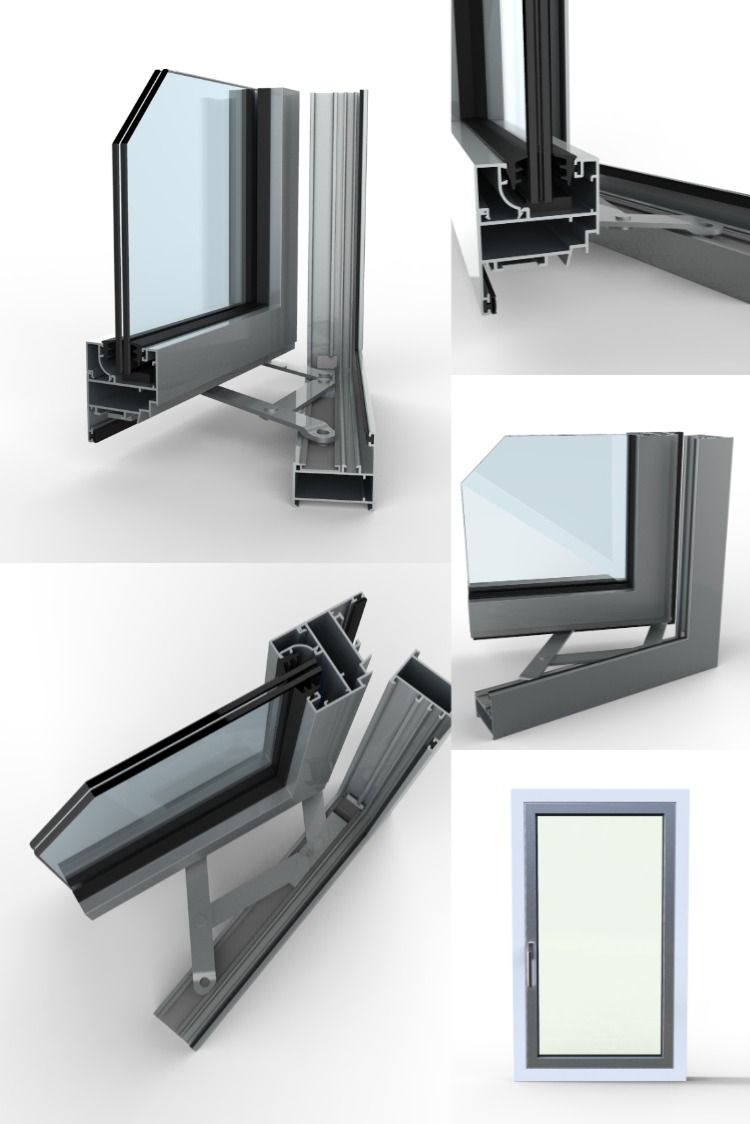
Each system has a different lifespan based on hardware type. Hinged systems use pivots and locks, while sliding systems rely on rollers, which wear differently over time.
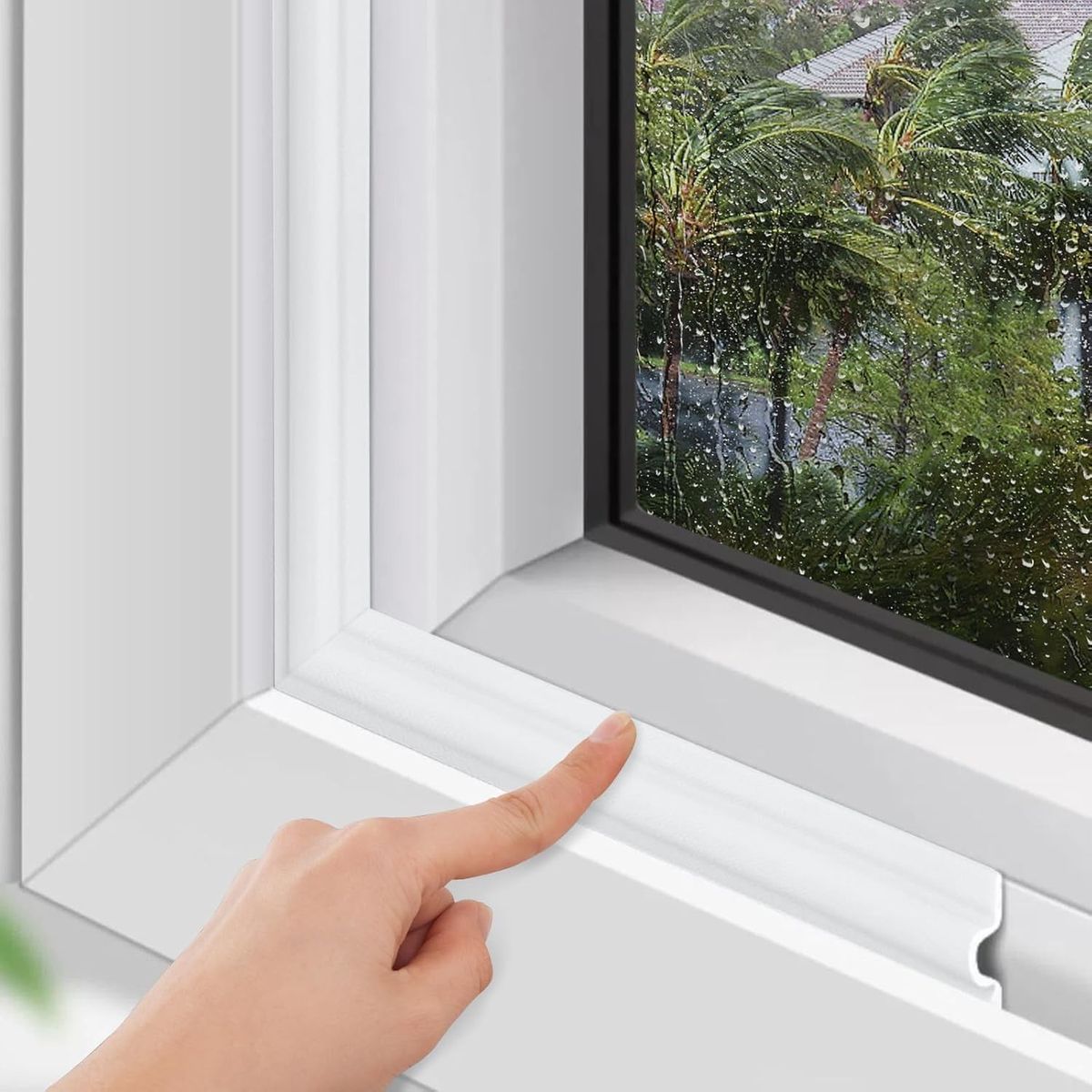
Performance also depends on how well the window connects to surrounding air and moisture control layers. Poor sealing at the edges can reduce even high-performing window ratings.
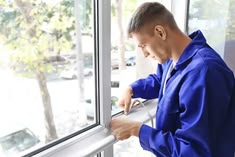
The right window does more than improve appearance. Therefore, selecting the right style can help each room function better, adapt to changing needs, and create more enjoyable living environments throughout the home.
Window types that use compression-based sealing mechanisms significantly reduce uncontrolled air leakage by maintaining uniform gasket compression under wind pressure. This improves pressure stability across interior zones and reduces differential air movement through wall assemblies.
Window systems with engineered sill slopes, drainage chambers, and pressure-equalized cavities reduce water accumulation at critical junctions. This minimizes hydrostatic pressure buildup and prevents moisture migration into surrounding framing components.
Thermal performance improves when frame geometry limits continuous conductive paths between interior and exterior surfaces. Multi-chambered profiles and thermally broken assemblies reduce heat transfer at edge zones where energy loss is typically concentrated.
Window systems are designed to resist cyclic wind pressure through reinforced sash structures, load-distribution hardware, and anchoring interfaces. This stabilizes deflection behavior and maintains alignment accuracy under repeated stress conditions.
Different opening mechanisms regulate airflow direction and volume based on geometry and pressure response. This allows controlled ventilation strategies that reduce uncontrolled drafts while maintaining predictable air exchange behavior within interior spaces.
Systems with fewer friction-based components or reinforced hardware assemblies demonstrate longer operational life cycles. Reduced roller, hinge, or balance system stress lowers failure rates and maintains consistent mechanical performance over repeated use.
Properly designed systems limit condensation formation by controlling temperature gradients at frame edges and maintaining separation between warm interior air and cold exterior surfaces. This reduces long-term moisture accumulation risk within adjacent wall materials.
When window systems are compatible with precise shimming, anchoring, and alignment tolerances, long-term performance remains stable. Misalignment reduction ensures that sealing geometry, drainage paths, and load transfer mechanisms function as designed.
Window & Door Solutions guides homeowners through selecting window types with precision and expertise. Our recommendations prioritize room functionality, energy efficiency, structural integrity, and long-term performance, ensuring each choice supports everyday living reliably.
Window selection is guided by measurable performance requirements rather than visual preference. Each recommendation is based on air tightness targets, thermal efficiency requirements, structural constraints, and expected operational conditions across different building zones.
Every window type must be evaluated based on how it interacts with surrounding wall layers, including air barrier alignment, vapour control strategy, and exterior weather protection detailing. Compatibility ensures long-term system stability rather than short-term installation fit.
Window recommendations are adjusted based on orientation, wind exposure, precipitation load, and solar gain conditions. South-facing, high-exposure, and shaded elevations each require different performance characteristics to maintain consistent interior environmental stability.
Each window system is assessed based on mechanical durability, hardware fatigue cycles, and operational resistance over time. Hinged, sliding, and pivot systems each exhibit different wear patterns that influence long-term reliability and maintenance requirements.
All recommendations are validated against applicable Canadian standards including NBC requirements, CSA A440 classification, and ENERGY STAR performance thresholds. This ensures that selected systems meet minimum structural, safety, and energy efficiency benchmarks.
Selecting a window type is not a design preference exercise, it is a performance-driven decision based on wall assembly constraints, environmental exposure, ventilation requirements, and lifecycle durability expectations. Therefore, each decision must follow a structured evaluation model rather than aesthetic preference.
Each window type must be evaluated based on its compatibility with the building envelope system, including air barrier continuity, vapour control layers, and WRB integration. Selection begins with enclosure performance, not visual preference or opening style.
Window selection must reflect internal environmental loads such as humidity, occupancy heat gain, and solar exposure. Kitchens, bathrooms, and living spaces each impose different performance demands that directly influence suitable window type selection criteria.
Window types must be matched to required air exchange performance. Casement and awning units support pressure-assisted ventilation, while sliding and hung systems provide limited or controlled airflow. Selection depends on required ventilation strategy, not convenience alone.
Window selection must consider rough opening dimensions, load-bearing header conditions, and framing constraints. Different window geometries distribute loads differently, requiring structural verification before finalizing operable or fixed system selection.
Window type selection must align with thermal performance requirements based on orientation and climate exposure. Frame-to-glass ratio, U-factor, and SHGC vary by system type, influencing energy transfer behavior across seasonal conditions.
Each window system has distinct mechanical wear characteristics based on hardware type, track systems, or hinge mechanisms. Selection should account for long-term maintenance access, operational cycling durability, and replacement part lifecycle expectations.
Final selection must ensure compatibility with installation detailing, including shimming strategy, flashing sequence, and air/vapour barrier continuity. Performance is only valid if interface installation preserves the designed envelope integrity.
Selecting windows should improve how every room functions. Therefore, our expertise focuses on helping homeowners create practical and enjoyable living environments.
We help homeowners compare window styles based on room functionality, ventilation needs, and long-term usability rather than temporary trends.
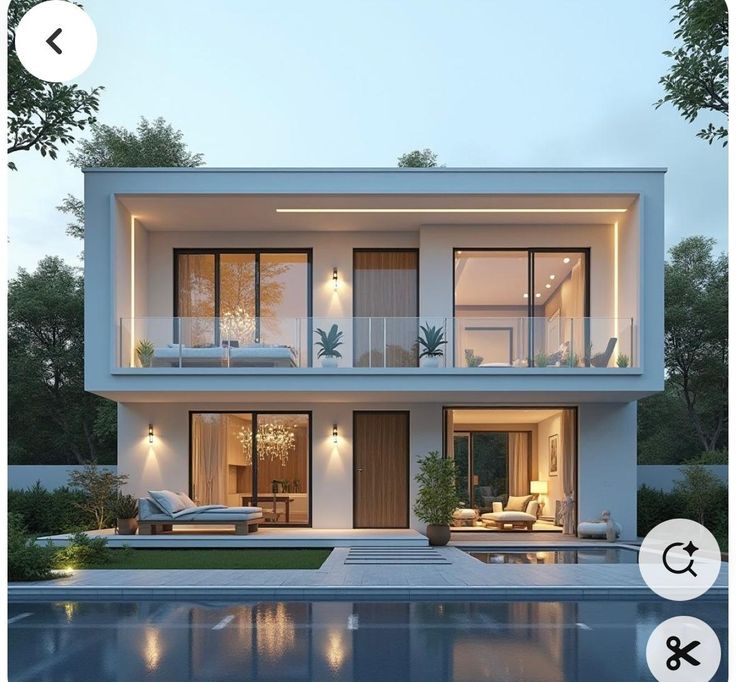
Renovations often create opportunities to rethink how rooms interact with daylight and airflow. Therefore, we help integrate suitable window solutions.
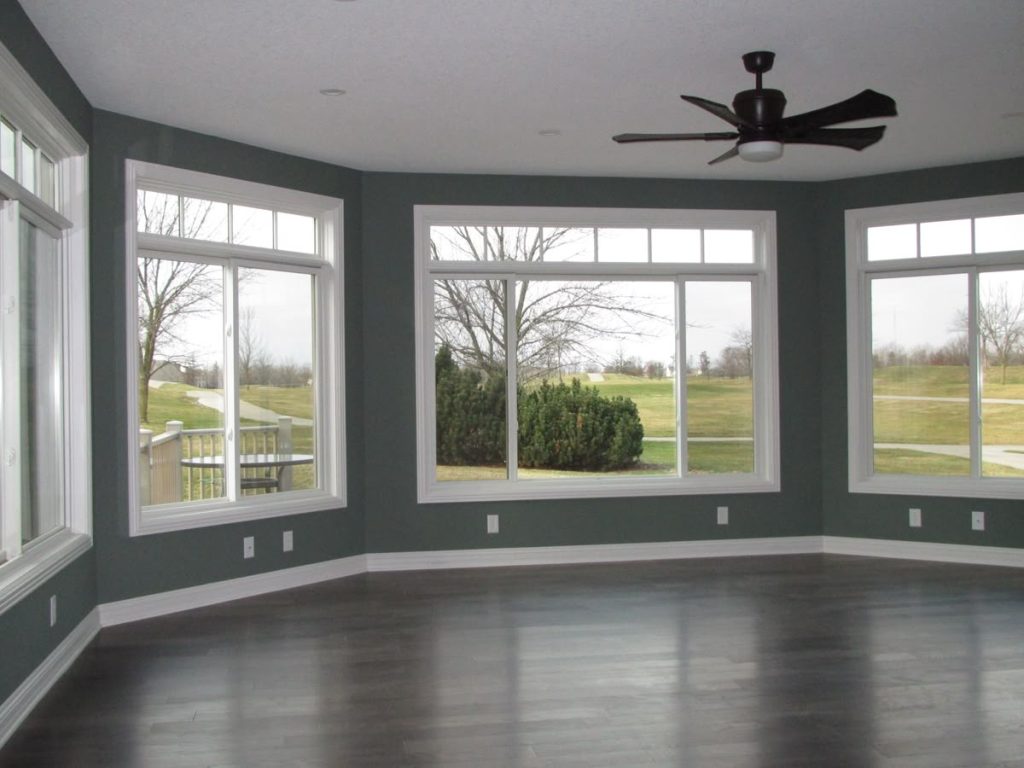
Every room has unique priorities. As a result, we guide homeowners toward solutions that support specific living requirements.
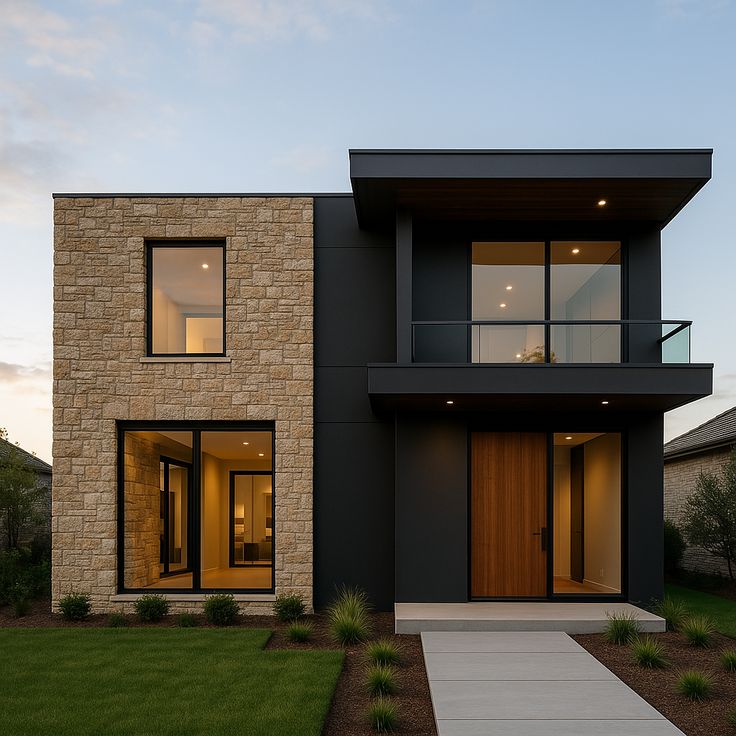
Window systems should support Canadian safety, energy, and weather performance expectations while complementing the home’s layout and functionality.
The National Building Code of Canada establishes minimum standards for energy efficiency, occupant safety, structural integrity, and emergency egress requirements. Therefore, residential window systems should support these expectations.
Individual provinces may introduce additional requirements that influence window performance and safety standards. Consequently, local regulations should always be reviewed.
These Canadian standards evaluate air leakage, water penetration resistance, structural performance, and operational durability. Therefore, they help homeowners compare long-term performance expectations.
ENERGY STAR Canada identifies products that support energy-conscious homes. As a result, homeowners can prioritize year-round comfort and performance.
Windows located near doors, stairways, bathrooms, and certain floor heights may require safety glazing under Canadian regulations. Therefore, tempered or laminated glass requirements should be considered.
Choosing the right window is not just about design. It directly affects how comfortable your rooms feel, how fresh the air is, how much light comes in, and how easy your windows are to use every day. That’s why different window types are made for different needs.
Some windows are better for airflow, some are better for natural light, and others are better for tight spaces or wide views. When you understand how each type works, it becomes much easier to choose the right one for each room in your home.
The key is not to pick what looks best, but to pick what works best for your space and daily life. If you are planning new windows or thinking about upgrading your existing ones, getting the right guidance can save you from poor airflow, difficult operation, or uncomfortable rooms later on.
At Window & Door Solutions, we help homeowners choose window types based on real room needs, not guesswork. That means you get windows that actually fit your space, your comfort, and how you live every day.
Request your personalized window selection consultation today and transform how your home feels and functions.