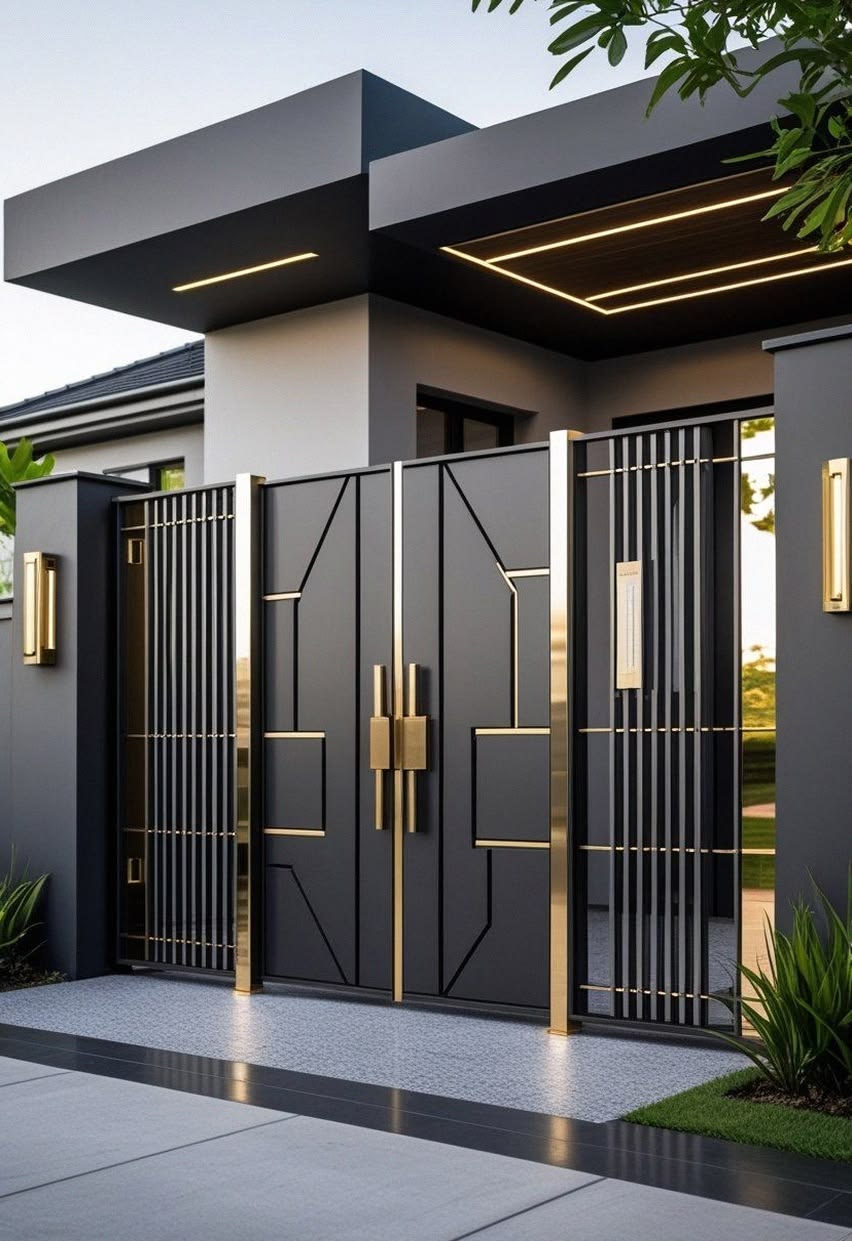
Get Your Quote within 24 Hours
A luxury home can lose its impact when the doors feel ordinary. An undersized entrance, basic hardware, thin panels, or poorly matched finishes can make even a high-end space feel incomplete. Therefore, luxury doors should not be treated as simple access points. They should create presence, protect the home, guide movement, and support the architecture at first glance.
At Window & Door Solutions, we help homeowners, designers, architects, and builders choose luxury doors that feel refined in every detail. From statement entrances and private suites to garden-facing openings and premium interior transitions, each door should combine scale, material quality, smooth operation, privacy, security, and long-term performance. The right luxury door does more than open a space; it elevates the entire home.
Luxury doors should match the scale, style, and atmosphere of the property. Therefore, each door type below is selected for how it changes the experience of a high-end home, not only for how it looks in a catalogue.
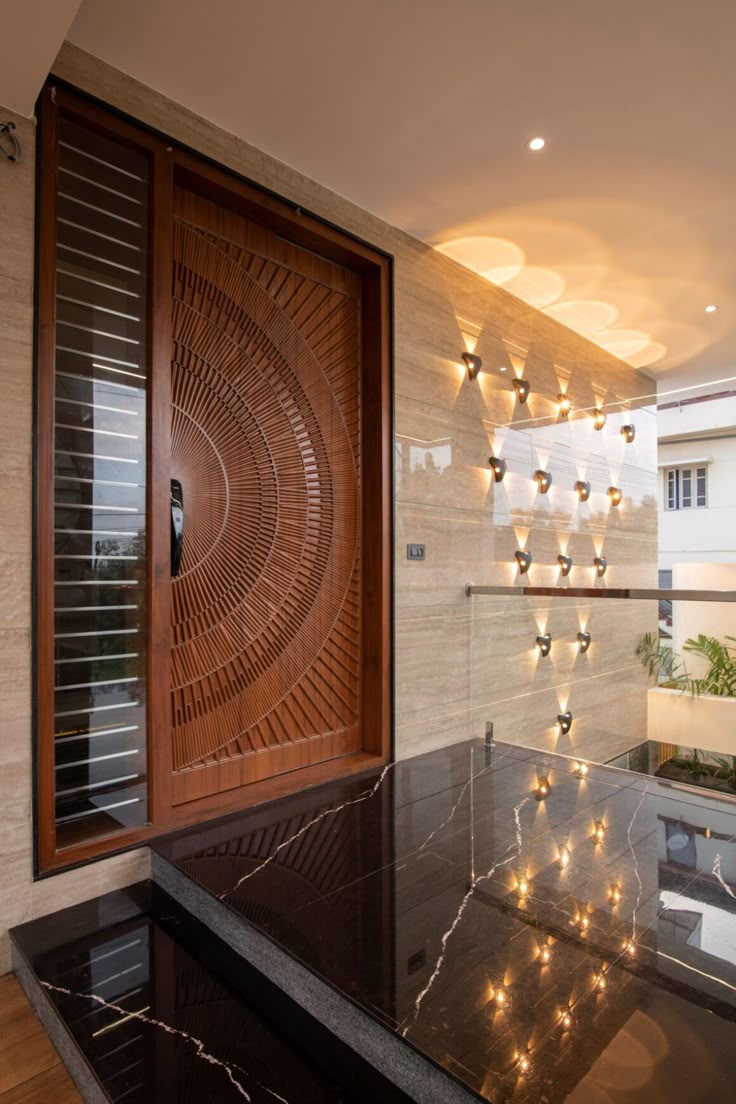
Pivot doors create a bold architectural entrance with wider panels, smooth rotation, and a clean modern presence. As a result, they suit luxury homes where the front entry needs to feel dramatic, spacious, and intentionally designed.
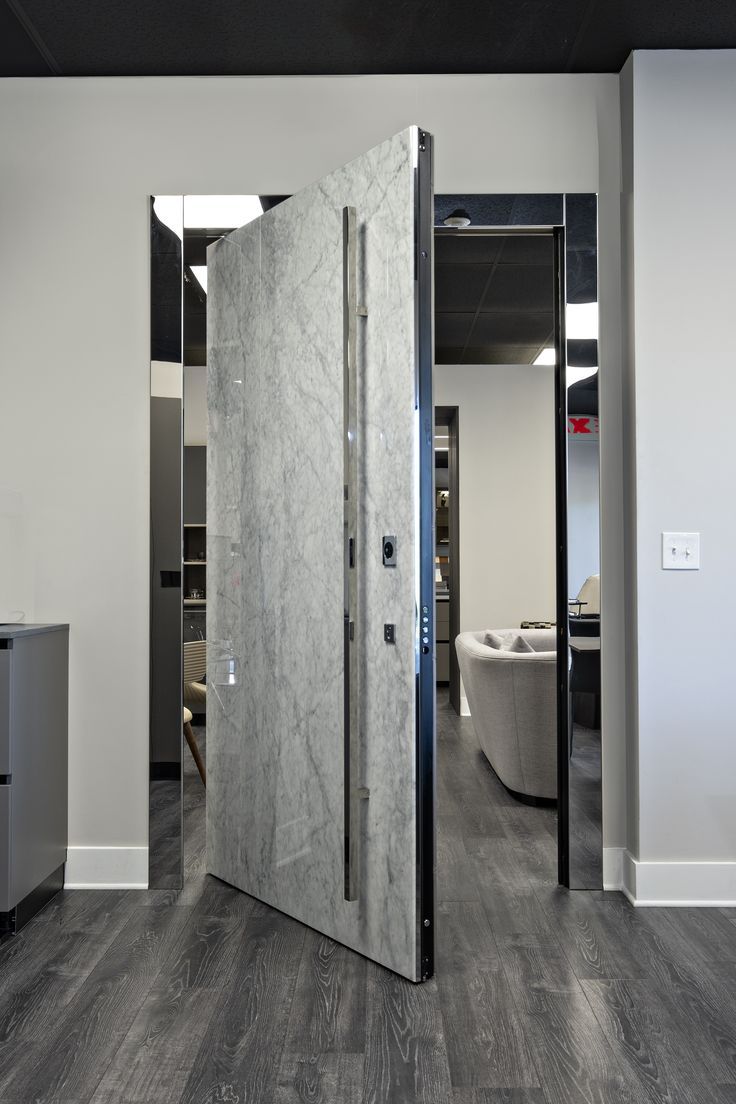
Oversized entry doors give larger homes better proportion and visual weight. Therefore, taller or wider door systems work well with high ceilings, broad elevations, sidelites, transoms, and custom entryways that need stronger presence.
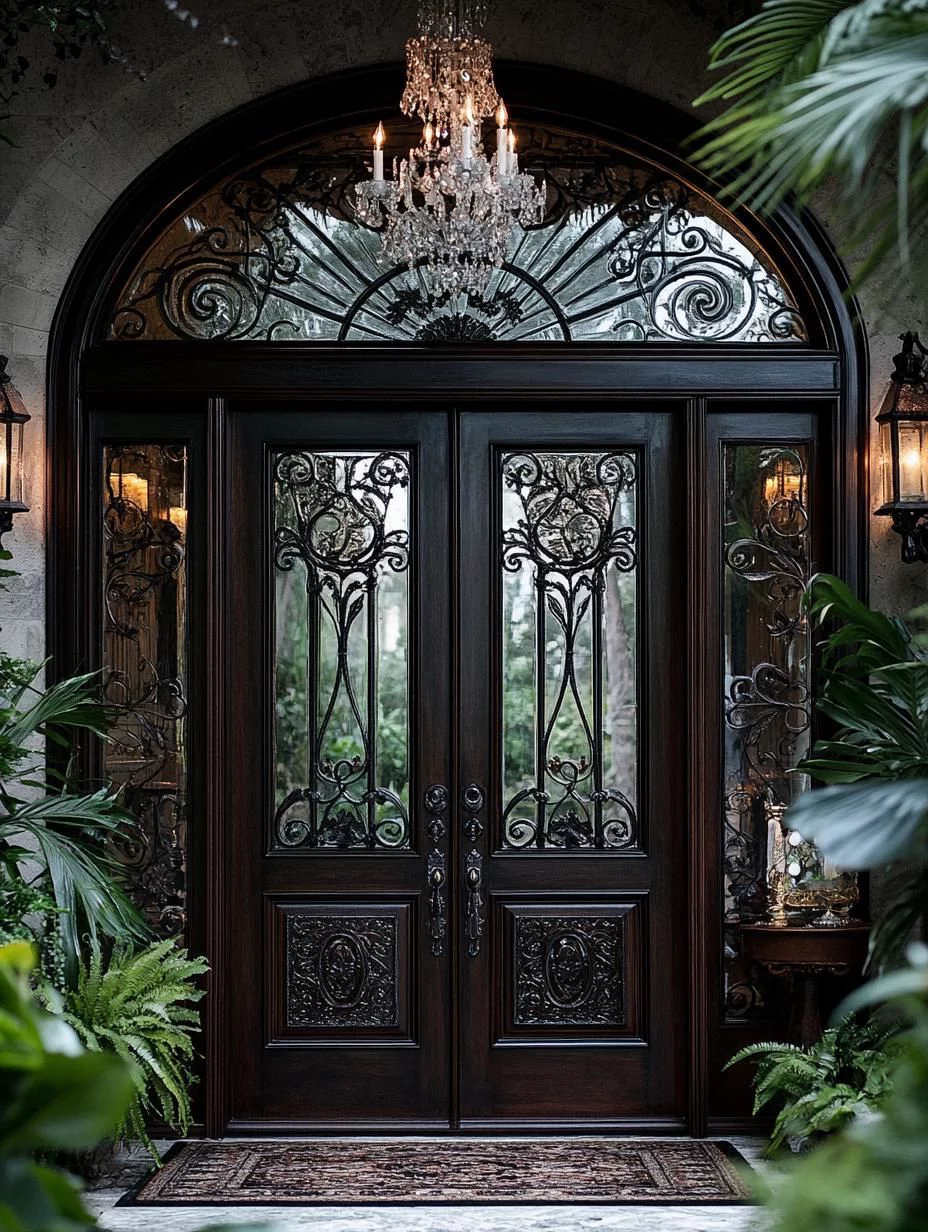
Luxury glass doors help brighten interiors while keeping the design refined. However, glass choice should balance clarity, privacy, safety, glare control, and security, especially in entrances, feature rooms, and high-visibility transitions.
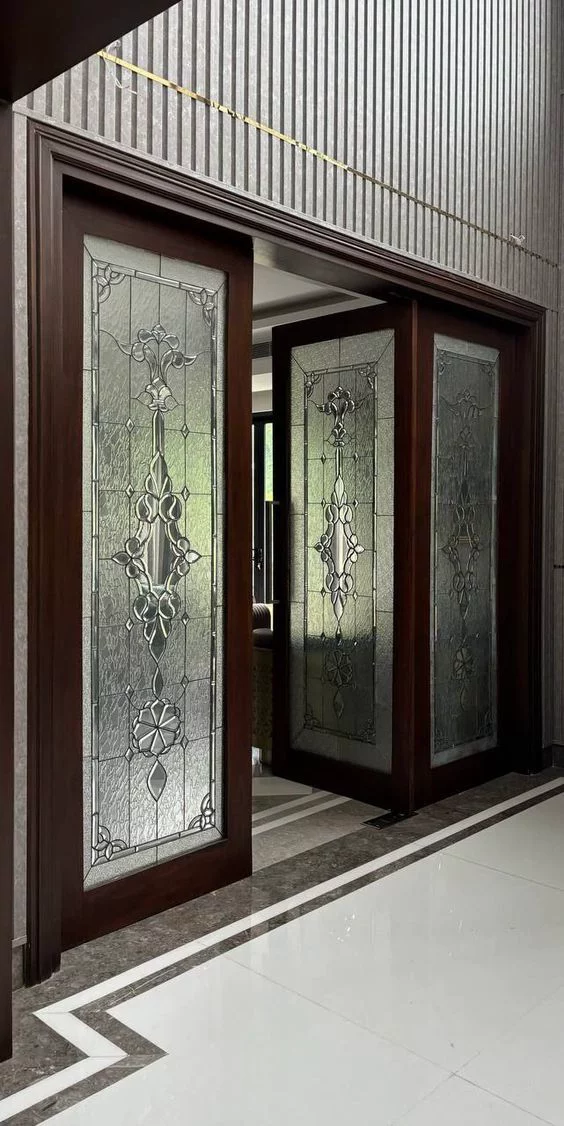
Designer wood doors bring warmth, grain, depth, and handcrafted character into premium homes. For that reason, wood species, stain tone, panel detailing, and grain direction should match the architecture rather than feel decorative only.
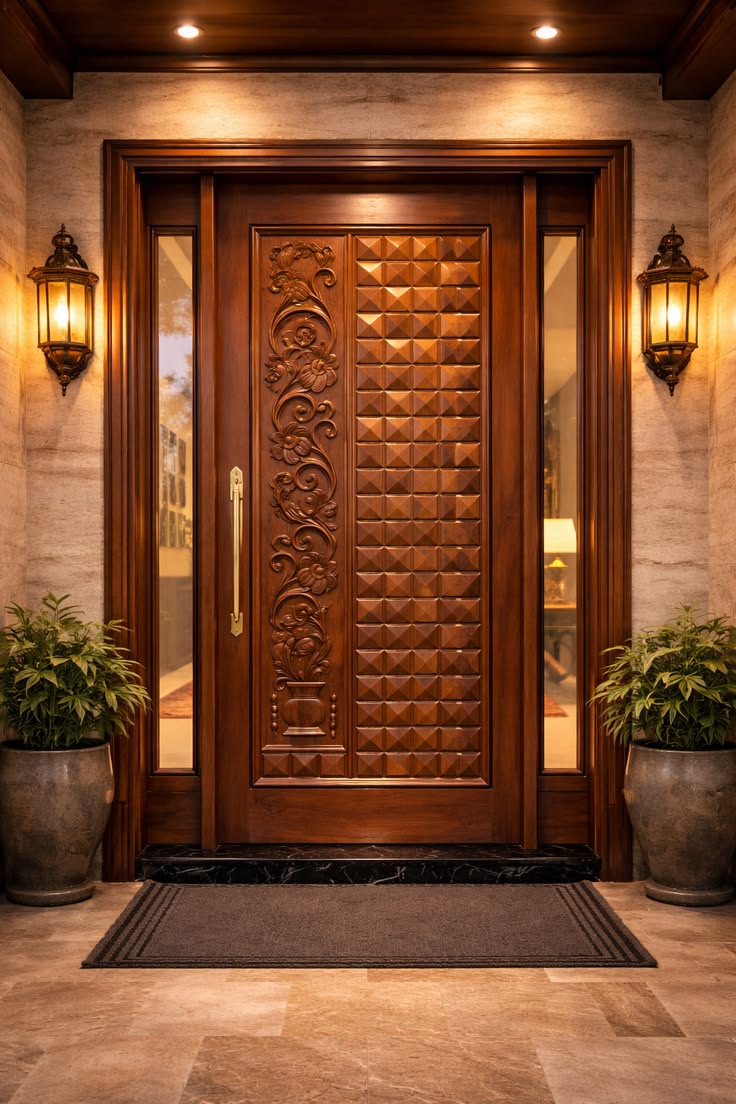
Steel and metal luxury doors create sharper profiles, stronger lines, and a more architectural feel. Consequently, they suit modern, industrial, and contemporary homes where strength, minimal sightlines, and clean detailing matter.
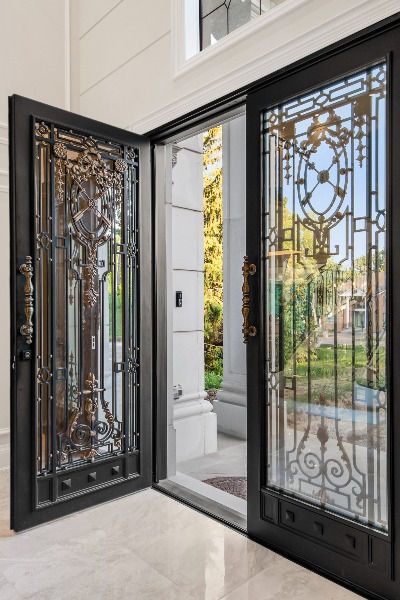
European-inspired luxury doors often focus on flush surfaces, refined hardware, clean proportions, and engineered performance. Therefore, they work well in homes where quiet minimalism, exact alignment, and premium detailing define the design direction.

Luxury interior doors add weight and intention to primary suites, offices, wine rooms, lounges, and media rooms. As a result, these doors should support privacy, sound control, finish quality, and a more complete interior experience.
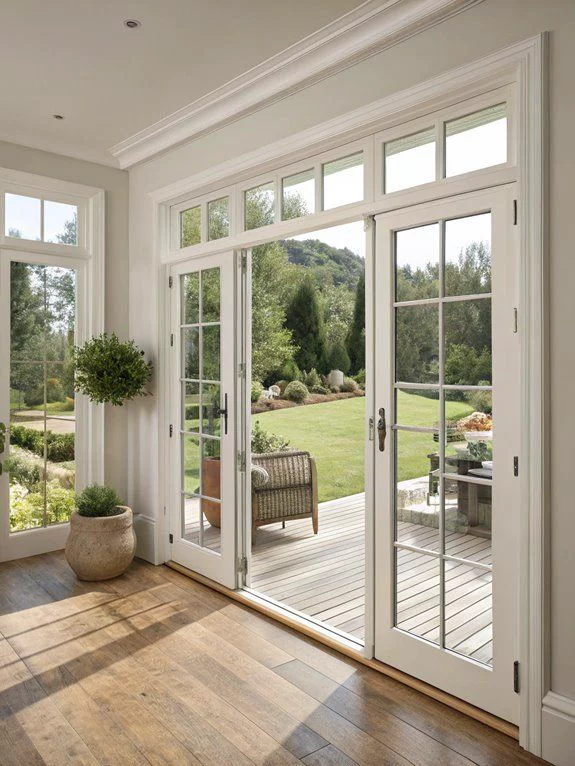
Premium patio and garden doors connect indoor spaces to terraces, pools, courtyards, and landscaped areas. In addition, they should provide smooth operation, large views, refined thresholds, and strong performance without feeling bulky.
Luxury homes often need larger, taller, or more visually balanced door systems. Therefore, door scale should match ceiling height, entry width, wall massing, exterior proportions, and the overall rhythm of the property.
Luxury materials should feel refined when touched, opened, and viewed closely. As a result, wood grain, metal finish, glass clarity, panel weight, and surface texture all influence the sense of quality.
Premium hardware changes the daily experience of a door. Therefore, handles, pulls, hinges, pivots, rollers, locks, and smart access systems should feel smooth, durable, secure, and visually aligned with the design.
Luxury doors depend on clean details. Consequently, reveals, thresholds, trims, frame integration, panel transitions, glass edges, and hardware placement should look intentional from both the exterior and interior sides.
Main entrances, foyers, covered entryways, and driveway-facing elevations set the tone for the entire property. Therefore, luxury doors in these areas should feel proportionate, solid, and architecturally connected. Scale, material depth, glass placement, hardware, and security all matter because the door becomes part of the home’s first impression before anyone steps inside.
Primary suites, home offices, lounges, theatres, wine rooms, terraces, gardens, and poolside openings benefit from more refined door planning. These areas need privacy, sound control, smooth movement, and a clear design mood. As a result, the right luxury door can make private rooms feel calmer, entertaining areas feel more polished, and outdoor transitions feel effortless.
Luxury doors should feel solid, quiet, smooth, secure, and stable. Therefore, performance details matter as much as style, especially when the door is large, exposed, glazed, or used every day.
A premium door should feel substantial without becoming difficult to use. Therefore, core construction, panel stability, seasonal movement control, and reinforced design help reduce warping, twisting, rattling, and uneven closure over time.
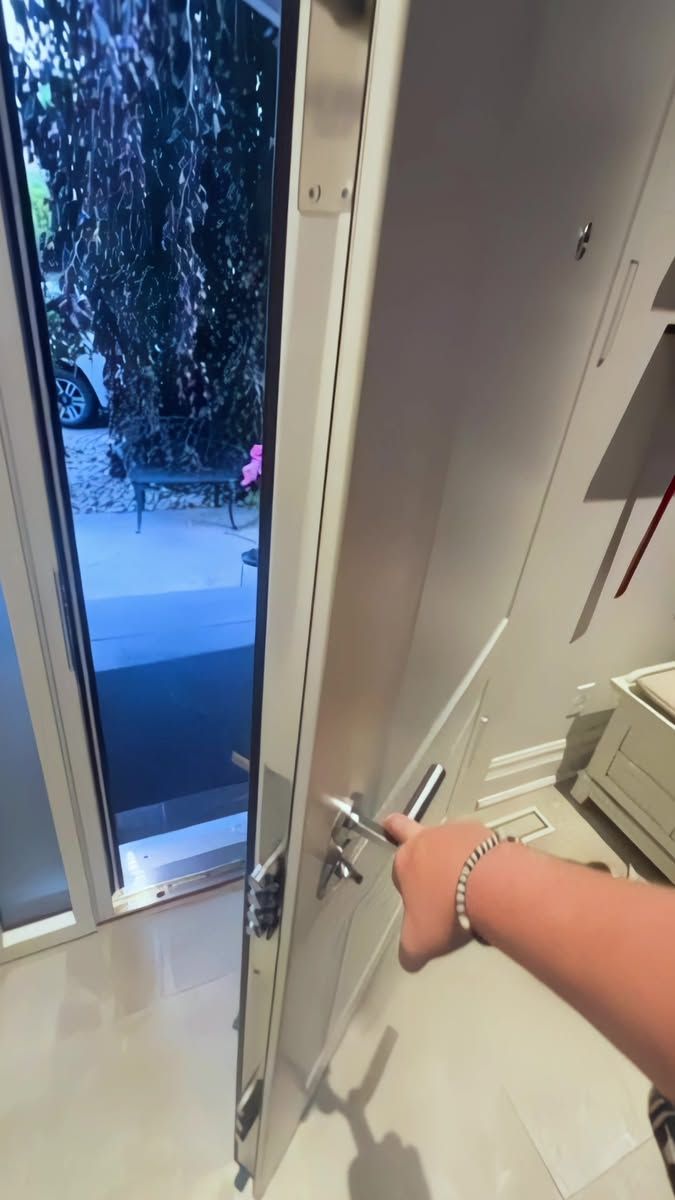
Luxury doors need frames that feel built into the design. As a result, frame depth, wall alignment, trim coordination, reveal lines, and threshold transitions should support a clean architectural finish.
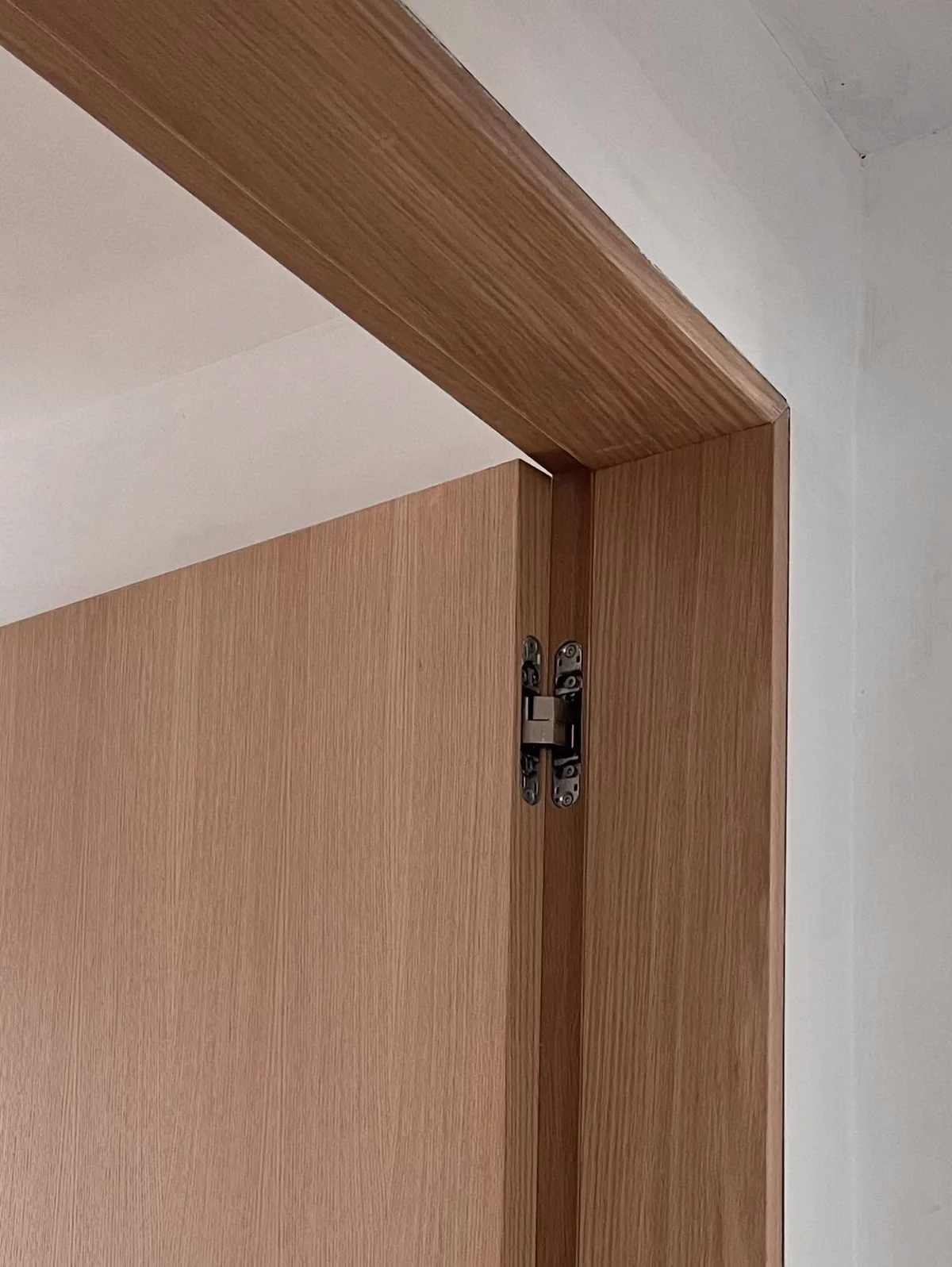
Glass in luxury doors should feel intentional, not exposed. Therefore, tempered or laminated glass, privacy textures, tint options, clarity, glare control, and panel size should match the room and security expectation.
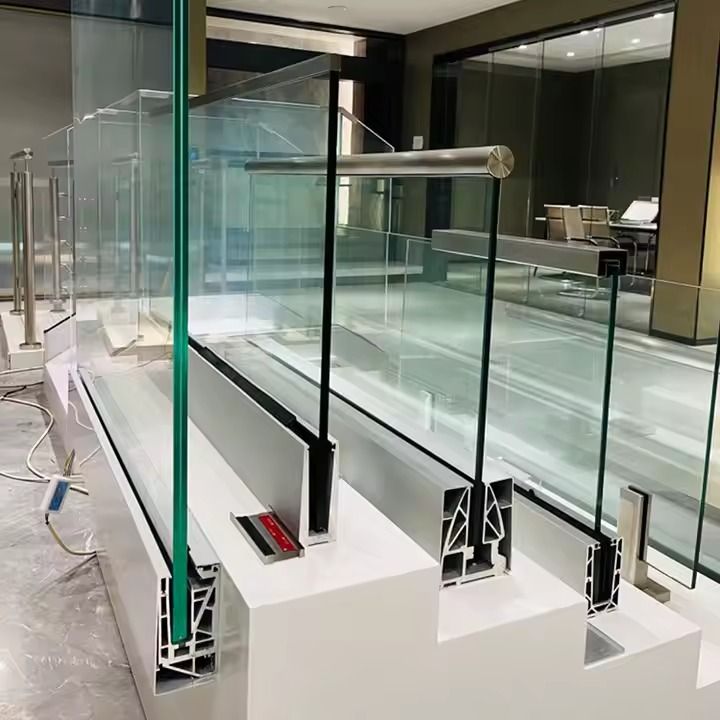
Exterior luxury doors still need strong comfort performance. Consequently, insulated cores, weatherstripping, thresholds, thermal breaks, and tight closure help reduce drafts, cold surfaces, and seasonal discomfort in Canadian homes.
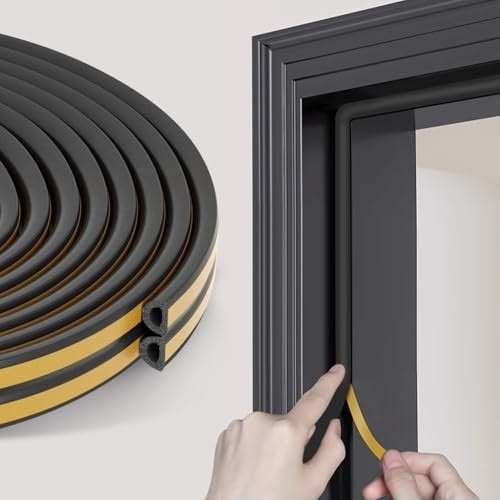
Security should not make a luxury door look heavy or awkward. Therefore, multipoint locks, reinforced frames, concealed hinges, smart access, and premium locksets should protect the home while keeping the design polished.
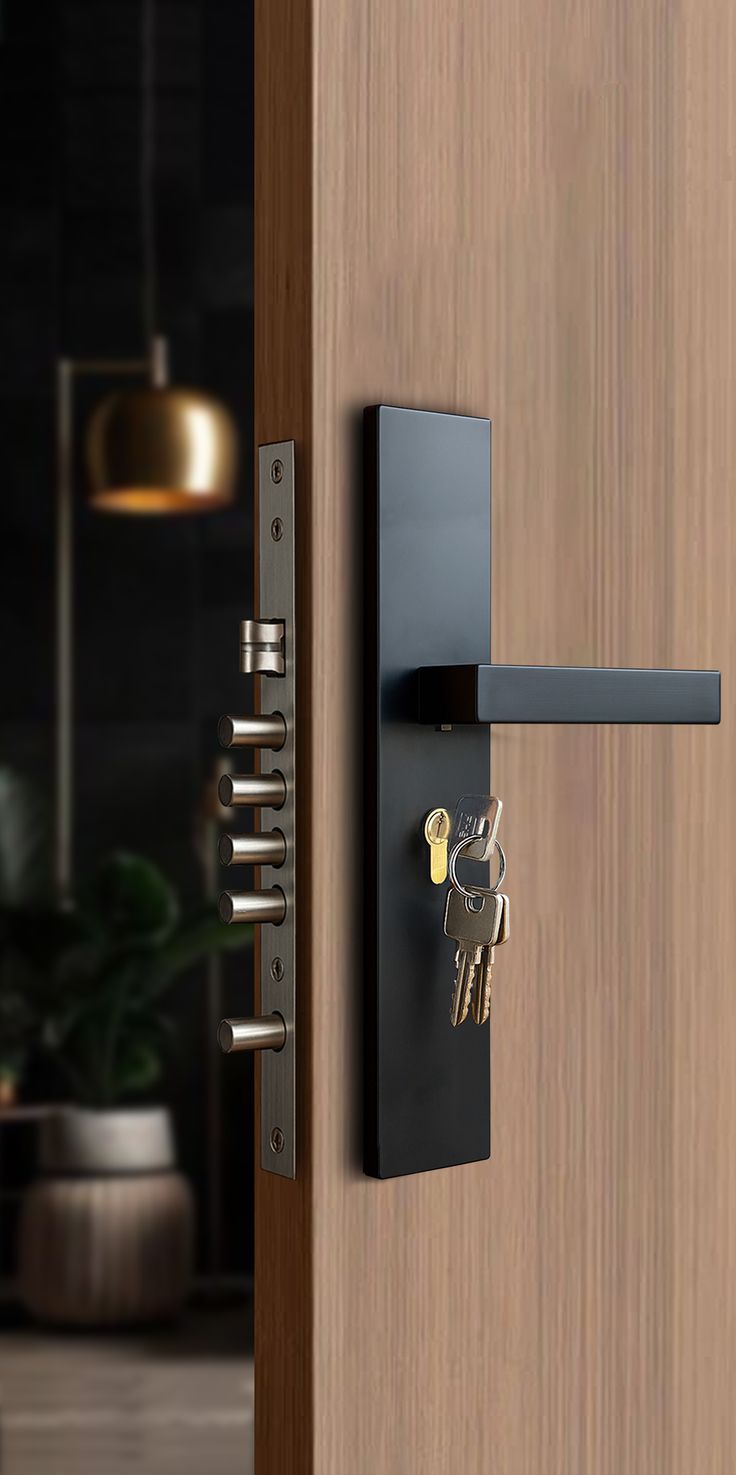
A luxury door must stay beautiful under real use. As a result, UV exposure, moisture, fingerprints, scratches, cleaning habits, and seasonal weather should guide finish selection for exterior and interior doors.
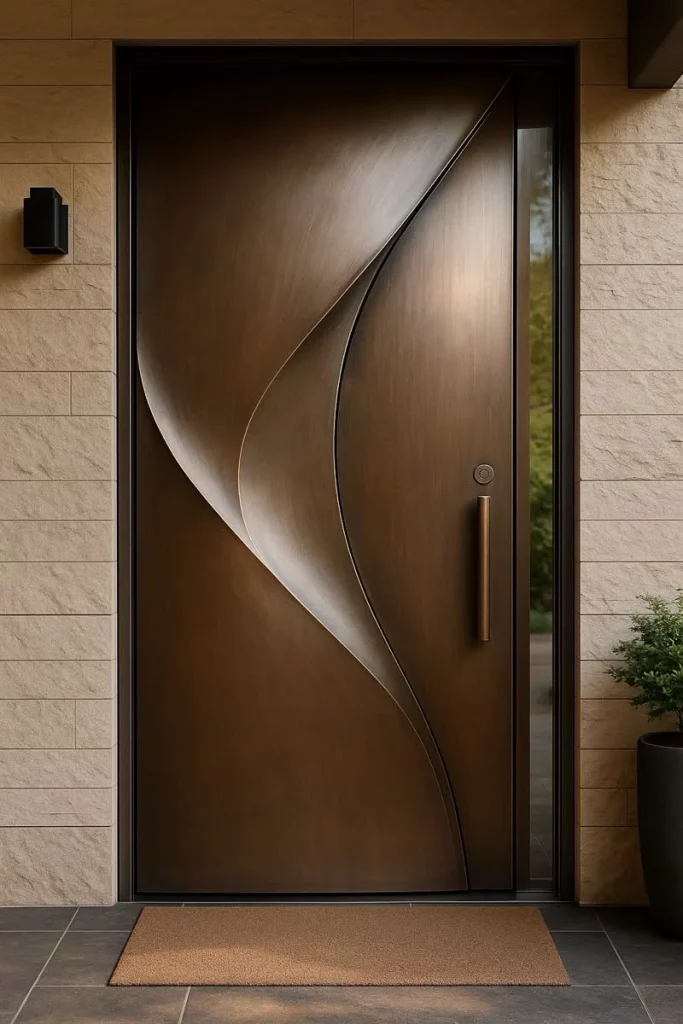
The right luxury doors improve more than access. They shape the experience of arrival, movement, privacy, security, material quality, and long-term presentation throughout a premium home.
A luxury entrance sets the tone immediately. Therefore, the door’s height, material, color, handle, glass detail, and surrounding frame can make the home feel more refined before anyone steps inside.
Interior luxury doors shape how rooms transition into each other. As a result, suites, offices, lounges, and feature rooms can feel more private, intentional, and connected to the overall design language.
Luxury doors can improve privacy without looking plain. Therefore, solid cores, acoustic design, textured glass, concealed hardware, and refined panel detailing can make private rooms feel protected and beautifully finished.
A high-end home feels stronger when the doors speak the same design language. Consequently, consistent hardware, aligned heights, coordinated finishes, and balanced panel styles create a cleaner whole-home impression.
Luxury entry doors should feel secure as well as beautiful. Therefore, reinforced construction, careful glass placement, advanced locks, stable frames, and premium hardware help protect the most important access points.
Luxury outdoor spaces deserve doors that feel smooth and elegant. As a result, terraces, gardens, courtyards, and pool areas benefit from wide glass, refined thresholds, and a clean indoor-outdoor transition.
Premium doors should still look refined years after installation. Therefore, durable finishes, stable materials, quality hardware, and well-planned exposure protection help preserve the luxury impression over time.
Luxury doors influence how buyers, guests, and homeowners read the quality of the property. Consequently, a well-specified door can make the home feel more custom, more complete, and more valuable.
Luxury door selection requires more than product availability. Therefore, Window & Door Solutions helps clients compare design impact, material quality, opening conditions, hardware, glass, and performance with a high-end home in mind.
We help clients understand what makes each luxury door option suitable. As a result, recommendations consider scale, design intent, material feel, glass use, security, hardware, and long-term presentation.
A luxury door must work with the home’s architecture. Therefore, we review proportions, elevation balance, sightlines, wall conditions, trim direction, and interior flow before narrowing the best options.
Different premium materials behave differently in real homes. Consequently, we help compare wood, steel, metal, glass, fiberglass, aluminum-clad options, coatings, stains, and finishes based on beauty, stability, and exposure.
Luxury results depend on small decisions. Therefore, thresholds, reveals, frame depth, hardware placement, glass size, pull length, lock style, and finish direction all receive careful attention.
Premium doors still need to handle Canadian weather. As a result, we consider cold, rain, sun exposure, moisture, wind, thermal comfort, and finish durability before recommending exterior luxury door options.
Our process is built around premium specification, not generic door selection. Therefore, each step helps homeowners and design professionals move from design goals to a door choice that feels refined and performs well.
We first clarify what the door needs to do visually and functionally. It may need to make a statement, disappear into the room, frame a view, control privacy, or guide movement.
Next, we study the home’s scale, ceiling height, exterior elevation, wall thickness, and interior language. Therefore, the door can match the property instead of feeling undersized, oversized, or visually disconnected.
We compare materials and systems that fit the design goal. As a result, wood, steel, metal, glass, fiberglass, pivot doors, oversized doors, and European-inspired options can be reviewed clearly.
Glass and security decisions must work together. Therefore, we review visibility, sidelites, privacy glass, tempered or laminated glass, smart access, lock systems, and how exposed each opening feels.
The finish and hardware shape the luxury feel. Consequently, handles, pulls, hinges, locksets, coatings, stains, thresholds, and reveal details should support one refined design direction.
Exterior doors need beauty and resilience. Therefore, we review exposure, air sealing, water control, thermal comfort, sunlight, moisture, and finish stability before finalizing luxury door recommendations.
Finally, we connect design, material, glass, hardware, performance, finish, and budget expectations into a clear recommendation. As a result, clients can choose with confidence and fewer compromises.
Our luxury door support stays focused on specification, coordination, and premium decision-making. Therefore, the goal is not simply to supply a premium door. The goal is to help each door feel properly scaled, beautifully detailed, and naturally connected to the architecture of the home.
We help select premium exterior doors for main entries, side entries, garden access, terraces, and protected openings. Each exterior door needs to balance design impact with real performance. Therefore, we review scale, material, glass placement, locking hardware, weather exposure, finish durability, and how the door contributes to the home’s first impression.
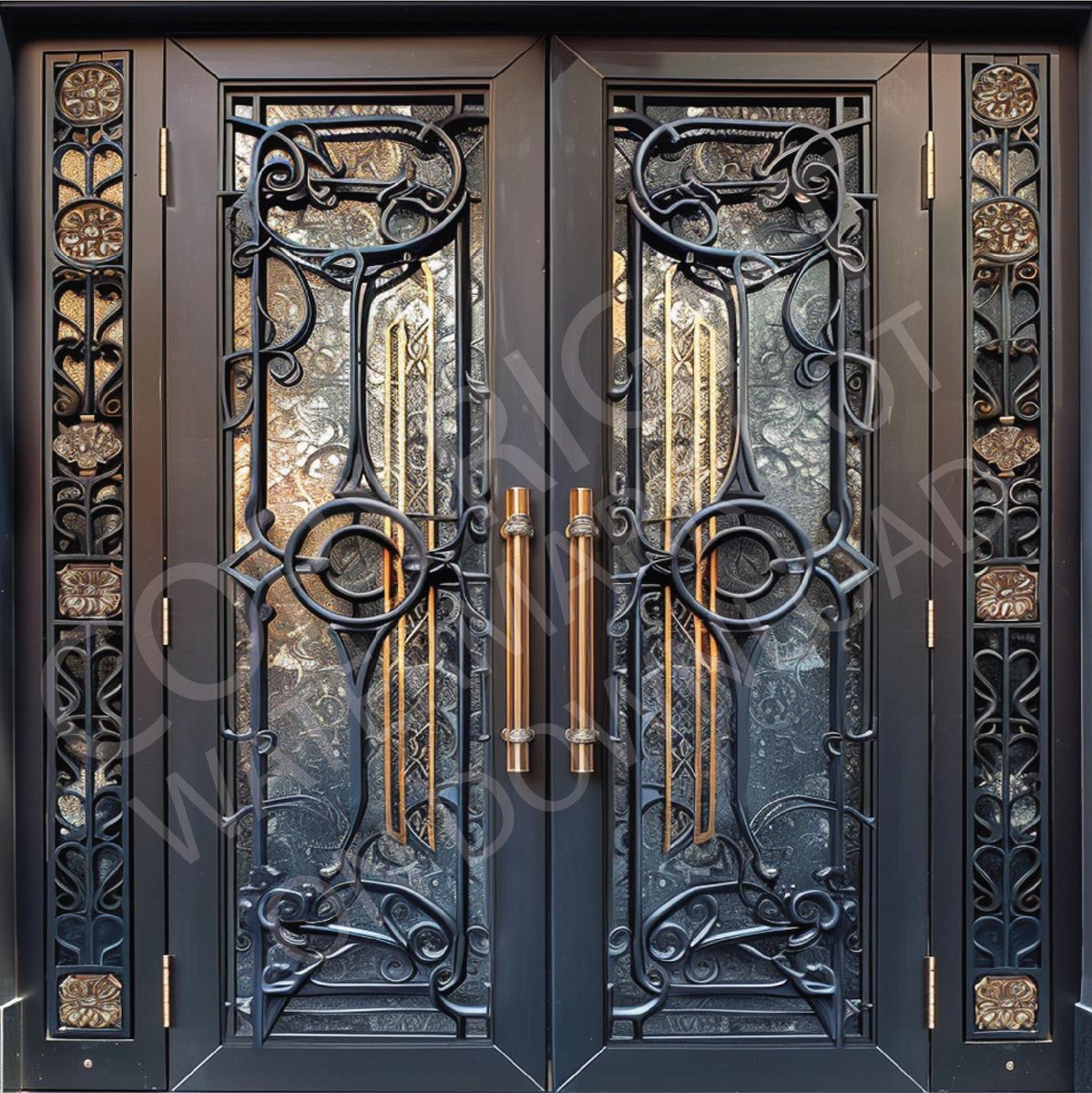
We support luxury interior door planning for primary suites, offices, lounges, theatres, wine rooms, bathrooms, closets, and private living areas. These doors should not feel like afterthoughts. As a result, we consider privacy, sound control, panel style, finish quality, hardware tone, opening direction, and how each door improves movement between rooms.

High-end homes often need several luxury doors to work together across different spaces. Therefore, we help coordinate scale, materials, hardware, glass details, finishes, and design language across the full property. This creates a more polished result where exterior entrances, interior transitions, and outdoor access points feel intentional instead of disconnected.
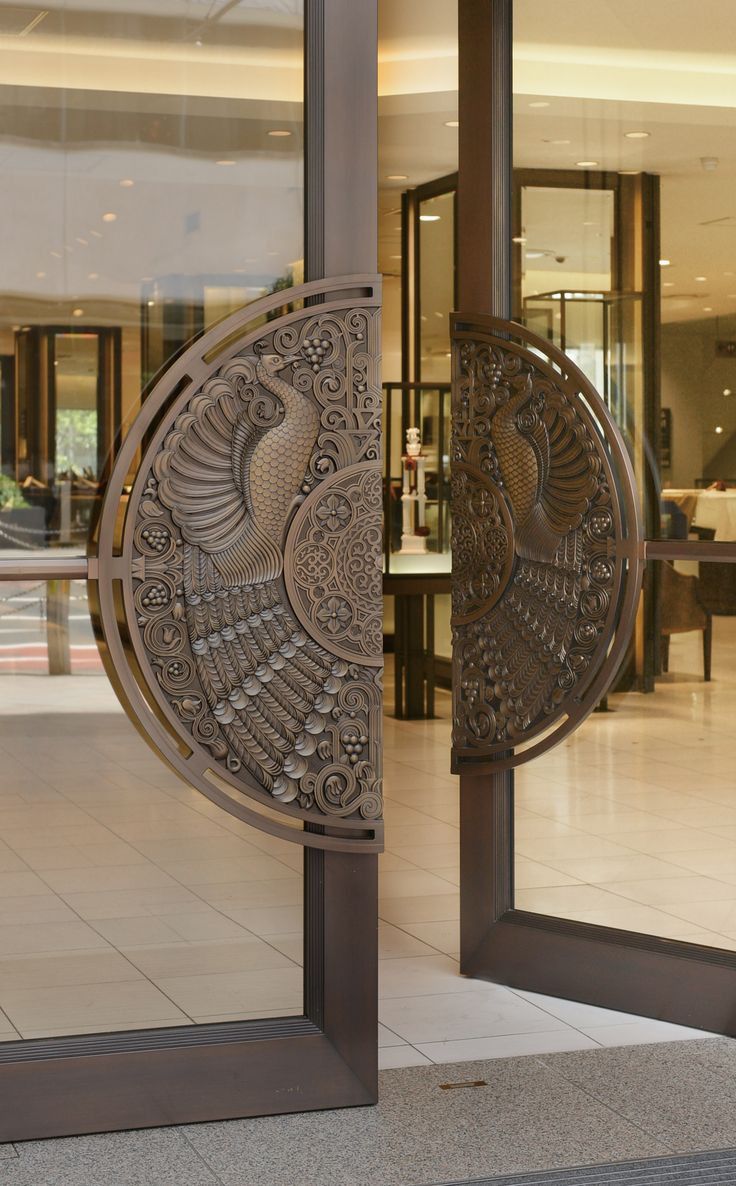
Luxury appearance does not remove the need for safe, tested, and climate-aware choices. Therefore, exterior performance, glass safety, energy efficiency, and local code requirements should support the final specification.
The National Building Code of Canada sets technical requirements for the design and construction of new buildings, alterations, changes of use, and demolitions. Therefore, luxury doors should still support safety, durability, and suitable residential use.
Canadian building codes are adopted and enforced by provincial or territorial jurisdictions, so requirements can vary by location. As a result, exterior luxury doors, garage-connected doors, safety glass, and unusual openings should be reviewed locally.
AAMA/WDMA/CSA 101/I.S.2/A440 is the North American Fenestration Standard for windows, doors, and skylights. Consequently, exterior luxury door systems can be compared by recognized performance expectations for building-envelope use.
ENERGY STAR Canada’s technical specification determines how residential windows, doors, and skylights sold in Canada are certified for the program. Therefore, efficient exterior luxury doors can support comfort without compromising design intent.
Canadian glass door regulations require glass in glass doors or enclosures to use safety glass that meets the listed test requirements. Therefore, large glazed luxury doors, sidelites, and feature glass should use appropriate safety glazing.
Luxury doors should look intentional at first glance and feel right every time they are used. Therefore, the best choice should connect architecture, material quality, hardware, glass, privacy, security, and Canadian performance.
At Window & Door Solutions, we help high-end homeowners, designers, architects, and builders choose doors that suit the full character of the home. Whether the goal is a grand entrance, a refined interior transition, or a premium outdoor connection, we can help you compare options with clarity.
Contact us to request a Luxury Door Consultation today and create a door experience that feels designed into the home from the start.